The latest turn-based roguelite to capture my attention is Blightstone, which hit Early Access this week. It’s a bleak and uncompromising game that kicked my backside a little, but it’s also clear that there’s potential in Unfinished Pixel’s new RPG.
What’s this Blightstone all about, then?
This fantasy adventure puts you in control of a party of adventurers. You’re then tasked with destroying the eponymous Blightstone and saving the world from its corruption. It’s not tremendously original, as far as stories go, but it absolutely does the trick, and your objective is crystal clear from the start. Sorry, not sorry.
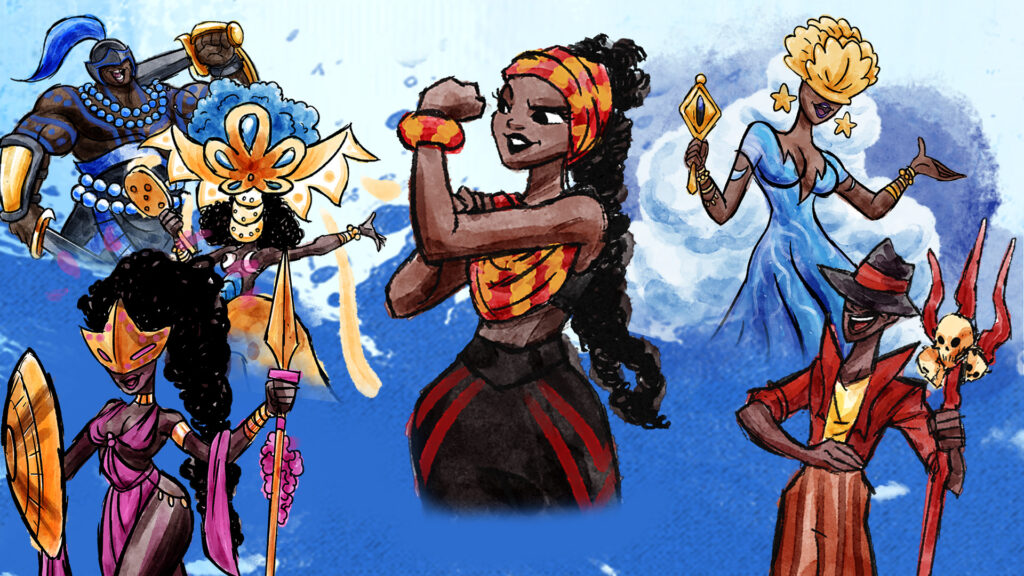
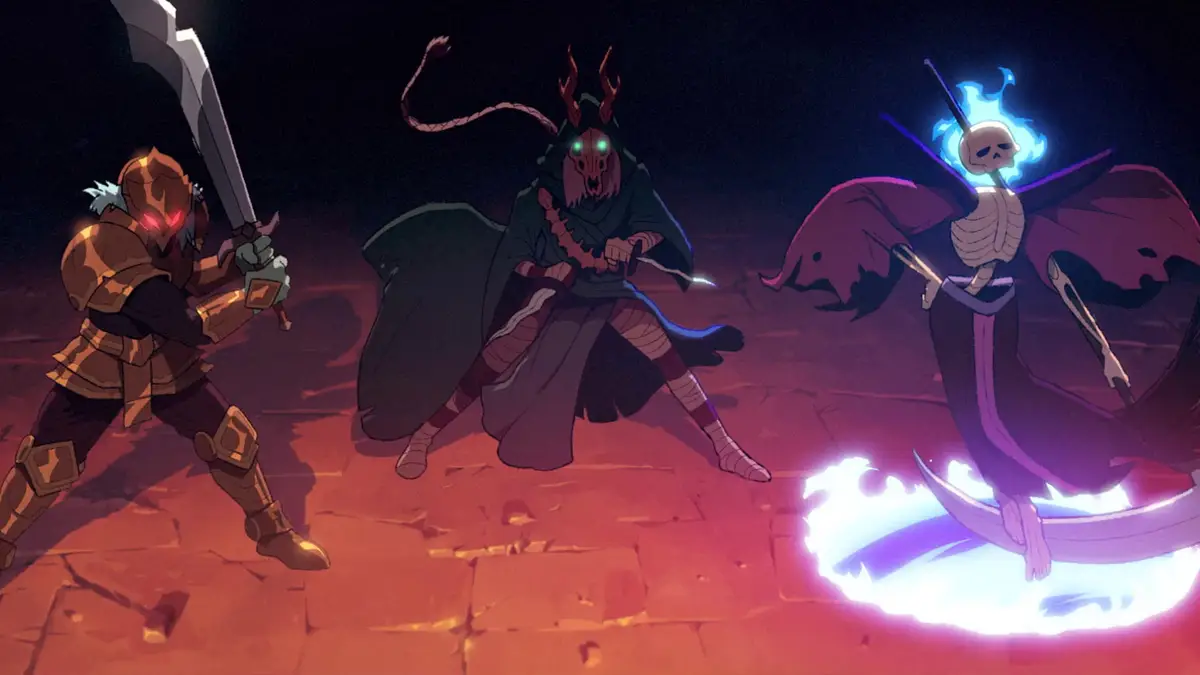
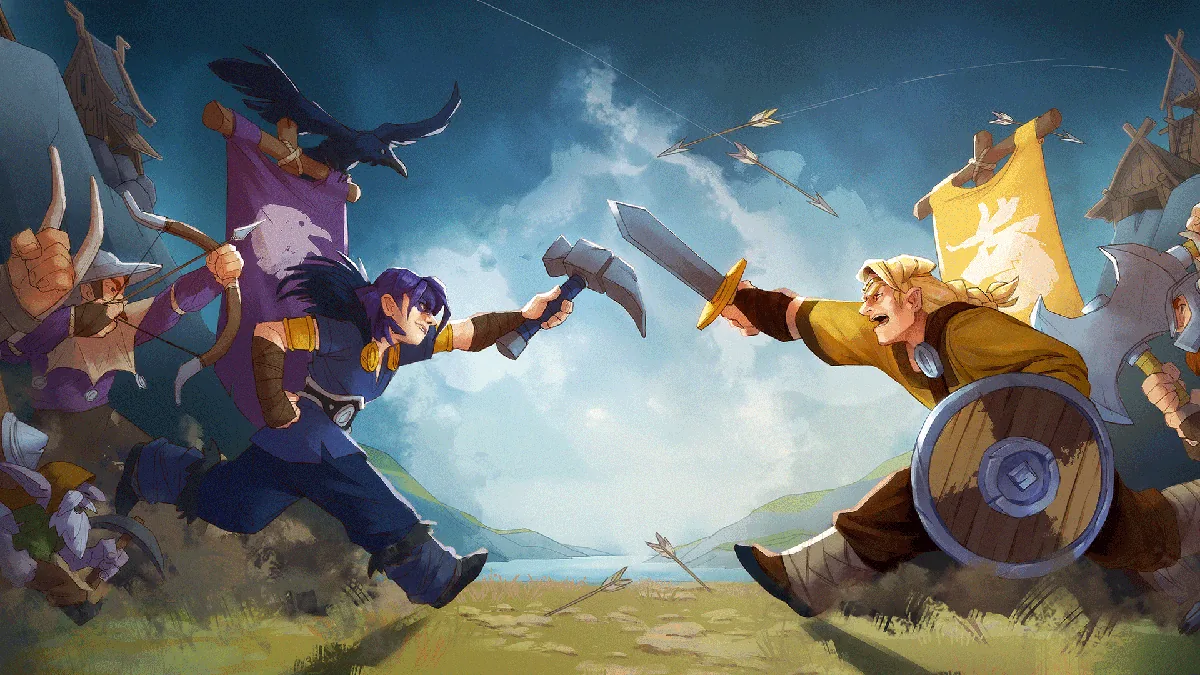
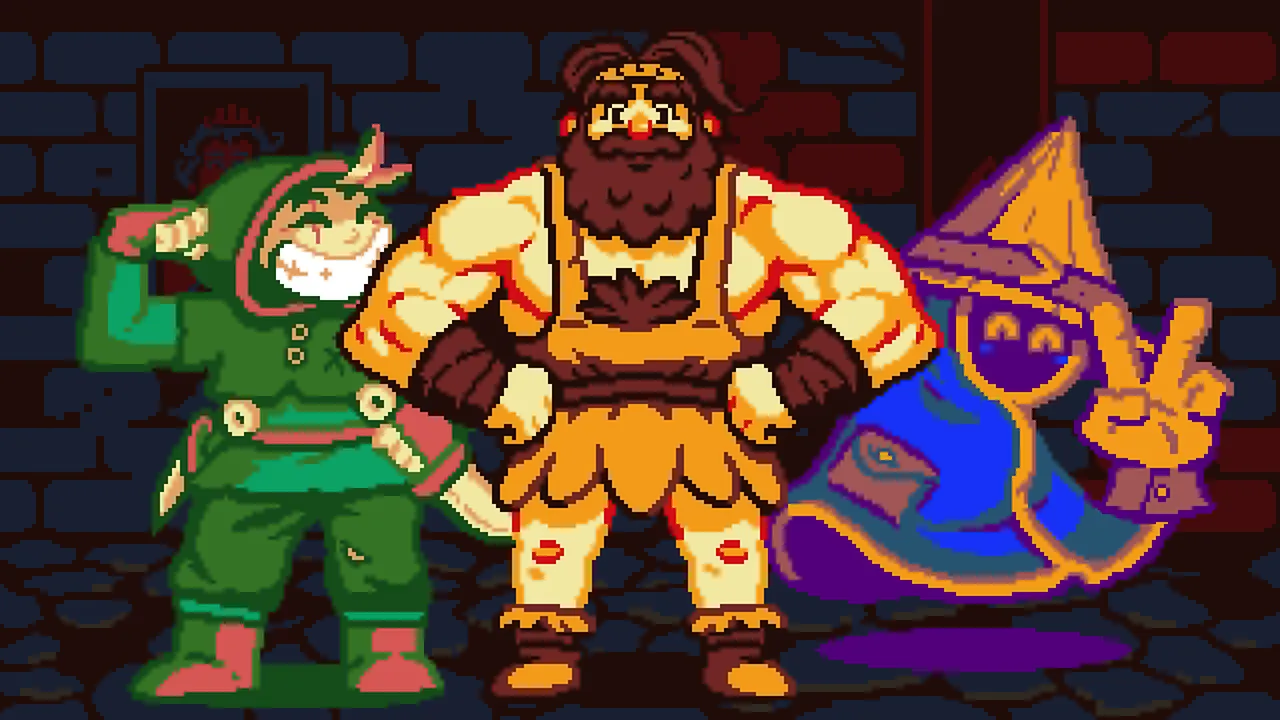
The three starting characters in your party are quite different from one another (and there are two more in there). One’s a mage, one’s a fighter, and the third has a dog and can set traps. This tricky trio then heads into the game’s first act, which spans five biomes and 150 locations/nodes. Naturally, I’ve not everything, but my first few hours with it revealed a visually polished and challenging experience.

Three’s company, four’s the stone
You might have three main characters, but you also have a floating crystal that joins you in battle. This stone can be imbued with different powers, such as passive stat boosts for the nearest units, or an extra attack to add to your arsenal (and use as per its cooldown).
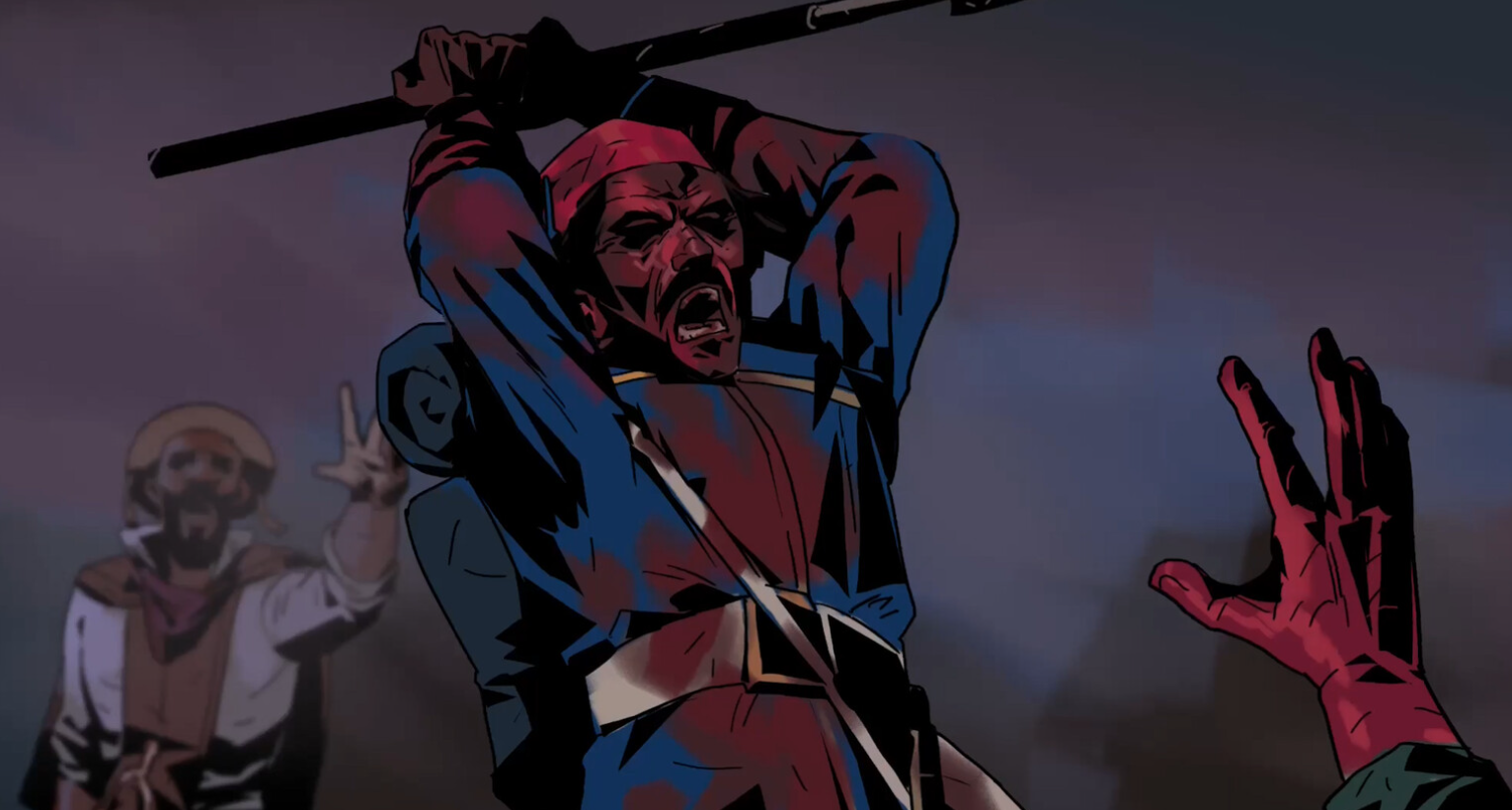
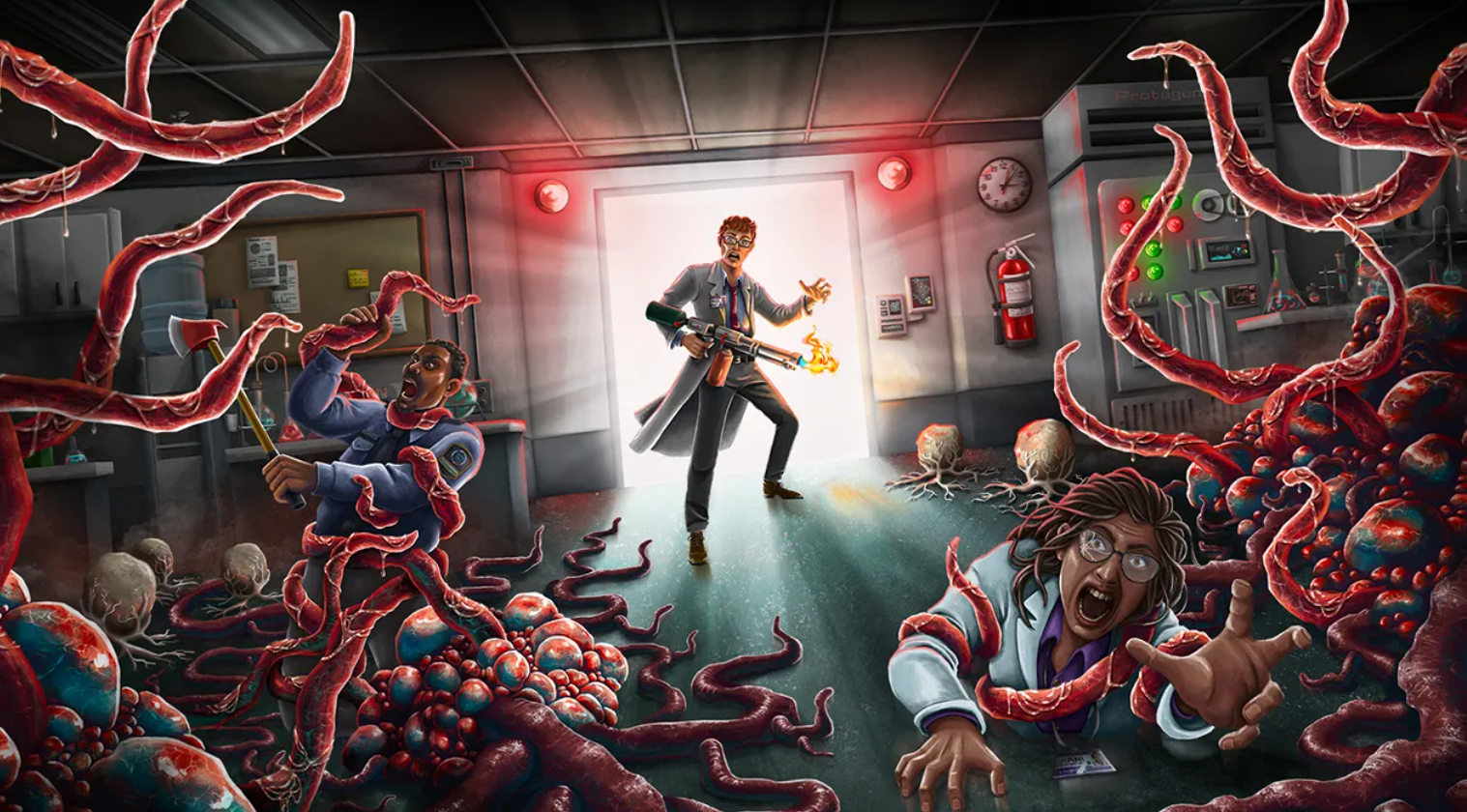
Your party, along with your magic stone, move across a map made up of nodes, FTL-style, encountering village folks and bandits, camping at night and tending to your wounds, and bumping into lots of things that are out to kill you.
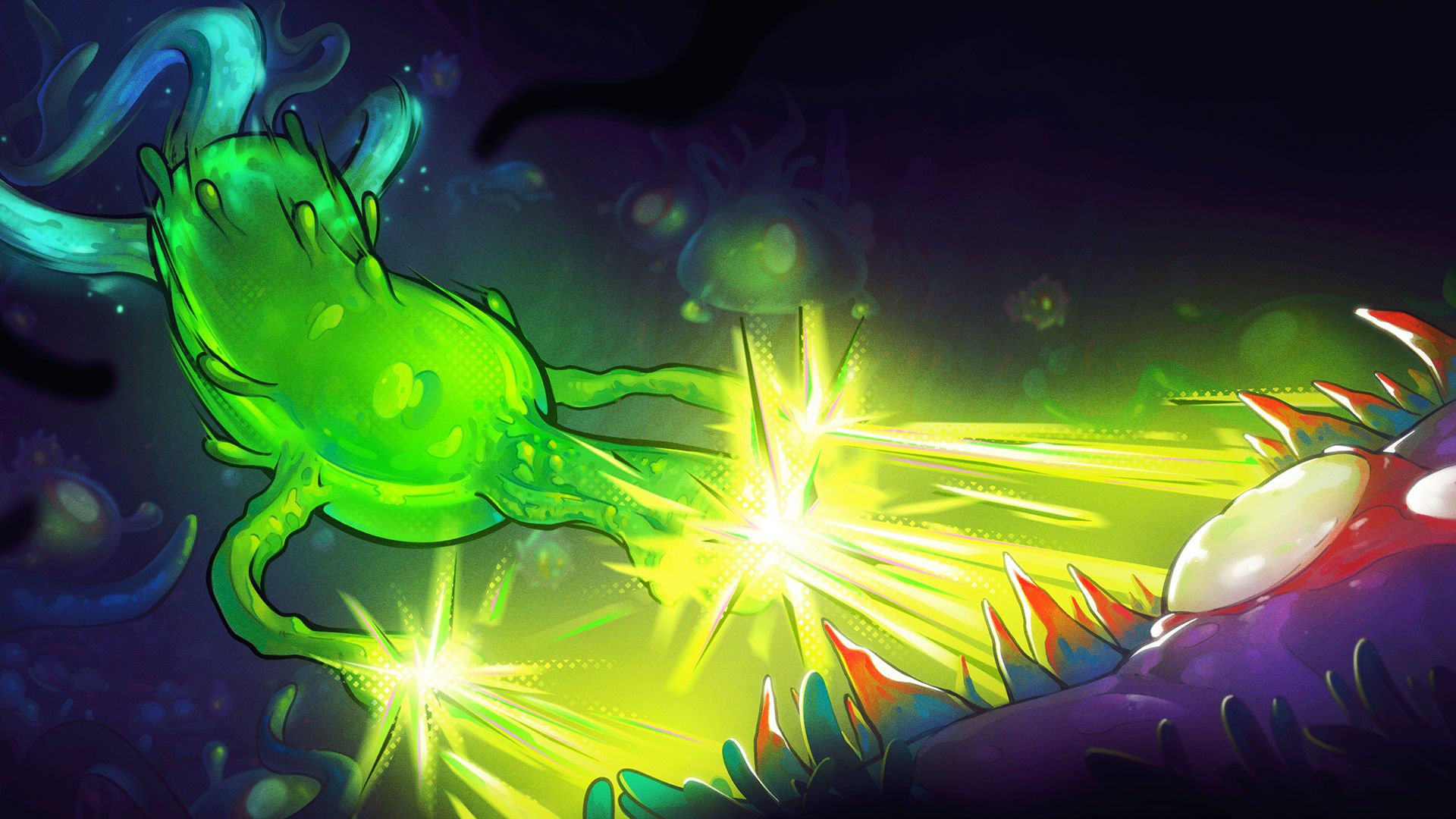
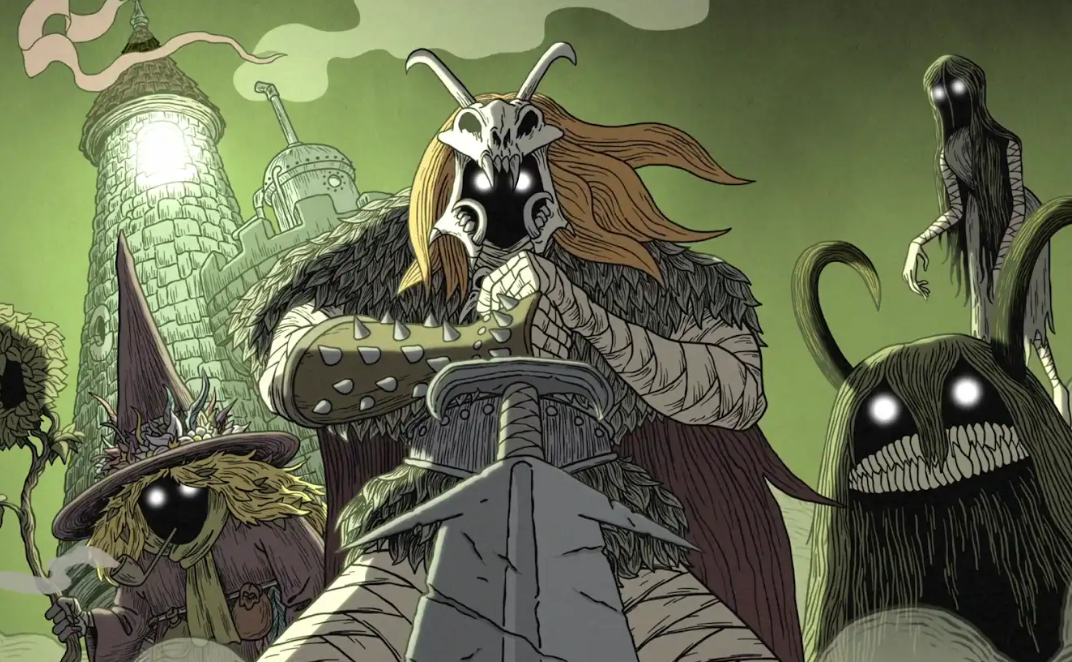
On that front, there seems to be a solid variety already in place, with around 40 enemies of various shapes and sizes to discover, with three main bosses just waiting to kill you.

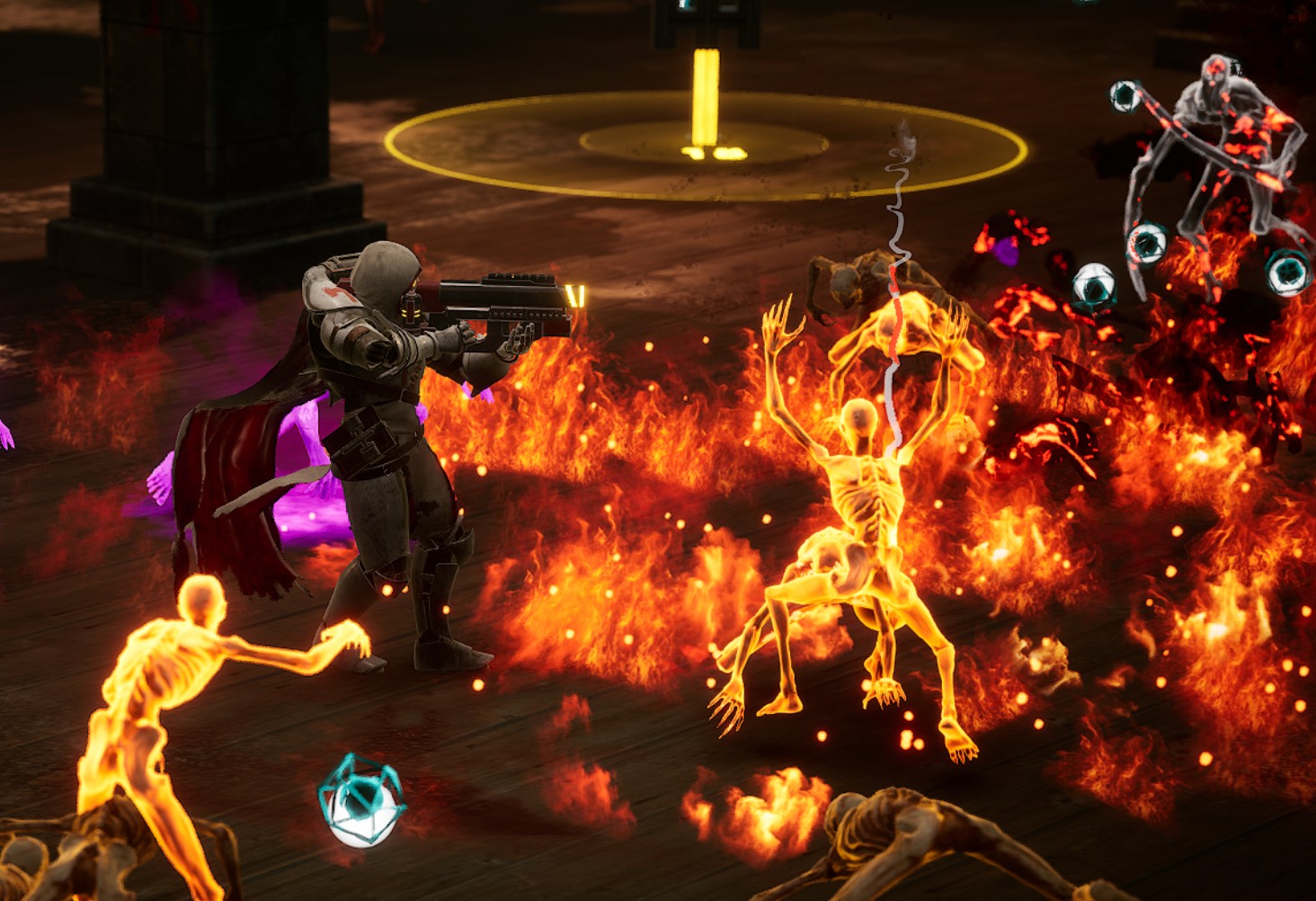
Gridless-based combat
The core of the game rests in the combat system. This was actually the toughest thing to get to grips with. Not because it’s particularly complicated – in fact, it’s quite nuanced – but because it’s hard. It feels like it has been pitched at this difficulty to support the roguelite framework. Everything is built around slow progression and keeping you looping, but that made my first attempts feel essentially pointless beyond teaching me the basics.
On the other hand, the movement and action point system works very elegantly from the start. It’s like a streamlined XCOM, where you have two main actions in your turn, but you have some agency in terms of what those actions are. For example, you can move your unit to a certain point, denoted by a dot on the map, and still fire a shot. Alternatively, you might fire off a special attack that uses all of your actions in one move to chain some lightning between multiple foes at once. There are always several tactical choices, and this flexibility is my favourite thing about the game as it stands.
There are more promising things in there at launch, including interactive environments that you must factor into combat, and an interesting story that wraps around the progression loop. In fact, Blightstone is already slick and polished, and built on rock-solid foundations. If the developer can get the right balance in terms of progression and how the difficulty scales to greet the player, this could turn out to be excellent. It’s not quite there yet, though.