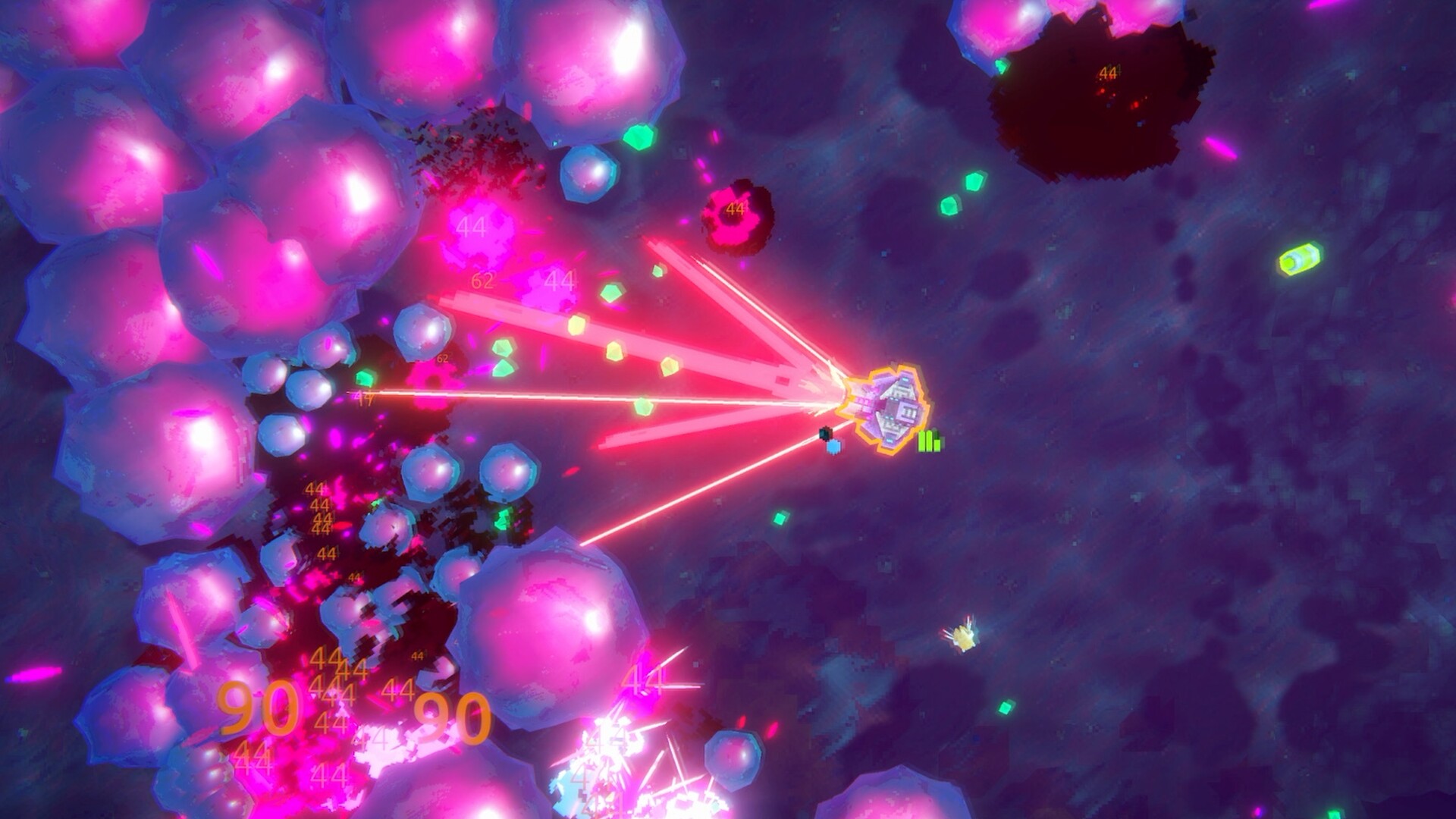
After yet another minor delay, Homeworld 3 is heading to PC on May 2nd, and there is an understandable amount of interest in this particular sci-fi real-time strategy threequel.
Not only is the Battlestar Galactica-inspired narrative a real winner with armchair generals, but there’s a genuinely exciting new way to play the game included at launch: War Games.
I’ve not had the pleasure of playing Homeworld 3 yet (Rogueliker wasn’t a thing during the last round of media previews) but I am most certainly interested in knowing more about War Games.
As a lapsed RTS player from the ’90s, I think a roguelike twist on proceedings is going to prove just the ticket. As we’ve seen recently with the excellent Against the Storm, roguelite gameplay and real-time strategy mechanics can absolutely work in harmony.
This overly wordy introduction is my clumsy way of introducing War Games to the uninitiated, but also setting up a segue to talk about the latest round of intel that we just got about the new mode.

As part of an extensive dev update that also details the game’s skirmish mode, Lead Producer Iain Myers-Smith and Game Director Lance Mueller shared a bunch of interesting details about War Games. I’ve bulleted the highlights for your convenience:
- War Games can be played alone or with up to two other people.
- The roguelike part of the game manifests itself in the form of randomised combat encounters, as well as a number of systems intended to promote gameplay variety.
- There’s an Artifacts system that governs the game’s roguish progression loop, and it consists of Patterns and Upgrades.
- Patterns are equivalent to classes. You can apply these Patterns to ships to drastically change or enhance their role on the battlefield.
- Upgrades then let you specialise your chosen Pattern. You might use these upgrades to boost weapon damage or speed, for example.
- The Berserker class was one example cited. The blog explains how using a Pattern can make “slow, tanky Assault Frigates transform into destructive close quarters bruisers you send screaming into the enemy frontline.”
- You might then upgrade these bruisers with a self-repair feature, reducing their damage but keeping them in the fight for longer.
- There are over 30 Patterns available at launch. The blog describes them as “a tactical table flip on Homeworld’s meta.”
- Each Pattern has three associated Upgrades. Many of them can be taken multiple times as they stack.
- In co-op, players can synergise their Patterns to make interesting new gameplay options. A sniper and spotter setup was described.
- Some Artifacts must be unlocked with Profile Experience Points, which you get for taking down enemies while keeping your ships alive, plus completing other in-game objectives.
- There are also some Artifacts linked to a Challenge system. They didn’t describe anything too grindy, but they will push players to try different fleet setups, for example.
- Each run tasks you with surviving three missions, which are pulled from a small pool, with variable objectives to add further spice.
I’m pausing for a moment to allow some reflection on the above, but also because the modular difficulty system detailed below should be considered separately as it’s a completely optional part of the game.
- The modular difficulty system sounds like it will give the best players plenty of ways to tweak the experience.
- There are 10 difficulty tiers, and as you take on bigger challenges, the “modifiers start to stack up in some grueling ways.”
- The first tier adds a small amount of challenge, while you’ll need to be an RTS demi-god to complete the hardest challenges, which also include earlier tiers by the sounds of it. Yikes.
- The difficulty system is not mandatory and as a result, it only offers “aesthetic” rewards for players – bragging rights, basically.
If all you came here for was the mini-doc, thank you for your kind patience, Dear Reader. Please, enjoy, and stay tuned for more on Homeworld 3 as we edge closer to the game’s launch in March, 2024.