Earlier this week I shared my review of Katanaut, the new indie roguelite from Voidmaw. Spoilers: I really like it.
After hitting publish, when sending my clippings over, I noticed that in the email I was replying to, there was the offer of an interview. Having just spent several hours with the game, I had questions.
RL: Congratulations on the launch! Given the start of the game, I think it’s only fitting that I ask you to give us the elevator pitch!
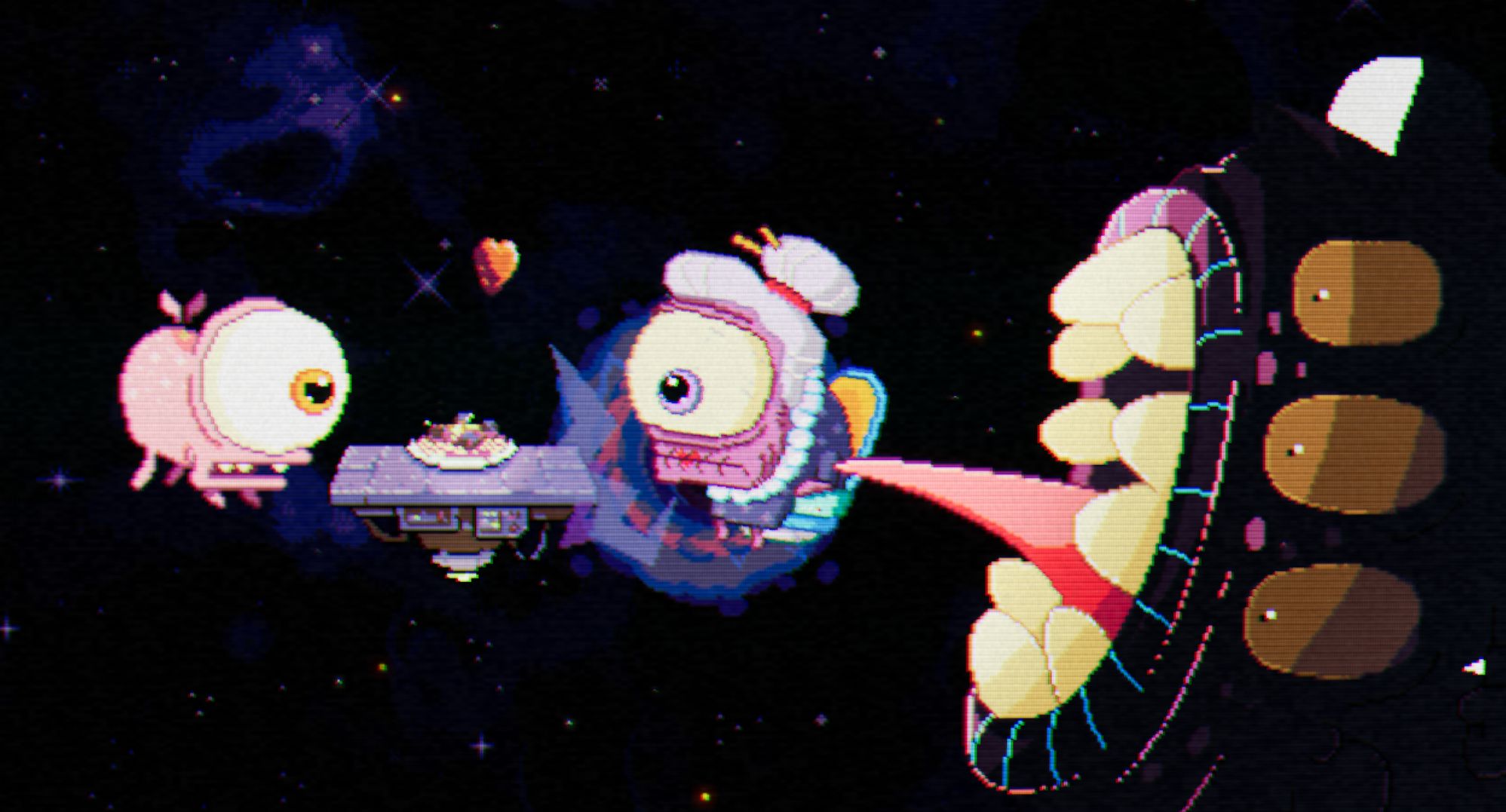
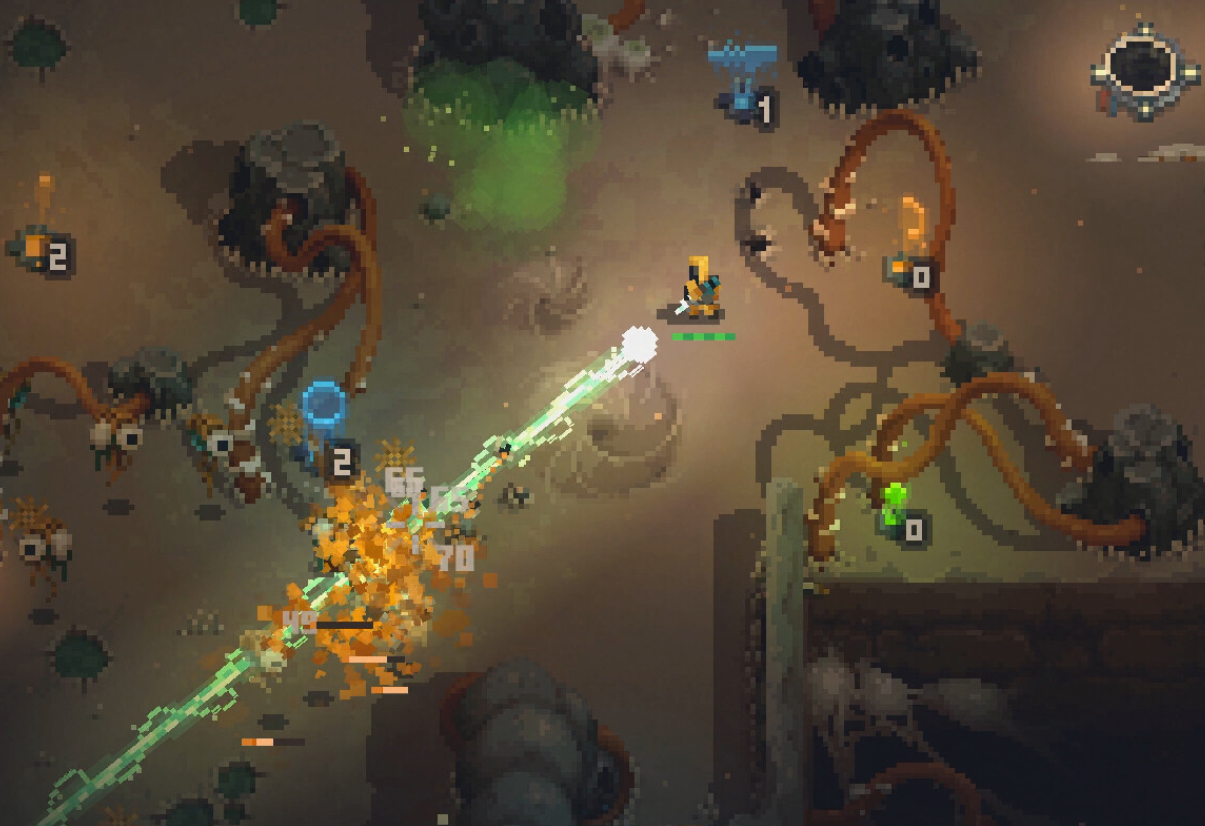
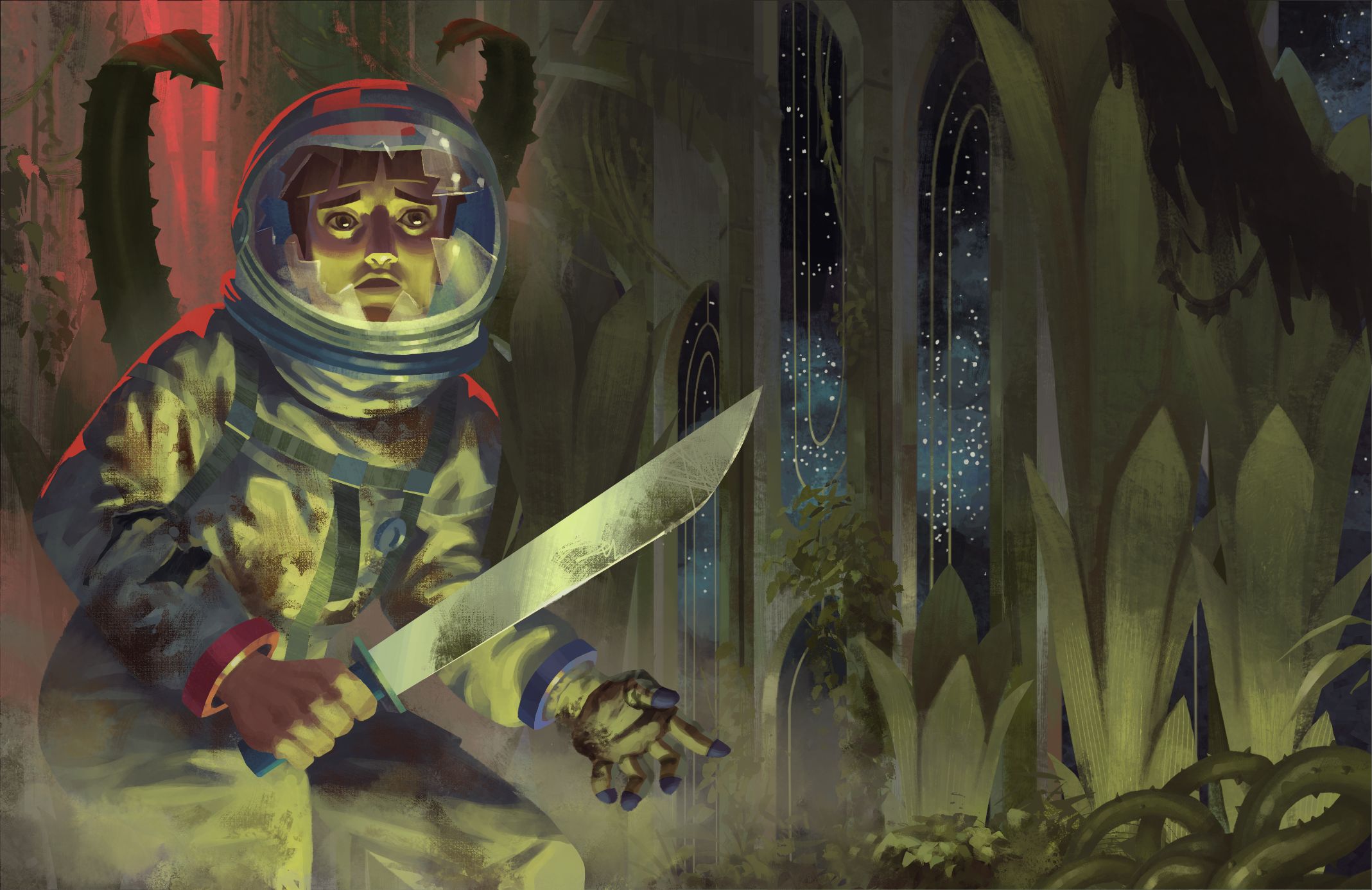
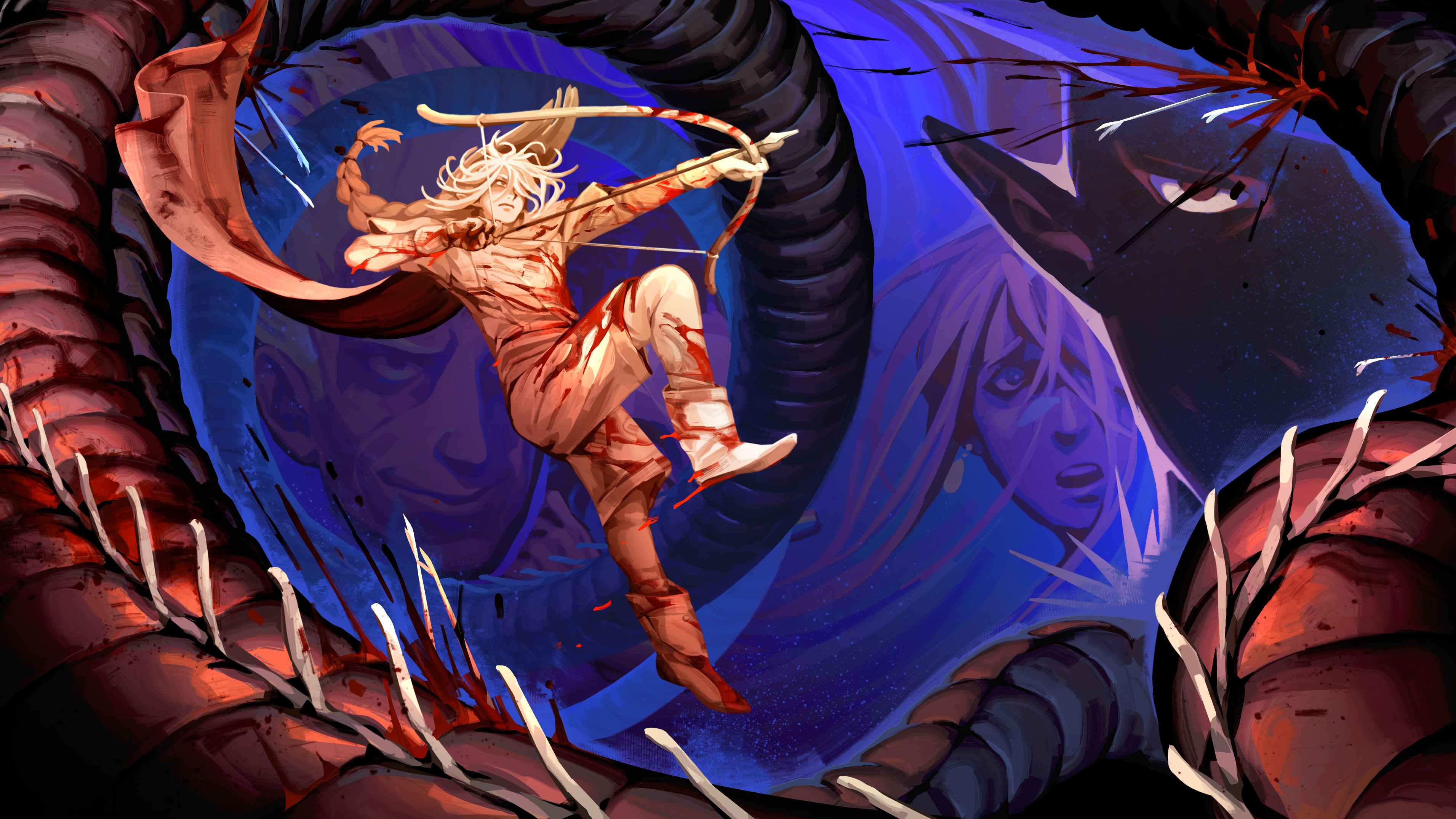
VM: Katanaut is a fast-paced, metroidvania-inspired action roguelite with fluid combat and cosmic horror. Slash, dodge, and wield powerful abilities as you battle through a station sprawling with twisted, once-human horrors.

There are several interesting gameplay elements at work. How would you sum up the blend of ingredients?
Think character action depth meets parkour and arena design. I took quick, but readable enemy telegraphs from fighting games, the forward momentum of speedrunners, and layered in a light ability system that rewards timing over button mashing. You are always choosing a line through space, not just an attack, so traversal and combat are the same decision every second.
It’s clear that we love a lot of the same stuff, and so I’m really interested to hear about your influences, in gaming, in cinema, and beyond.
I grew up with games from the ’90s so this title is taking a lot of inspiration from some of those that I enjoyed most… everything from early Ninja Gaiden, to as recent as Dead Space. My usual description is if Ninja Gaiden and Dead Space had a baby, and that baby was a roguelite.
What was the biggest challenge when creating fluid combat that merges action and movement?
The hardest part was letting players keep momentum while staying in control. If you cancel movement every time you swing, it feels sticky. If you never slow, you lose readability. I built attacks that preserve a slice of your current velocity, gave generous air control, and tuned animation-cancel windows so escapes and parries feel earned. The camera helps with soft target locking that never yanks control, and enemies signal with light and audio so you can react while flying past at speed.

Again, with such fast combat, I imagine integrating special abilities etc must be a technical challenge. What hurdles did you have to overcome to get the game as polished as it is today?
Abilities had to be situational, not spam. I moved to cooldowns that refresh on skillful play like perfect parries and ring outs. Under the hood I wrote a custom code to help with predictive collision to keep you from snagging on geometry while you’re deep in trying to survive while on that last hitpoint as well.
Big hurdles were motion sickness due to sharp and detailed environments, culling in wide vertical spaces, and keeping 60 fps during heavy particle use. I also spent a lot of time on input latency, remapping, subtitle sizing, and color blind safe cues so the game feels fair.
All in all the entire journey spawned a ton of accessibility features that are available to the player to help them out when needed.
How did Katanaut evolve through development? What was the biggest difference between your original vision and the version of the game I just played?
The first prototype was way faster and closer to a corridor brawler with a sidearm. The best sessions happened when testers ignored the gun and tried to never land. That pushed me to making larger arenas, more rails and rings, and enemies designed to be repositioned or popped into hazards.
Art shifted from grime to bold shapes and high contrast so you can read threats instantly. The build you played reflects that lesson. It is less about attrition and more about flow and route mastery.
Finally, what’s next for you and Katanaut?
I’m polishing balance based on release data, and working on socials as this is all a new experience for me. There’s a lot in store for Katanaut, and it’s going to really depend on the reciprocation I get from people that enjoy the genre.
Thanks for your time!
Katanaut is out now on PC (Win)!