Welcome, Dear Reader, to my roguelike-filled corner of the Internet. Well, it’s actually a mostly roguelite-filled corner of the Internet.
I clarified that not because I’m lost and confused, but because somewhere along the line, the terminology surrounding roguelikes and roguelites has got a little bit muddled, as I shall endeavour to explain – without boring you half to death, I hope.
This article is, therefore, an attempt to address the confusion surrounding genre terminology. But, instead of doing it from the roguelike perspective, I’m going to look at the genre with a focus on roguelites, because I think that’s where some of the most exciting experiments in game design are currently happening today.
That said, we do still need to start from the beginning:
Roguelites vs Roguelikes vs Roguelike-likes
I go into a lot more detail in my article What Is a Roguelike? but it bears repeating here, as succinctly as possible:
A “roguelike” or “rogue-like” is a game that is based on Rogue (1980). Initially, that meant games that are like Rogue, with ASCII graphics, proc-gen, and permadeath. However, some years later, games like Spelunky (2008) started to use roguelike mechanics in new ways, ushering in the term “roguelike-like”. These games were kinda like roguelikes, but very much not like Rogue.

Since those heady days of innovation, where it became clear that proc-gen and randomised elements had the potential to keep games feeling fresh for much longer, the term “roguelike-like” has been largely abandoned and replaced with the word “roguelite”.
What is a roguelite?
The key difference between a roguelike and a roguelite is that in a roguelite, there is a defined progression system that extends beyond each run/attempt. It’s also fair to say that a roguelite is also a game that is not distinctly a roguelike (a turn-based dungeon crawler with proc-gen and at least some degree of perma-death).
Beyond that, the term “roguelite” can actually mean a dizzying number of things, and sometimes I think its over-use can be quite unhelpful, especially when there are often much better words to describe a lot of the sub-genres that we’re talking about.
One example of this is the terminology around traditional roguelikes. I know that the roguelike community tries hard to keep the nomenclature distinct, but with roguelite game mechanics becoming increasingly prevalent in all areas of gaming, it’s a losing battle.
It’s also a losing battle because gatekeepers don’t control language; people decide language by using it. If everyone and his uncle calls a roguelite a roguelike, at some point, it’s going to be extremely difficult to tell them apart using standard terminology. Eventually, one will become the other. But I digress…
So… to sum up: A roguelite is a game with proc-gen features, an element of theory-crafting, it’s not a roguelike, and it has a gameplay loop that expands over time via player progression.
Except, when you put it in those terms, that’s just a collection of mechanics, isn’t it?
Roguelites For Everyone
If I asked you to describe what a roguelite is, you likely have a good idea in your head straight away. Yet it could mean one of many things to you. And what if I asked you to name a specific roguelite?

I’d wager that there’s a reasonable chance that the game that you’re thinking of is not the same game that I’m thinking of. This is because there are so many to choose from, and they’re all so very different from one another.
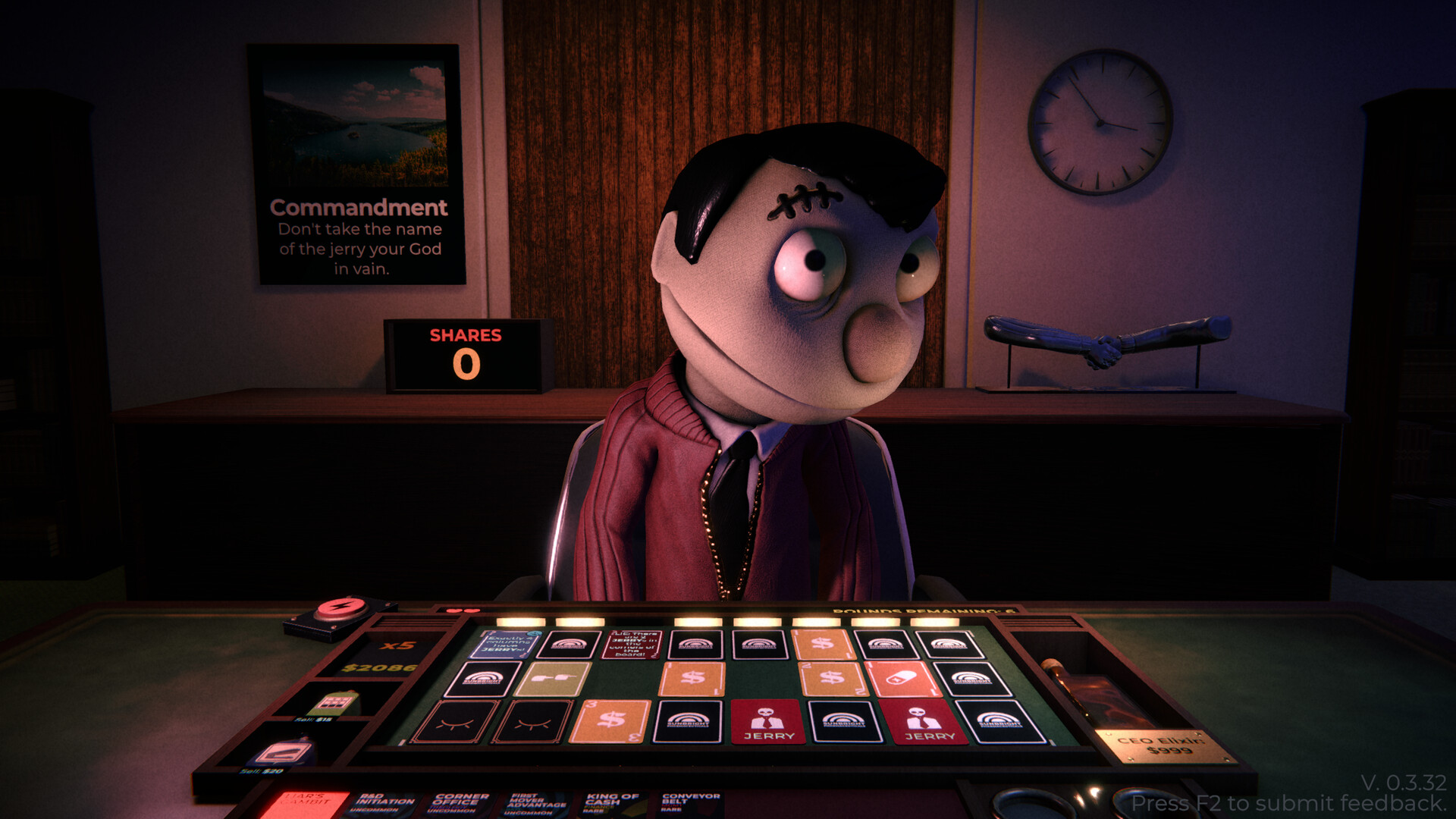
If any game that isn’t a true roguelike is therefore a roguelite, that means that we’re throwing together games as disparate as Vampire Survivors, Returnal, Isaac, and Balatro and then calling them all roguelites.
But really, what do those games have in common beyond their shared mechanical heritage? Not much.
Roguelite Categories
With the word “roguelite” meaning so much to so many people, I think it’s in danger of starting to mean nothing at all.
That’s why it’s worth digging into the various sub-genres, all of them considered roguelites, even if they’re not always called that, and all of them quite different from each other. Let’s start with the games that I reckon most people think of when you say the word “roguelite”.
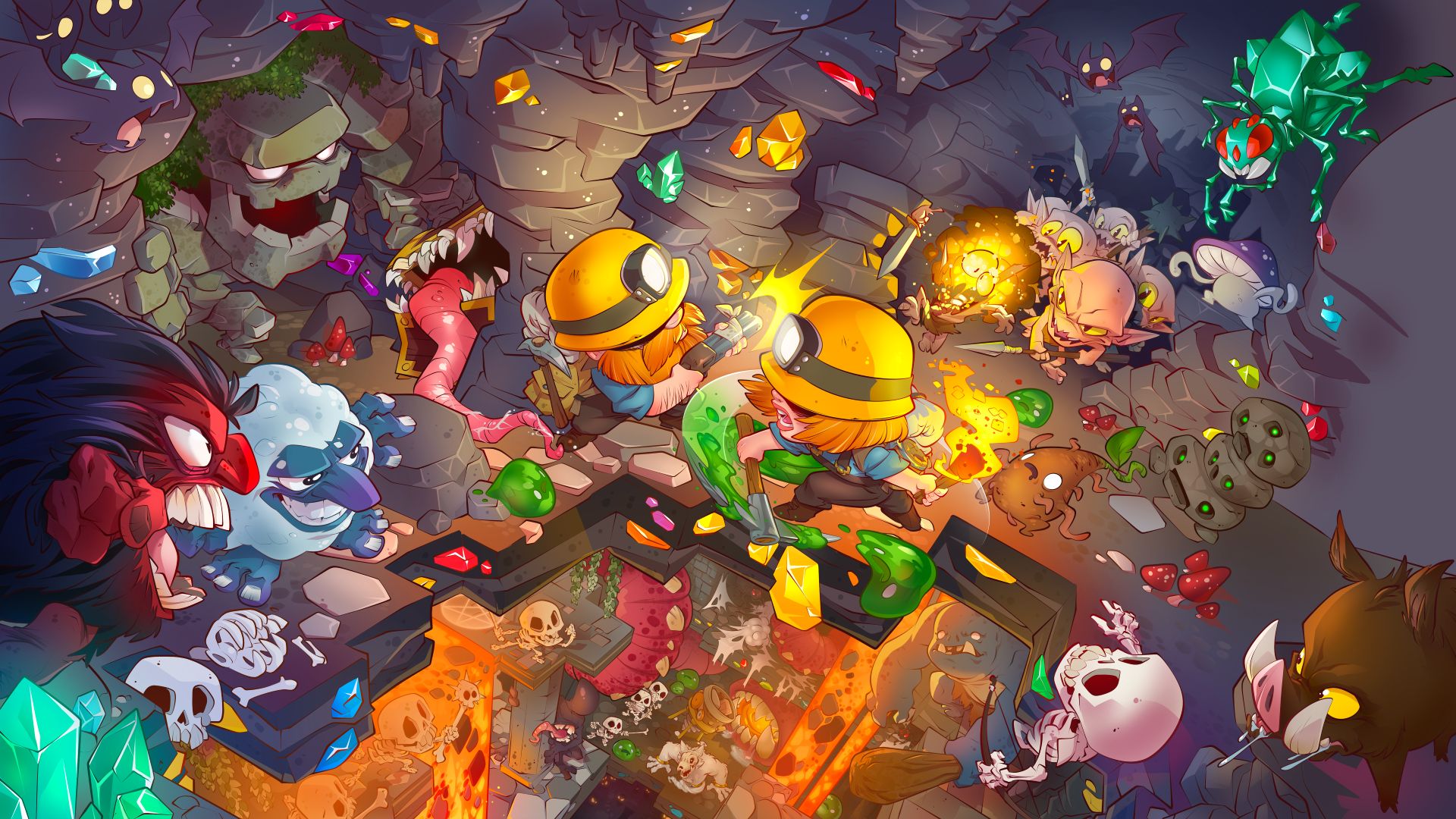
Action-Roguelites / Action-Roguelikes – Ultimately, these are simply action games with roguelite mechanics. Sometimes they’re called action roguelikes, but that’s nearly always technically incorrect because the vast majority of modern games have some sort of meta-progression, even if it’s quite understated or item-based.
Within the action-roguelite bracket, however, there are several sub-genres, many of which overlap. Luckily for us, after this very general opener, the terms do start to invoke their content more clearly.

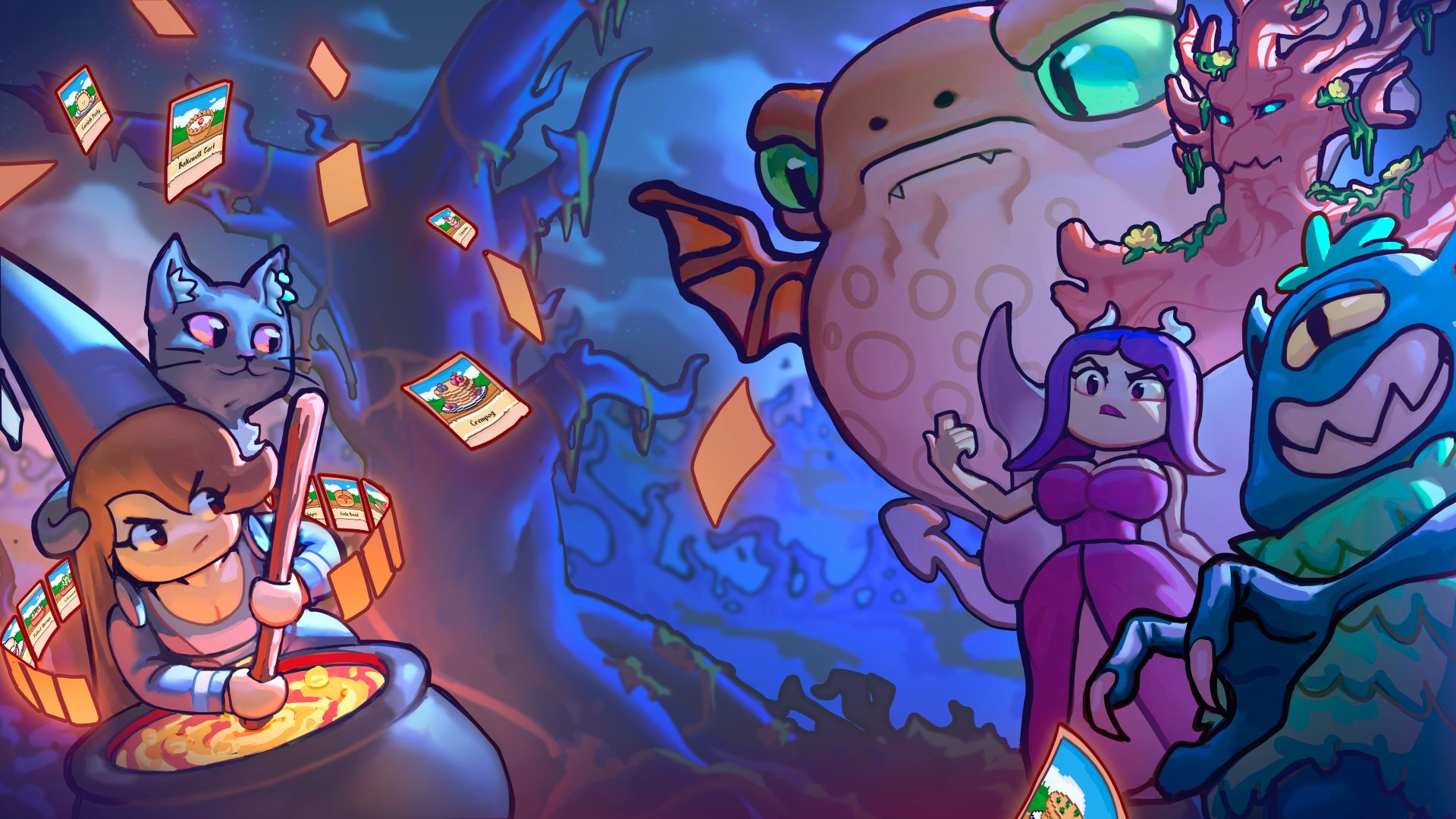
Dungeon Crawlers / Hack ‘n’ Slash – These are games like Hades and Cult of the Lamb, and they’re often steeped in fantasy themes. You’ll be heading into dungeons filled with monsters that are out to kill you, and you’ll have to adapt to survive. This is done via upgrades, potions, new abilities, or special items.
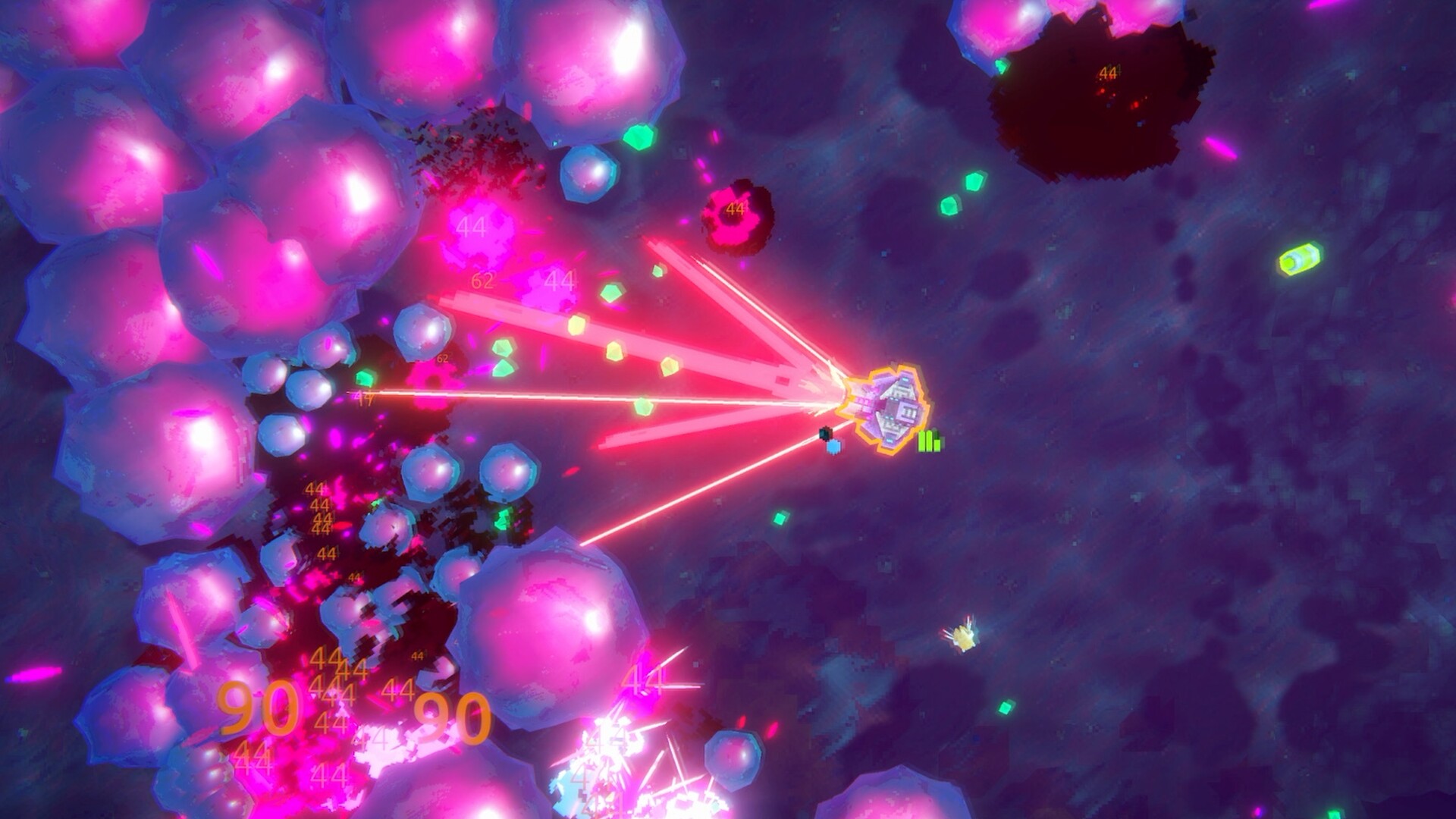
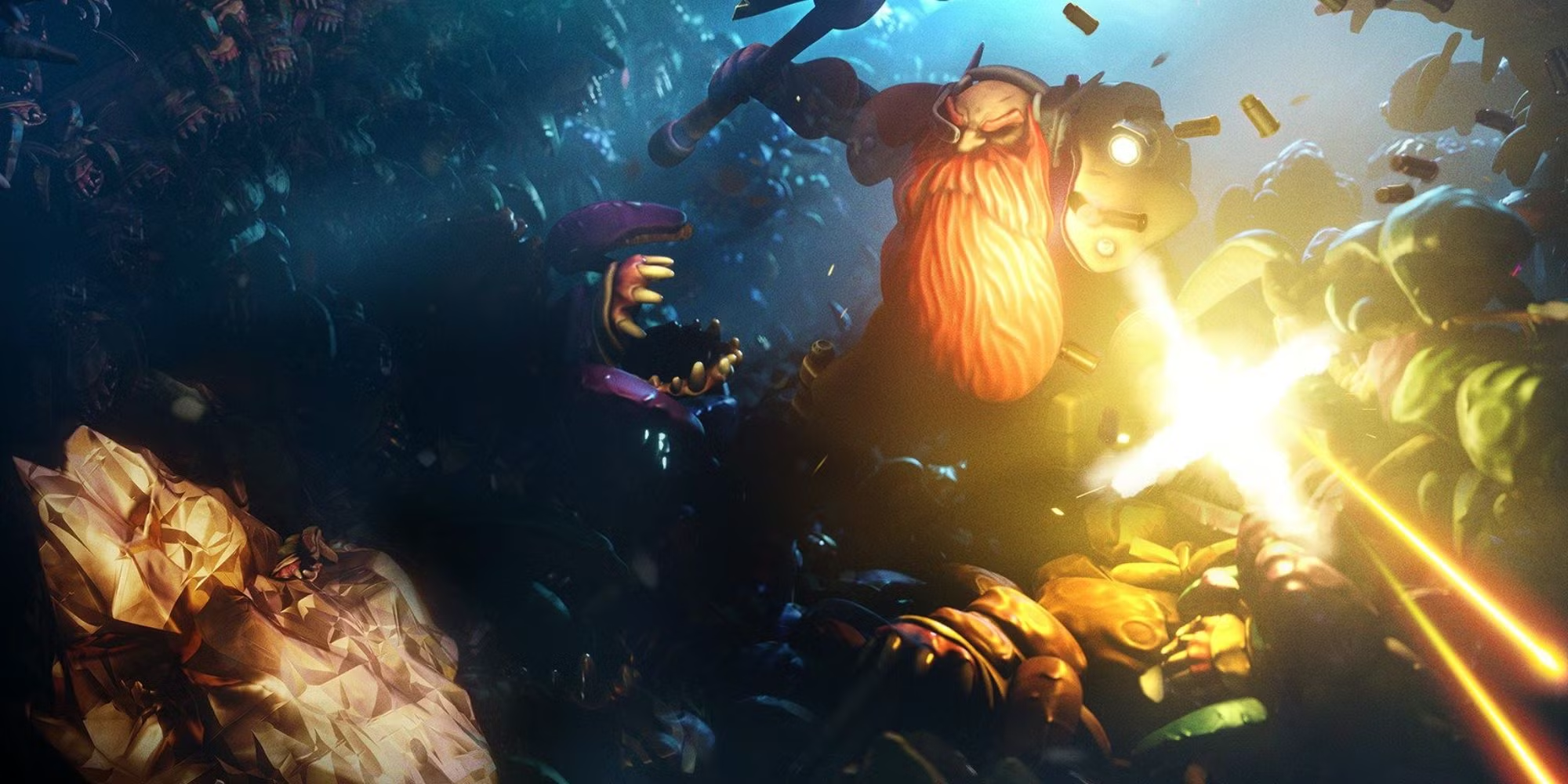
Top-Down and Twin-Stick Shooters – There’s probably some overlap with dungeon crawlers – and vice versa – but roguelite shooters do tend to lean more towards sci-fi. While not inherently roguelike or roguelite, some of the most popular games among you lovely lot are top-down twin-stick shooters. I’m thinking of The Binding of Isaac, Enter the Gungeon, and Nuclear Throne.
FPS Roguelites / FPS Roguelikes – There are already tons of first-person shooter roguelites out there, such as Roboquest and Gunfire Reborn. Witchfire is a more gritty example. Despite all of these games being roguelites, everyone searches for FPS Roguelikes instead!

Bullet Heavens / Survivors-likes – The evolution of the terms “bullet heaven” and “survivors-like” is an ongoing concern. Valve recently weighed in on this one and started using the tag “Bullet Heaven” to describe the games on Steam; however, a lot of people still consider these games to be survivors-likes. What do you think? Ultimately, it’s you who’ll decide how this one goes!
Are Bullet Hells Roguelikes? – It’s a good and oft-asked question. Ultimately, the answer is “no”, although there are caveats to that. A bullet hell is typically a shooter with tons of enemy attacks that fill up the screen. Some roguelite games use bullet hell mechanics, such as Returnal or Enter the Gungeon, but not all bullet hell games do.
Roguelike Deckbuilders – I can’t think of a single deckbuilder that is close to being a proper roguelike, so this genre term is quite inaccurate in terms of the gameplay it projects. Deckbuilders started off on the tabletop via Dominion and Pokémon TCG, and even on PC and console, are not always roguelites. Yet, if you keep adding in the roguelike mechanics, eventually you will get to the likes of Balatro and Slay the Spire.
Roguelike Auto-Battlers – In these strategy games, which are originally inspired by Auto Chess, the combat is resolved for you, so the fun bit happens before you let slip the dogs of war. Much like the previous entry, many auto battlers prefix the genre with “roguelike” to evoke the spirit of the proc-gen and permadeath, but pretty much every one I’ve tried is technically a roguelite because of the progression that happens between each run.

Roguelites vs Metroidvanias – There is a lot of confusion when it comes to metroidvanias, roguelikes and roguelites, and games like Dead Cells (the quintessential roguevania) haven’t helped. Ultimately, though, a metroidvania isn’t a roguelite and instead of proc-gen, they are built around more linear level designs. That’s not to say that there can’t be crossover in terms of progression, but a proper metroidvania won’t make you restart the game every time you die.
Are soulslikes the same as roguelikes? – No, they are not. Soulslikes are combat-focused action games inspired by Dark Souls, with no permanent death and no proc-gen. They’re actually more like metroidvanias, if you ask me. There has been some mechanical crossover, and the combat in roguelikes can be similarly tough, but soulslikes are a different sub-genre of their own.
The A-Z of Roguelite Sub-Genres
Up until now, I’ve tried to zero in on the main genre terms that I feel needed some clarification; however, there are loads of niche sub-categories where relevant games have adopted enough roguelike mechanics for a new term to evolve. I think this flourishing of new sub-genres only reinforces my point that the term roguelite has gone on to become bigger than any one type of game.
And so to wrap up, I went through a bunch of lists and found as many different genre terms as I could. I then narrowed them down to the roguelite sub-categories I think are the most significant. There are possibly some edge cases that I’ve missed out, but I’m comfortable that this bullet list covers the major bases. Here is my list of roguelite sub-categories:
- Action / Hack ‘n’ Slash
- Auto-Battler
- Bullet Heaven / Survivors-like
- City Builder / Colony Sim
- Deckbuilder
- Dice-Builder
- Dungeon Crawlers / Hack ‘n’ Slash
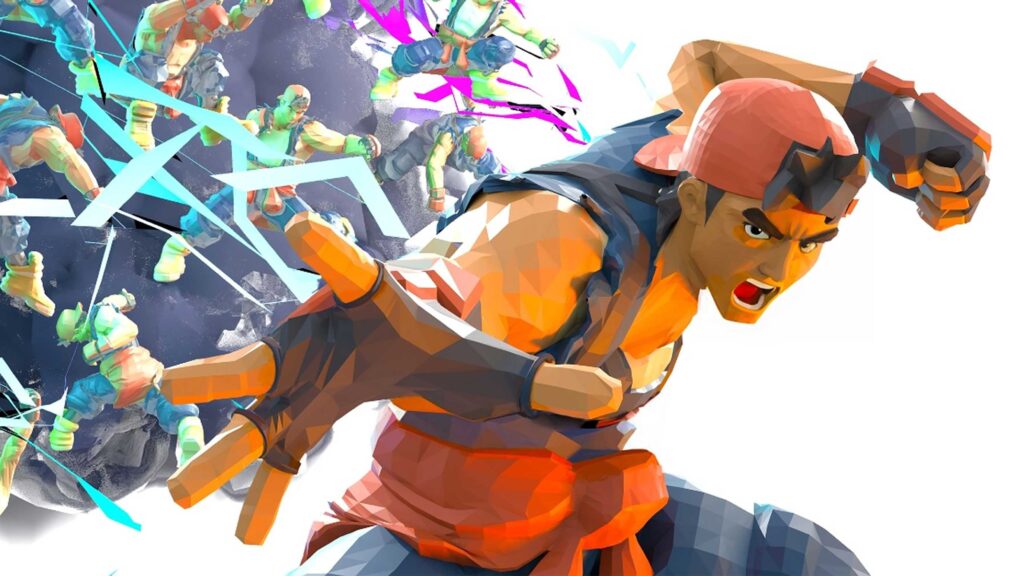
- Fighting / Beat ‘Em Up
- FPS / First-Person
- Horror / Immersive Sim
- Physics / Pachinko
- Racing
- Rhythm / Music
- Roguevania
- Sports
- Survival / Crafting
- Tactical Turn-Based
- Tower Defence
- Twin-Stick Shooter / Top-Down Shooter
- Word / Puzzle
*Earlier on, I was thinking about Hades.