One of the best things about my ongoing adventure into the world of roguelikes is discovering new games that try fresh ideas. Oftentimes, this comes about when different genres are mashed together, with results that can surprise and delight.
I love the fact that roguish game design facilitates so many different avenues for developers to explore, and I’m very much enjoying my front row seat to their collective innovation.
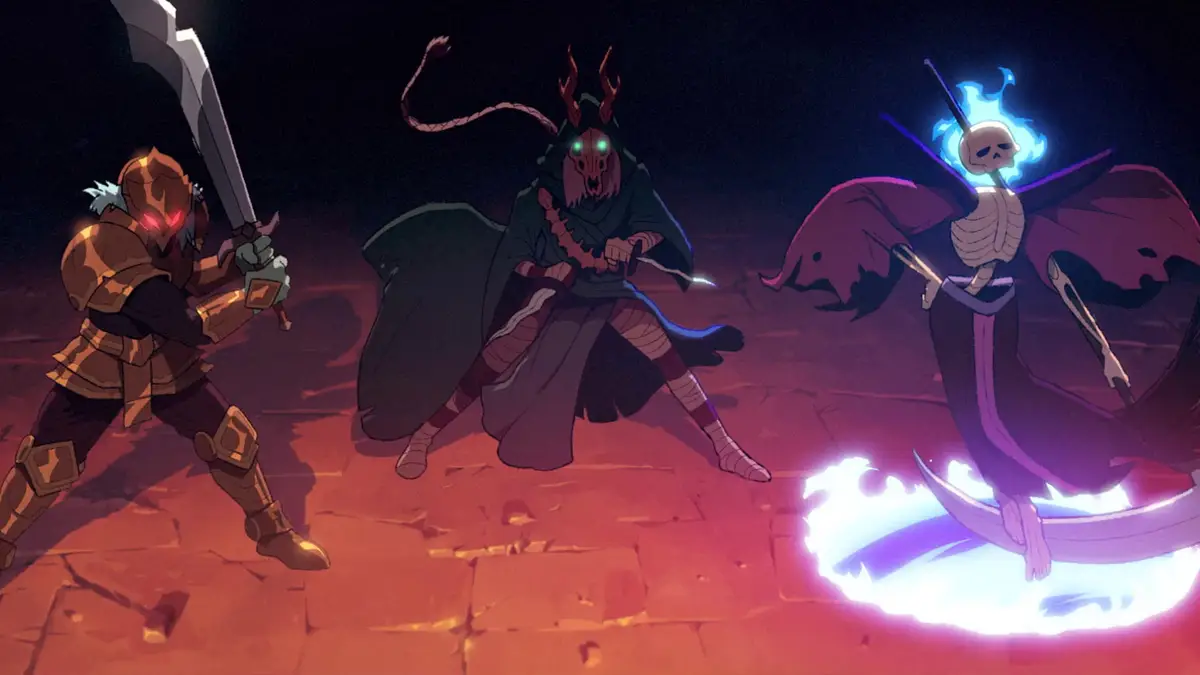
I’ve opened thusly, because Shadowveil: Legend of the Five Rings is a proper blend of diverse ingredients. As the interview below will explain, this a game that brings together auto-battler mechanics with roguish design concepts, and then injects a healthy dose of Eastern mythology and watercolour-inspired visual design.
However, before we get stuck into the interview with Palindrome Interactive’s Filip Andersson, the game’s director no less, I also want to highlight that there’s a demo of Shadowveil: Legend of the Five Rings available to download over on Steam as part of the latest Next Fest. This demo precedes the game’s full release on Windows PC on March 4th.
RL: So, Filip, for the uninitiated, please describe the game in your own words…
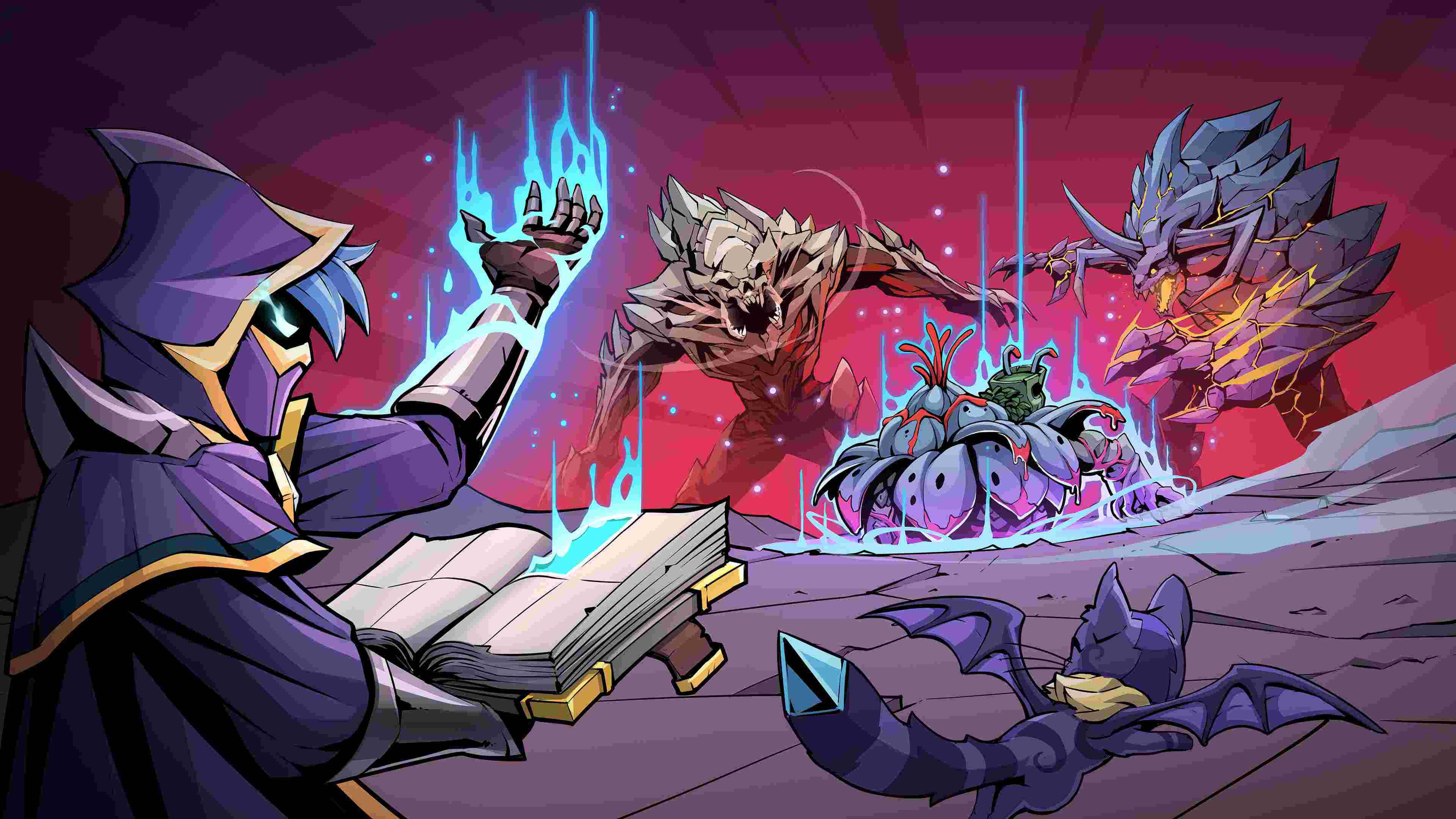
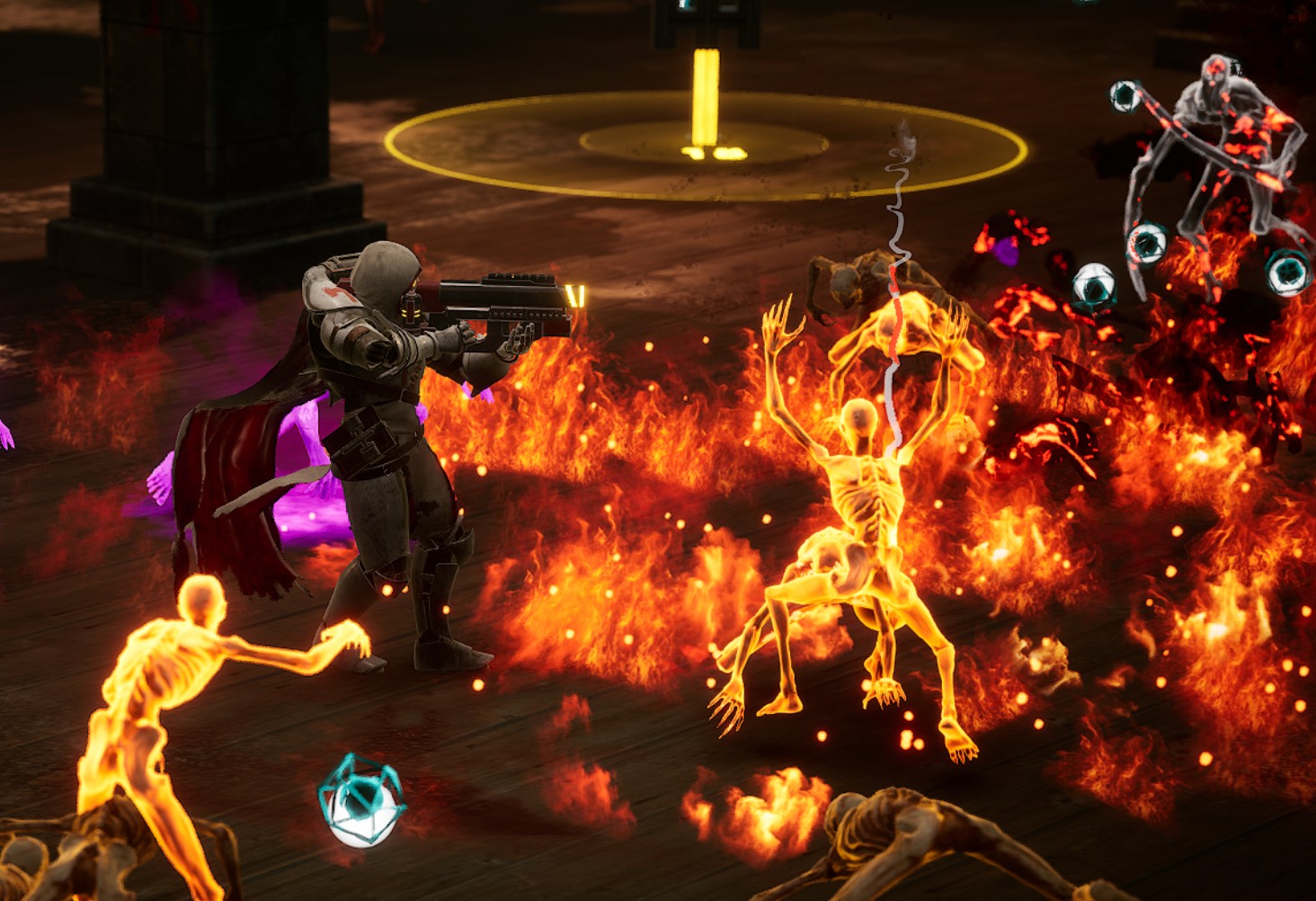
FA: Shadowveil: Legend of the Five Rings is a unique game experience with influences from many genres. At its core, it is a strategic roguelite game where you, as the commander, assemble a squad of samurai to head into the hellish Shadowlands and solve a mystery. During your expedition, you find cards that represent abilities that your units will use during combat. Which units you bring, which cards they have equipped, and how you deploy them all matter in the long run because your units execute your battle plan as soon as the combat starts. This auto-resolving combat enables you to tinker, strategize, and tactically evaluate your every move, while increasing the drama of the unpredictable Shadowlands. Between expeditions, you will be able to upgrade, recruit, and contact the different families of your clan to gather support to reach the ultimate goal. It is a true adventure in an innovative package.

RL: Shadowveil is part of a wider franchise that some of RL’s readers might not be aware of. What is the Legend of the Five Rings and where does this new game sit within that universe?
FA: Legend of the Five Rings is a fantasy world inspired by feudal Japan and other Asian folklore and mythologies. It originally started as a CCG and has since become a TTRPG, a board game, and a multitude of novels.
The setting revolves around seven great clans who vie for power, each with distinct personalities and goals similar to those of other fantasy epics that many love. Known for its fan-driven story, diverse characters, and storylines, it has been a fan favorite for over 30 years.
As you can imagine, this long history can be a daunting cliff for new people trying to approach the franchise. However, that is precisely what Shadowveil is supposed to be; a stepping stone for—a tiny lens in a vast world for people to taste this great universe.
This game focuses on the Crab Clan, the brash and bulky defenders of the Wall, a tremendous defensive barricade against the evil Shadowlands. You will take up the mantle as one of two siblings preparing to foray into that hellish landscape while also trying to figure out a mystery.

RL: As Shadowveil is the first foray into video games for L5R, what kind of gameplay elements have made the transition into the digital realm?
FA: As L5R has many forms, it is hard to translate specific mechanics directly. However, we have worked hard to thematically include as many callbacks as possible to the original card game and RPGs. Cards, for example, are our way to power up units, and dedicated fans will recognize some of those cards. Some fans will also identify specific abilities from the various RPGs.
The roguelite aspect comes from the fact that the Shadowlands are constantly changing, and even the most experienced Crab Clan Samurai will always expect the unexpected when traveling in the corrupted landscape.
Our characters are also based on fan favorites, as we wanted them to get the spotlight they deserved. These aspects make Shadowveil an incredible gameplay experience that both old and new fans can appreciate as it oozes with thematic lore.

RL: Specifically with regards to the roguelite aspects, how have you used these mechanics to ensure players enjoy a fresh and replayable experience?
FA: The Shadowlands pose a new threat every time you embark. From dwindling paths to new enemies, the opposition can be more predictable close to the Wall, but deeper into the corrupted landscape, that is no longer the case.
Each class of units you bring will add potential cards to the rotation, which can vastly change what party you build during your journey.
Players must experiment and be flexible for new foes they might walk into.
Players can also modify the difficulty with Path of Shadows if they require a more significant challenge.

RL: I really liked the pacing as you moved between tactical decision making and combat encounters. What can you tell me about the structure of the game and how you’ve married elements together to make it more a cinematic experience?
FA: While the gameplay is always king, we wanted it to be more than that, to feel like an adventure—like a constant struggle against the horrors of the Shadowlands, yet a task that feels surmountable.
Using different inspirations, from film to games, and merging different genres, Shadowveil has become a fuller experience with every iteration we’ve made. It is now more than just a “roguelite auto battler”; it is a unique foray into a vast universe for some or a hero’s journey for those who find a samurai they love and max their level.
RL: I rather liked the art style and the overall presentation. What can you tell me about how the audio-visual side of the project came together?
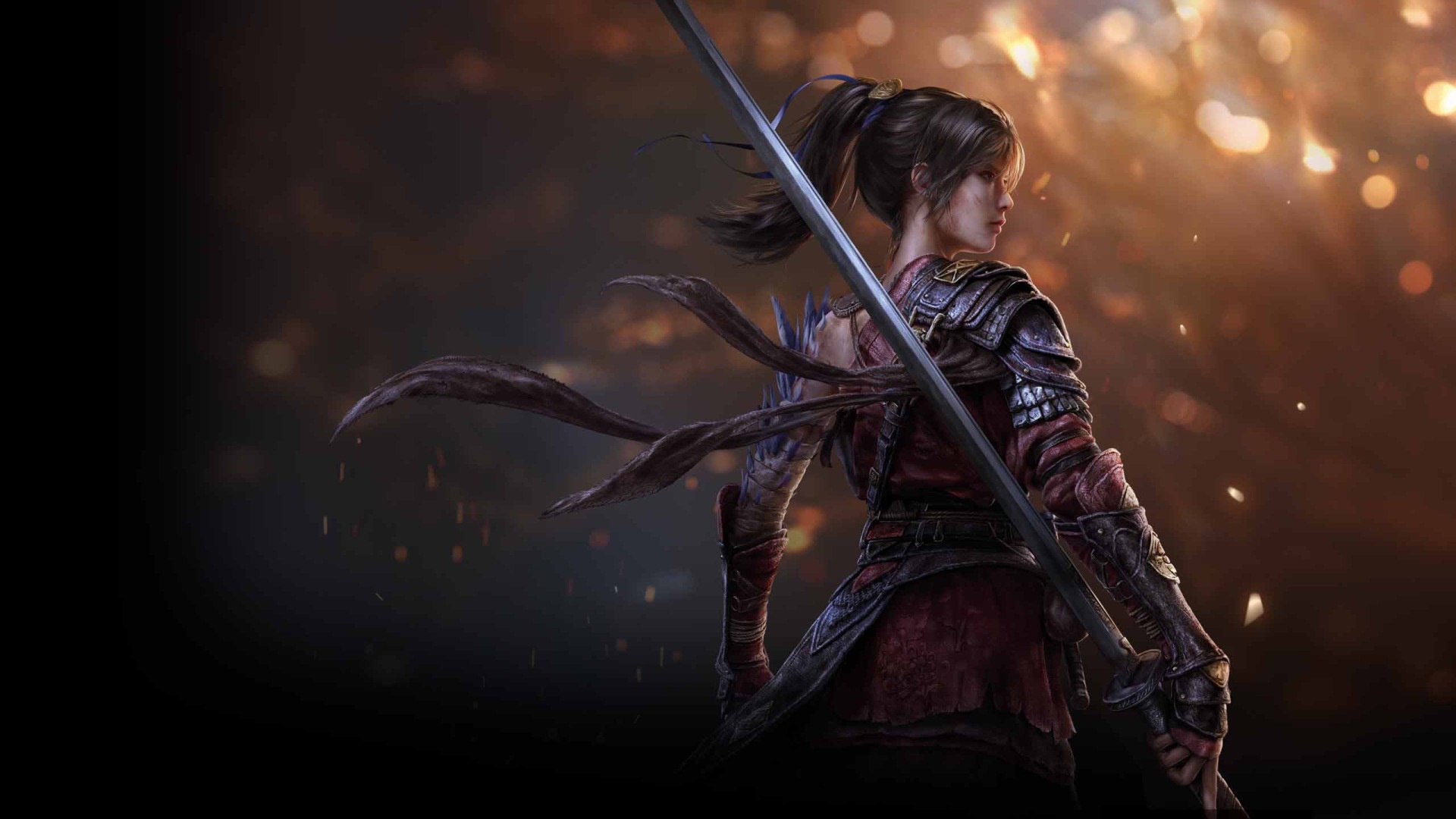
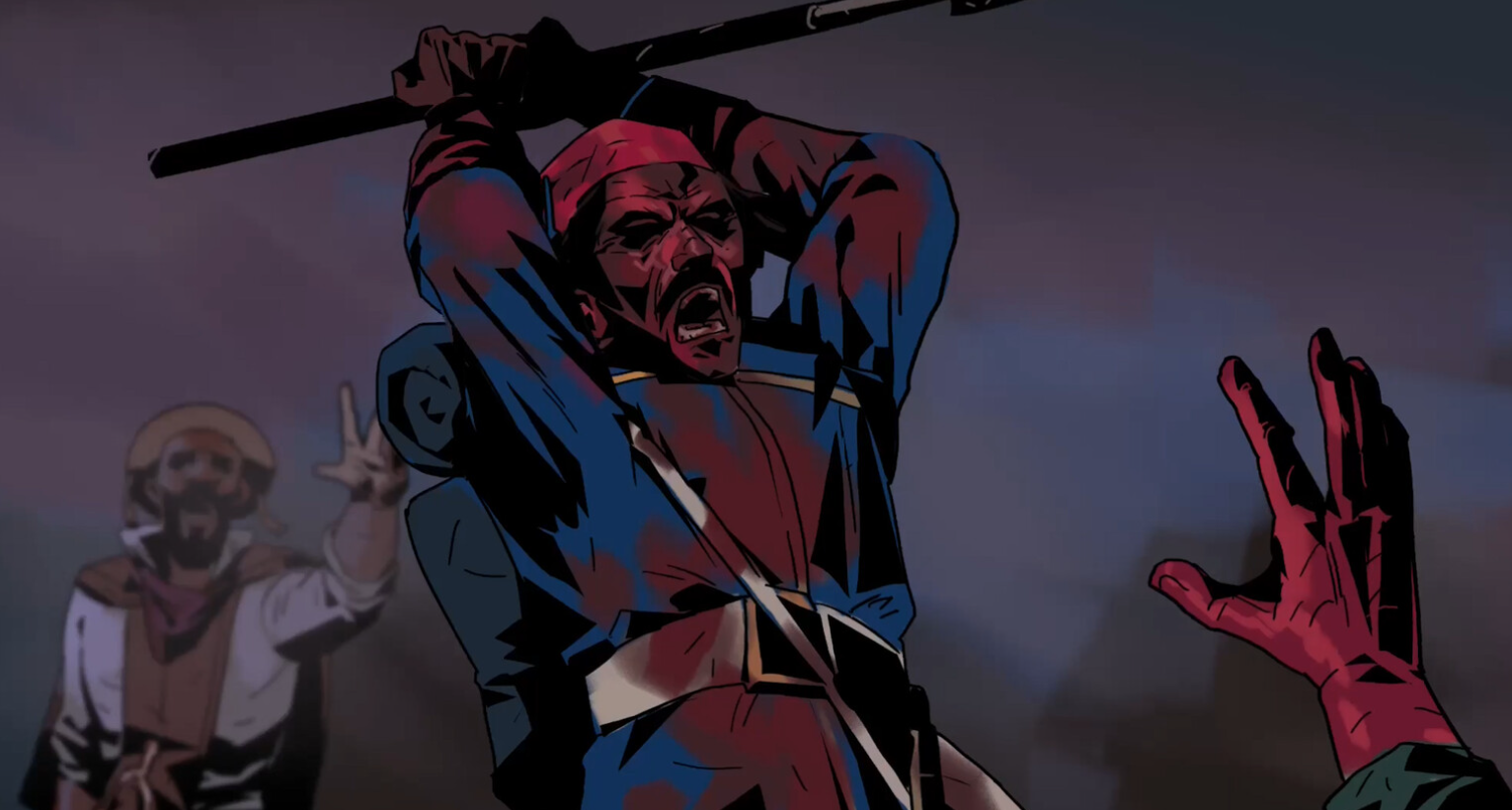
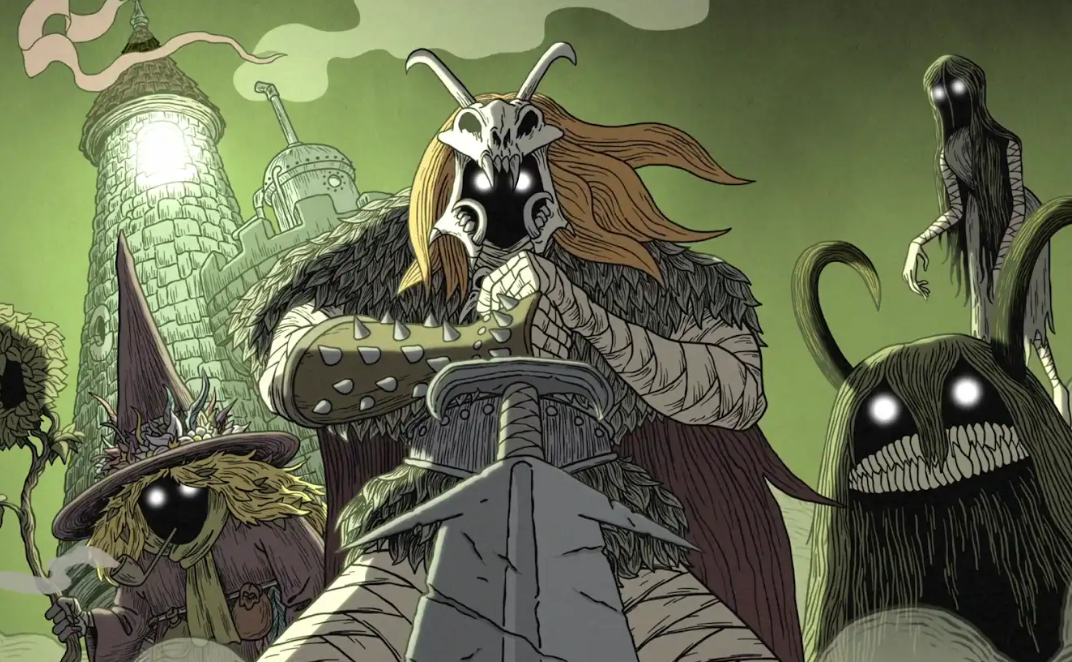
FA: Of course, the L5R franchise is our main inspiration, but we also looked deeper into its cultural elements. In the art department, we looked into feudal Japanese art to draw inspiration from both humans and monsters. This is also where the inky style derives from, namely the art form of ancient Japanese calligraphy. For colors and themes, we referenced Akira Kurosawa’s fantastic movies, such as Seven Samurai, Throne of Blood, and Ran.

In the music and sound department, we want to properly portray the Japanese instruments of taiko drums and koto harps, to give the Crab Clan its first official music theme, named after their motto, “Courage Duty Sacrifice.” The Shadowlands has been given a disturbing ambiance to reflect the horrors and corruption that delves within it.
Lastly, we wanted our characters to feel alive, so we finally gave them a voice. Our main characters are fully voiced and acted by fantastic talents such as Todd Haberkorn, Suzie Yeung, and Dave Fennoy.
Together, these create an immersive world that we hope both new and old fans will appreciate.

RL: What other works have informed or influenced your design plans, from both gaming and beyond? Are there any stand out inspirations, or is it more a little bit of this and a little bit of that?
FA: I’ve already mentioned a bunch or hinted at it, but I can talk about my main inspirations regarding the specific feeling I wanted this game to invoke.
Hades is probably my primary example of how a “hack’n’slash” roguelite could become one of the most celebrated games of recent times. Despite its intense depth and complex mechanics, it is very approachable and masterful at demonstrating how “death” is just a step in the grander adventure.
Slay the Spire, in the same sense that a “strategic card game” could become a mainstay in a “pick it up at lunch” game or a binge-able hours-long journey.
Darkest Dungeon is a masterpiece in how a theme can ooze through any game mechanic. It is potentially not for everyone, but no one can deny its thrilling theme.
Lastly, I would personally draw a parallel to Game Of Thrones as that vast, deep political fantasy world would be complex to sell to many if you started in King’s Landing. However, they introduce the universe at the Wall, showcasing the more significant threat at play, giving a frame to all political scheming that is to come. Shadowveil can do the same!

RL: With launch coming up, what plans have you got for the future?
FA: Our main priority is stability and optimization. We want as many players as possible to experience the game.
As we move past release we want to make sure we listen to what players want to see in the game moving forward. Hopefully with enough support we will be able to continue to also add more content to Shadowveil, for which we have some ideas.
But that is something that we will investigate post launch!
RL: Thank you for taking the time to answer our questions! Now to save you scrolling back up for the link, head this way for the Steam page and the demo version of Shadowveil: Legend of the Five Rings.