Every now and again it’s good to just kick back and be bad, right?! I’ve enjoyed some memorable moments when playing on the dark side, whether that be in classics such as Dungeon Keeper, something more gently antagonistic like the excellent Untitled Goose Game, or a roguelike where you get to be pure evil, as is the case in KeeperRL.
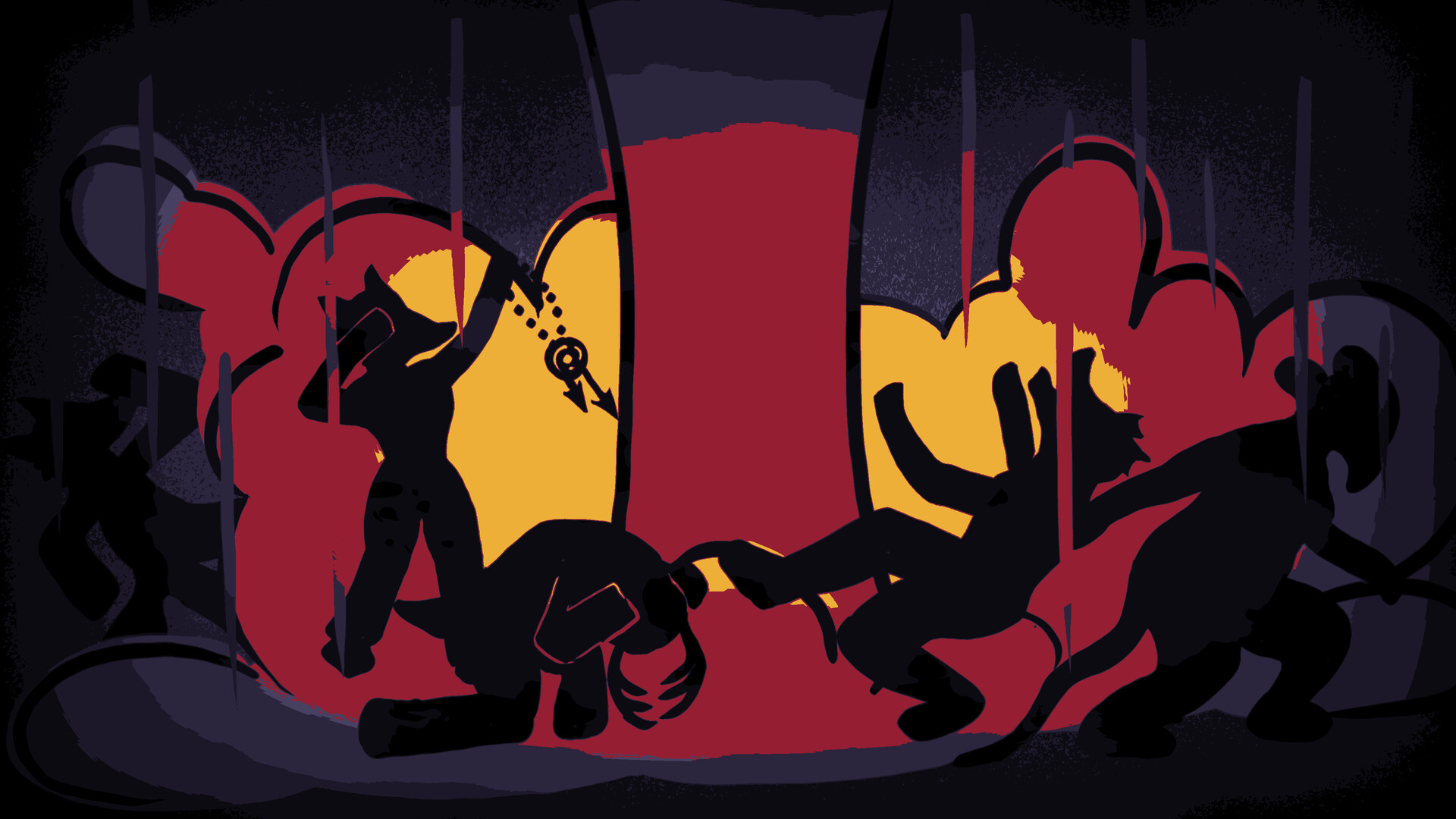
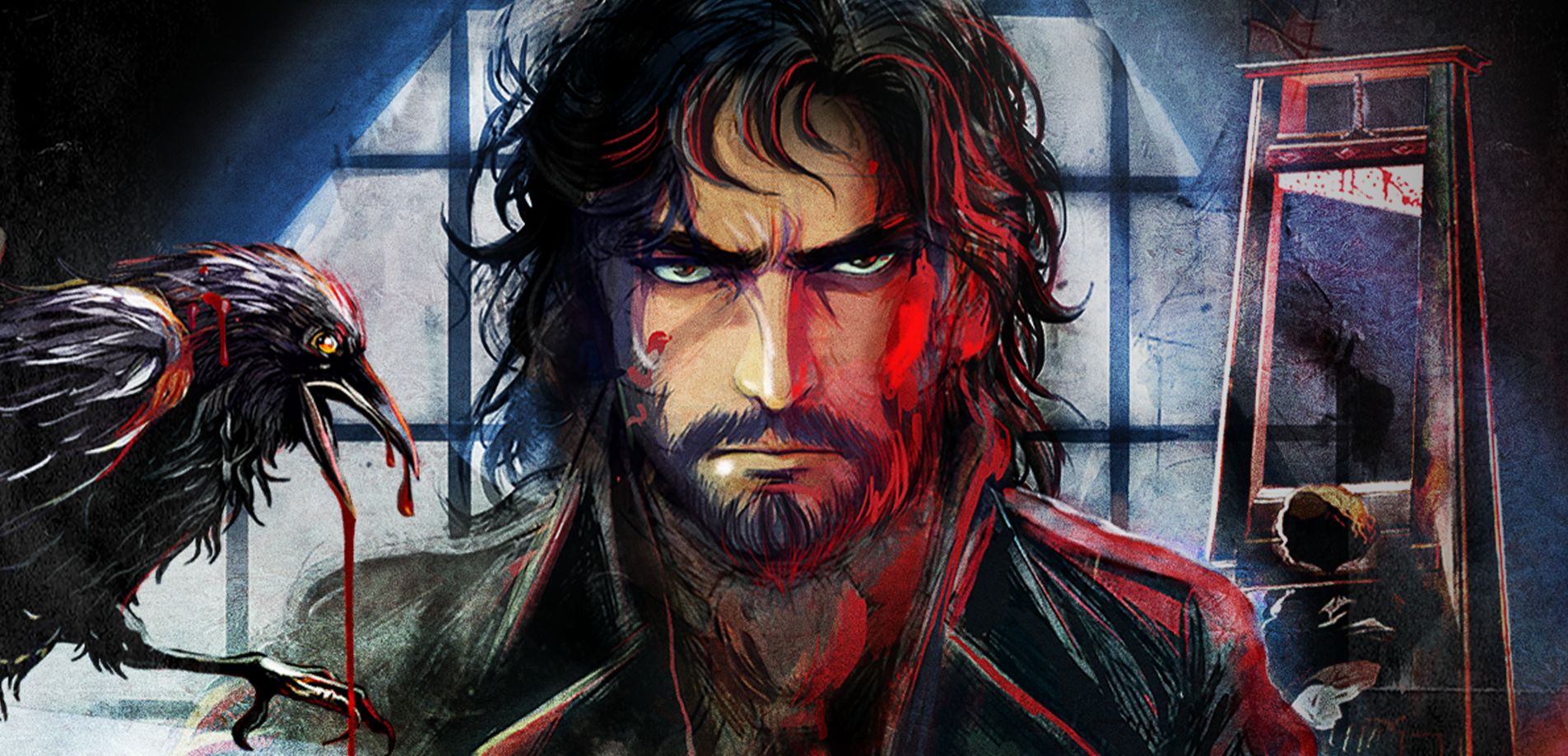
Being bad is at the heart of The Deadly Path, a new and upcoming roguish strategy game by Owlskip Enterprises and Fireshine Games, wherein you have to build an underground lair on a series of procedurally arranged square tiles, and then destroy any would-be heroes who turn up on your doorstep.
What makes The Deadly Path so naughty?
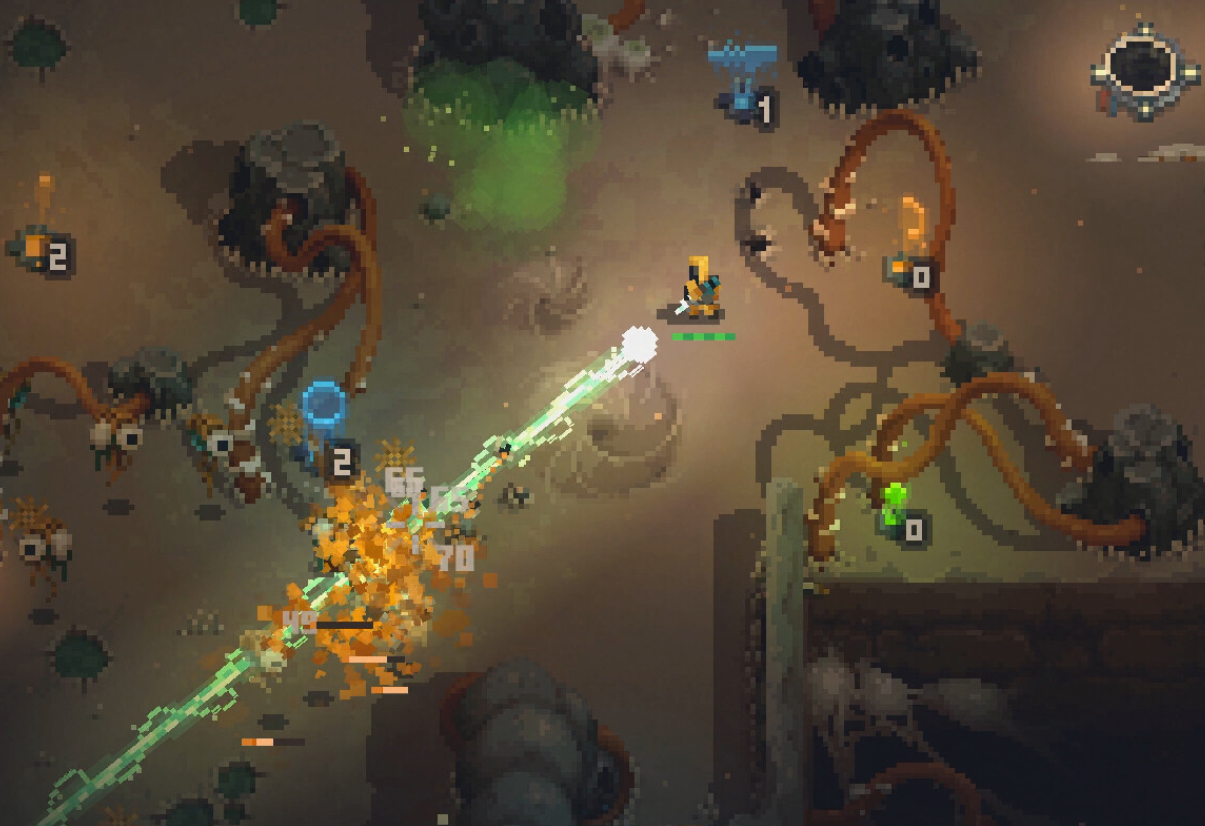
The aim of the game is as described above: you need to expand your underground base by digging out caves, building evil facilities to further your nefarious aims, and positioning your evil minions where they can best serve you.

By exploring new caverns you discover more resources to fuel further expansions, and all the time you must survive incursions from heroes and regular “killing moons” where your costs shoot through the roof. Don’t pay your bills once and you get a warning. Don’t pay them twice and it’s death for you – it’s capitalism at the sharp end.
It quickly gets busy and it’s a case of balancing expansion with your otherworldly needs, with objectives that guide your overall approach ticking along in the background. Your base starts with a throne room in the centre, but you must expand outwards, discover new resources to exploit and places to build the various facilities you need.
Different tiles have their own upkeep costs, and eventually resources will be exhausted, forcing you to relocate your minions to new tiles. Your base is constantly evolving as you push your units around the board, and I actually thought that TDP captured the spirit and energy of classic RTS base-building. Another point of comparison is Cultist Simulator as almost everything is on a timer – it’s all about staying alert and working towards the optimum route to victory.

Time pressure also comes into play during combat, which I thought was refreshingly simple (although I daresay some might find it too simple – a difficult balance to strike). You create defenses on the tiles next to any entrances that you uncover during your excavations. A timer then starts and the entrance is given a value. You then have to send the required number of units to match the assigned value before the timer runs out, otherwise those pesky good guys will start tearing through your base until they get to your throne room.
The playtest and the path ahead
Even within the confines of a specific character and playstyle, there appears to be room for nuance and experimentation. Different tiles can house different buildings, depending on your needs at the time. Low on the bones needed for construction? Set-up a scavenger hut instead of the slaughterhouse needed to generate flesh.
You can also upgrade your base units, morphing them into different creatures. These new units offer further optimisations: skeletons, for example, are the standard, but if you upgrade them into ratmen, they’re better a scavenging bones but not so at harvesting flesh.
The resources you gather facilitate the addition of new buildings. The more advanced buildings, many of which I haven’t seen yet, are gated by different “ages” and therefore only available after a certain period of time or when particular conditions are met. Everything seems to be carefully paced, based on what I’ve seen so far.

The demo that I played on Steam included a tutorial and the first evil overlord – Roiann The Blightcaster – who is themed around pestilence and plague. There are several more to come in the final version, which bodes well for the longevity of the game. It also looks like there are going to be plenty more unit types that aren’t in the demo – another reason to hope for diversity from each new run.
I could go on, but we’ll save the deeper dive for when the game is finished. It’s currently slated for release on PC, although “when” is still shrouded in mystery. I look forward to returning to The Deadly Path when the time is right for evil to prevail, whenever that may be.