I’ve covered a bunch of video games in my time, and Australia Did It has one of the more unusual titles that I’ve come across over the years. This left-field name relates to the backstory that underpins this quirky little indie tactics game, but it’s also a great conversation starter and an excellent way to segue into what it’s all about.
So what is Australia Did It all about, then?
Let’s start with the setting and how it relates to that wonderfully odd title. You’re almost certainly asking: What did Australia do, Mike?
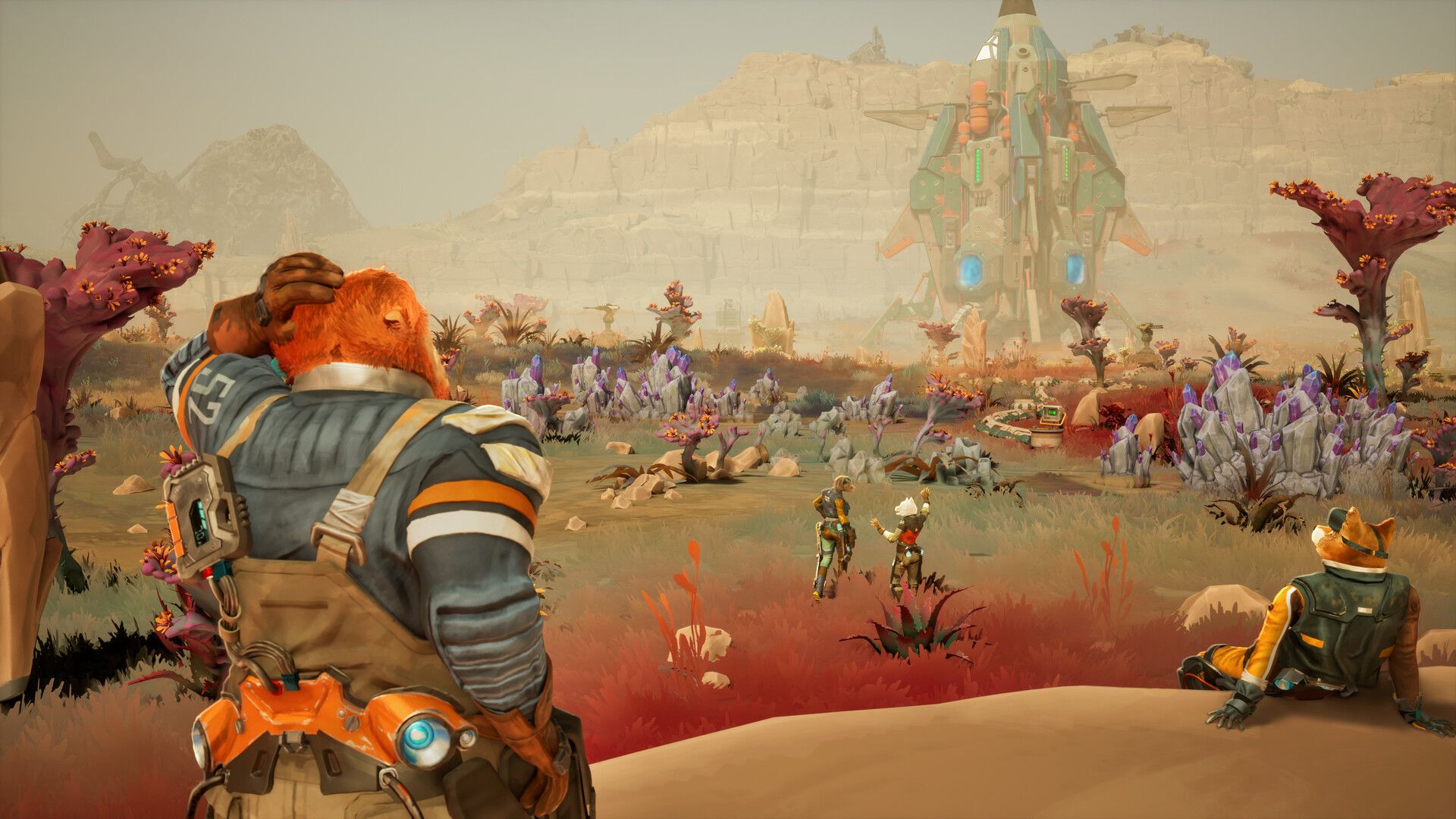
Well, Dear Reader, those pesky folks Down Under might have accidentally caused the Atlantic Ocean to drain away. In this futuristic tactics adventure, you must navigate the newly revealed ocean floor, now a desert intersected by train tracks and also stuffed full of things that are going to eat you if they can.

The game is split into two main gameplay sections. On the one hand, there are tactical battles that take place across an interesting four-lane setup. Each base has four walls, and there’s a conveyor belt that lets you rotate your units around it and line up your shots. Using a small team of mercenaries, you must defend your temporary base and your parked train, fighting back threats from multiple directions.
On the other hand, the turn-based battles are connected by sections of gameplay wherein your units are made available as weapons to use during transit. Your train moves between stations, and during these bursts of motion, you must fire the right unit at the right time to fight off swarms of mutants in short, intense real-time battles.

Fusing different ideas
While it’s important to note that Australia Did It isn’t actually a roguelite, it does share a few core themes and ideas. One of them is the tactical, turn-based gameplay, and the other is the harsh punishment for failure, where your most precious units can easily be lost to the onrushing mutant horde.
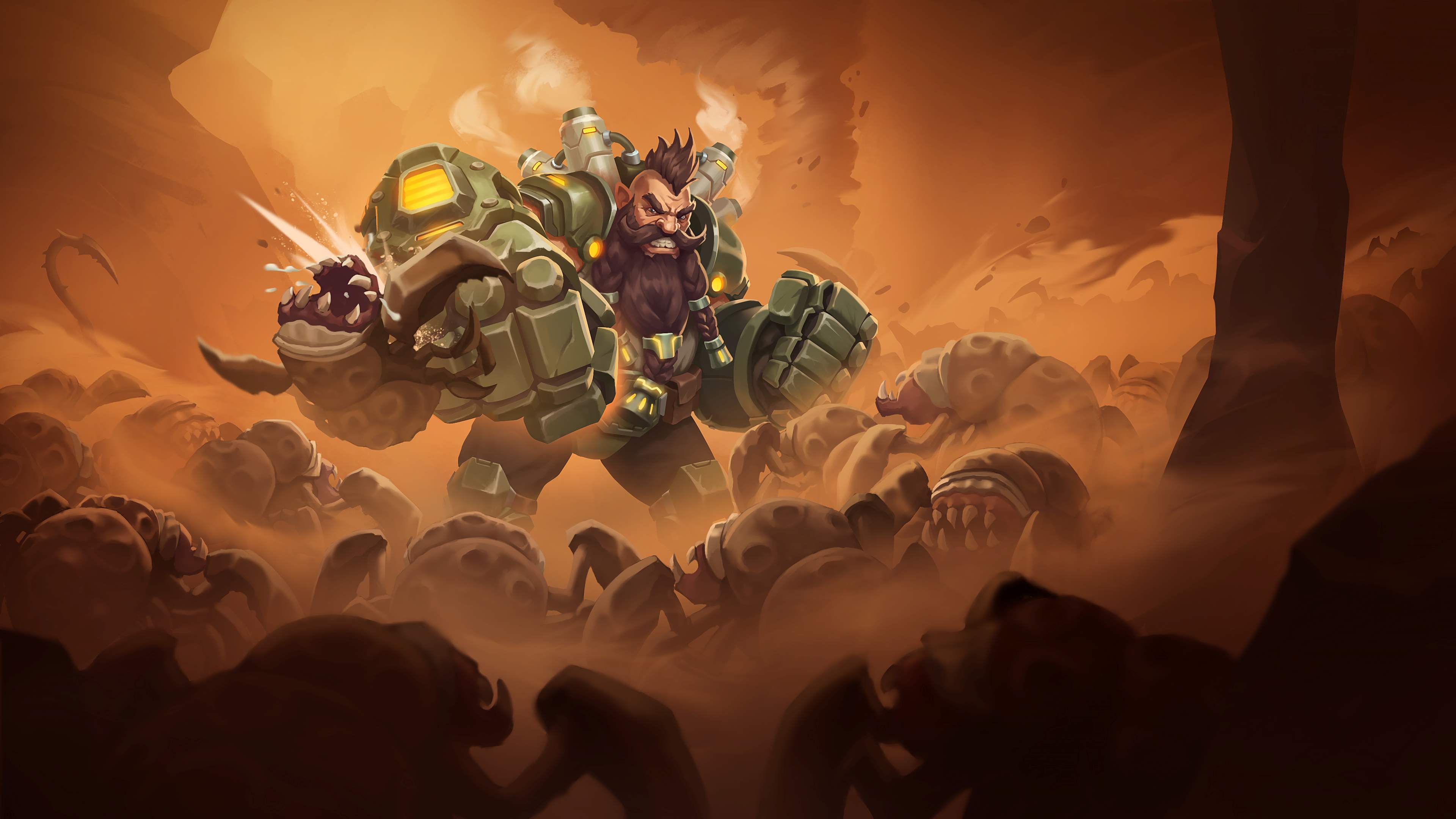
The mechanic that has me really interested, however, is the merging system, which isn’t really roguish at all. Throughout the campaign, you recruit basic units, but you can merge them with units of the same level, creating new, more powerful units.
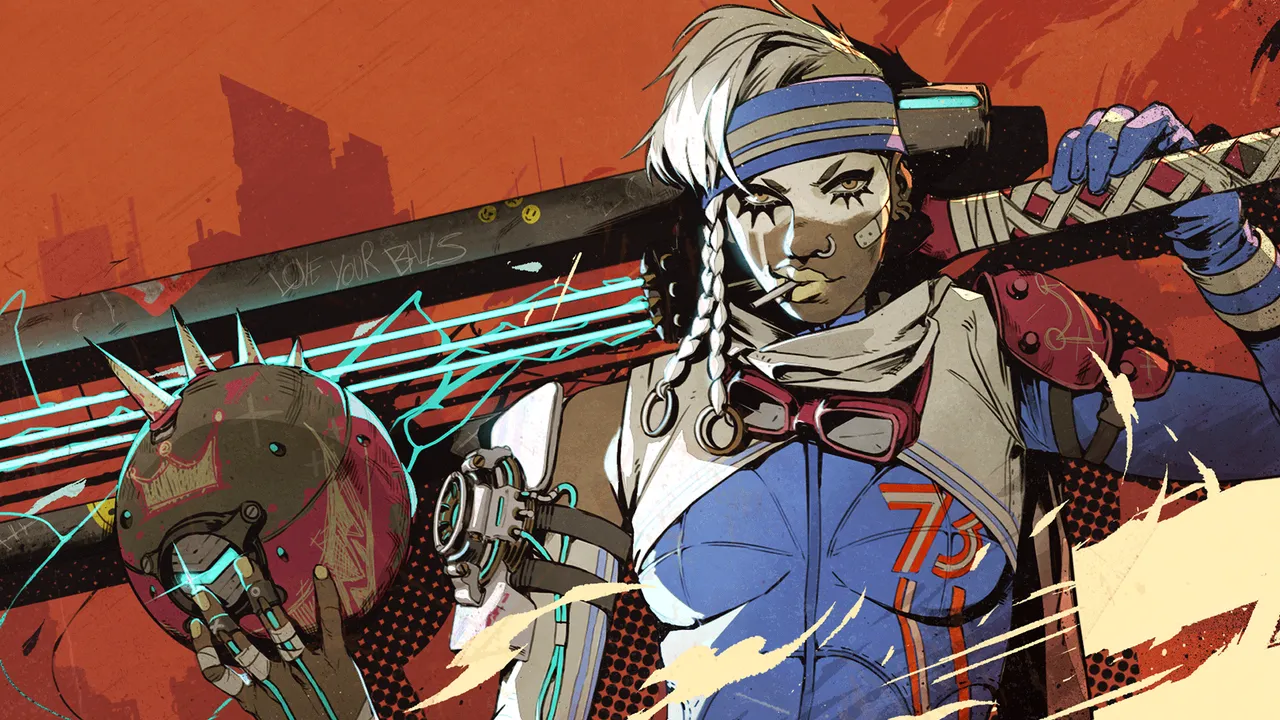
Different units have their own traits, but as you combine them, they evolve and become more powerful. And so, depending on how you’ve combined your various units, certain traits become dominant, and your team starts to take shape.

For example, it doesn’t take long in the tutorial part of the game before you’ve unlocked a rocket launcher, which happens after combining damage dealers with knockback traits. It quickly becomes clear just how much potential there is in this system, and there are several levels to work through and combine in different directions, which in the end creates a large pool of potential synergies. Consider me intrigued.
Playtest Impressions
Alas, friends, I’ve not been feeling great, and my hands-on time has been a little limited. However, I’ve seen enough to pique my interest, and I’m sure that I’m going to play more as the game approaches launch, whenever that will be.
Over on the Steam page, developers Rami Ismail and Aesthetician Labs describe Australia Did It as “Turn-Based Tower Defense meets Reverse Bullet Hell”. I certainly see what they’re trying to describe with this terminology; however, for me, while it stirs some interest, it doesn’t highlight the most fascinating thing about the game, and that’s the tactical possibilities of merging high-level units to get cool new toys to play with in your fight against the mutants of the future.
I’m going to keep chipping away at Australia Did It, because I’m really intrigued by its blend of turn-based combat, action gameplay, and character development. Rami Ismail’s track record speaks for itself, and I’m really glad to see that he’s working with a publisher (Mystic Forge) that is prepared to get behind his vision. Based on my earliest impressions, and given how Mewgenics is currently wowing everyone with its trait-blending tactical gameplay, I don’t see any reason why Australia Did It won’t be similarly entertaining.