I do enjoy a good physics-based roguelike, especially when there are lots of satisfying interactions and interesting decisions to make. The latest to grab my attention is Blunderworld, a new game by Hidden Roll that launched on PC (Win) last week.
What is Blunderworld?
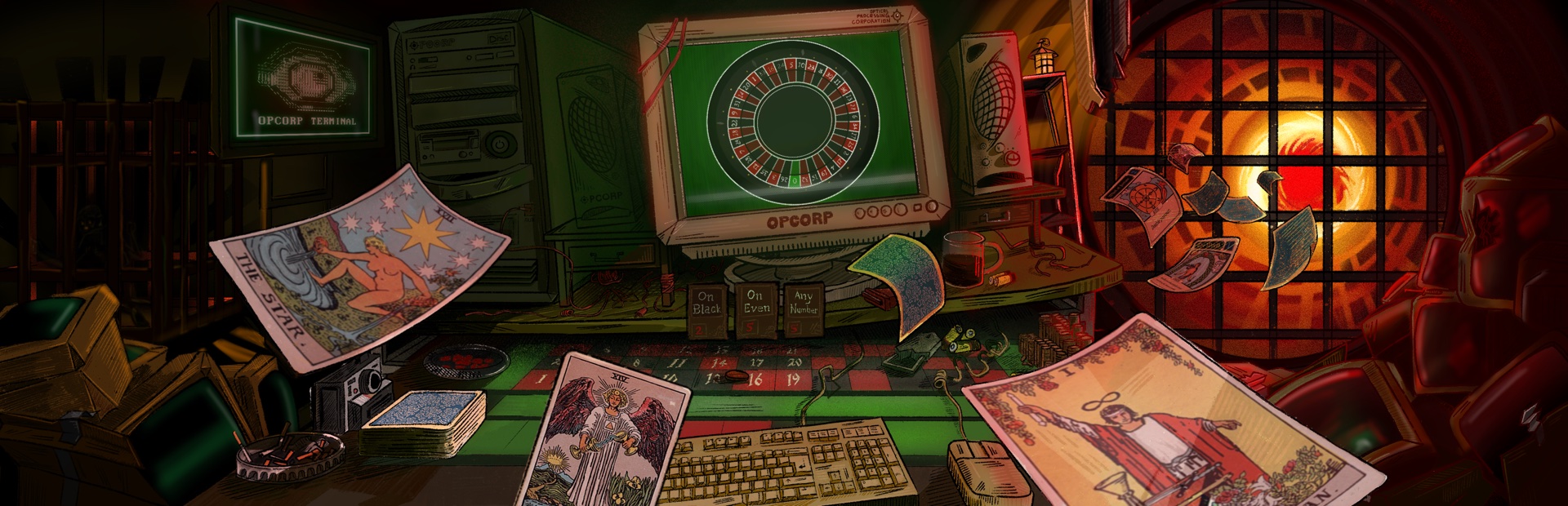
I’m really not sure what the title means, but it’s catchy, and it’s the chosen label for this game about flinging a disc around a small arena in a casino in Hell. Just your standard abstract roguelike, then.
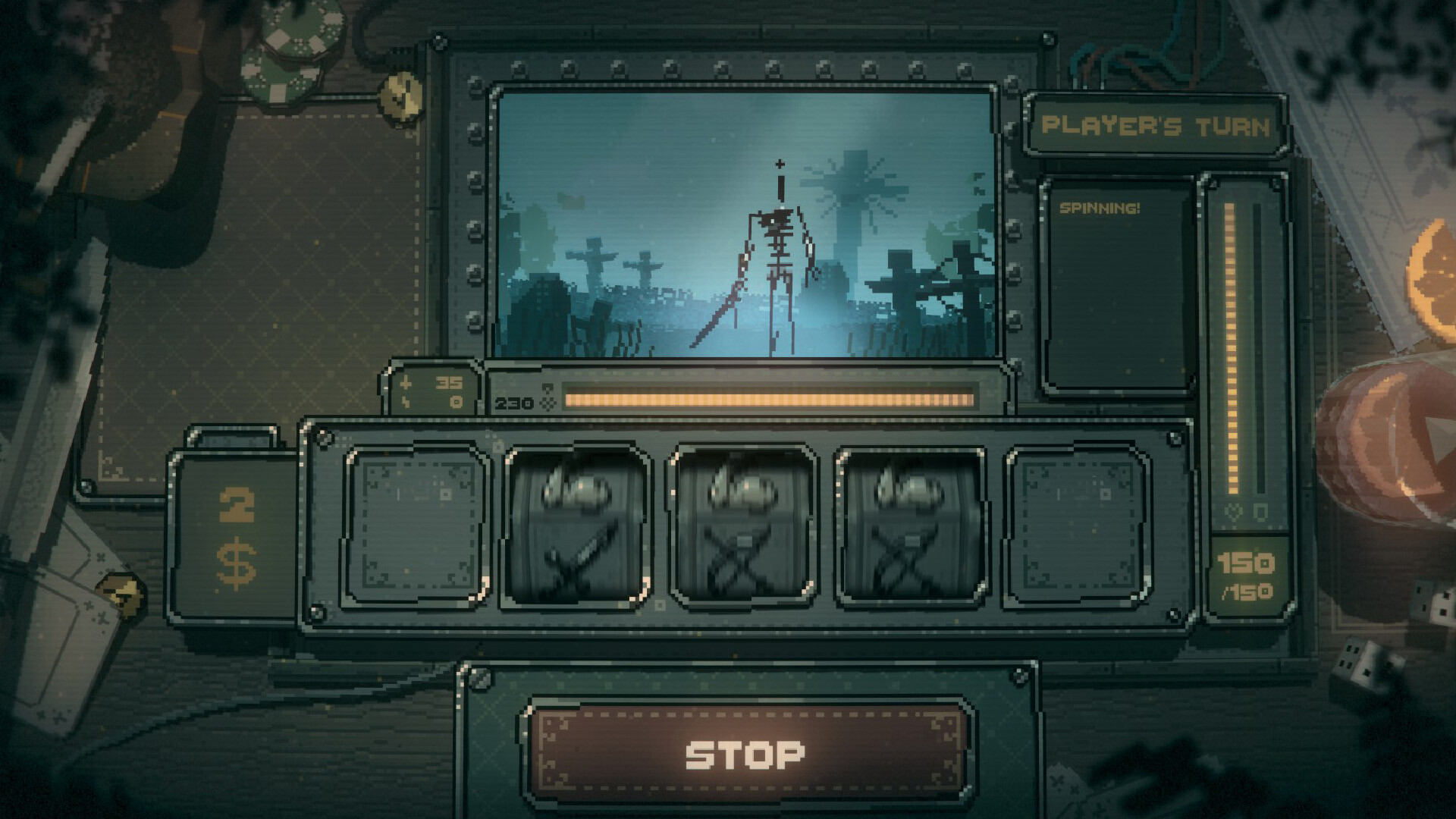
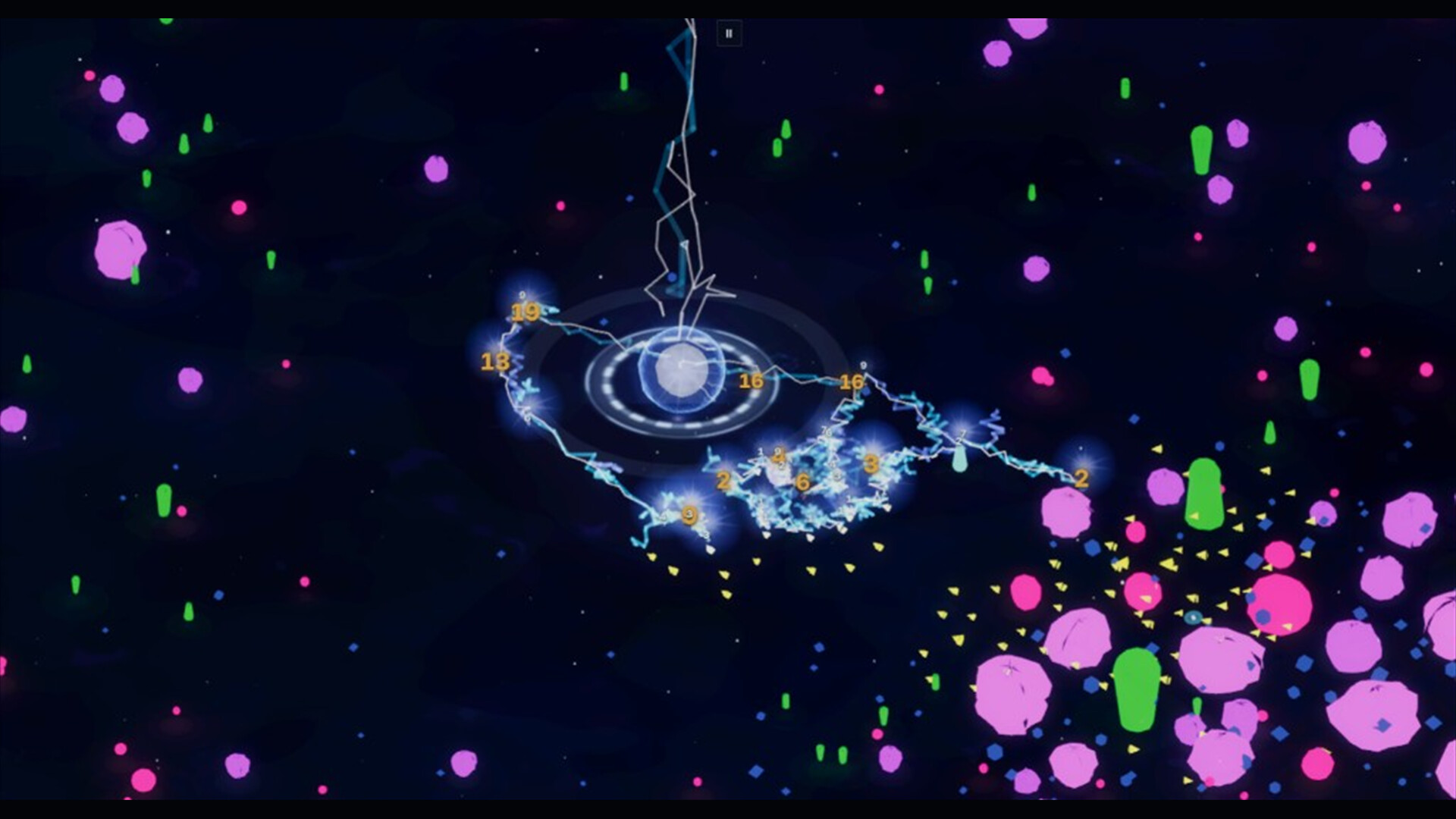
The gameplay loop is the core of Blunderworld, not the theme, and it’s here that Hidden Roll has delivered. It’s all about using your aim and in-game physics to smash other discs/targets off the table you’re playing on, at the same time as doing secondary actions that boost your multiplier.

There’s much more nuance to it than that, and we’ll get to that shortly, but these trimmings all work to serve the core gameplay loop, which is physics-based air hockey with a bunch of Hellish twists.
Why are you in Hell, then?
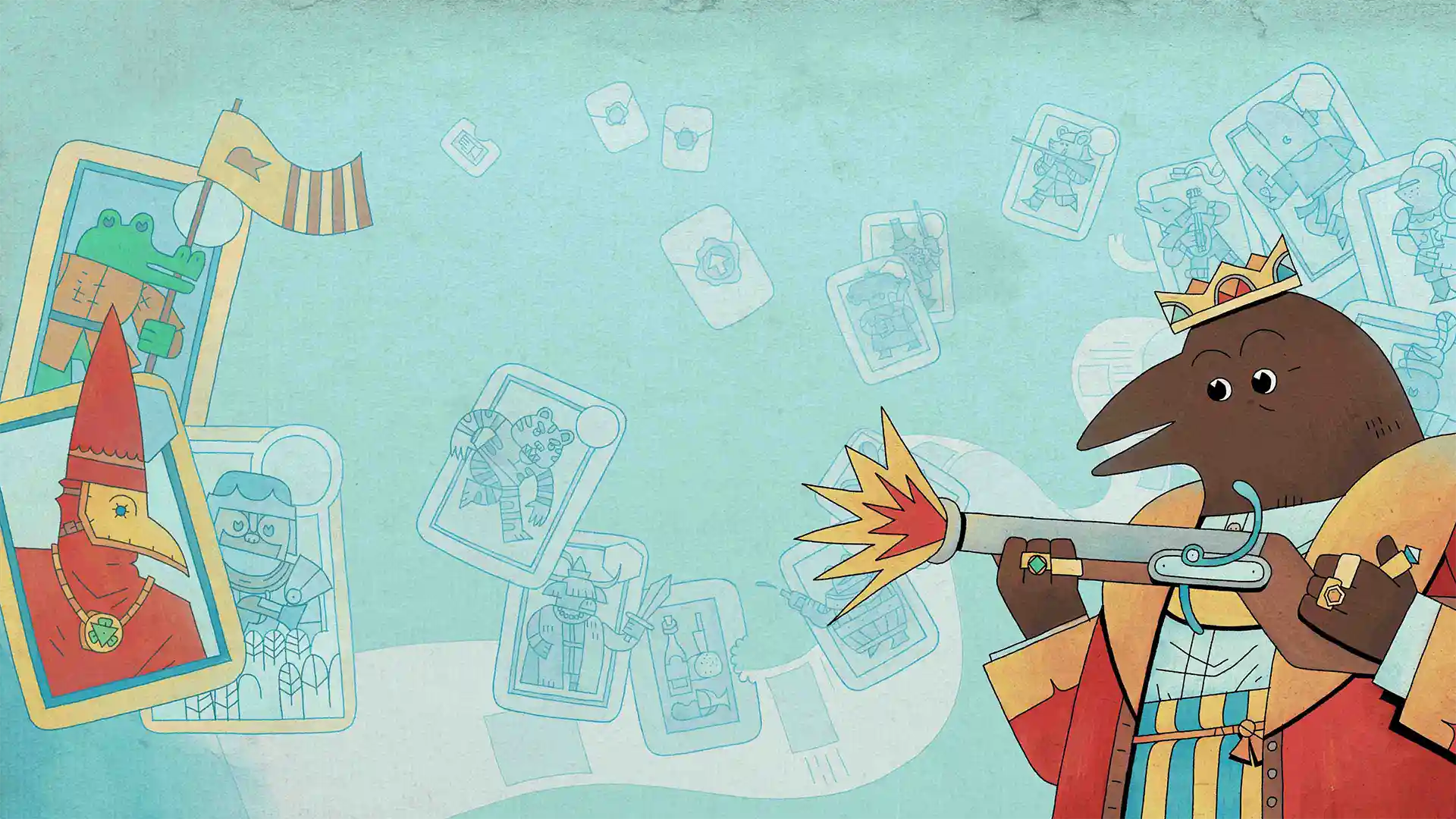
There’s some story about binding your soul to your Opus – which also happens to be a celestial air hockey disc – and then using said Opus to take over Hell. It’s a very silly setup, but it’s quite fun, and I like the different bosses, which are styled against the seven deadly sins and are used to showcase the humour of the devs.
Not only do you battle Sloth and Wrath, but you can visit a shop between runs, gamble at a roulette wheel, and purchase upgrades from a shop. It’s here that I think Blunderworld needs a little work, because it took me way too long to figure out how everything worked based on the descriptions.

The reason I’d like a bit more clarity is I think it would encourage greater experimentation with the game’s toolkit. At the moment, I end up sticking to what I know, because finding synergies that work isn’t always easy. Having said that, I think it is also challenging because there are only five main ability slots, a design choice that ensures every decision you make is super important.
Twisting and turning
I mentioned gameplay twists earlier, and there are several really interesting ways that Hidden Roll has made things challenging. The first is the ever-changing structure of the arena. Some are empty, some have awkward shapes, some have moving parts, and others have obstacles relating to the boss you’re up against, such as areas of effect that slow you down.
Your Opus-disc slides across the table, smashes smaller enemy discs off the board, and for that, you get souls. You can then equip so-called pacts that summon new targets or add the all-important multipliers. The aim of the game is to bulk out two numbers, one related to the discs you knock off the board (souls) and the other being your multiplier (albedo). At the end of the fourth round, one is multiplied by the other for your final score, which needs to be better than that of your opponent.

Pacts are the quickest way to build up those numbers, via secondary actions that affect the board, and by adding new targets for you to hit. For example, you might have it set up so that you: get bonus souls for taking out any summoned enemy targets, there are little explosions going off every second or two, plus every third time your Opus hits the wall, you then get a small boost to your multiplier.
Is it a Blunderworld, though?
I’ve played several hours of Blunderworld in between other games, and I have to say that I’ve found it to be a great palette cleanser between more intense action games. The gentle pacing of the core loop in Blunderworld makes it rather relaxing, I thought.
Having said that, the relaxing gameplay doesn’t always soften the pain of defeat, and there’s work to do if you want to evolve your game. On that front, there is a whole bunch of depth just waiting to reveal itself, and although I don’t think it is always well explained (and maybe that’s just me) I did have fun working it all out.
I’ve not completed the campaign yet, but when I do, there’s a challenge mode waiting for me, with new bosses and mechanics, so there’s plenty of game here, and it’s very reasonably priced. If this weren’t such a busy time of year and if I wasn’t getting crushed under the weight of all the exciting new roguelikes and roguelites out there, I’d be playing this a lot more – it’s hella good.