I’ve just had to accept the fact that I’m going to be running behind for the entirety of this month, as there are so many cool games hitting Steam in November.
The latest case in point is too good to go under the radar, so let me tell you about the new deckbuilder I’ve been playing this week, which released on PC just yesterday.
What is Corpus et Spiritus, then?
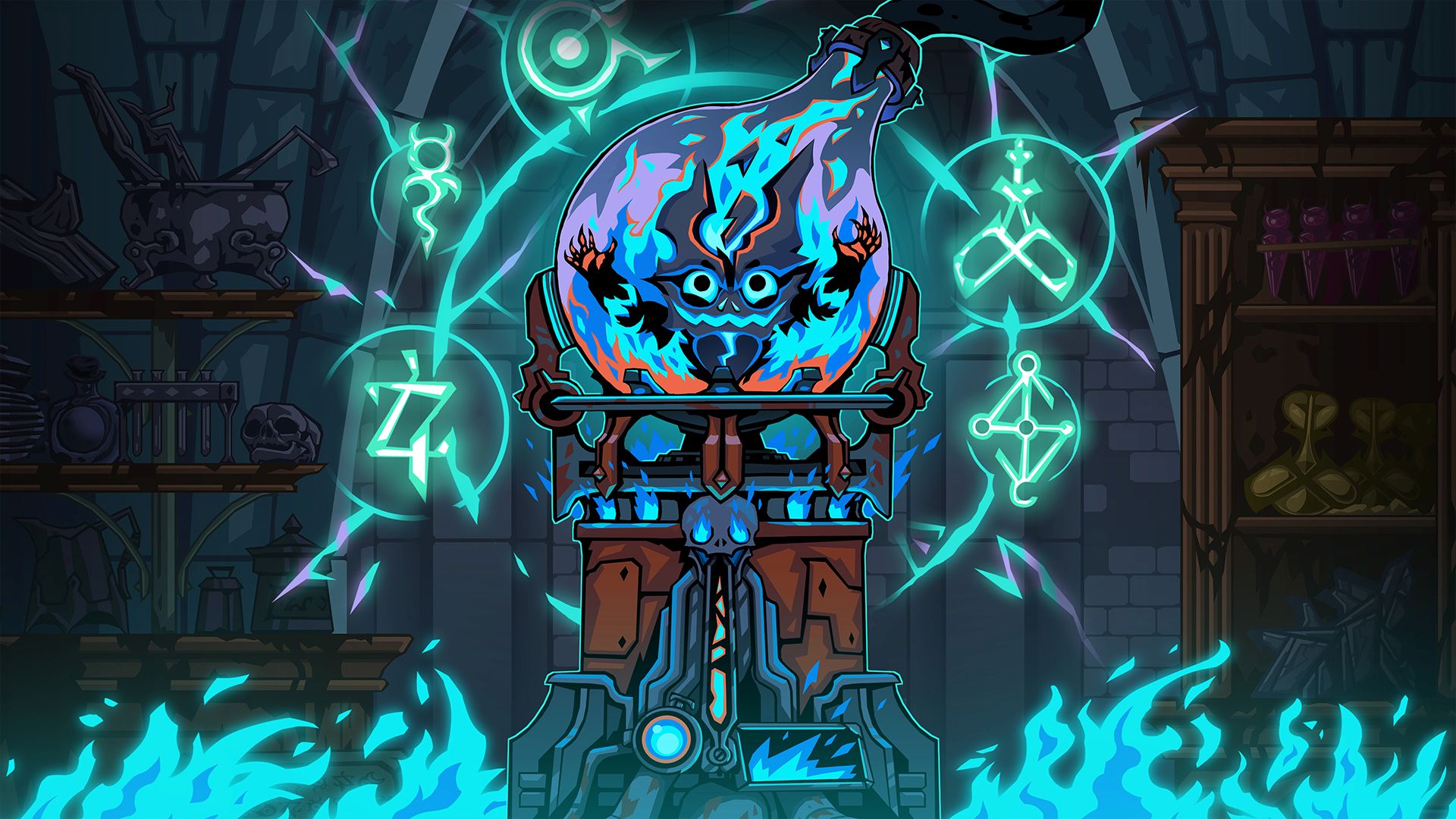
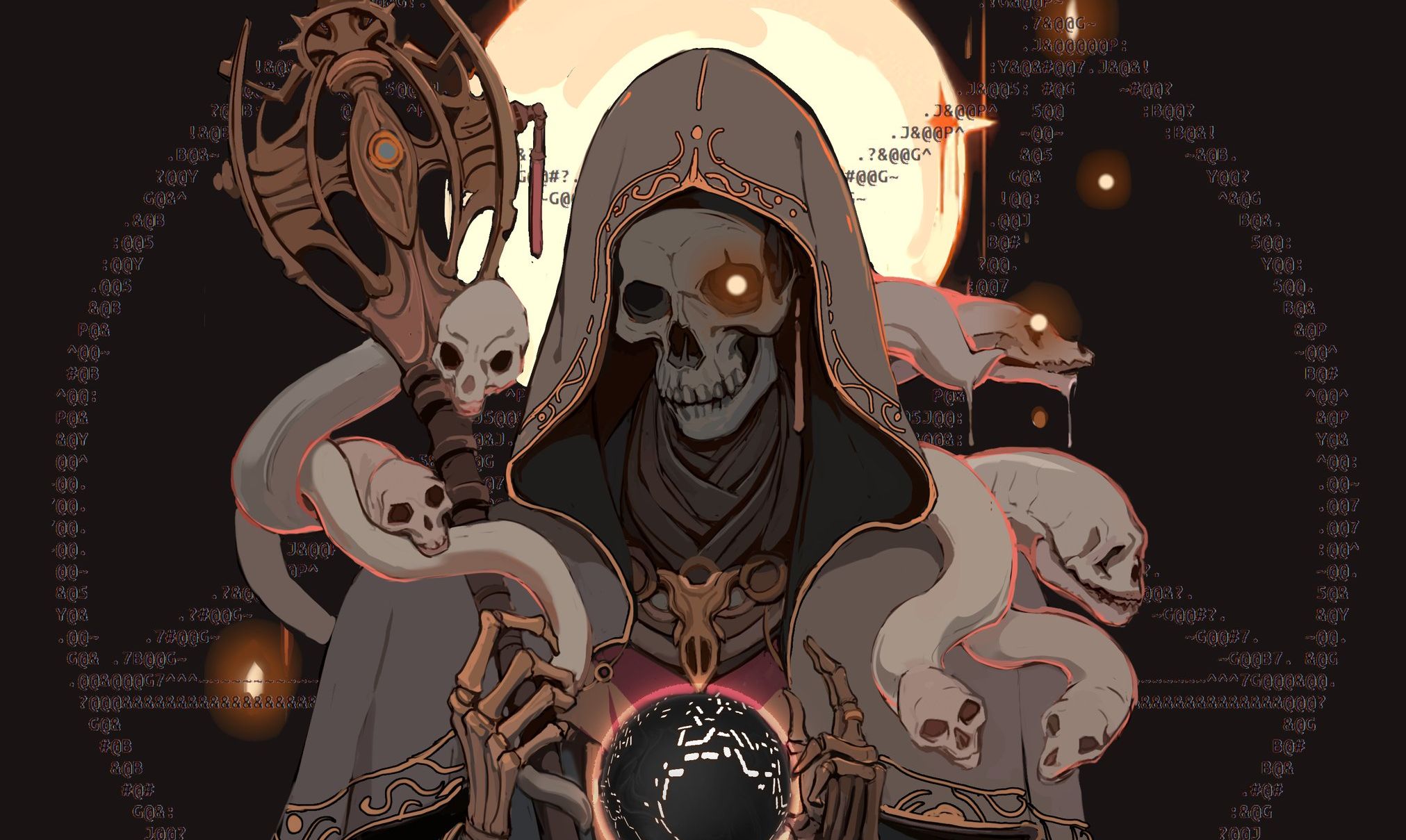
I’m glad you asked, Dear Reader, because I intend to tell you! Corpus et Spiritus is an alchemy-themed deckbuilder where you’re playing against and with a little demon fella who is trapped in a giant glass bottle, called the Homunculus.

This chipper little demon dude spends the whole game negotiating with you, and the decisions made will directly affect your run and determine who will go free and whose soul is left trapped.
Unlike most games, you have four different health bars to manage. I use the words “health bars” quite incorrectly there, because only one of them reflects your physical health. However, if any one of them runs out, you’re fecked.
There are three different things to keep in check, and they relate to your health, the number of cards you draw, and the number you can play. The fourth thing to worry about is time. Each round has a countdown timer, and if you take too many turns, then the Homunculus can break free and snag your soul in return.
While the other factors are constantly changing and variable, the countdown timer is linked directly to your score, and each round has you trying to accrue enough knowledge points to hit the next level before you run out of health or time. Failure to clear the score results in the Homunculus getting mad and escaping, which is bad, ok!?
There is a lot to juggle, and I’ve not even mentioned the alchemy part of the game, which adds a layer of experimentation and discovery to the deckbuilding element. In fact, I found this part of the game to be surprisingly and pleasingly engaging.

From lead into gold
Cards have both in-game functions and a scrap value, and those that aren’t played in a turn are subsequently transformed into metals that you can use in your alchemy workshop to create new cards. This happens at the end of each turn, and you must put different metals into the machine and then transform them into new cards.
Between rounds, you also get offered cards by the Homunculus. He will offer you a choice, and you must either take direct damage or allow him to weaken another of your stats. Thus, you must balance your sacrifices as carefully as possible, because if your health or intelligence falls to zero, you lose.
The alchemy mechanic is the bit that takes the longest time to warm up and get interesting, but in the end it turns out to be the most novel point of difference in Corpus et Spiritus. You’re constantly managing the resources in your hand, the metals you have in reserve, and you’re trying to develop your tactical options to cover different eventualities that arise.
Ultimately, I found it to be about making systems within your build to compensate for whatever might be thrown at you. The more levers you have to pull, the better. What elevates the tactical gameplay and gives it freshness is the tactile nature of your interactions, with the alchemy workshop in particular.
Throw in a decent level of presentation and extended depth provided by unlocks across three categories, and you’ve got a very interesting little deckbuilder that rewards experimentation and a curious mind.
Corpus et Spiritus is out now on PC (Lin, Win). I played the game via access provided by publishers Firesquid and Gamersky Games.