One of the best things about Rogueliker is that I get to play new and interesting games and then talk to the developers of said games and ask them questions about the things I find interesting about them. These days it’s often simpler to do things by email, which isn’t as good as interviewing people face-to-face, but you can’t have everything and it’s better than nothing – especially when you consider how diverse the roguelike genre is these days.
My latest interview gave me the opportunity to put some questions to Luis Wong and his team at LEAP Studios, the creators of Dicefolk, a recently released dice-based roguelite set in a world where players must summon pokémon-like chimera to fight for them in fantasy battles. The twist here is that you get to control the actions of both your creatures and those that you’re battling – although that doesn’t make things as simple as it sounds, as I discovered firsthand when I played it myself.
There’s a lot more to it than that so I’ll let the developers explain things themselves in the Q&A below, which was written by committee and has been edited with the lightest touch possible.

Rogueliker: What is Dicefolk all about, in a nutshell?
The Dicefolk Team: Dicefolk is a turn-based roguelike strategy game in which you assemble and command a small team of monster creatures. You make your way through a series of battles by giving them orders using dice you can customize.
Tell us about the influences that informed your creative ideas.
We’ve seen a lot of hybridization of the monster-taming genre with other game genres in recent years. We wanted to create our own spin, a mix between a monster-taming game focused on battling and team building, and a roguelike as a lot of our favorite games are roguelikes.
What are the best and worst things about working with dice?
Everyone knows dice and how they work. It’s a great tool for randomness generation because of how familiar and intuitive they are. It’s also always exciting and addictive by nature to roll dice, the same way it is to draw cards from a deck. However, this randomness can unsurprisingly lead to frustration, which was an important drawback when designing the game.

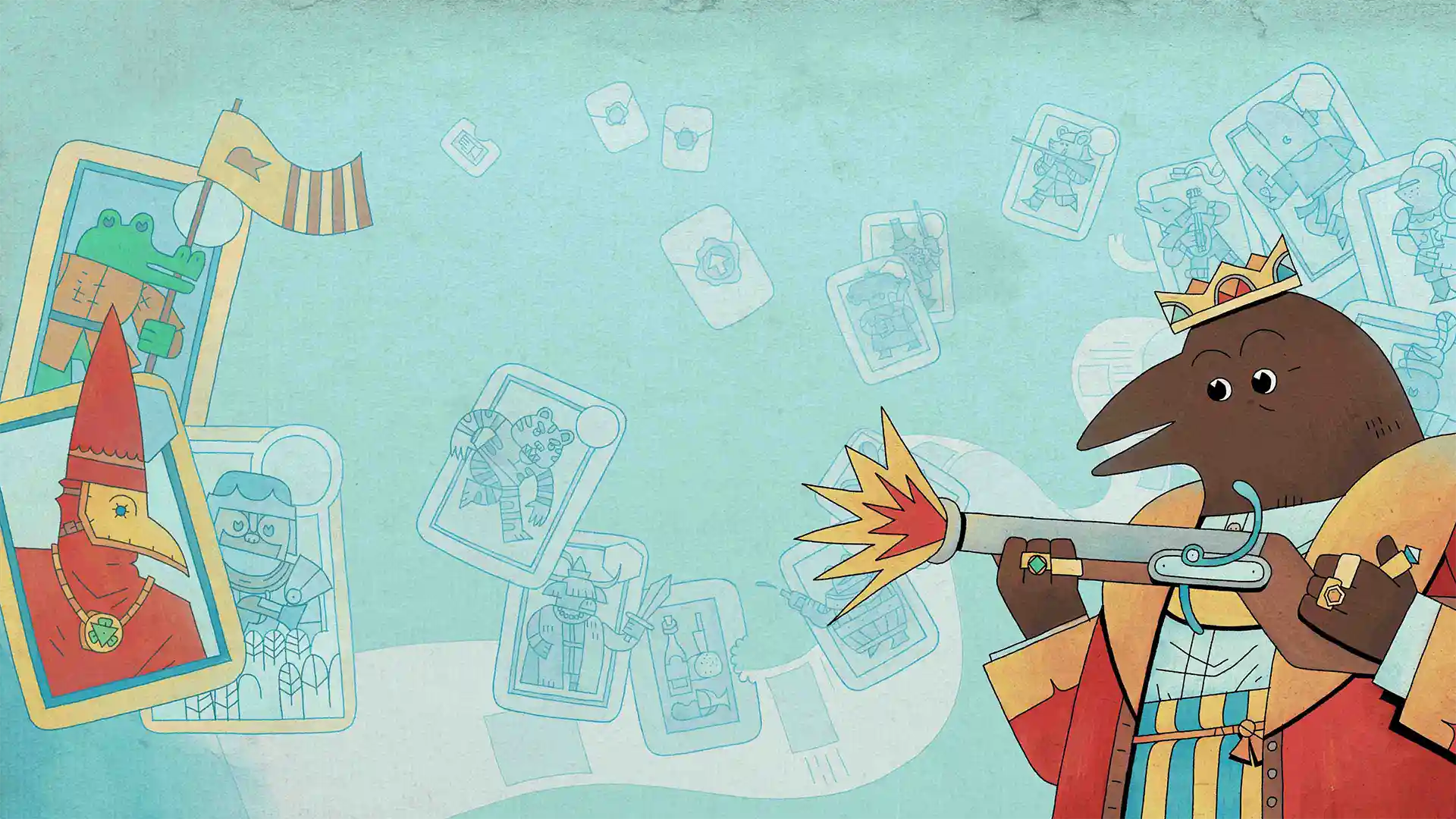
Dicefolk has a sweet Saturday-morning cartoon art style – what made you pick this artistic direction for the game?
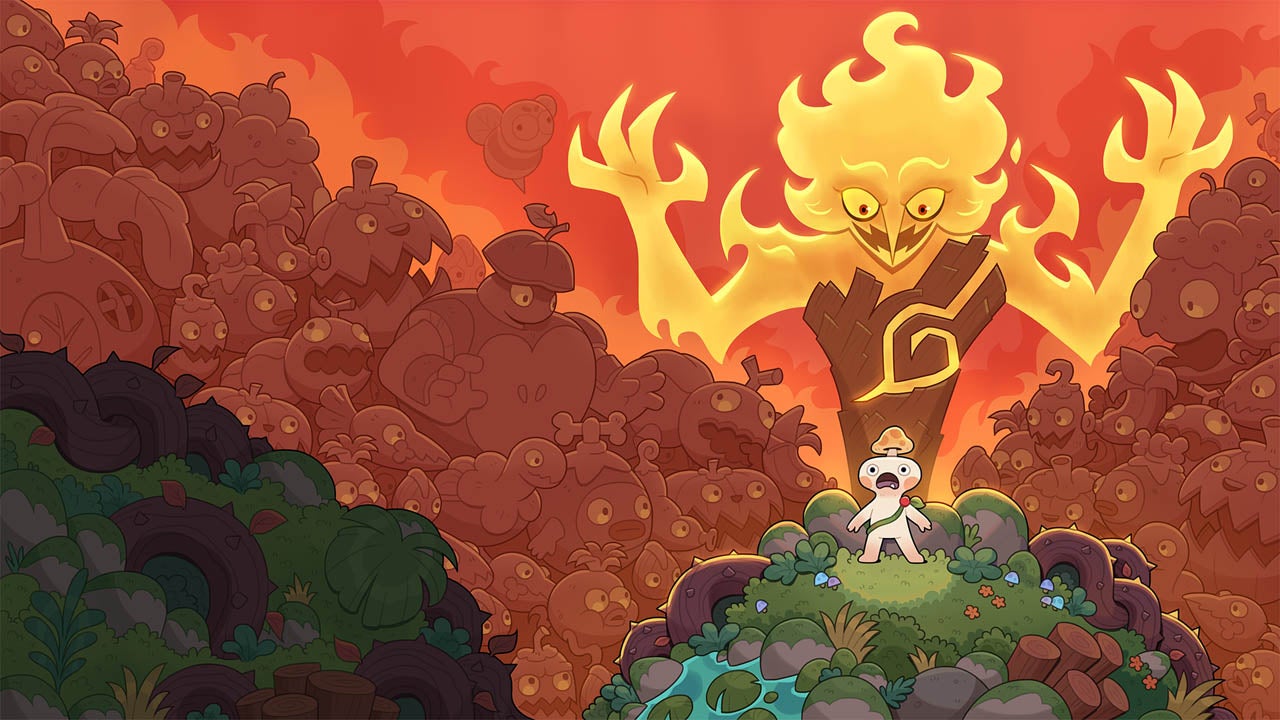
We wanted our artists to be able to create expressive and detailed sprites that would reflect the playfulness and snappiness of the gameplay. Dicefolk also draws a lot of inspiration from popular tales and folklore which we felt a hand drawn style, like the ones we could find in illustrated books or cartoons, would be suitable for.
How did it come to pass that you control both your chimeras and those that you’re battling?
This idea came from the challenges we had to face regarding counterbalancing poor luck in randomness as mentioned earlier. We wanted to offer more control to the player but in exchange they would have to do their best with the rolls they would get, including the enemy ones. It also gave Dicefolk an unexpected puzzle game flavor that we ended up adopting.

If you could go back to the very start of the process, what would you do differently and why?
Many things but mainly our approach to designing rules and systems. We sometimes wasted a lot of time trying to implement ideas that would end up being scrapped because we lacked a clear vision for the game during the early stage of development. In a way, our struggles also helped shape Dicefolk the way it is today, so if we went back in time we’d probably end up making a totally different game!
Dicefolk is already out on PC, but surely you must be eyeing up additional platforms… What does the future hold for the game in terms of new platforms and post-launch support?
The game will release on Nintendo Switch June 20th, and we are also preparing new and exciting content for the game. We are looking forward to sharing more details about this soon!
Time for a bit of housekeeping, as there is a bit of additional information that was shared in a press release that landed yesterday. From now until the Switch version lands next month, there’s a 20% pre-order discount. It’s also currently 20% off on Steam, until May 23rd, for what it’s worth.
I don’t normally recommend that sort of thing, but you can already get a good idea of the game via its Steam reviews so I think that somewhat mitigates the risk of buyer’s remorse. For what it’s worth, I enjoyed the time I spent with the game, even if it wasn’t long enough for me to write a review.