One of the most exciting roguelikes on the horizon is Gunhead by Alientrap, which is releasing on PC and PS5 on November 8.
It’s a game that I’ve had my eye on for some time, and not just because I enjoy a good sci-fi shooter. As a matter of fact, I’ve been keeping tabs on the studio since I first played Apotheon back in 2015.
The through line that has persisted through Alientrap’s work is quality visual design that elevates the gameplay underneath. That was the case in Apotheon, a game where it looked like you were playing on the side of an ancient vase.
The studio’s follow-up game, Cryptark, was a stylish sci-fi shooter that I thoroughly enjoyed when it came out two years later.
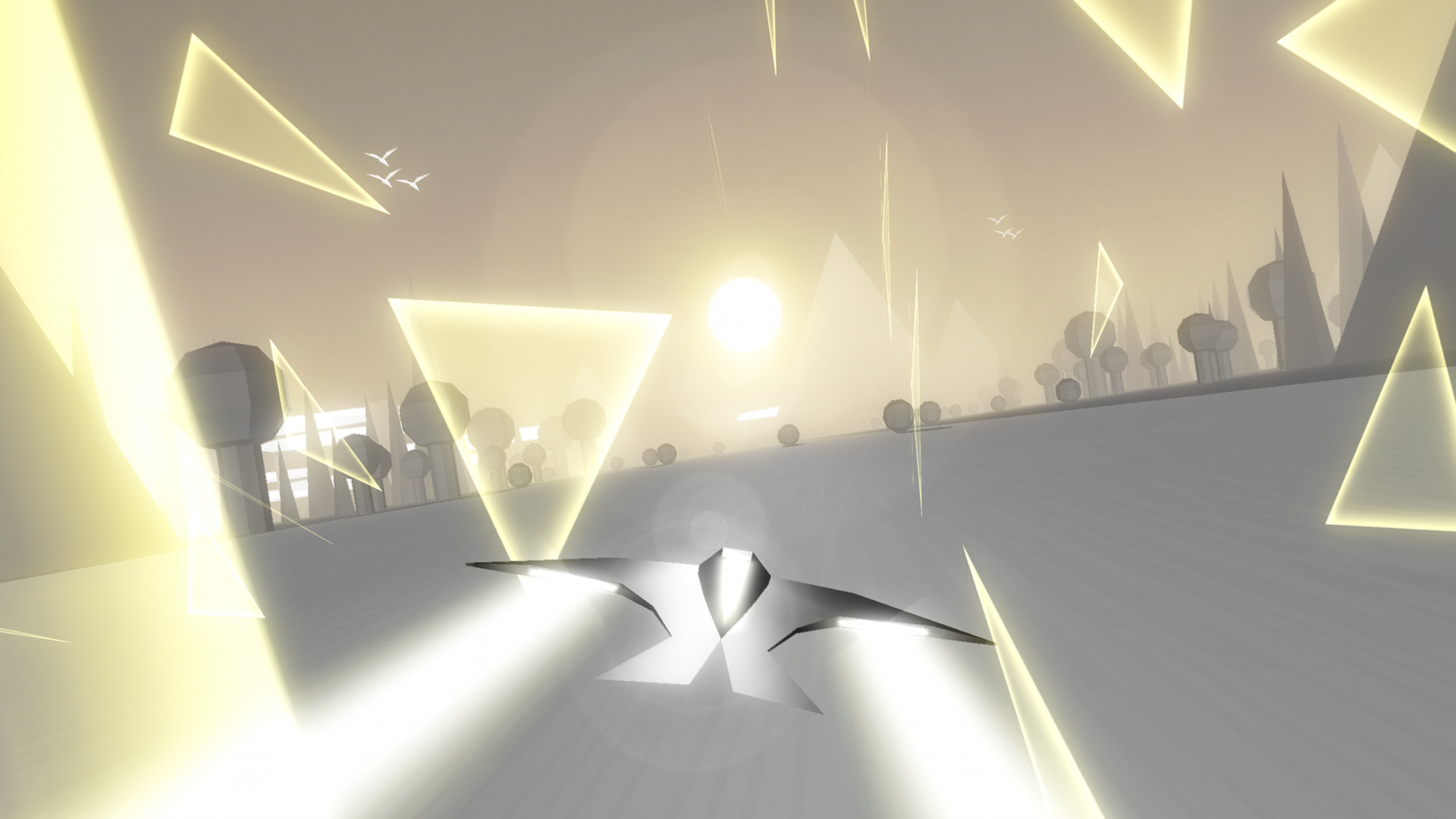
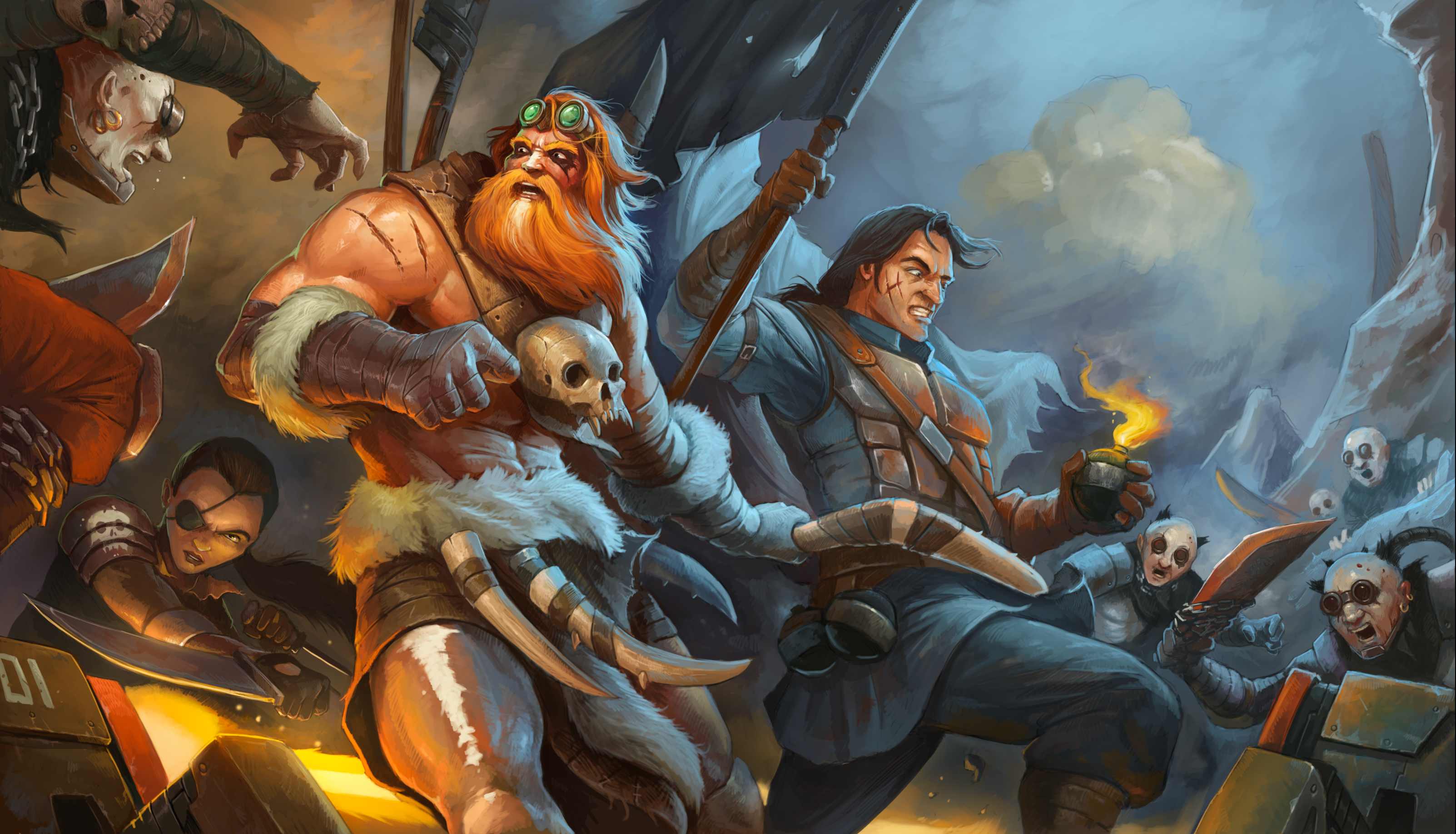
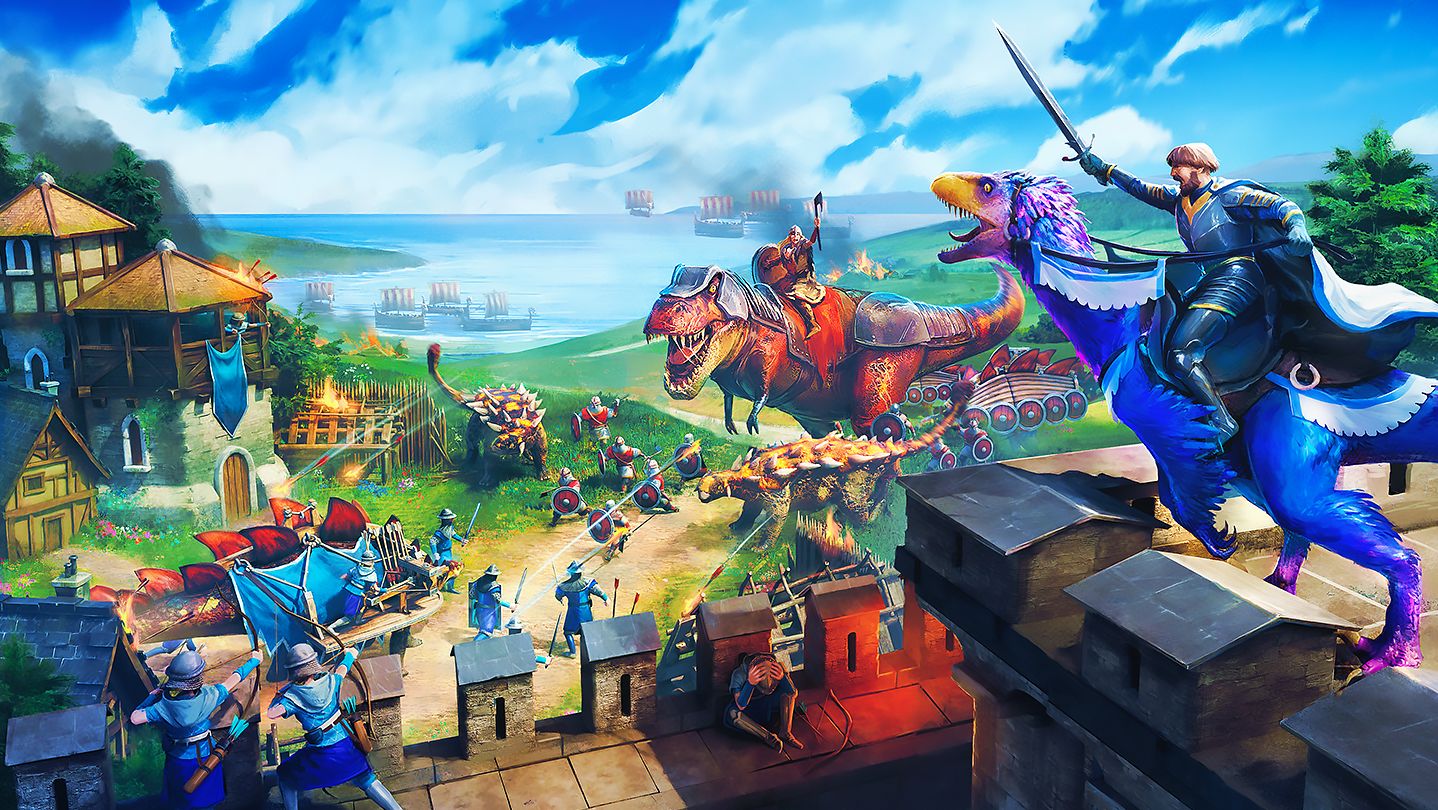
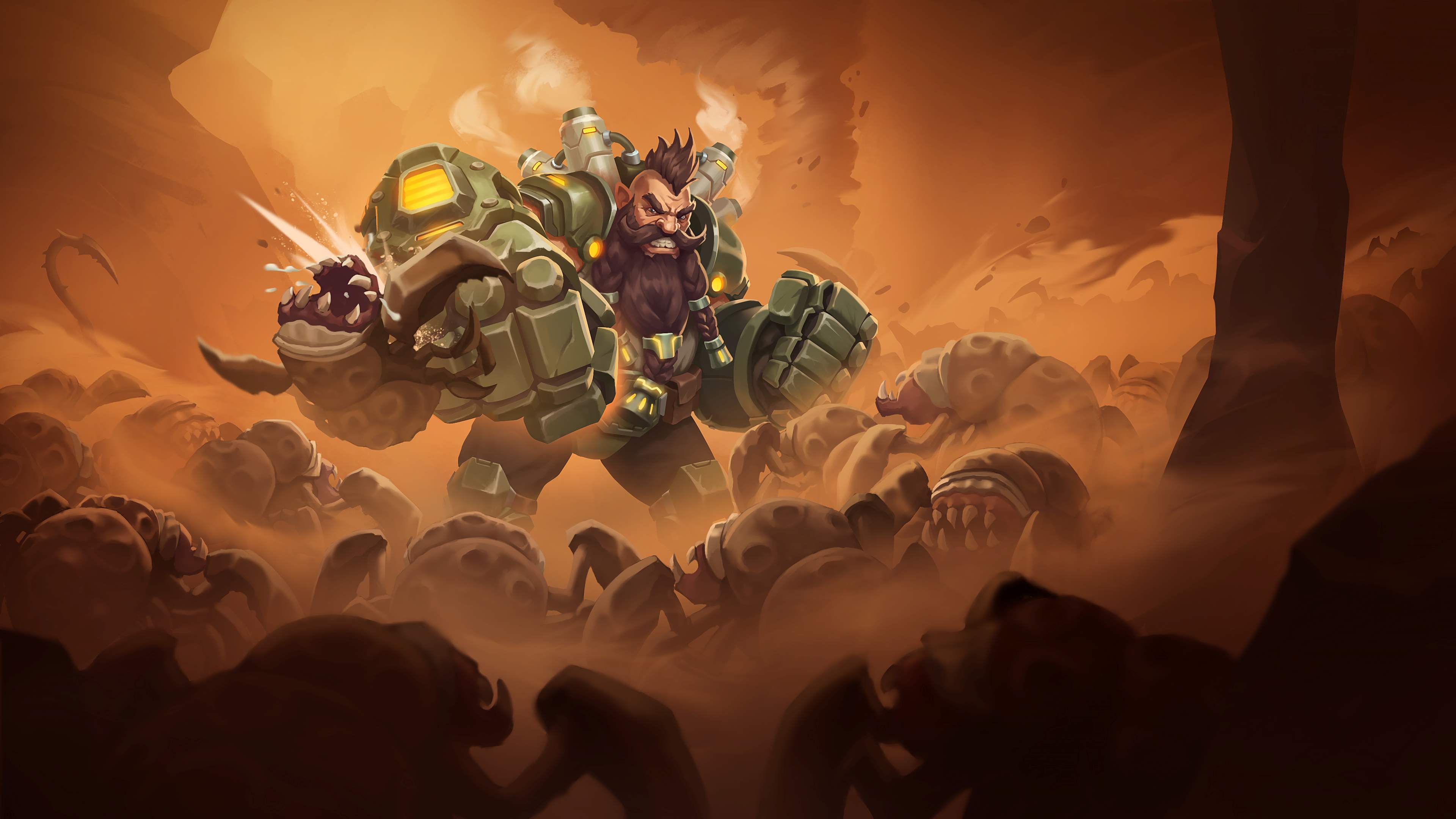
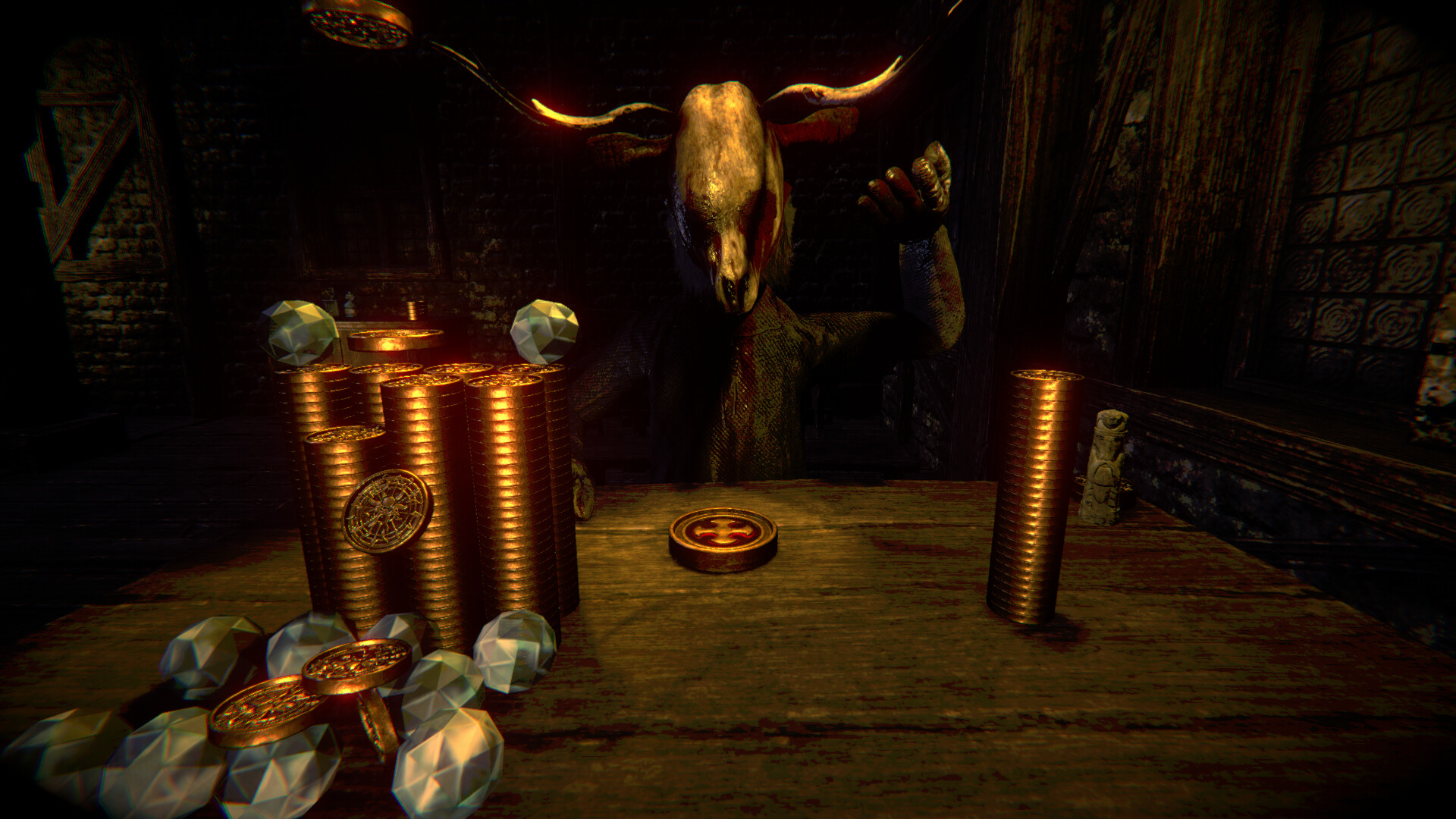
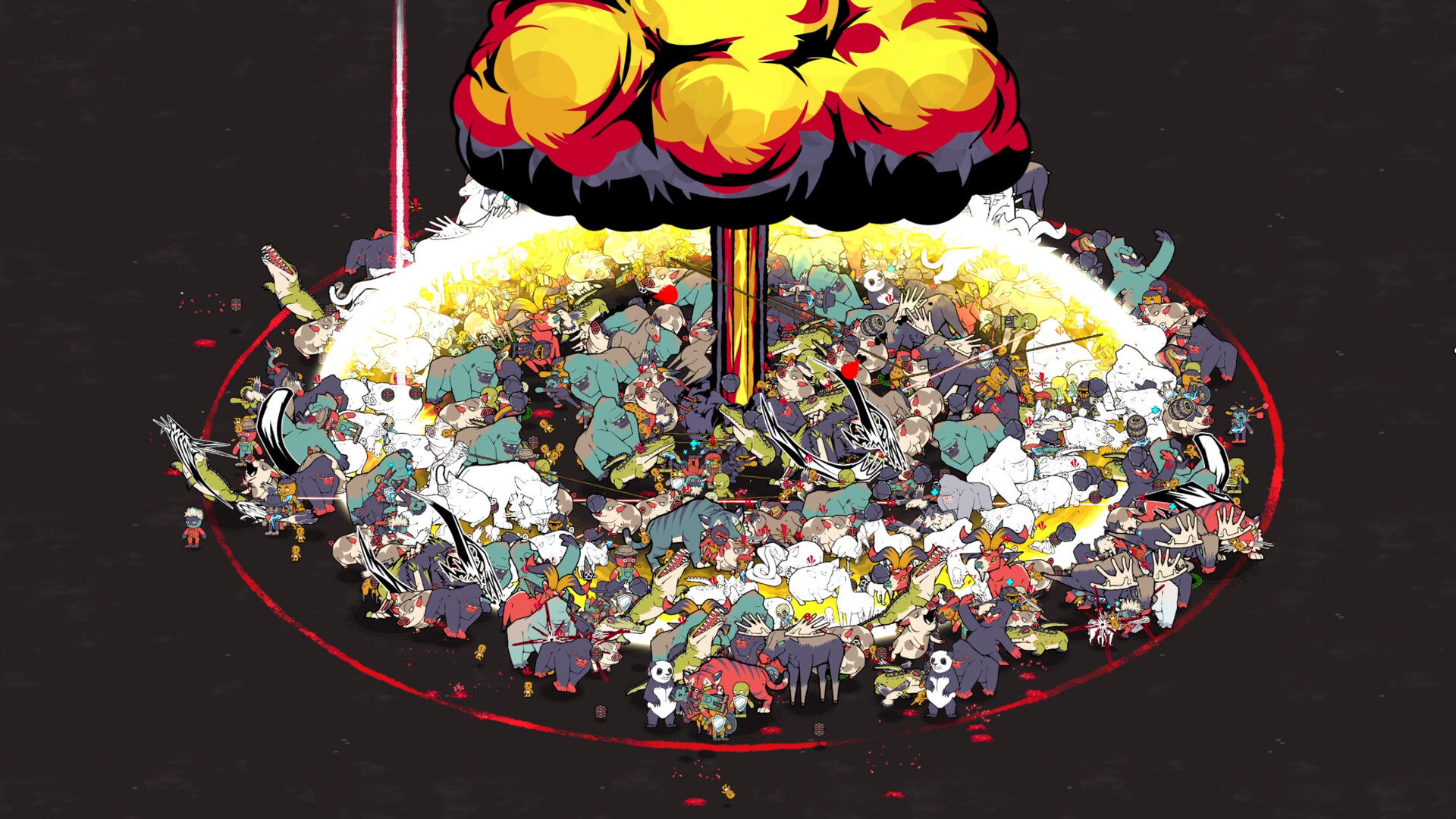
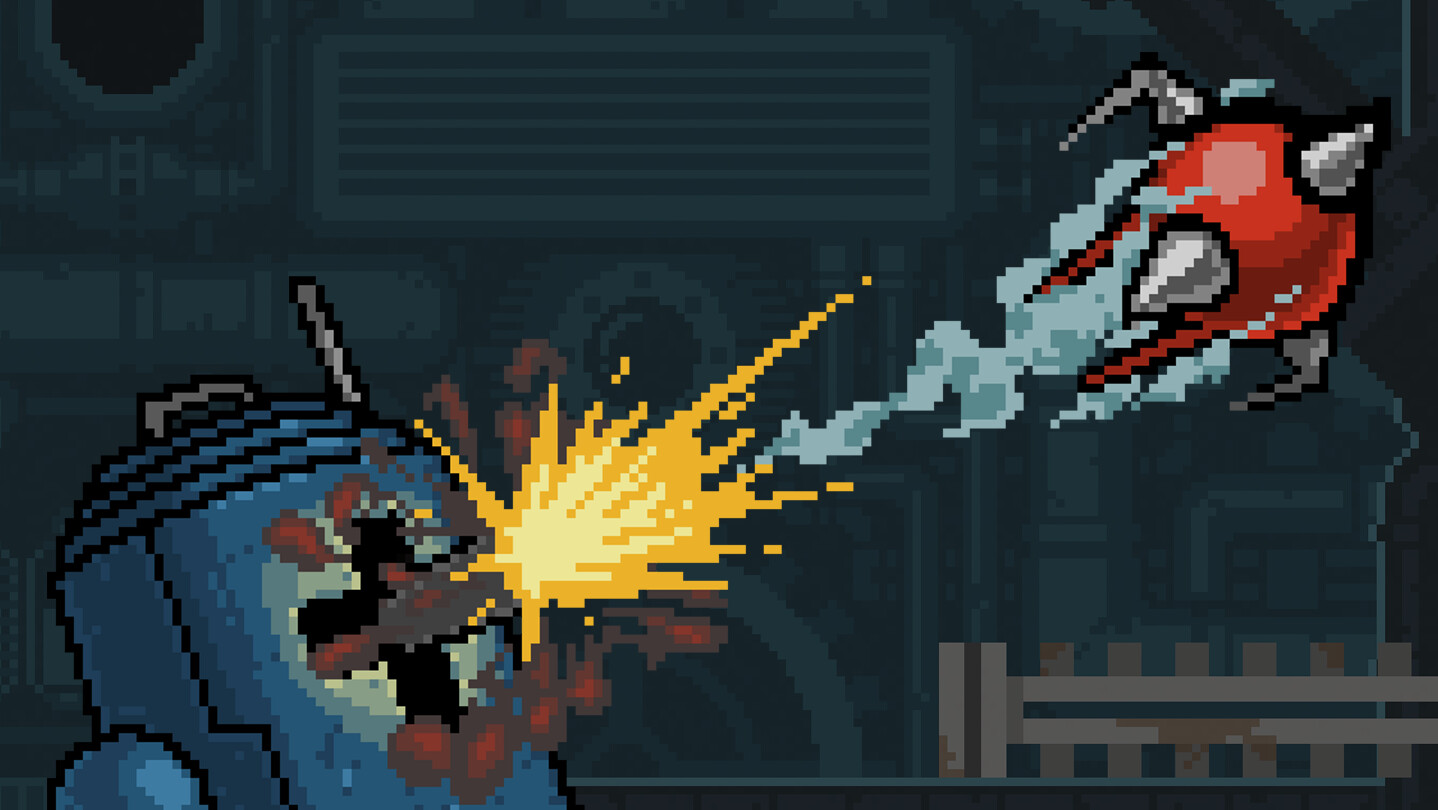
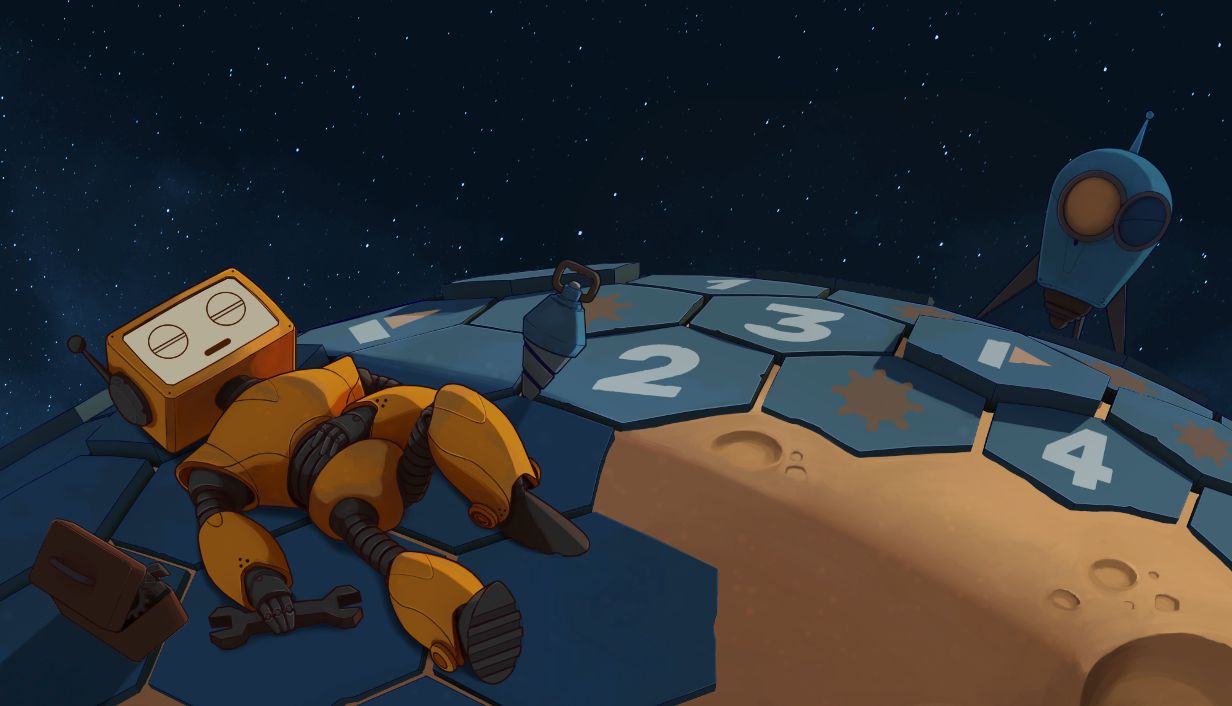
The studio’s sense of style has persisted through into Gunhead. I can understand why people are comparing the game’s cel-shaded visuals to those from Borderlands. It looks great, as you can see yourselves in the screenshots below.
However, I’ve left the description of the actual gameplay features to Lee Vermeulen from Alientrap. Lee was kind enough to answer a number of my questions, which I’ve included in full below.

Mike: First up, can you start by giving us the elevator pitch for Gunhead?
Lee: Gunhead is a fast paced strategic roguelike FPS where you take the role of a pirate mech with a gun for a head, looting derelict spaceships filled with monstrous drones made out of bone and steel.
It’s our first sequel as a company – a 3D FPS sequel to the 2D side-scroller, Cryptark.
You’re releasing Gunhead on PC and PlayStation; what was the reason for picking those two platforms?
We’re primarily a PC developer, and Playstation helped us with development and has been a great partner with a lot of our past games (Apotheon / Cryptark).
Are you planning to port the game to Nintendo Switch and Xbox, or do you only have eyes for PlayStation 5?
All definitely possible but no current plans.

I was chatting online on Reddit recently, and there I was shown a post from earlier in the game’s development where you said that Gunhead wasn’t a roguelite. Can you explain the journey of the game and how its design has evolved?
Yeah, we went through a lot of iterations.
Originally it was somewhat like an extraction shooter – you just do missions and slowly get more money (and try taking down more powerful ships). Problem was it was very hard to make playing it feel unique – with a roguelike a lot of the fun is the unique run you might have depending on the weapons/gear you pick up (and the levels you get).
It ended up just not being as fun when it wasn’t a roguelike – the stakes weren’t there, or the randomness.
We also didn’t want to copy Cryptark and do a campaign mode and ‘Rogue’ mode – instead there is a single campaign mode which is a bit of a mix of both.
Some people who come to Gunhead won’t know about its older sibling, Cryptark. That game was a side-scroller whereas the new one is a first-person shooter. What inspired the perspective shift?
I love FPS games, and I love the overall strategy aspect of Cryptark. So I wanted to combine the two.

And staying on the subject of the link between Gunhead and Cryptark, can you explain how you’ve evolved the meta-progression side of things?
Very painfully. It took a while to get the right mix of in-run economy and gear finding (and still making it matter and feel random), but at the same time have a sense of progression of unlocks. I think we found the right balance though.
And one last question, because it’s almost launch week and I’ve already taken up too much of your time. You must have a good idea about what you’re planning to do next. Does that include post-launch content updates for Gunhead, or do you think you’ll move on to a new project?
We have some post launch updates already planned – the main focus right now though is on stability and just responding to player feedback.
As a company we always have multiple projects – will be a while till we announce anything new though.
Thanks for taking the time to answer our questions and good luck with the launch of the game.
Gunhead is heading to PC Steam and PlayStation 5 on November 8.