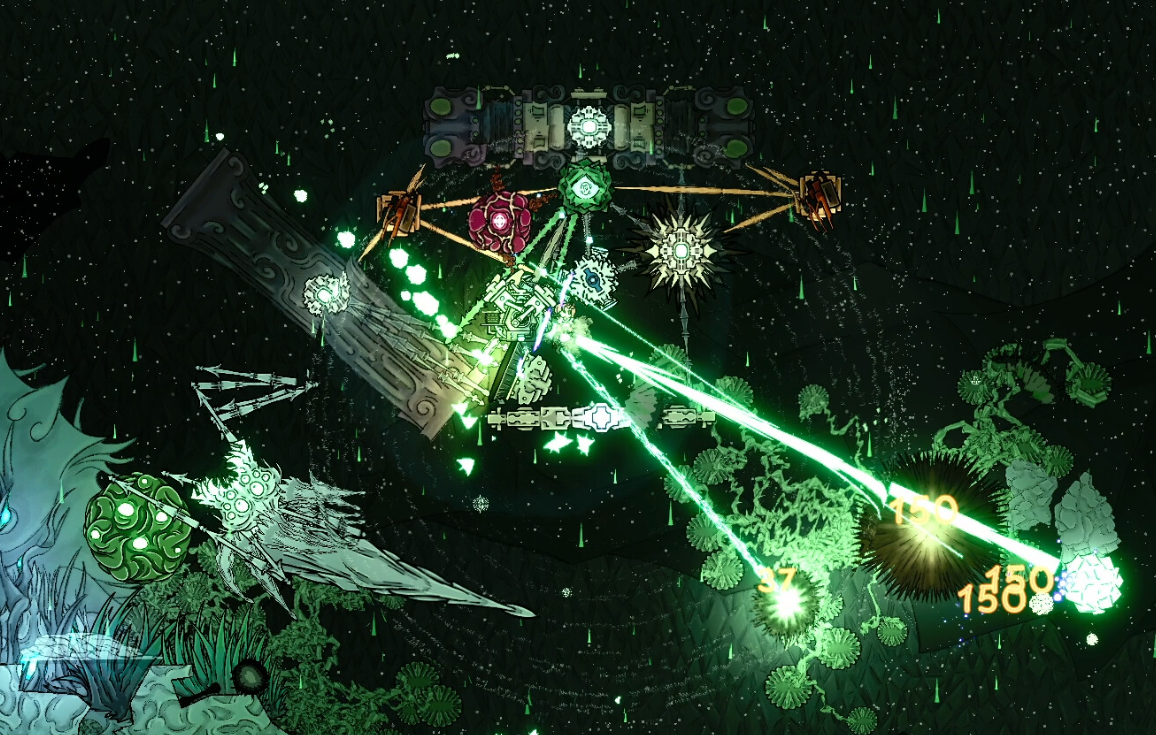
Lonestar is very much my cup of tea, I think it’s fair to say, yet it has been out for months in Early Access on PC and I’ve only just got around to playing it. Why? Upon reflection, I think it might well be the shadow cast by FTL Faster Than Light.
I bloody love Subset’s top-down sci-fi roguelike adventure, and previous efforts to capture that game’s spirit have nearly always left me feeling underwhelmed. Lonestar, however, has given me hope that this trend is in the process of reversing.

What is Lonestar all about, then?
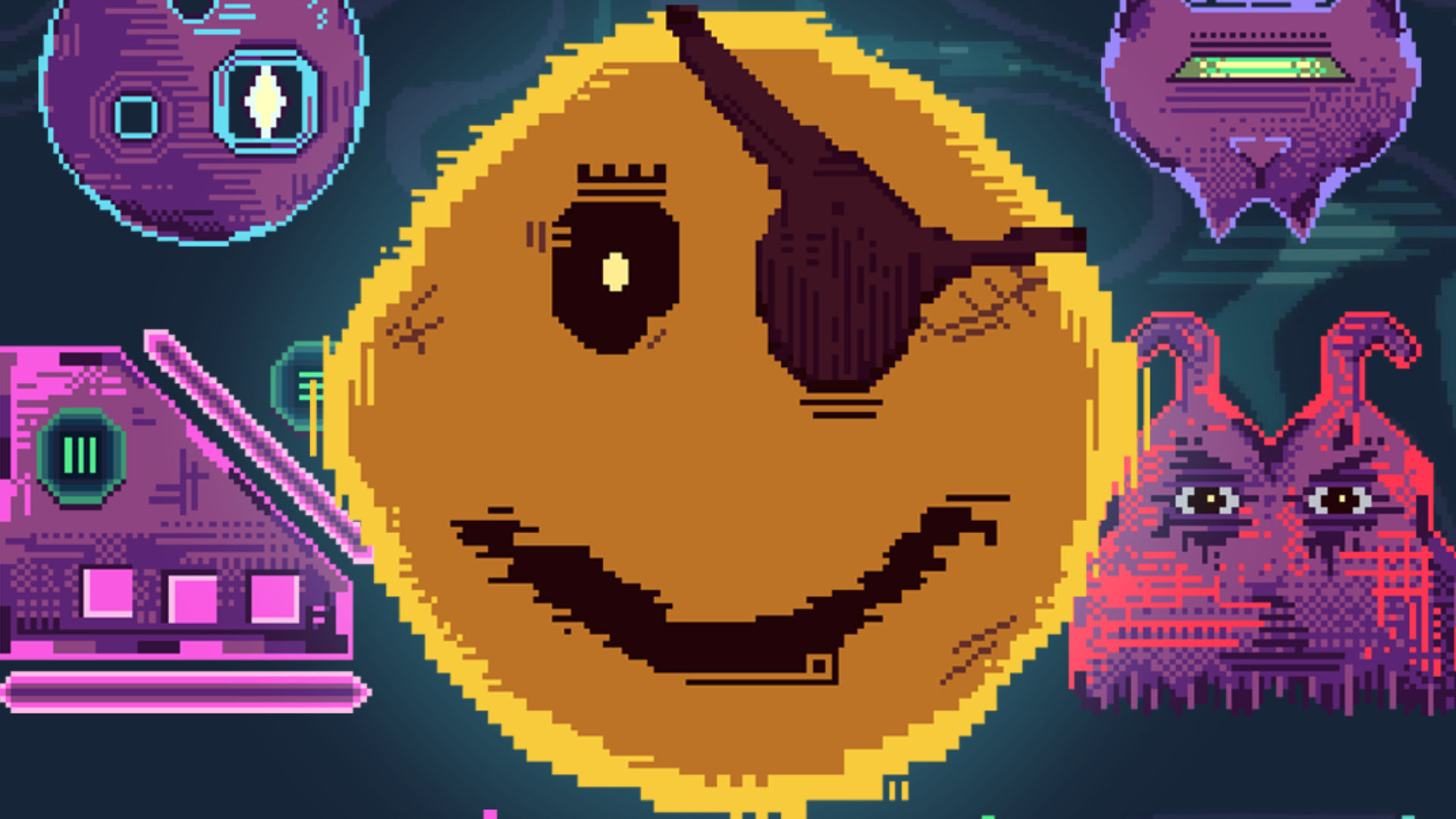
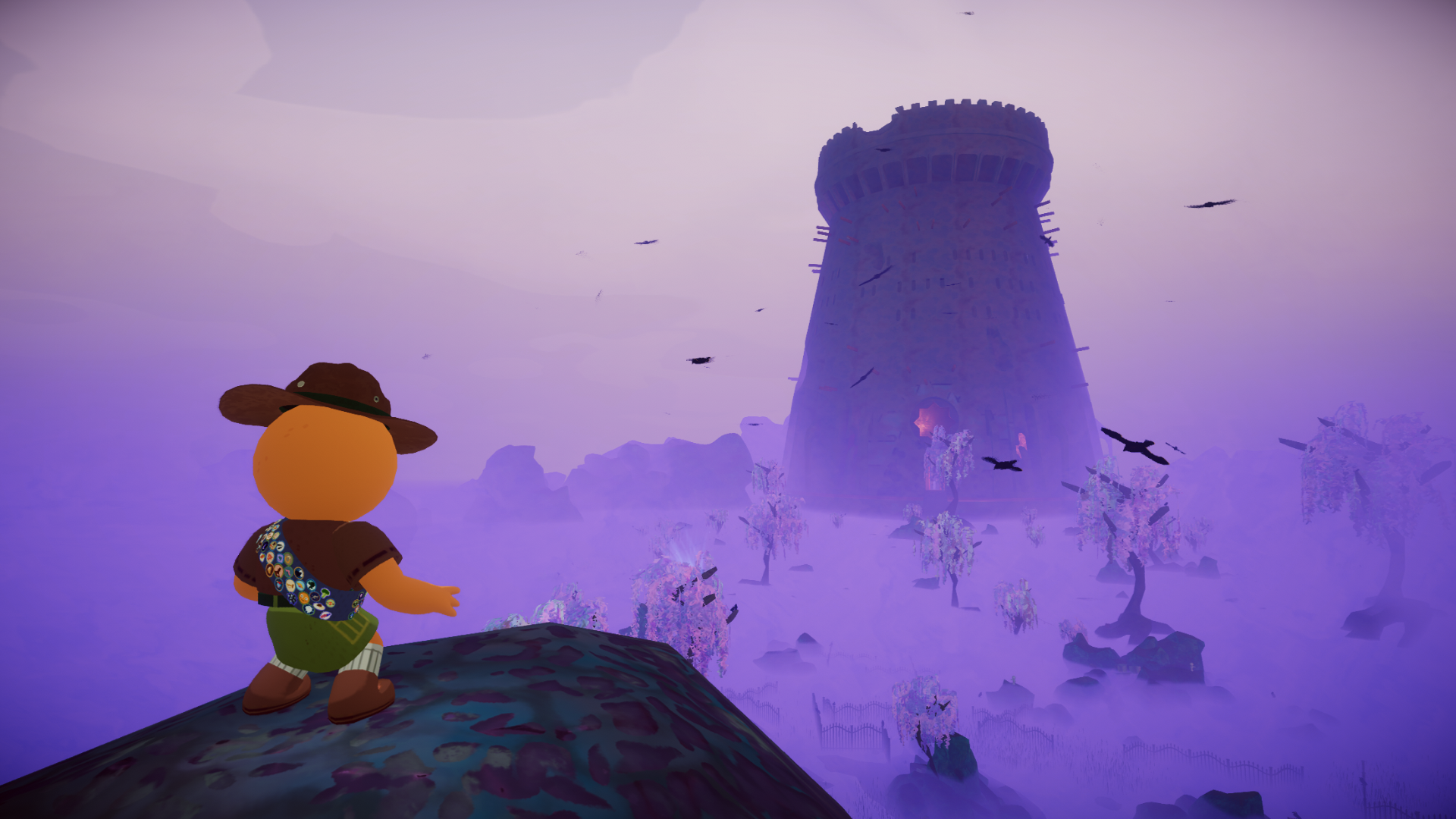
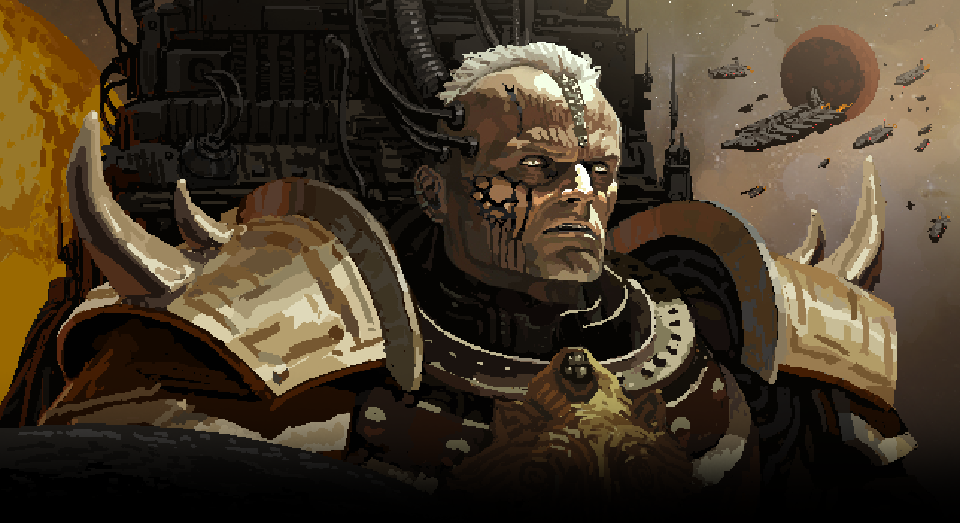
Developed by indie outfit Math Tide, Lonestar casts you in the role of a spaceship pilot and bounty hunter, out to take down the scum of the galaxy and bring them to justice. It’s a nice, simple premise that’s super easy to get behind.
The game is split up into two sections: combat and vacation. In the vacation portion of the game you’re in between jobs and in search of improvements for your ship. You’re presented with an array of options to choose from, all within travelable distance of your position.
During your vacation time you might go shopping, dive into a story encounter, or maybe even just grab some credits. Then, once you’ve used up your time off, it’s back to work rounding up some pirates.

This next part of the game is all combat-focused. First you configure your ship as desired, and then you dive into turn-based battles. During these battles you must cancel out and then overpower your opponent’s attack, manoeuvre around a limited battlefield, and stun your enemy so you can deliver powerful, uncontested attacks to finally knock them out of the game.
I really like how the combat involves disabling ships rather than blowing them up. To that end, you must use your weapons to overpower your opponent’s systems by ensuring that your attack is stronger than the one coming back at you. This to-and-fro happens across a series of combat lanes and, using a combination of ship’s systems and clever positioning, it’s up to you to avoid taking damage whilst dishing out as much as possible.
Tactical space combat with do-overs
One feature that I really appreciated is the ability to restart any battle once it has begun. This approach encourages experimentation and avoids penalising players for making mistakes, which is easily done in my experience. While you have to restart that whole encounter from scratch, it turns what could have been a frustrating end to your run into a learning moment that you can go back and try to rectify.

There are currently two different ship types (with a third in the works), and there are even more pilots, each with their own benefits. Both ship variants have a number of hardpoints, which you can use to equip attacking and defensive equipment. The number of usable slots is determined by your weight capacity, but this increases naturally as you progress.
In my experience, it doesn’t take too long before you’ve got more gear than you can use, at which point it’s a case of prioritising and specialising your build. There are also opportunities to upgrade your equipment and make certain gear more powerful. All told, there’s a really impressive range of tactical options.
It’s not just a case of upgrading to ever more powerful weapons, either. There are also a range of items that are used to convert or boost your energy output, thus making your attacks more powerful. Unlike FTL, Lonestar is more of a turn-based deckbuilder, with your gear being essentially cards, which you need to synergise as efficiently as possible. Its true nature becomes even more apparent when you start to move your items around mid-battle (although only the second ship type allows this).
I’ve had a great time playing through this Early Access build. Normally I would play an EA game for a few hours and then put it down until it was deemed fully finished, however, in this instance I think I’ll be coming back more regularly than that. Lonestar is shaping up to be one of the best sci-fi rogues in ages, and I’m eager to see how it develops in the months and years ahead.
Lonestar is out now in Early Access on PC Steam (Mac and Windows). I played the game via a code received by publisher Thermite Games – thank you for that!