FTL Faster Than Light is one of my very favourites, and so I’ve always had an eye out for another game that could do something similar but, you know, different. Maybe even better.
After trying out a whole bunch of sci-fi rogues since I first fell in love with FTL back in 2012 (!), I’ve finally found one that I think can sit alongside Subset’s space epic. However, it does this, I think, precisely because it isn’t trying to do what FTL did so well. Lonestar might look like a Faster Than Light-a-like, but it is very much its own game.
Lonestar versus the galaxy
Lonestar casts you in the role of a bounty hunter out to make a living from rounding up the scum of the galaxy. You know the sort: the kind who would knowingly avoid paying their interplanetary parking tickets or TV license. Monsters one and all!
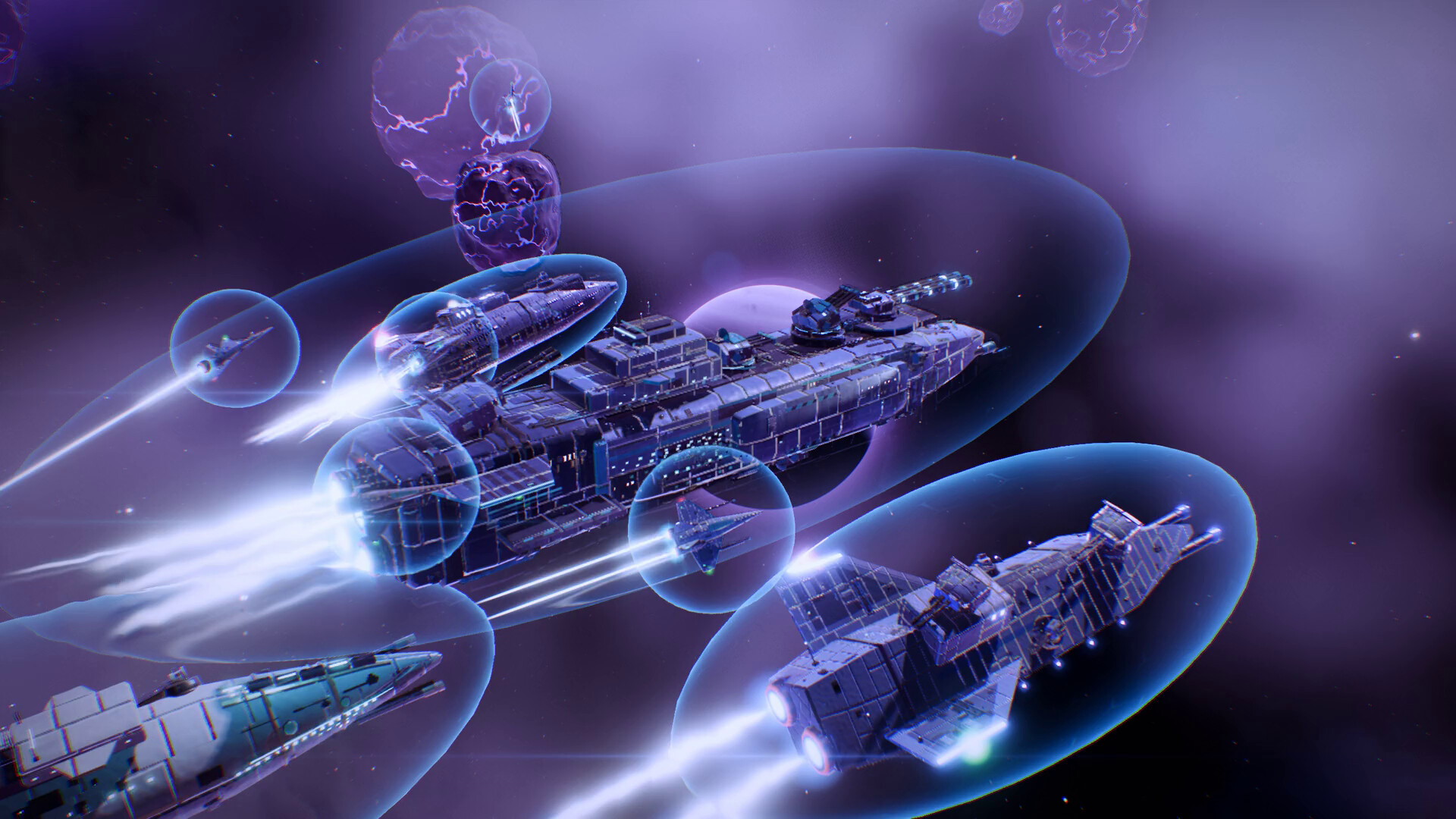
To catch these ne’er-do-wells you’re equipped with a ship that you can upgrade in various ways over the course of each run. Each attempt is then filled with tactical turn-based space battles and procedurally-selected text-based encounters, all as the difficulty ramps and the battles get more challenging.

There are several ships to choose from, and even more pilots, and once you’ve made the most basic decisions, you’re off on a system-spanning adventure filled with action. Your job: to capture space bandits of all shapes and sizes, and bring justice to the galaxy around you – all with your tongue somewhat firmly in-cheek.
Bringing in space bandits means turn-based top-down ship-to-ship battles, and to that end, the combat in Lonestar is really good. Ultimately, it’s a system built around positioning, both in terms of how you arrange your resources, and then where you sit on the battlefield.
Your ship has a number of slots, and these can be equipped with weapons and other useful trinkets, and the placement of each one has implications. However, it’s not just a case of careful weapon placement, as you also need to consider the positioning of your ship in relation to that of your opponent.

Combat is a real push and pull, with energy beams that jostle for prominence. Power can be used to boost your gear, and so each weapon ends up with a different strength. Next, you need to cancel out the attacks of your enemies by lining up your weapons and overpowering theirs. All of this is achieved via careful use of your power, which you must push through certain instruments during each turn to further maximise the effectiveness of your actions.
One thing I really like is the emphasis on knocking out your opponents and capturing them, rather than blasting everything into smithereens. Unlike FTL, which is life or death stuff, Lonestar has a lighter, more convivial tone, and this is most obvious in the more forgiving combat system, which even lets you have repeat attempts at tough enemies.
Taking it easy after hours
The lighter tone of Lonestar manifests again in the activities you engage in during your downtime between battles. These vacation days involve you exploring various opportunities across the galaxy, with chances to add new items to your inventory, improve your ship via stat boosts, and take part in other story-driven encounters.

It is during these moments of calm between battles that you’ll look to optimise your build, and this can be done in a number of interesting ways. Much of your decision making is related to how you power your various weapons, however, there are also bonus items that can have a really profound impact across your build. Luckily, these don’t use up any of your weight allowance, which must be grown over time.
In fact, there are loads of ways to synergise different items and guns, and it quickly becomes a case of trying to optimise your loadout with any items that you’re able to equip. The broad array of in-game items and weapons ensures that there are diverse tactical options to explore, too.
At times, I found the systems weren’t always elegantly explained, and this can be a pain point when there is a decent amount of complexity to wrestle with. That’s probably Lonestar’s most significant flaw, but it’s surmountable given time, patience, and the odd rewind when a battle goes tits up.
Much more often than not, I was able to enjoy the subtleties of Lonestar’s design, and by experimenting with different builds, pilots, and gear over a bunch of runs, the potential of the game snapped into focus and its true depth was eventually revealed.

I’m still only hours into what feels like a much longer adventure, and there is clearly so much more for me to discover in Lonestar. It feels accessible and welcoming – for a roguelite, at least – but there’s also enough detail to get lost in as you explore this universe and learn its many nuances.
Math Tide has turned in a wicked little sci-fi RPG for sentencing. While playing his week I’ve enjoyed the now-verified Steam Deck version, this after I had previously played on my desktop back in Early Access. That being so, despite not playing the console version myself, I still feel reasonably confident in recommending the Switch version, which can be tracked down alongside the 1.0 update that just landed on Mac and Windows PC.
Finally, a big thank you to Thermite Games for providing us access to Lonestar, which is out now on PC (Mac, Win) and Nintendo Switch.