When I read the pitch for Never Mourn I was immediately excited, but also a bit skeptical. Referencing Hades and Diablo as direct inspirations is a bold move, because that immediately raises the expectations. That can work for and against a title as it takes its first steps in the world.
Released into Early Access in May, Never Mourn does indeed borrow aspects from both Hades and Diablo – two of my favourite series. Given that it still has some way to go, though, those comparisons did create some unrealistic expectations; in short, I like this game, but I also acknowledge it needs some work if it’s going to fulfil its potential.
Never Mourn the rogue
The action-roguelite structure in Never Mourn borrows the same toolset we’ve seen in games such as the aforementioned Hades, and also Tiny Rogues. You move between arenas, kill whatever you encounter, and then move onto the next. That’s about the most straightforward aspect of the game, to be fair.
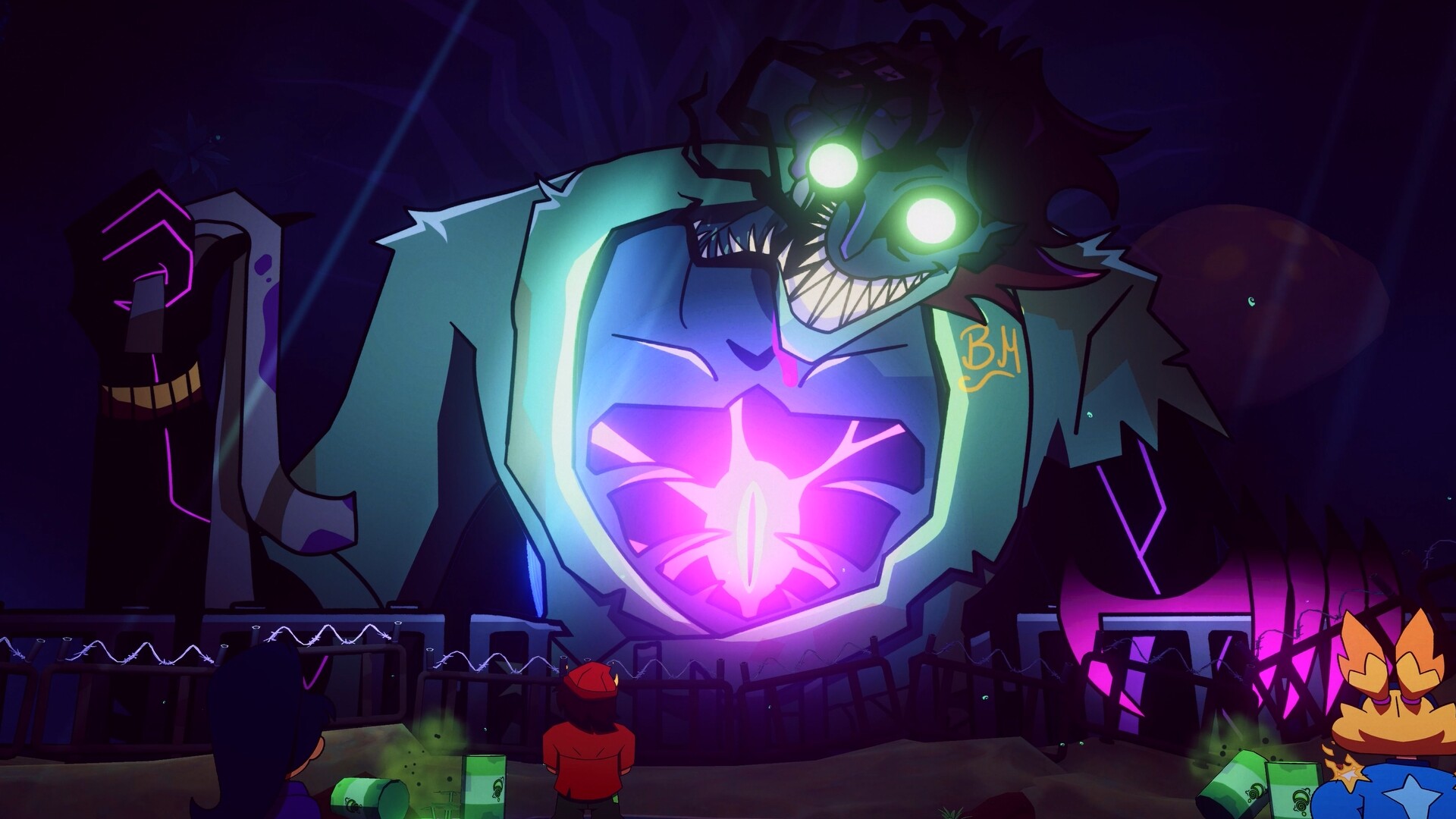
The environments that you visit look nice, but you end up spending most of the time fighting in fairly spartan environments without interesting scenery to dodge around. Maybe that changes if you get further in than I’ve managed, but the locations I’ve visited were mostly just blank canvases for carnage.

There are upgrades to be earned during combat, but these seem to be mostly incremental upgrades rather than new abilities. That’s not to say that you don’t unlock cool new spells and whatnot, it’s just in my experience you tend to get given them after you’ve completed a run, ready to equip for your next attempt. In what’s become a roguelite-staple these days, you start off weak and only get strong enough to advance deep into the game once you’ve done your time and died a whole bunch.
Never Mourn the necromancer
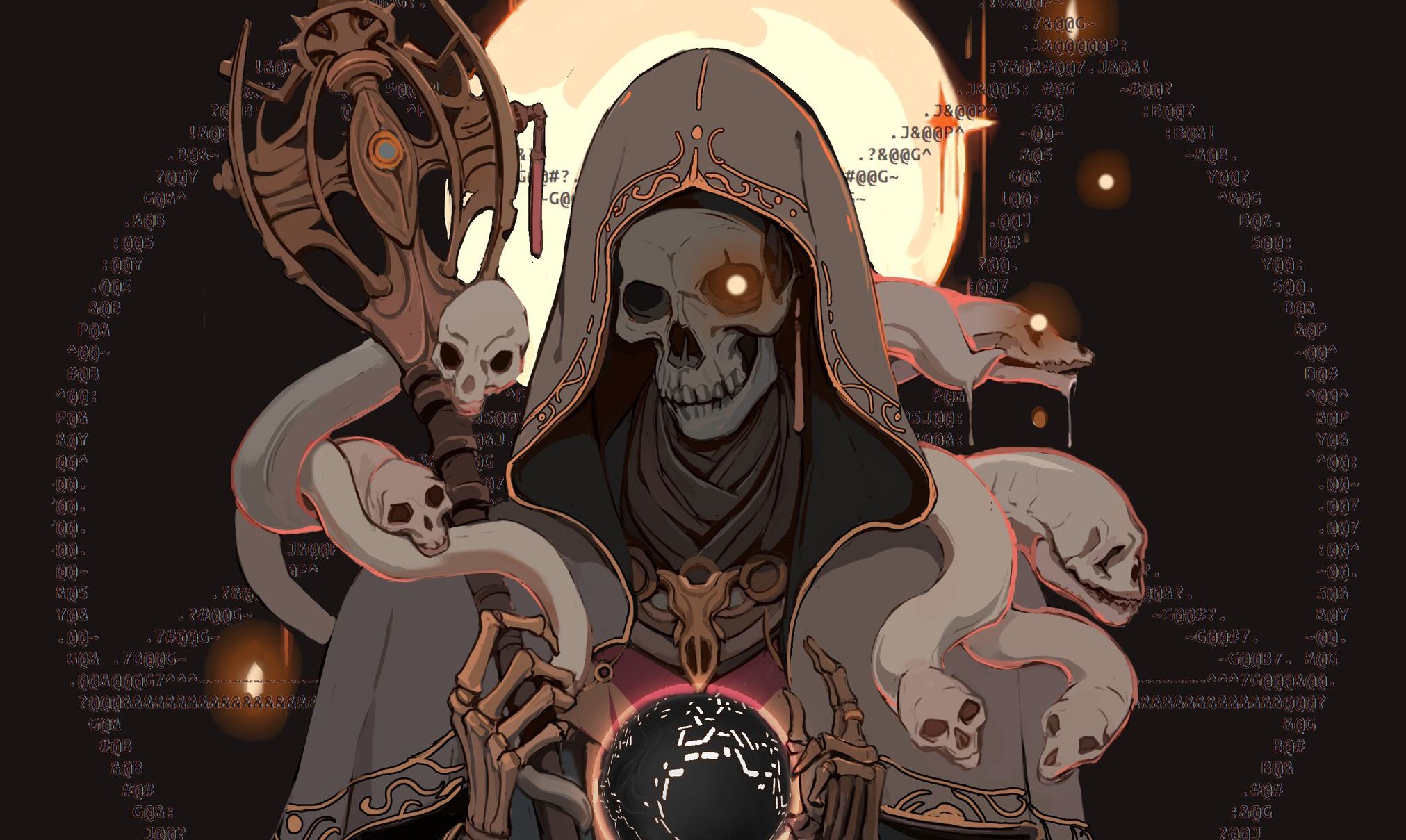
I’ve got this far without really mentioning Never Mourn’s main mechanic, which is quite an achievement I think. At the heart of the game is your character’s main power: the ability to raise enemies from the dead and have them fight by your side. This central idea underpins the whole experience and saves it from mediocrity.
What would be an otherwise basic action-RPG is elevated thanks to your magic powers. Never Mourn feels tactical as your character can switch between two modes; one half of her skillset is dedicated to dealing damage and unleashing powerful hits with a scythe, while the other is focused on raising the dead and healing. Making sure that you’re in the right mode at any given moment is key to your success.

The battlefield is a busy place, as you can raise a growing mob of minions, as well as at least one more powerful puppet. This leads to frantic pitched battles between two small forces, which you must monitor at all times while also taking care of your own business.
One eye on each prize
Timing and battlefield awareness are at the core of Never Mourn, and the engaging combat system is further supported by a growing array of skills. Once again, you’ll need to keep track of the timers for each ability as you can’t really spam anything other than your main. I will say that some of these additional attacks that I picked up during my time could have been more visually dynamic and explosive, but I also acknowledge that there could be better unlocks just around the corner.
As for the future, I think the devs know where the game is lacking and have just announced their future plans in this roadmap update on Steam. Developer Primal Seed is “cooking interesting new ideas for spells, [enchantments], talents and monsters.” The studio is also promising more interesting ways to unlock abilities, with event rooms to break up the relentless flow of combat encounters, which can tend to feel a little drawn out when stacked so close together.
There’s a fair bit still to do if Never Mourn is going to stand shoulder to shoulder with games that have inspired it, however, the foundations are there and it’s still only in Early Access. Primal Seed is promising updates every six or so weeks, and there’s a list of planned improvements that I think would take this game to another level.