If you’ve visited these pages before, then you’ll likely know that I/we enjoy a weird little game here, and the latest to capture my cold-twisted little heart is Sol Cesto, which just left Early Access on PC. I’ve been playing this one on and off since last year, and now that it’s finished, I think it’s time that a few of you have a look at it, too.
So what is Sol Cesto, then?
Well, Dear Reader, I’m glad you asked, because Sol Cesto is a little bit unusual. Luckily, for all its quirks, it’s not too difficult to explain. The game presents as a dungeon crawler set in a world with no sunlight, but it’s more of an RNG-centric push-your-luck puzzle roguelite about loading the odds in your favour (until you finally come unstuck).
The action takes place on a 4×4 grid. This grid is filled with monsters, traps, and treasure. You must step on enough squares to activate the exit for each room, and there are many elements to consider when choosing where to move next.
Each of the four horizontal rows in the grid is grouped, and when moving, you could land on any one in the line. Initially, you’ve got a one-in-four chance of landing in each square; however, as you land on a row and interact with more of its squares, the odds of you landing on each other square in that row increase. As such, you must hop around the grid, playing the odds so that you have the highest chances of landing on a favourable square.
If you look at the screenshot below, you can see the selected row, and all four tiles have valuable information. At the top left of each tile, it says it’ll be “ok” if you land on it, and at the top right, it shows the chances of landing on that square. In the lower left corner of the screen, you can see several stats that you can bump up and down, and these numbers impact the chances you’ll see in-box.

Your two main combat stats relate to melee and magic, in the top right corner, and they determine how you’ll perform during combat. For example, if you’ve got good melee damage and land on a monster, you’ll be able to kill it. On the other hand, if you’ve neglected your magic stats and you land on an enemy spell-caster, you’re going to take some damage.
To its credit, and as I’ve tried to explain, in Sol Cesto, you’re always equipped with the odds. And while there is a strong element of RNG, which will bother some of you no doubt, those who like pushing their luck and casino roguelikes will enjoy the tension that its systems can generate. Having said that, after several hours of play, I’ve learned a bunch of tricks that you can use to build your character out, and as you do that, luck-based challenges become easier to overcome.
Looking wild
As you can see from the eye-catching screenshots, there are loads of things to parse at any one time. There’s a puzzle-like feel to the action, with units that change function between turns, such as the gremlin-looking monsters that attack with magic one turn, melee the next.
Yet for all its complexities, everything is super clear thanks to the game’s wonderful UI. Sol Cesto does a tremendous job of integrating the interface into your experience, and your progress through each run is brought to life in clever ways, such as the statue teeth you can see in the top left that denote your upgrades and the way your inventory items are displayed.
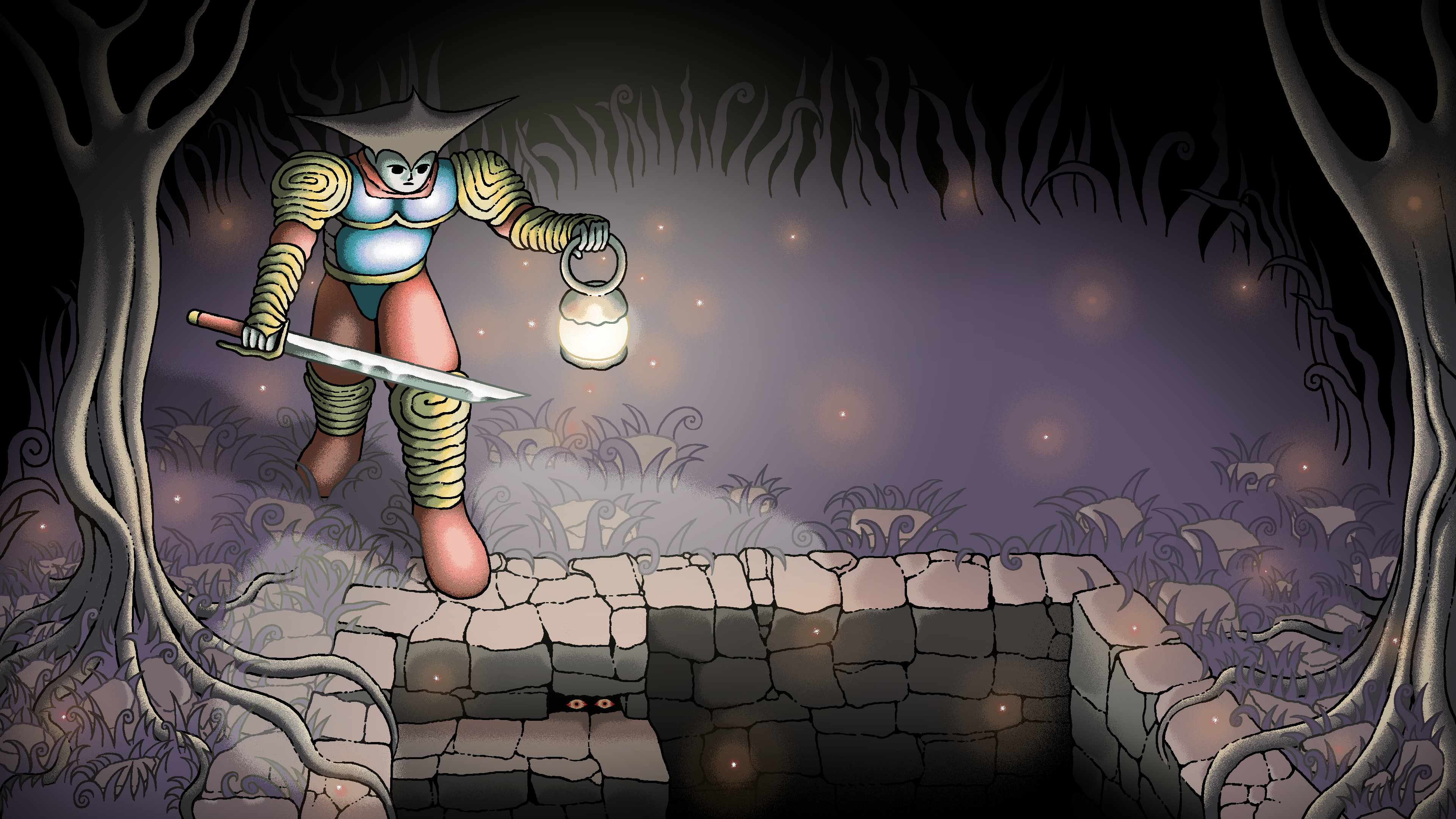
One of my favourite things about Sol Cesto is how the developers have harnessed the same atmospheric style as Maurice Sendak (Where the Wild Things Are) to create a unique and memorable visual experience. It’s not a super-detailed game with complex animations, although the simplistic movements do make the screen feel like it’s gently pulsing.

Every pixel here has been deployed with care, and Sol Cesto is further proof that sometimes less can be more. The enemies look quirky, the character designs are distinctive, and the user interface is one of the best I’ve encountered in some time. I also really like the boss designs.
From Early Access to 1.0
Progression is a bit slow, and ultimately, I think I probably regret not taking the gold I was offered at the start of my journey with 1.0, gold that was offered because we lost our pre-launch saves. That said, the developers wanted me to reset and play the game from scratch with all systems intact, and I was willing to oblige.
Redoing a lot of content wasn’t a massive hardship because Sol Cesto is a whole bunch of fun. Run times are not too long, with each grid quick to work through, and the event rooms between floors are simple to navigate. For example, as you play, you discover statues that grant you game-changing teeth, there’s a pond with prizes that you can fish out, and, naturally, there’s a shop to spend your gold in.
On the subject of the shop, one thing I liked was the integration of a fun extraction-like mechanic. At regular intervals, you are offered the chance to send some of your gold back up to the surface. Doing so means that you have less money to spend during that run, but you can bank the money to spend on major upgrades between runs, including new in-run features and playable characters.
I’ve not unlocked all of the different characters (there are seven), and my progress reset means that it’ll take me even longer now. In fact, the 1.0 update added endings for each of them, a new intro cinematic, and some much-needed love to the starting character, the Peasant (which still might not be enough to tempt you in).

My next objective is to unlock the Huntress, who was added late last year and is part of a collab with Pyrene, another game I very much enjoyed and where the Huntress originally appeared.
I’ve got much more to see in Sol Cesto, not least because I hadn’t played it since last autumn, and plenty of new stuff has been added since then. However, after having spent several hours diving back in and starting from scratch following the big 1.0 update, I’ve been reminded what a clever and unique strategy roguelite this is. It’s a bit RNG-heavy, so stay clear if that’s not your thing, but if you like to push your luck and you enjoy the art, I think you’ll have fun with this one.
Sol Cesto, by Tambouille, Géraud Zucchini, and Chariospirale, with support from Goblinz Publishing, is out now on PC (Win).