This week everyone will rightly be talking about Absolum, an excellent little beat ’em up that just landed on PC and console. However, this isn’t the only exciting side-scroller that has launched in the last few weeks, and one that went a little under the radar is Star Fire: Eternal Cycle.
I’ve been able to play a little, but not enough to write up a full review, however, I have seen enough to know that this is a good game made by a capable studio. In fact, this side-scrolling sci-fi action-platformer is slick, energetic, and well-built, and it didn’t take me long to start having fun with it.
That being the case, when I was offered an interview with Jensen Hu, the Creative Director at Ethereal Fish Studio, I jumped at the chance to put some questions together. Here’s what he had to say about the new game…

RL: Congratulations on the launch of Star Fire: Eternal Cycle! How has the game’s reception been, and what lessons have you already taken from the reactions from your community?
Jensen: The reception is within our expectations. September is a busy month for AAA and indies, and we’ve done our best to improve the game. We’ve sold around 13,000 units within the first two weeks, and received 91% positive reviews on Steam.
What we’ve learned most is that we should put more effort into the tutorials, since the game is a bit difficult for rookies to get into at the beginning.
I think it’s time to put Teen Titans fans out of their misery and for you to tell us: what is Star Fire: Eternal Cycle?
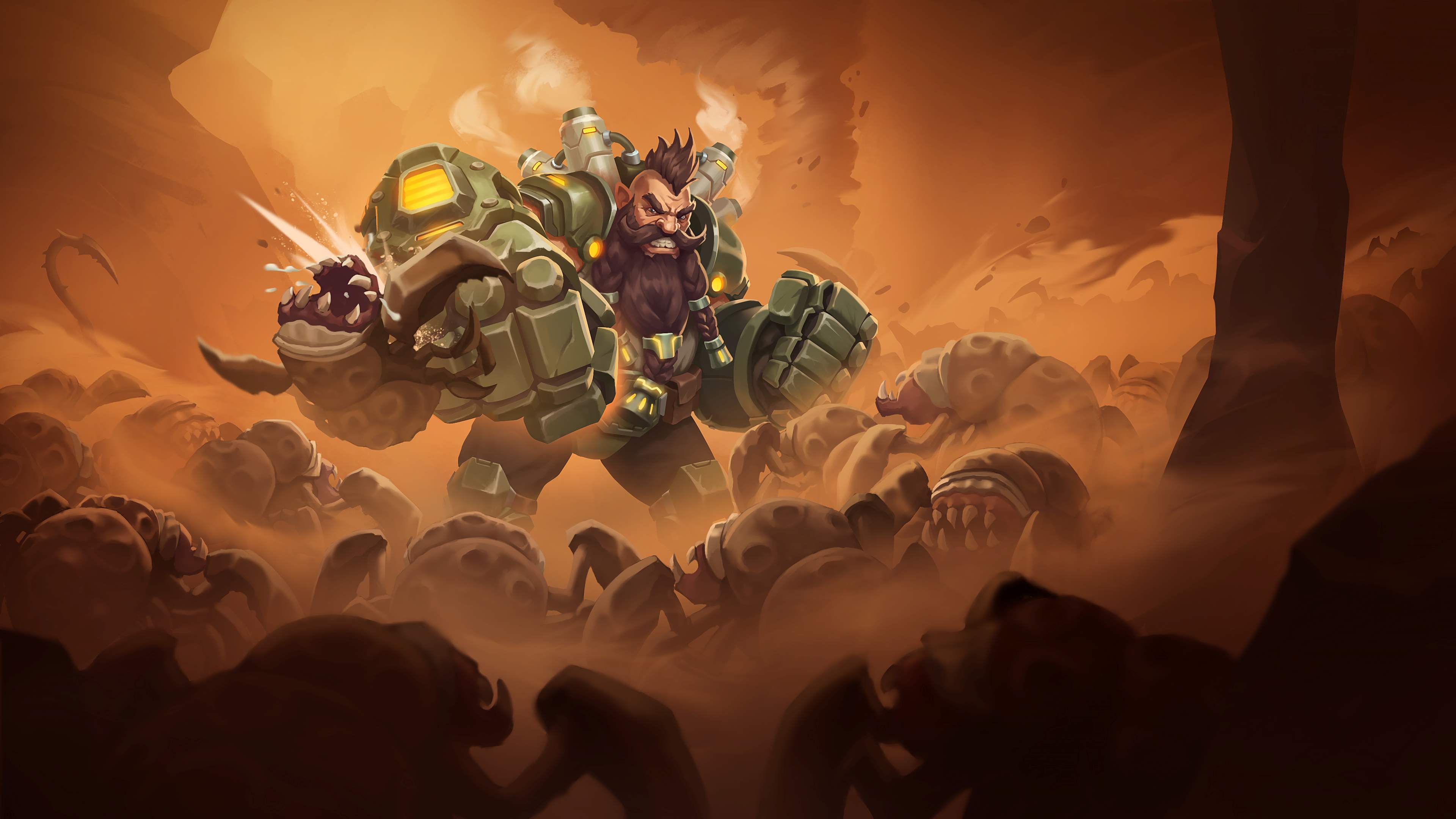
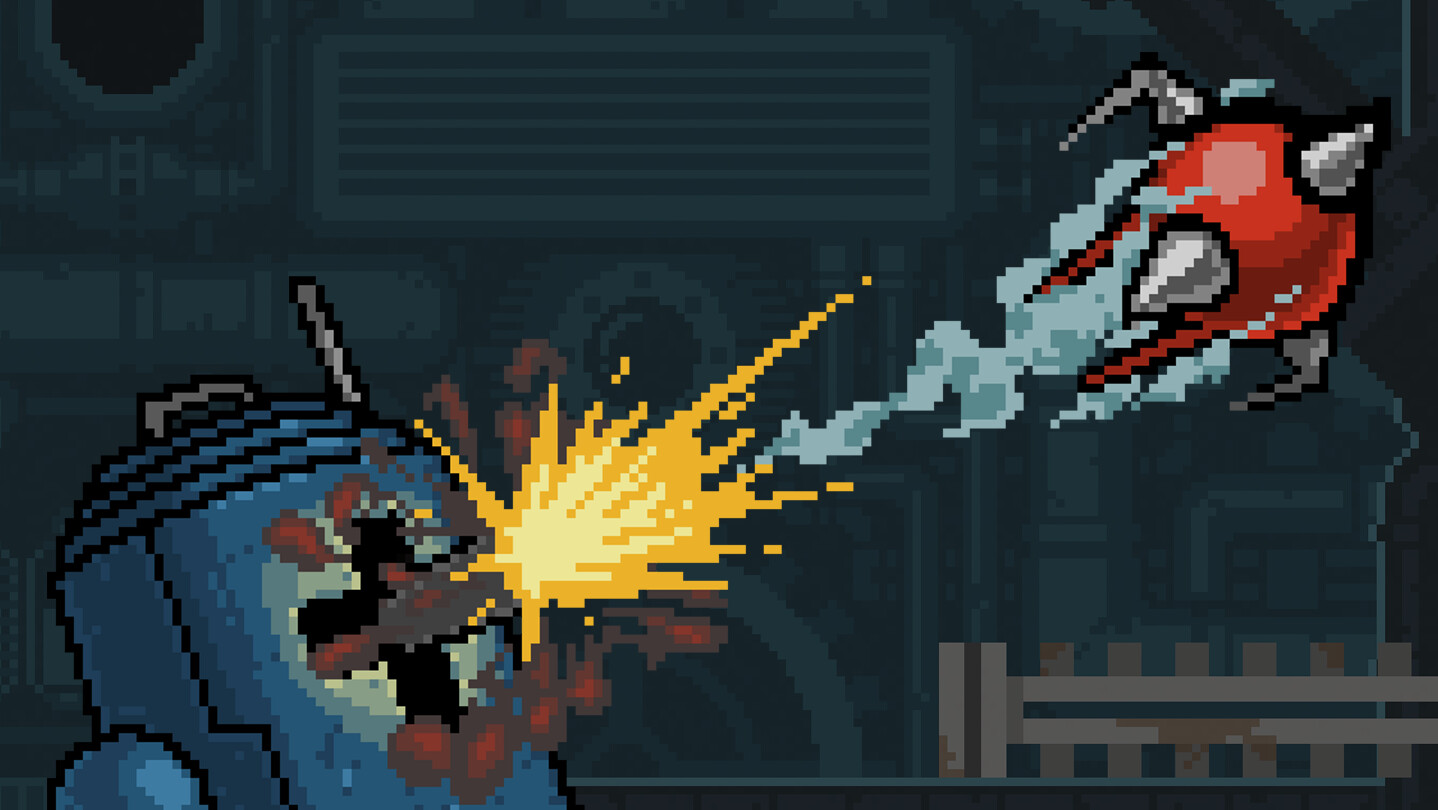
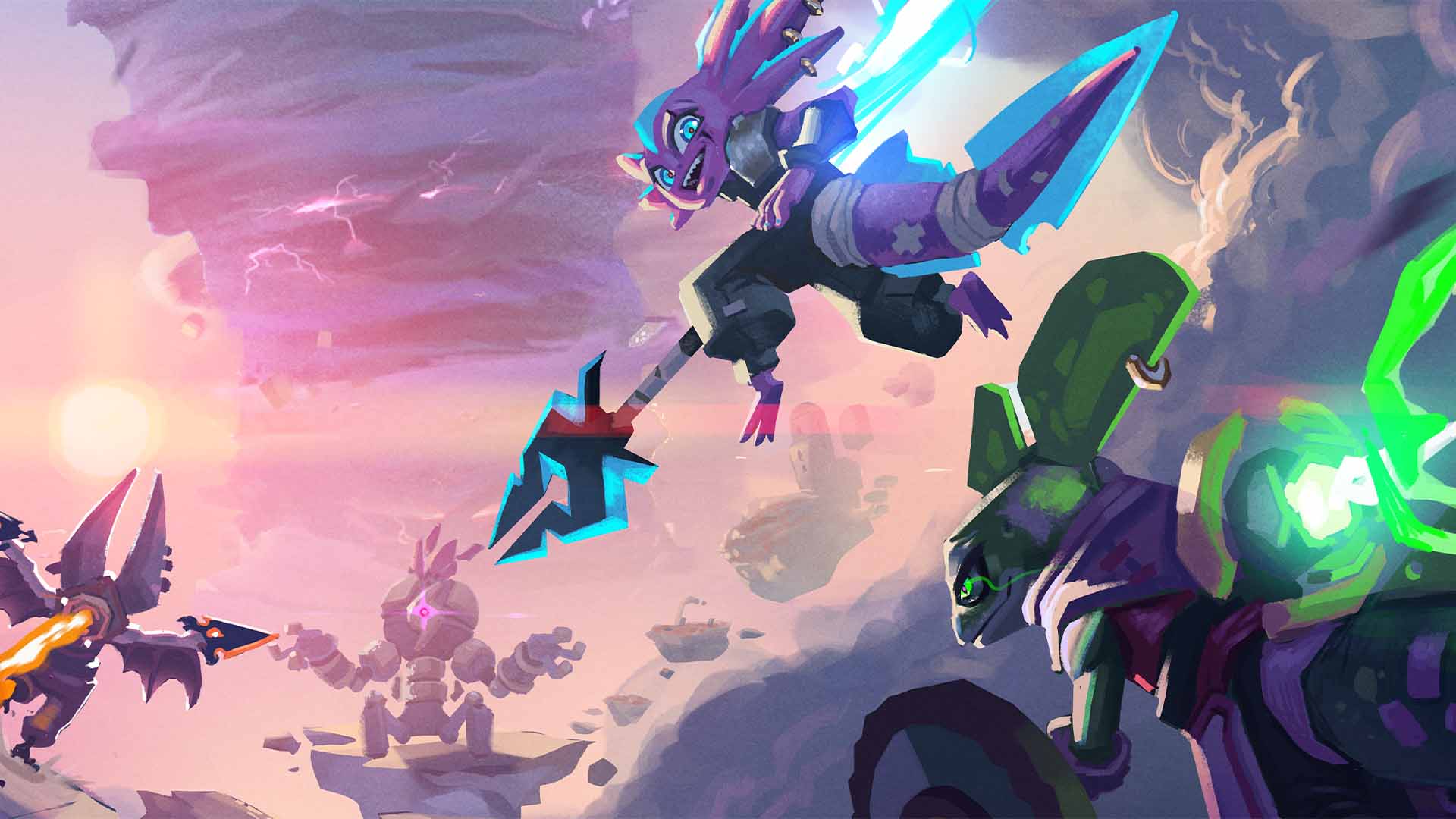
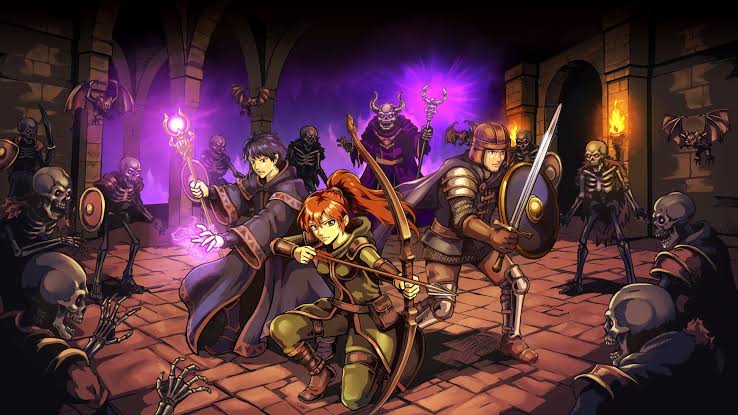
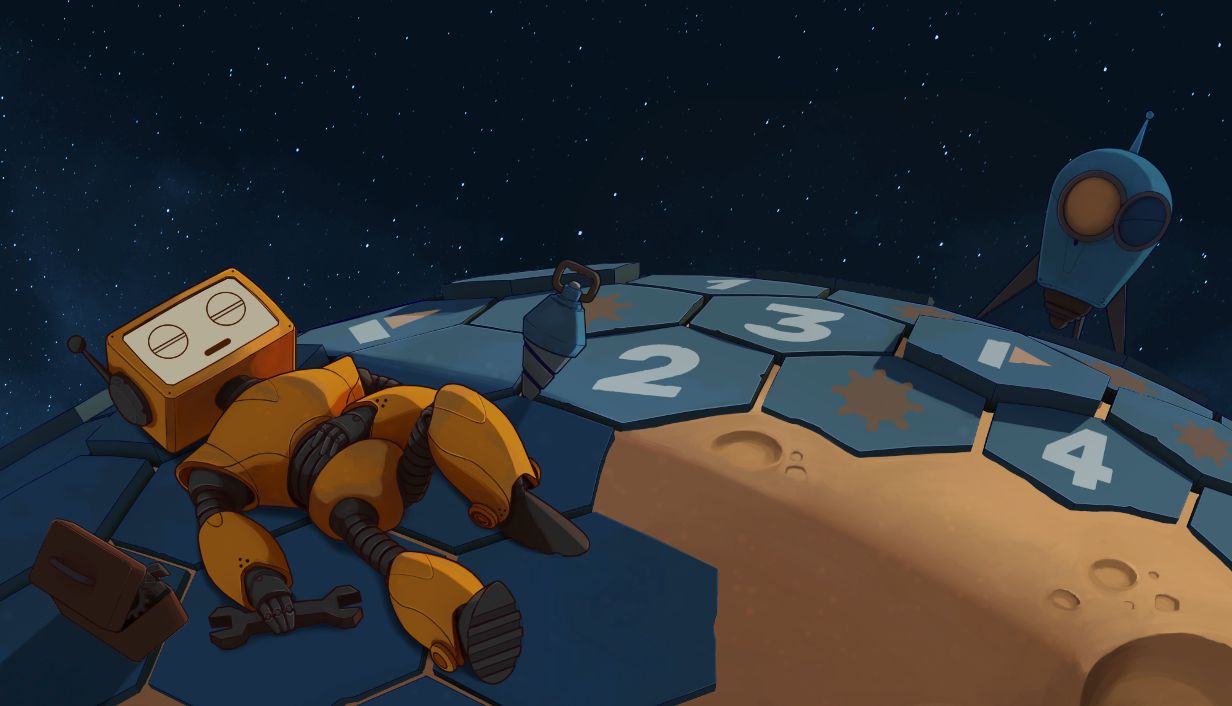
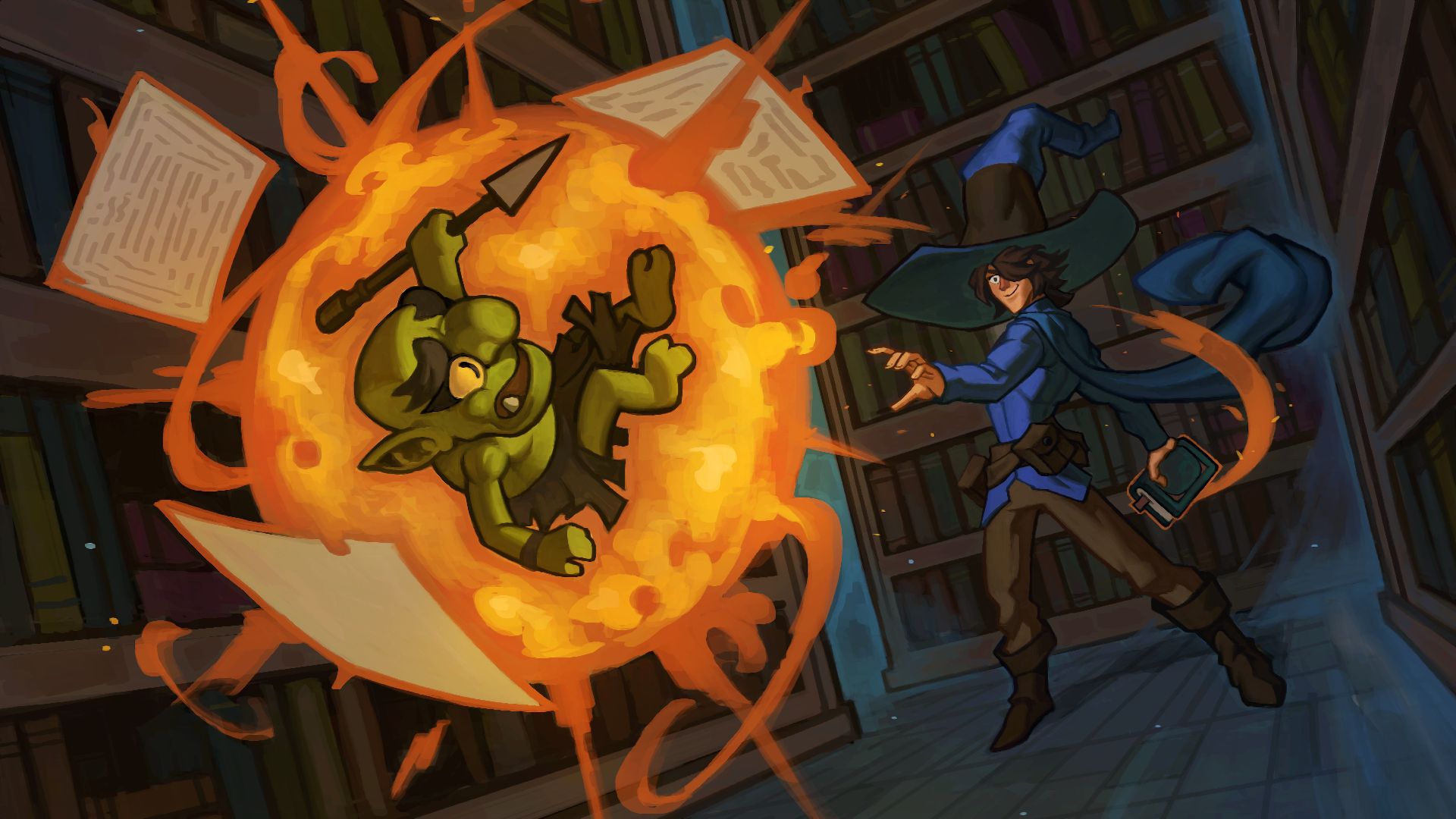
Jensen: Star Fire – Eternal Cycle is a retro-inspired beat’em up action roguelite. Players can explore the unique Insectoid Core system to build endless builds. With the combinations of multiple elements and detachable insectoid cores, every run provides a different experience.

There’s a really cool story at the heart of your game. What can you tell us to set the scene?
Jensen: For the plot, please allow me to keep it secret for a while. What we can reveal is that the protagonist is a fearless fighter. Players must find their own answers within the game. Although the story elements are a bit weak at the current stage, we look forward to refining the story performance in future updates.
The upgrade system leans into the game’s enemy design, with insect-themed core upgrades. What can you tell us about how these distinctive design choices came together?
Jensen: I enjoyed reading post-apocalyptic novels. In those novels, one common setting is that the Earth is under threat from alien bug invasions. That’s how the design idea of insects naturally came to my mind. However, the build system is beyond the insects, as it is just one of the design elements that we used to name the in-game items. We encourage players to explore more of them on their own!

Your background as a team involves League of Legends Mobile. What have you taken from those triple-A dev experiences into the creation of Star Fire?
Jensen: Through our past successful projects, we have gained the know-how to improve the efficiency of game development. For instance, when we plan to create a new feature, we would like to create a simple demo that only demonstrates the framework of this feature, then have the players get their hands on the demo. We will only continue developing this feature and expanding it once the players are satisfied with those new ideas. This is a very reliable method to help us speed up the process and avoid heading in the wrong direction.
Roguelites thrive on depth and long-term replayability. What systems do you have in place to keep players coming back again and again?
Jensen: For major roguelike games, they can be categorized into two major genres: linear build system with no pull back, and non-linear build system that is able to freely detach the components. For the former one, it is easy to get into, but players also get bored quickly, since the depth of the builds is very limited, thus you are likely to build very similar build each run.
We chose the non-linear build system for Star Fire to allow the players to have complete freedom when they are constructing their builds, which they can test out entirely different build each run. Though this build system will make it harder to get into for those who are not faimilar with the game, but I believe rogulike games should be free of choices. Players should be able to find their own preferred, controllable playstyle among those uncontrollable components.

For now, the core system is absolutely the Insectoid Core system. Star Fire now provides 12 different Insectoid Core types. With the combination of various elemental effects, over hundreds of powerful affixes, additional equipment, players have endless possibilities to contruct their builds. We plan to add new game modes and additional content to add more options during the build constructing, and to provide an even more thrilling rogulike experience!
There’s real arcade spirit underneath all the gameplay systems. How are you working out those post-match scores?
Jensen: We design those post-match scores around the common metrics that we have seen in arcade games. To achieve higher scores, try to minimize the number of hits taken in each stage, reduce restart times, and clear the stage as quickly as possible.
Moving forward, what are your plans for Star Fire?
We will continuously update the game, and refine the areas that can be improved. We also aim to add new content like additional Insectoid Core types, new weapons, and even new game modes.
Star Fire: Eternal Cycle is out now on PC (Win) and I played the game via access kindly provided by the developer (and if I can jump back in I will, as soon as we get through the last weeks of peak).