I do enjoy stumbling across a previously undiscovered gem. The latest turn-based treat to entertain came to me via email. Last night, a speculative PR note landed in my inbox, detailing a new turn-based roguelite dungeon crawler that delves into Welsh mythology, made by a studio based in Thailand. A thoroughly intriguing mix of ingredients, if you ask me.
Thus I downloaded the new limited-time demo onto the ol’ Xbox Series X and took a proper look at the game for myself (once the kids had gone to bed, of course). And my gosh darn, I’m glad I did, because FairPlay Studios has put together a really convincing demo to showcase its new game, The Land Beneath Us.
The demo is part of the ID@Xbox Game Demo Fest: Winter 2023 and you’ll be able to play it until December 31 Steam Next Fest and you’ll be able to play until February 12. I recommend you do so, because based on my own experience with the demo, this is the prelude to the release of an extremely promising new turn-based roguelite dungeon crawler.
The game is heading to PC (Steam), PlayStation 5, Nintendo Switch, and Xbox Series next year, and if all you came here for was the basics, consider yourself informed. If you want more detailed impressions about the game, scroll on, Dear Reader, scroll on.
The Land Beneath Us demo on Steam Next Fest
So what is this enigmatic game all about, then? I knew a little going in, but honestly, it didn’t make much sense until I got my hands on the game and worked through the demo. The story is very interesting, however, and I’m thoroughly intrigued by the idea of viewing Welsh mythology through a new lens.
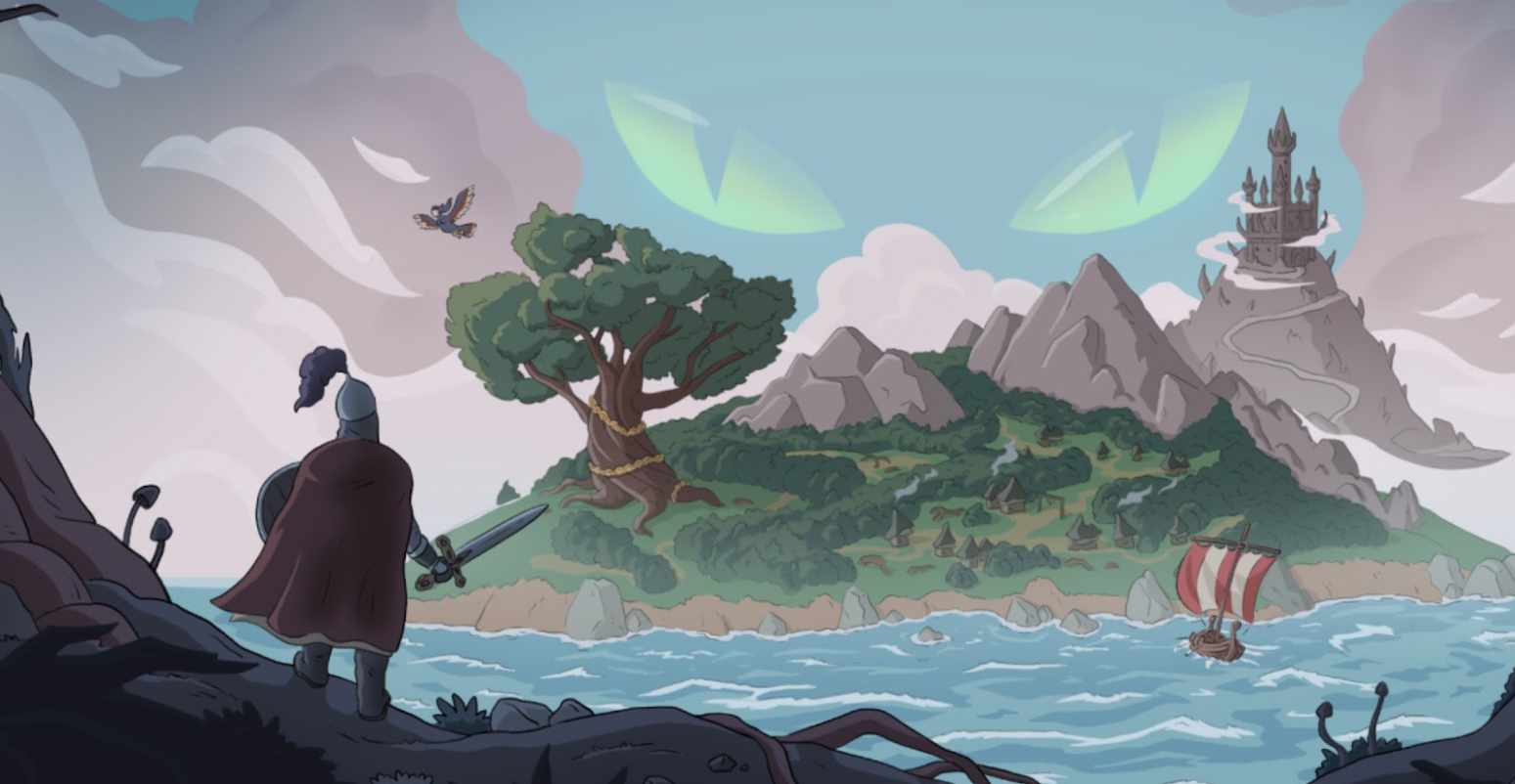
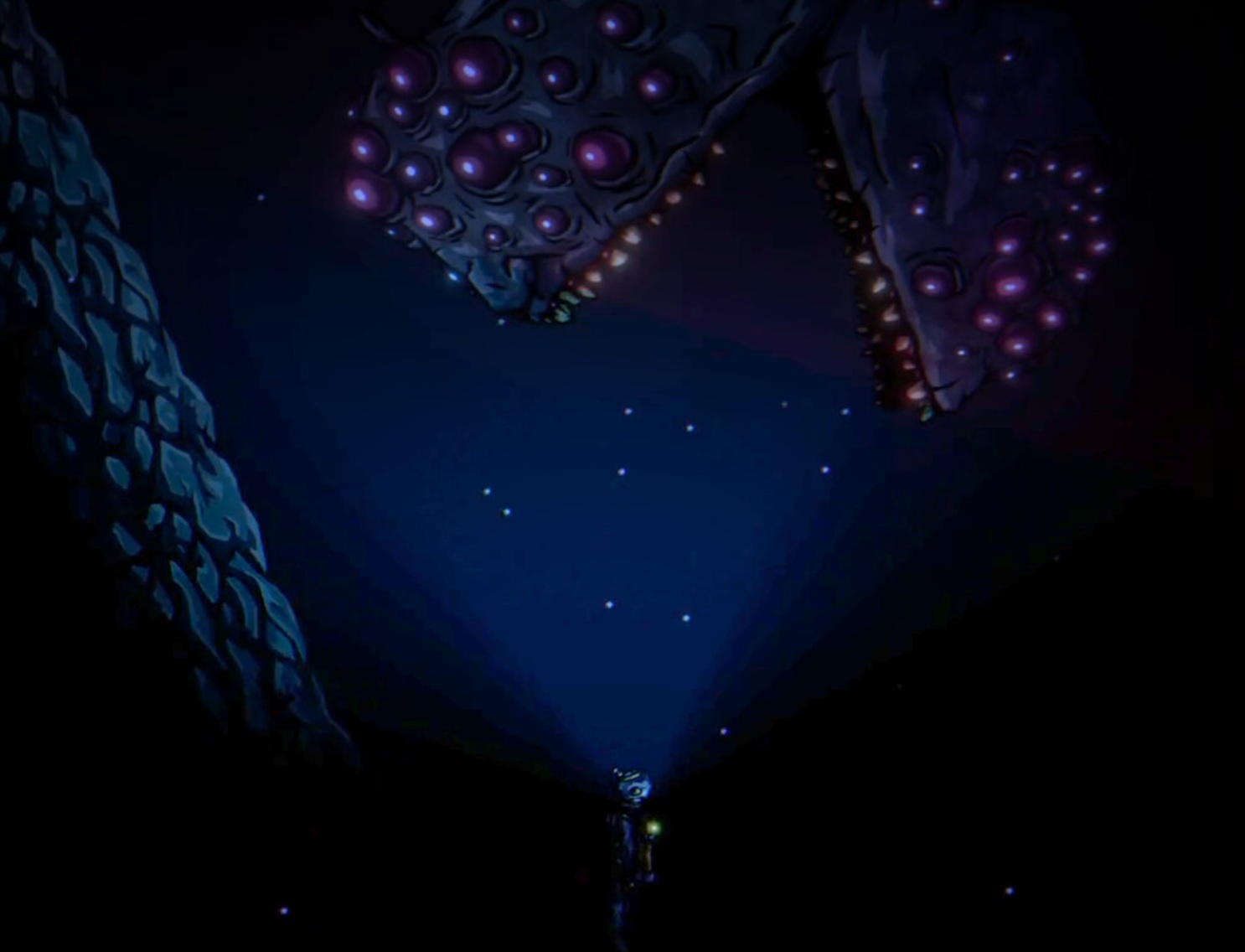
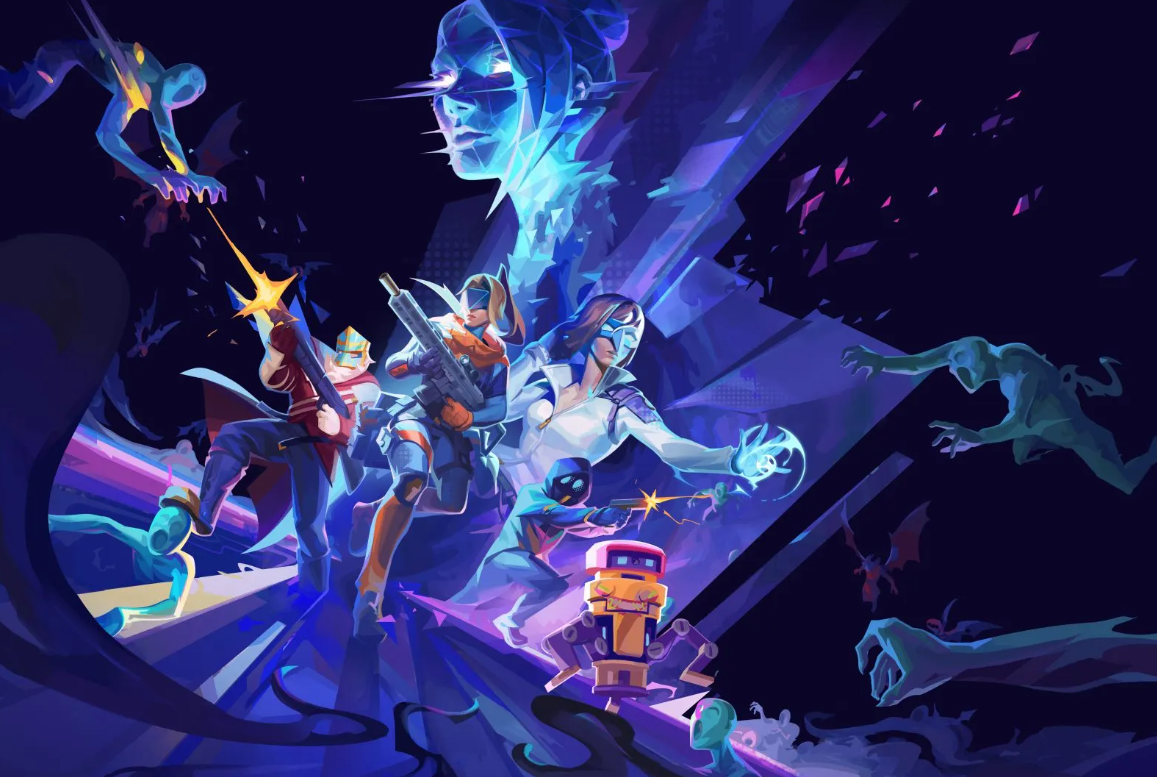
In this science-fantasy tactical roguelite we’re heading into Annwn’s Underworld, a mythological world steeped in Welsh folklore. Our objective: defeat the Seven Lords, save some mysterious character called The Creator, and retrieve some sort of mythical technology called soul-tech.
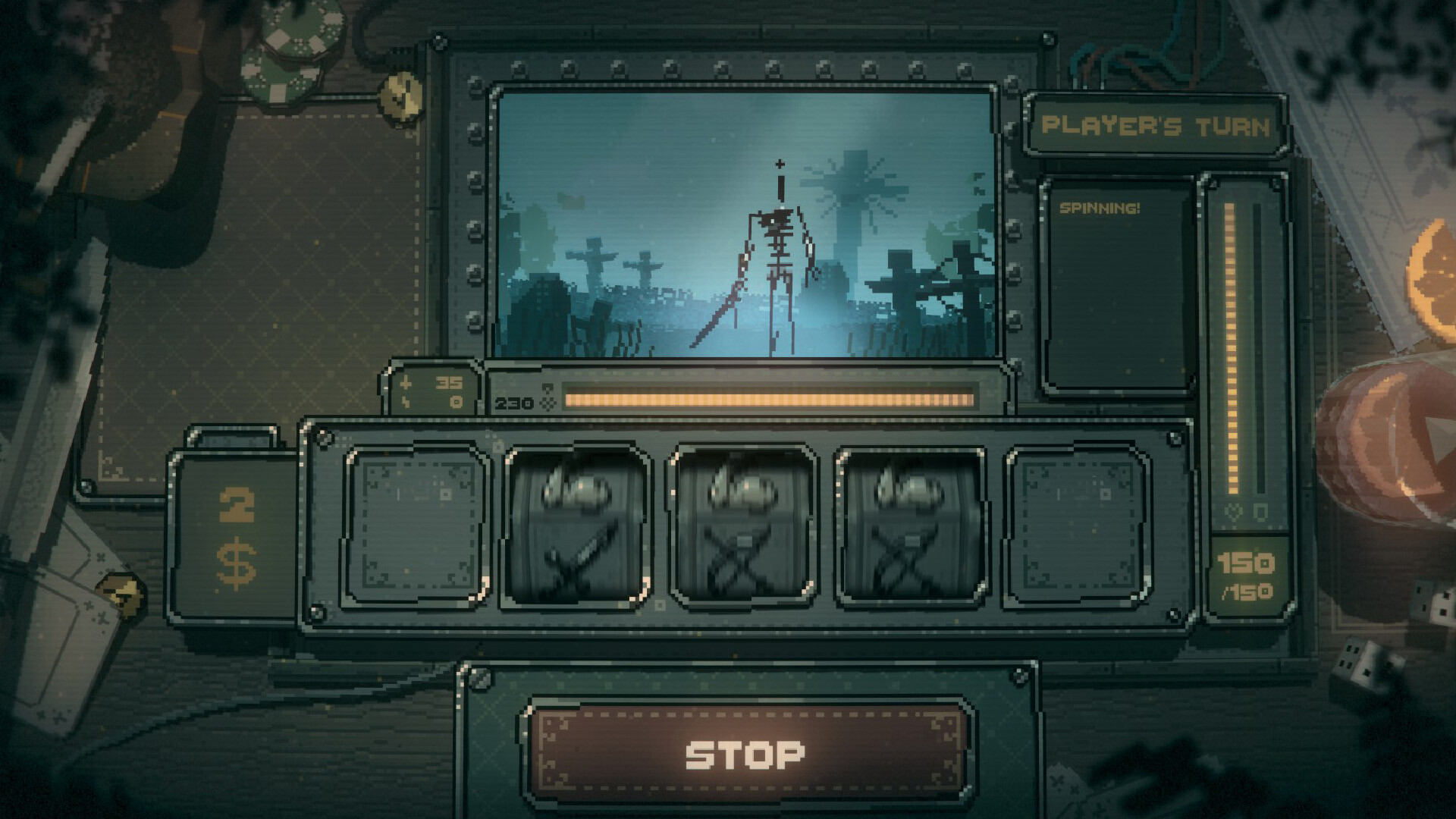
While the story sounds expansive and rich, the gameplay is much more focused. Each challenge takes place in a grid-based room, and combat is turn-based so you can agonise over every single decision. However, one of the aspects of the game that I think has real potential is the ability to jump in and push this turn-based gameplay to the max; kind of like Jupiter Hell. I can see this one working for both speedrunners and more action-inclined strategy fans.

Every creature has its set attack patterns, so once you’ve learned what it does and how to avoid taking damage, you can start thinking about how you’re going to inflict some pain of your own. The combat system in The Land Beneath Us is intuitive yet ripe for complex experimentation – I didn’t need to delve too deep into the combo system but there seems to be the potential for great nuance.
You can move between tiles by going up, down, left, and right, but then each directional movement has a basic attack. At first you’re punching your enemies in the face in the next tile, but it’s not long before you’ve got a weapon attached to each direction and you’re making much more interesting decisions.
Once you’re fully tooled-up in all directions, you’ve got new decisions to make. Will you take new weapons and replace the ones you’ve got, or level up those you’ve chosen so far? Each weapon has its own attack pattern, so you might stab everything within two tiles in front, and you could have a katana that lets you slice past an opponent, moving to the tile behind them as part of your attack. Thus, the combat and movement systems are truly entwined, and you’re choice of weapon will also impact how you navigate a given room.
This aggressive approach to movement is both simple and effective, and I really like how FairPlay has handled turn-based combat in general. At times, dancing around my opponents, waiting for the right moment to strike as they hopped back and forth, I was reminded of Crypt of the NecroDancer – no more so than when I was unexpectedly attacked by a treasure chest with razor-sharp teeth.
Soul-tech, new items, and upgrades
As you explore the dungeons of this mythical vision of a Welsh hellscape, you’ll encounter a variety of characters. There’s a computer guide who revives you and talks to you between runs. This fella knows more than he’s letting on, but he seems to be on my side, so I’m rolling with it. Over the course of the tutorial and my first attempts, this guide explains why we’re exploring the Welsh underground, battling demons, and collecting so-called “soul tech” by killing your enemies.
I didn’t spend too much time engaging with the soul-tech side of things; I just watched the numbers go up in the corner of my screen while I played. On the other hand, I did spend time in the demo upgrading my weapons, equipping different artifacts, and grabbing lots and lots of gold, which I spent on upgrades at the vendors I encountered as I explored the procedurally generated dungeon.

In the respect of its various upgrade systems, what would be an otherwise traditional turn-based roguelike has become a roguelite with proper progression across saves. I think this is where the soul-tech comes in. Either way, I think both traditionalists and roguelite fans are going to appreciate the balance that has been struck here.
Lastly, I should probably mention Sven. Sven is your character; the harvester of soul-tech recruited to save the world. Sven’s ultimate aim is to defeat the aforementioned Seven Lords and rescue The Collector. I’m not sure how he’s going to pull it off, and what this weird exploration of Welsh mythology is going to look like along the way, but I’m into it. After completing the demo, I genuinely can’t wait to delve deeper into this mysterious and engaging turn-based roguelite.