Good day, fellow serfs, and welcome to our launch day interview with Save Sloth Studios, the most magnificent developer of a new game that has just launched today: The Royal Writ.
I dare not bismerch the brilliance of their answers with an overly verbose introduction, so without further ado…
First of all, Your Majesties, thank you for taking the time to answer our humble questions. My first is thus: what would Your Highness like our readers to know about the power behind the crown?
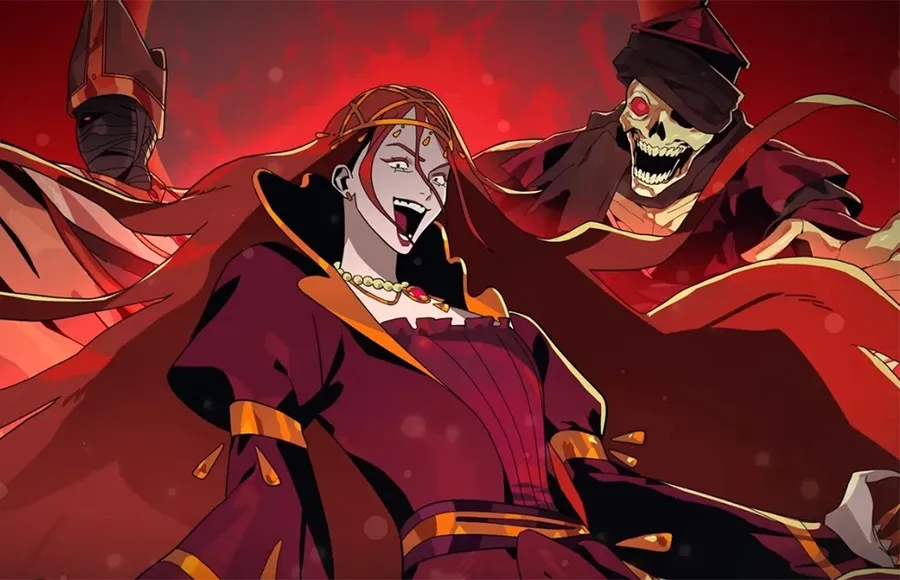
Well, my dear peon: the secret of my success is that I make sure that everyone likes me. And I don’t even care about those who don’t! But you do like me of course, don’t you? You do, right?

My lord/ladies, if it pleases thee, would you describe The Royal Writ?
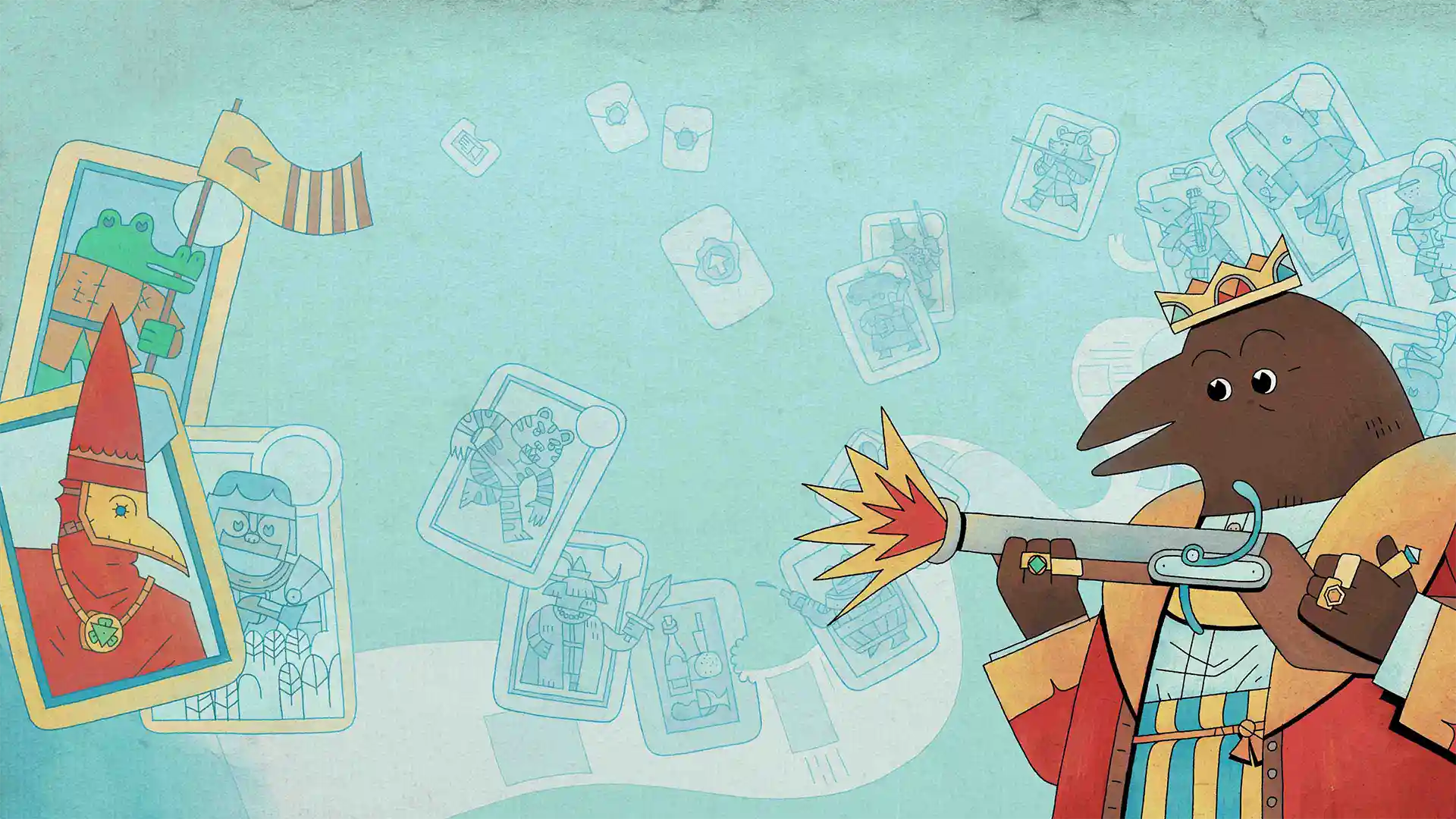
The Royal Writ is a roguelike deckbuilder, where you place characters down in lanes, after which they advance toward the enemy, dealing damage. But watch out! If they reach the end of the lane, they die. Permanently! And while that might seem bad, sometimes you need to sacrifice someone in this game in order to win!
Your most regal deckbuilder has a distinctive blend of sarcastic wit and almost Disney-esque charm. How did this come to be?
We’re not giant history buffs but we definitely know a lot about Hungarian history, given that we still live here. And the thing about the history of our country in the middle ages, is that a lot of moments are really funny in a grotesque way. We have a king that is most known for dying by his throne collapsing on him. I think this juxtaposition that we can now see from centuries later — that honest, diligent “subjects” of these kingdoms all worked hard for something that walked all over them, resulting in them dying, most of the time, senselessly. This could be told in a tragic way, but I think putting characters that could’ve walked out of an illustrated children’s book just helps poke holes in the “tapestry” of our troubled history. This helps illustrate how crude and evil these times were, but also how everyone thought that was totally normal at the time — thus creating this grotesquely funny theme for the game.

I can’t play a game with this much historical influence and not think about marginalia and other classic art styles. What can you tell us about the audio-visual design of the game, sire?
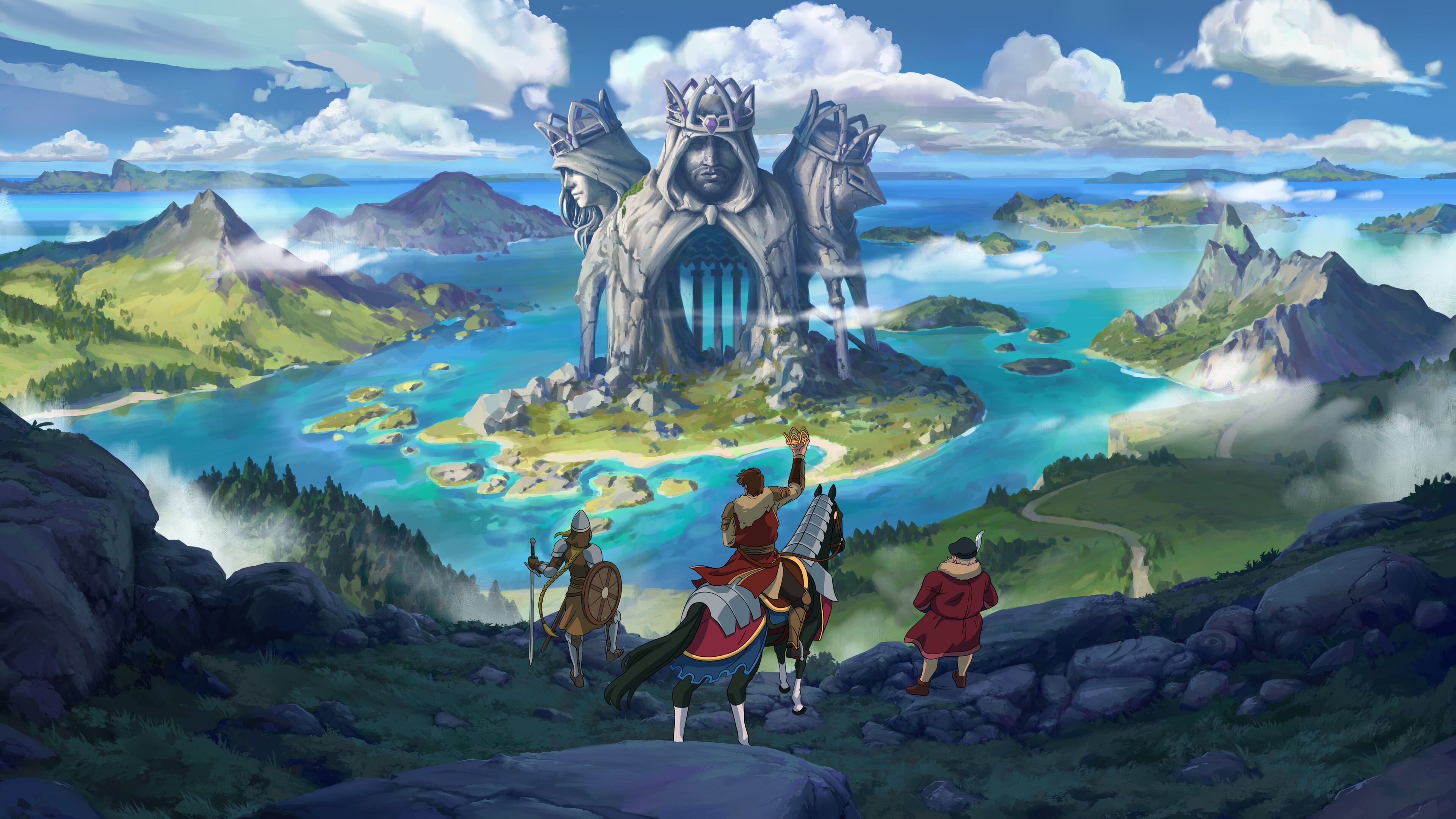
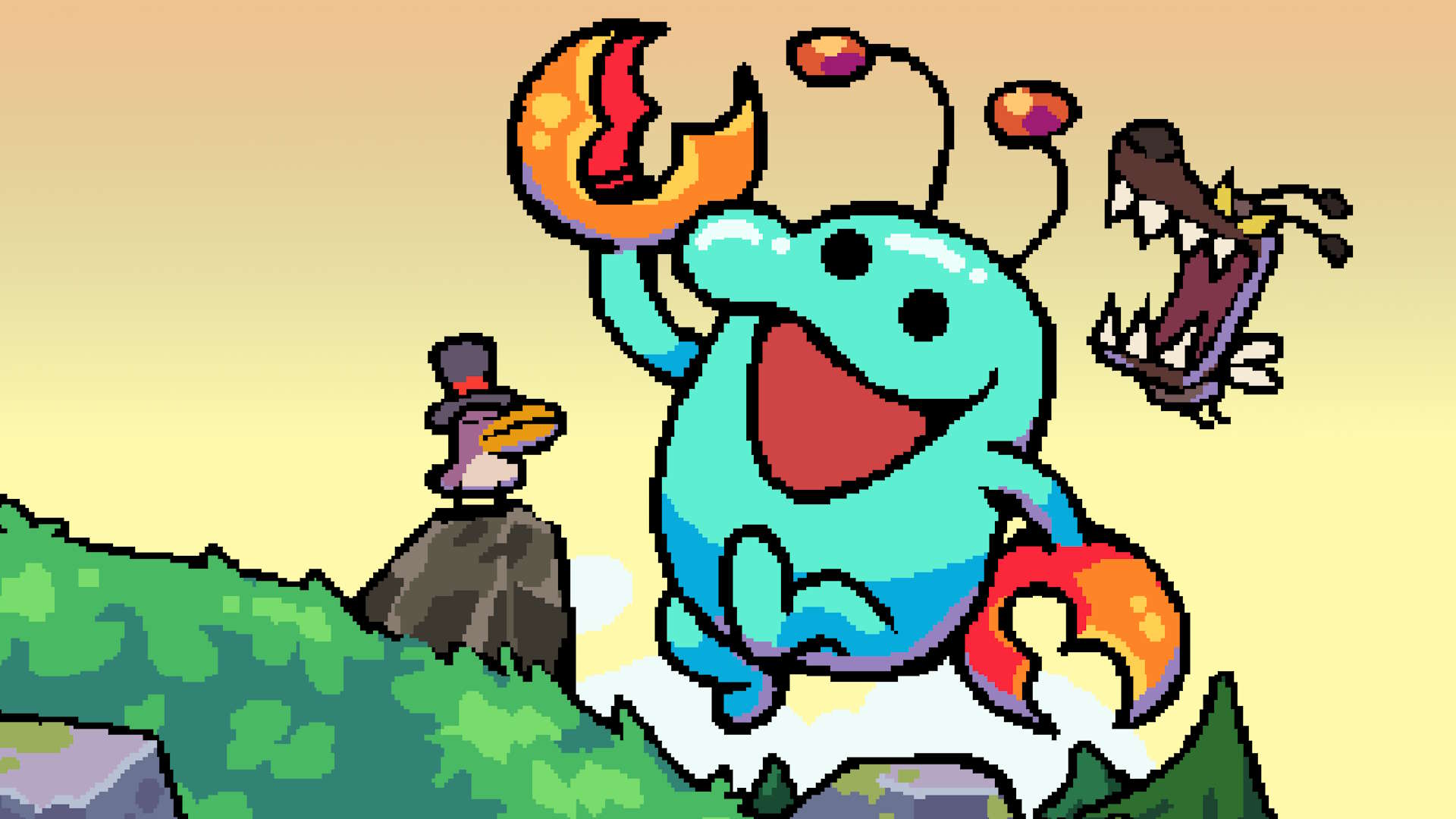
We looked at countless references when creating the visual style, from actual codex illustrations and patterns to religious objects in museums; strictly looking for authenticity in clothing, everyday objects or buildings/interiors. And then we went back two steps, and thought about how the game’s visuals could be distinct too, that’s why the medieval elements are drawn in a picture book-esque style. Lots of medieval-themed media is gritty not just in tone but in colors too, presumably that the vibrance does not detract from the seriousness of the story — but in our case we could take full advantage of the colorful nature of the middle ages. It makes the king’s conquest all the more valiant and graceful, but also where an iron maiden can be illustrated in the same cutesy style, making the tone of the game a lot more sarcastic.

Creating the music was an entirely different process, we asked our composer Narek Papoyan to describe his thoughts:
“For this soundtrack I aimed to match the visual design’s efforts in marrying aesthetic beauty and playfulness. The music is full of animal noises and comedic moments, but it still leans on lush harmonies and textures. Gitaroo Man is a game that is really dear to me and it embodies this spirit perfectly with its eclectic music direction, so I tried to channel its energy for some of the tracks. I also took inspiration from many music traditions that I cherish, such as Spanish folk music, Hungarian folk music, nuevo tango, and light music, to name a few.”
Drilling down deeper, because I’m fascinated by the theme: how did the anthropomorphic animals and the overall character design come together?
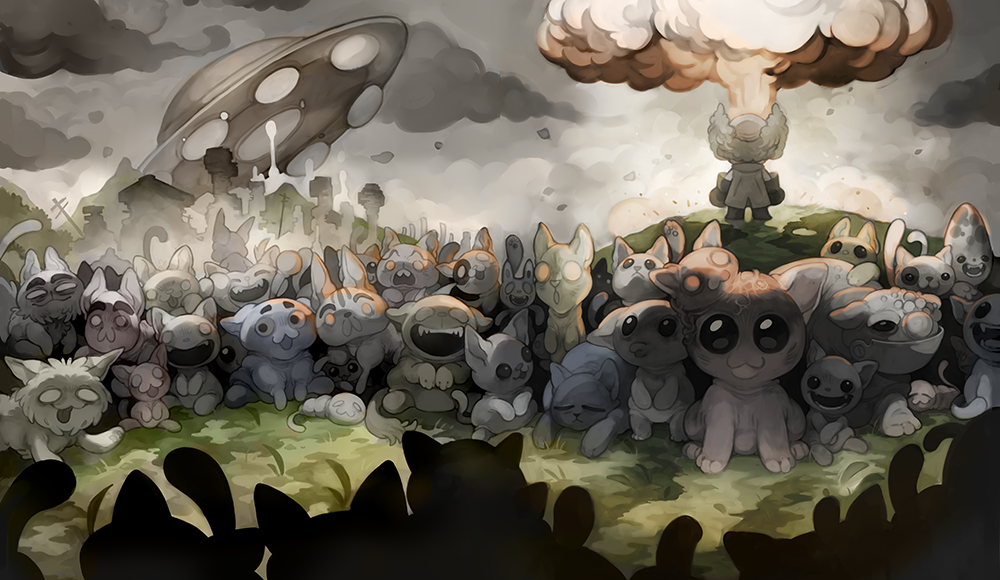
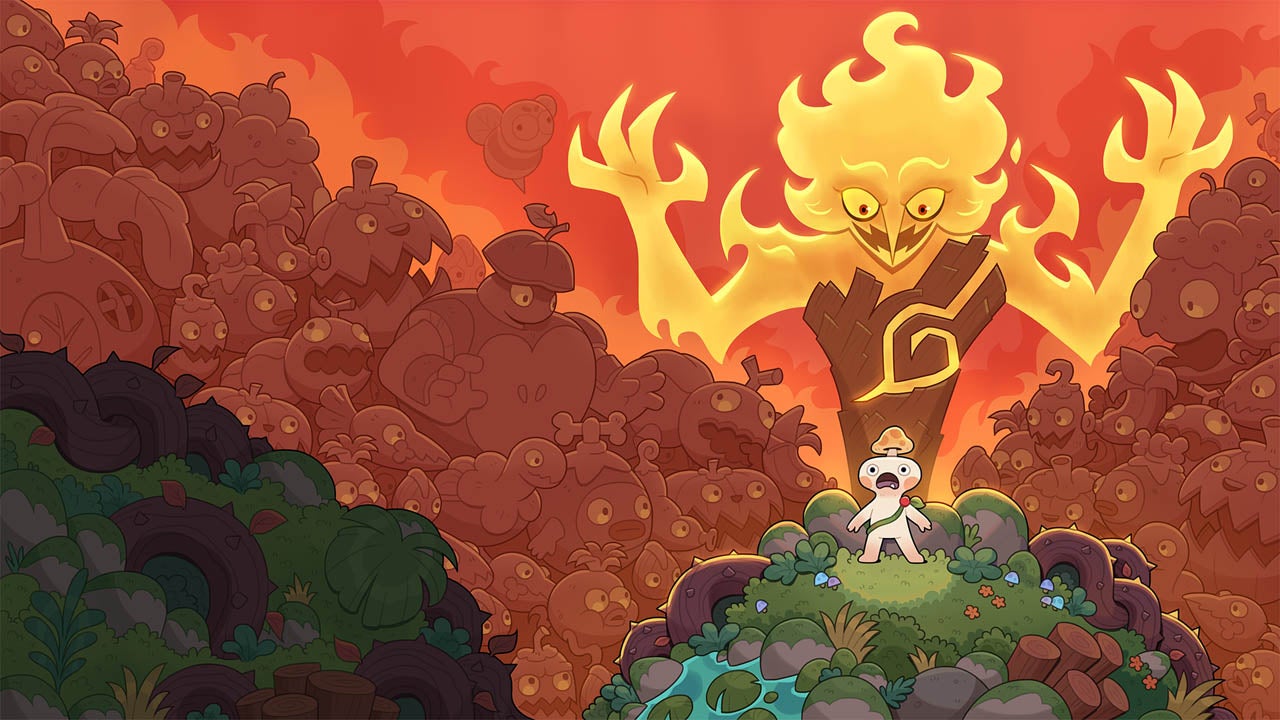
I think watching realistic bunny soldiers go die in a pit would be a lot less funny, that’s for sure. We knew that from the getgo, that’s why we choose the option that the main characters of the game are all adorable little animals – they’re all so honest, fragile and helpless, hopefully you mourn them a lot more when you accidentally (and permanently) lose them in a run. Animals are also a lot better than humans in a sense that people already associate certain traits and personalities with specific animals, before we’ve even started to draw a sketch of one. So that helped a lot: a parrot copies, a leech sucks blood so he has to be a doctor, a hedgehog is already a fierce armored soldier, etc. So that was a lot of fun, trying to find animals that fit their profession or vice versa, all while closely following what their actual ability is in their game. With a few exceptions, all of the named characters in the game are different animals – which started becoming a problem at a certain point when we seemingly started to run out of obvious animals to illustrate. Rabbits, badgers and cows all were used after we’ve drawn ~170 animals, that’s why you meet more goblin sharks, pink fairy armadillos and horseshoe crabs in the latter stage of the game — of course trying to illustrate them in the same adorable style as we would a bunny.

My liege, please do tell us how you ensure replayability over repeated plays?
In very simple terms, there’s lots of stuff to do! But really, we try to provide the player with multiple options at every turn in the game: the multiple NPC encounters on the map are always randomized and all do wildly different things, the cards you get from them are not always the same, the maps which you play on might have a pit in a spot to fall in or something positive, and even the level-ending bosses are chosen randomly from 2 different options. And the game is not just randomised, it’s also pretty vast, not just in terms of cards, of which there’s a lot, but also the possible synergies and buffs and opportunities that different sets of cards and relics provide. Adding these two together makes sure that you never have to runs that are that similar to each other — a strategy you tried might’ve worked previously, but the set of circumstances forces you to adopt a new one, that’s why it’s always fun to experiment and try out new things because you never know when you’ll be creating the best winning combo possible.
Finally, Highness, is there anything else we needeth know about The Royal Writ?
I don’t know if you heard about it — I myself was just updated on this by my Cohort Council — but there’s a store called Steam? And you buy a ‘Game’ there supposedly? I don’t care much for games personally, I have too much governing to do. But you should definitely look into this!
As decreed, The Royal Writ is out today on PC (Win), and I played the game via access graciously provided by the developer and their PR servants.