The success of Titanium Court at the IGF this year goes to show that a game can go a long way when driven by witty irrelevance and atypical game design.
Titanium Court is a surreal strategy game from AP Thomson, and earlier this year, it took home the coveted Seumas McNally Grand Prize and also an award for Excellence in Design. As someone who usually pays attention to what happens at the Independent Games Festival, my interest has been piqued ever since.

So what is it and why did it win big at the IGF?
I’m going to be vague on purpose when describing the contents of this game, because like one or two previous IGF winners before it, this is a game that exists to confound your expectations. Of course, you can read my thoughts on the matter here, and I’ll do my best to sidestep and evade spoilers like a ninja, but ultimately, the less you know going in, the better time I think you’ll have.
The fresher your experience, the more it’ll surprise you. Titanium Court does this by playing with your experience of the medium itself. Without wanting to make it sound wanky, developer AP Thomson has explored the liminal space between our shared understanding of what a game should ask you to do and then how and why you go about doing it.
If that all sounds a bit unusual to you, you’re not wrong: it is quite unusual. Titanium Court is a strange little game, and sometimes I found the amount of text and clicking about the place to be borderline tiresome. However, the reason why Titaniuim Court won all those awards is that every time one finds themselves staring down the barrel of mundanity, AP Thomson fires a salvo of brain-crunching match-3 gameplay at you, or has the audacity to make you laugh out loud through some well-observed witticism.

What is the Titanium Court, then?
Trying to explain a game like this one is easier said than done. Just when I think I’ve pinned it down, something new is introduced, and the game’s oddball narrative continues to unravel in between all of the sequences of match-3 gameplay.
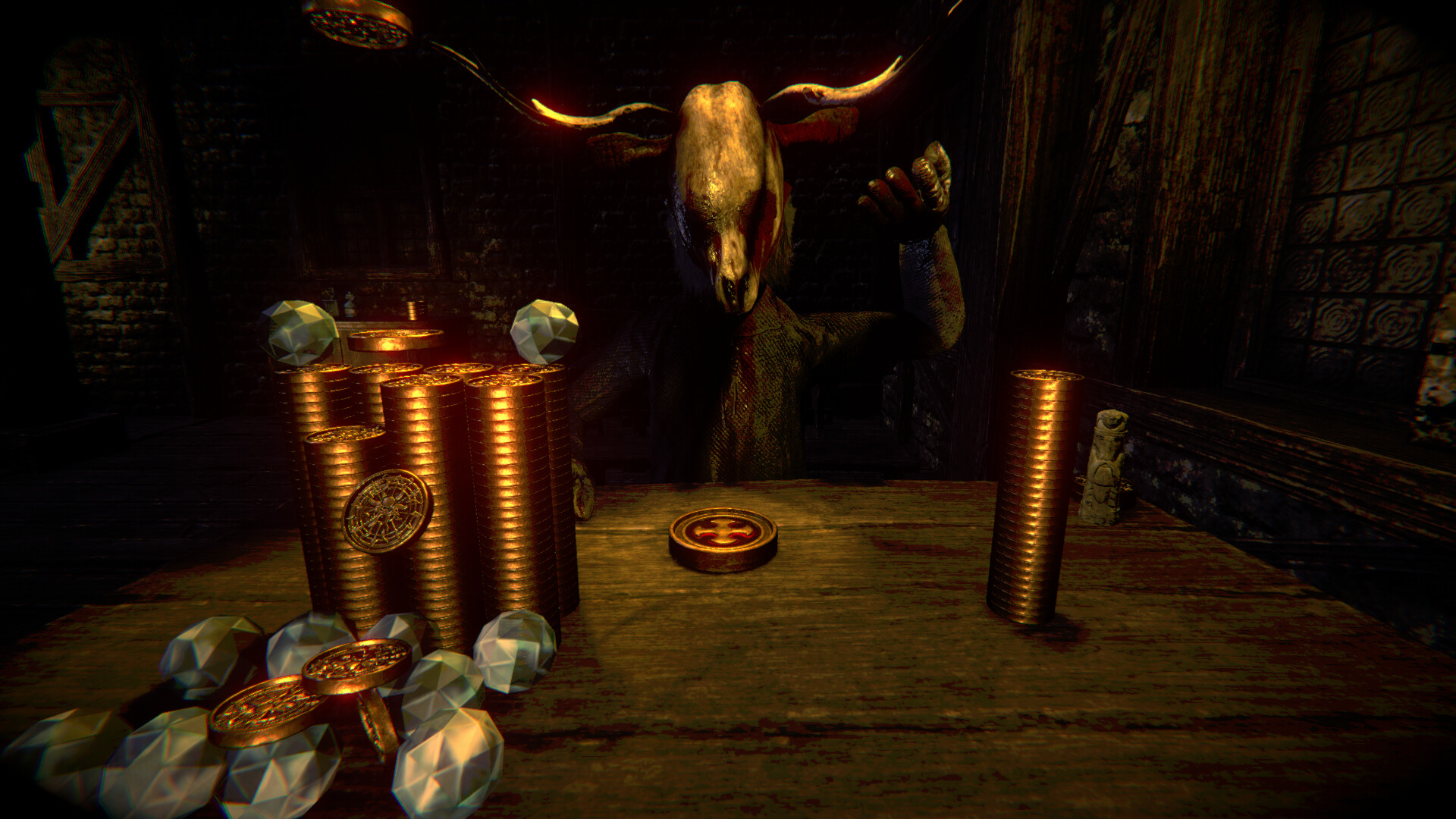
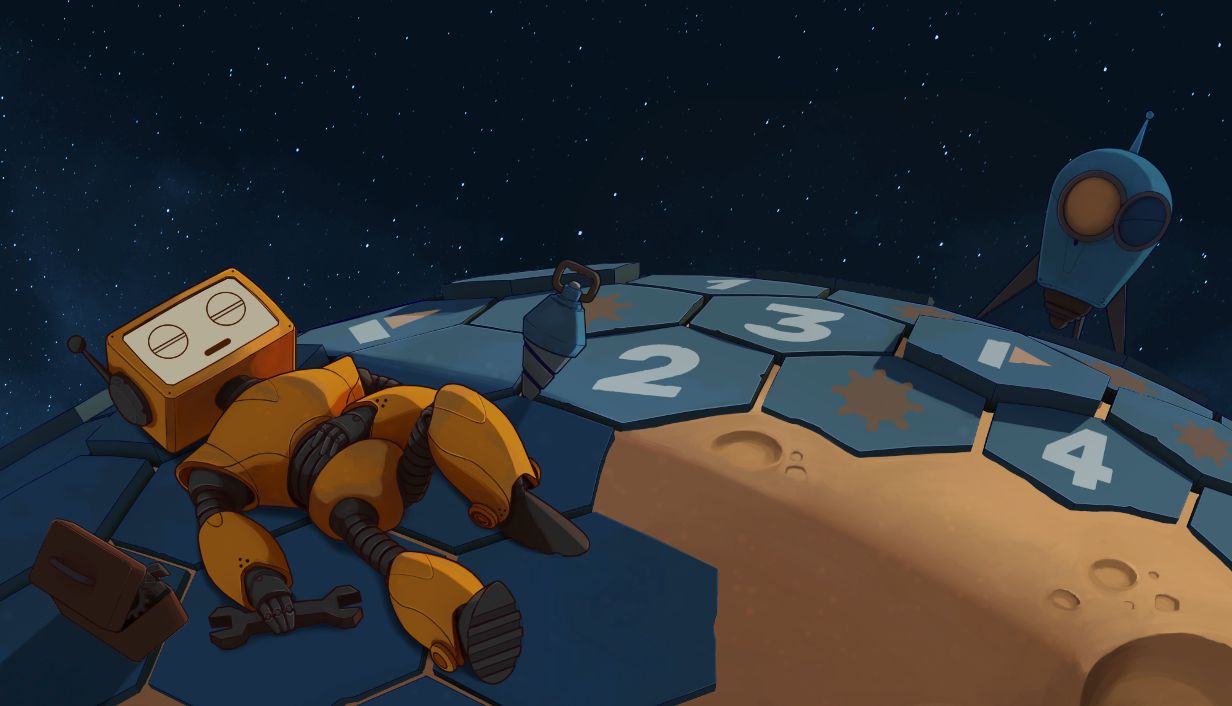
A big part of the experience is a point-and-click-inspired exploration of the eponymous court. Therein is a cast of surreal characters with obscured intentions, and as the new queen of this eccentric court, you must lead your people into an ongoing perpetual war.
When you’re not swapping tiles, you must interact with the denizens of your court and explore your environment. If you don’t have the temperament for this sort of gentle storytelling and characterful discovery, then bear in mind that Titanium Court is full of it.
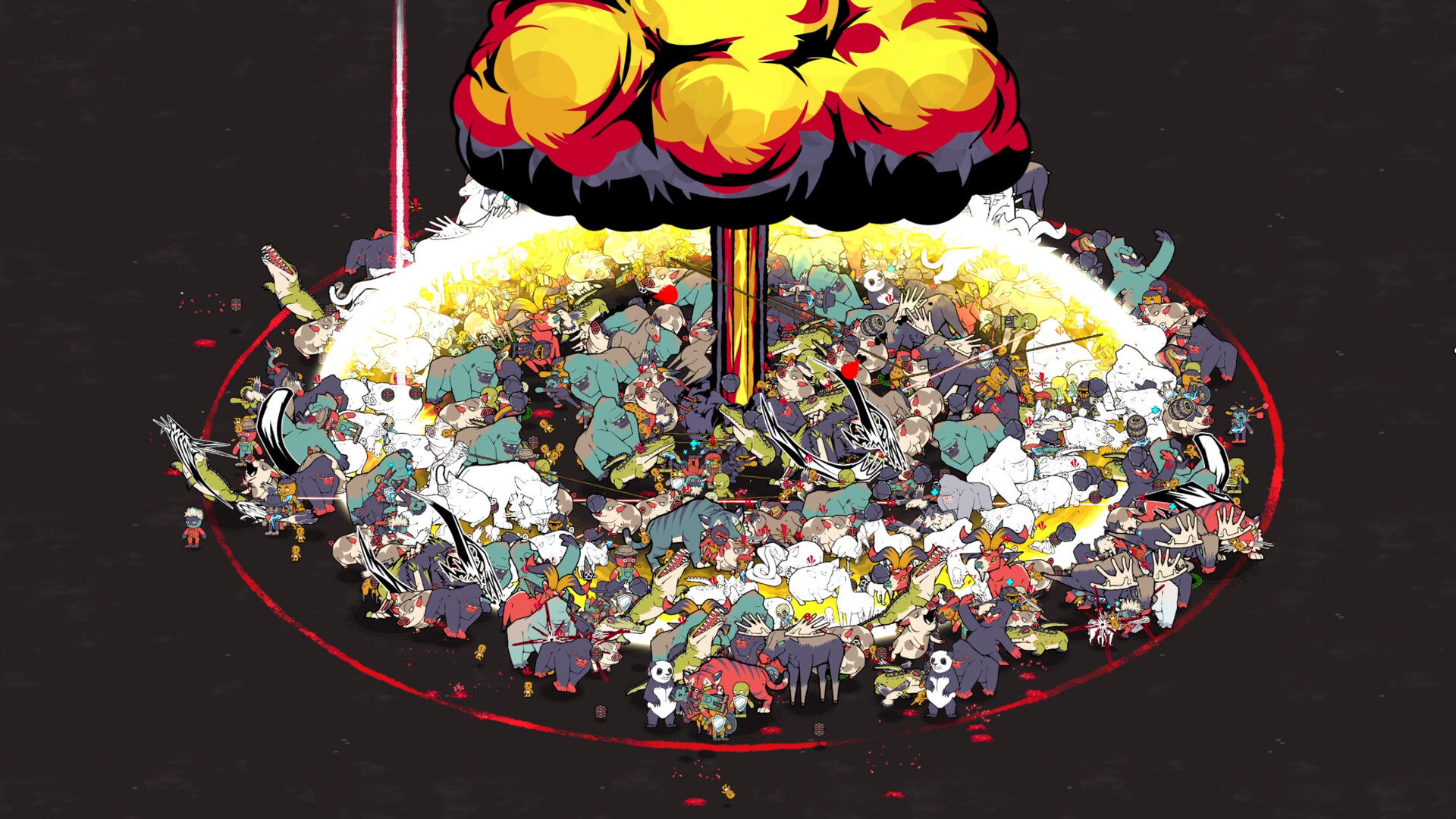
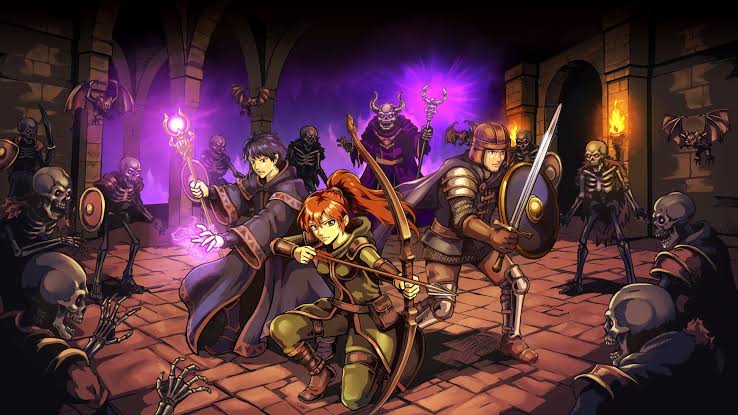
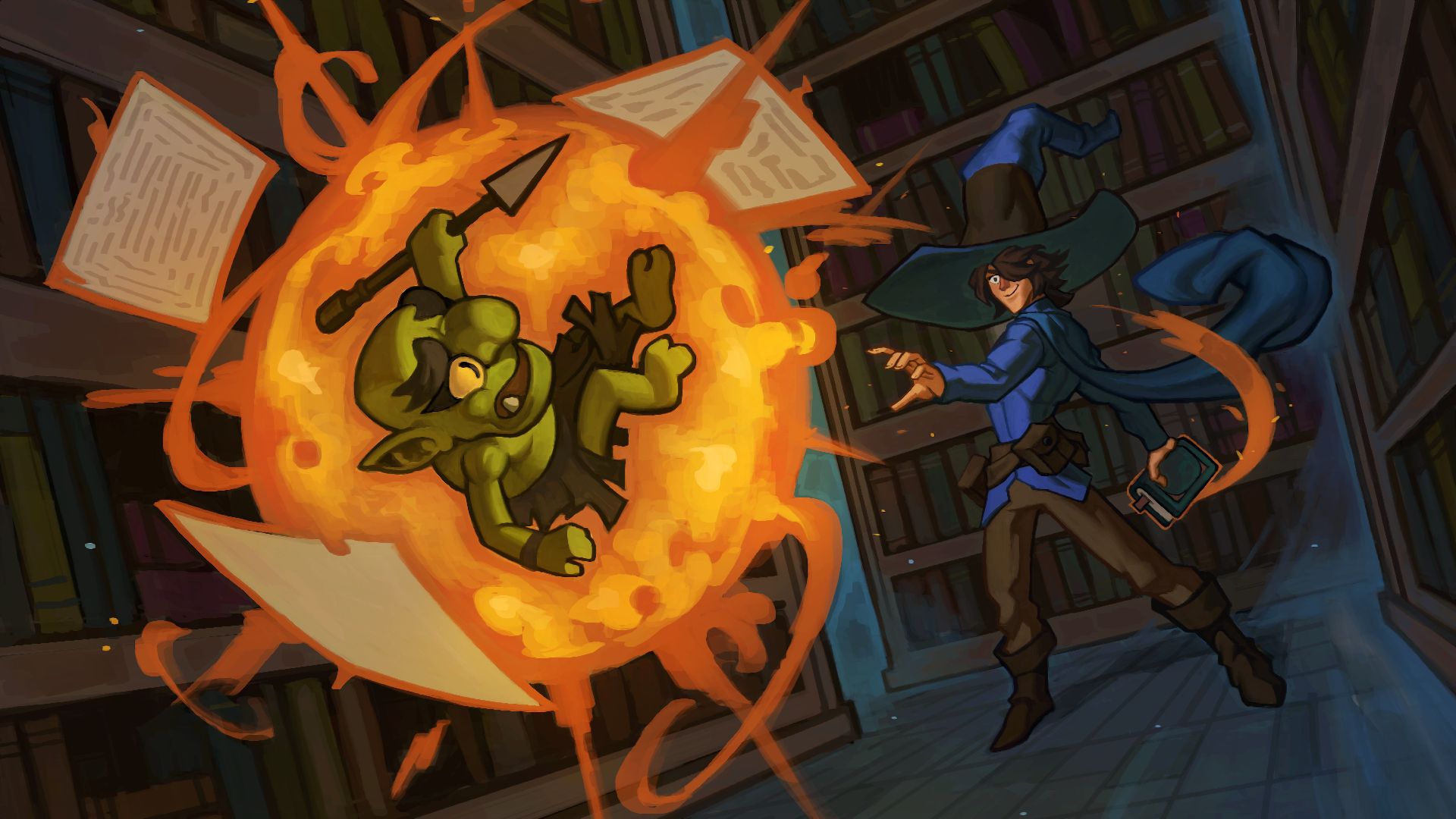
Things are more by the book when AP Thomson gives us a crunchy puzzle board or two to play through. These sections of the game involve match-3 gameplay that precedes automated battles. Simply put, you move tiles around, trying to connect them together. Doing so removes them from the board, and some of the tiles here contain enemy units. Thus, you must remove dangerous tiles wherever possible, recruit the units you need to defend yourself and harvest new resources, and protect your castle.
Battle is automated, so once you’ve matched all the tiles you can and recruited some units, it’s game on, and your units will carry out their instructions. The dust settles, and you either lose and return to the court, or move your run forward to the next biome.
The map shows some info so you can push each run in a certain direction, and there is a constant stream of wrinkles for you to think about and (hopefully) overcome. You won’t always succeed, but the little challenges do give the gameplay some much-needed variety.
I’m going to go back and play some more of this one, because who knows where it is going next. Everything here has been curated and constructed to illicit some sort of response, from the distinctive art through to the quirky writing.
Titanium Court is a thought-provoking video game with a sense of mischief that you don’t often find out there. That said, if you play games to have your expectations met as frictionlessly as possible, I would recommend something more conventional. On the other hand, oddballs and absurdists, and anyone who enjoys both the irreverence of classic point and click adventures and the simple joy of roguelite puzzles, will be welcomed at this court with open arms (and a quizzical look, no doubt).
Titanium Court is out now on PC, and I played via access kindly provided by the publisher and friends.