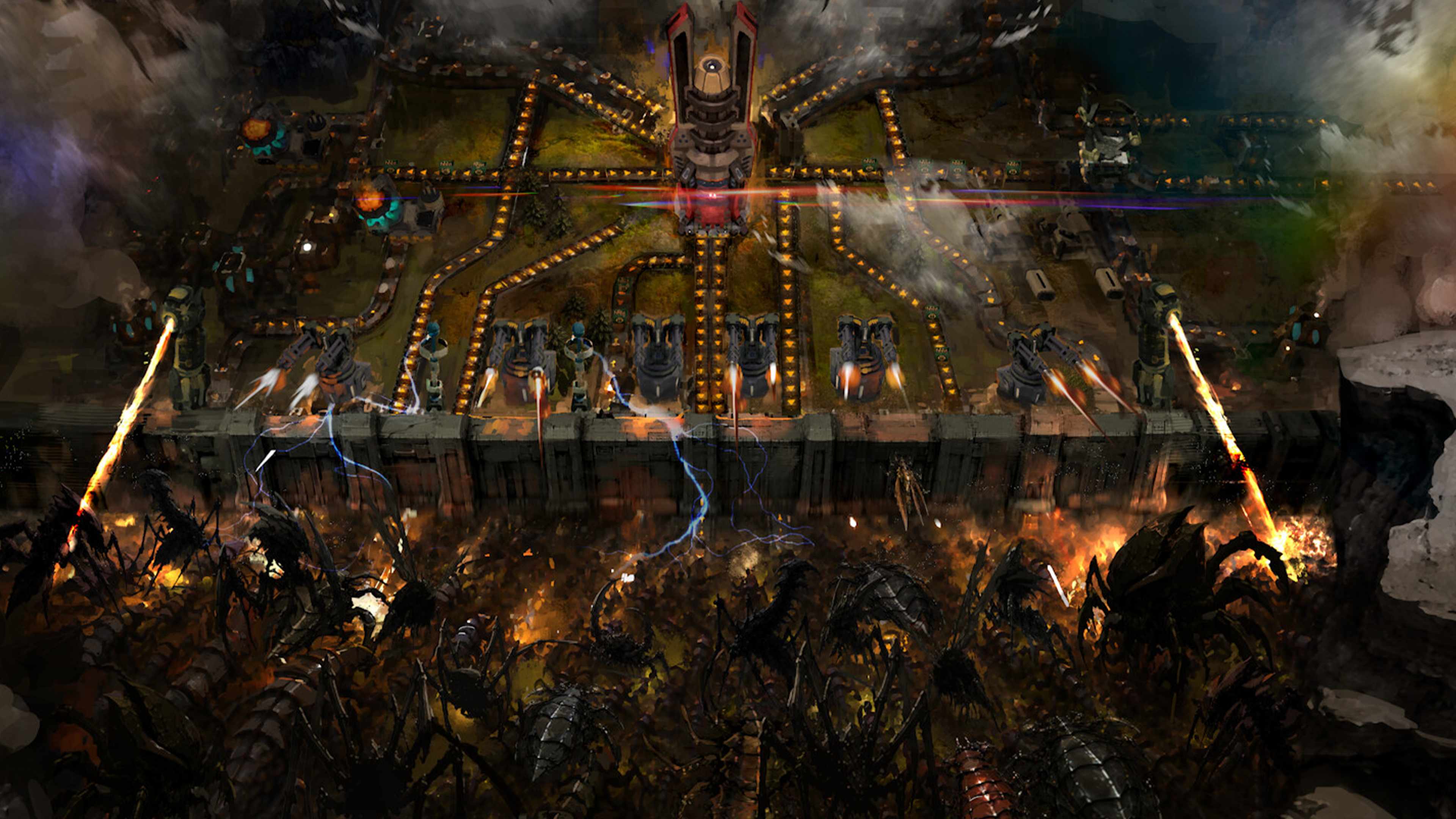
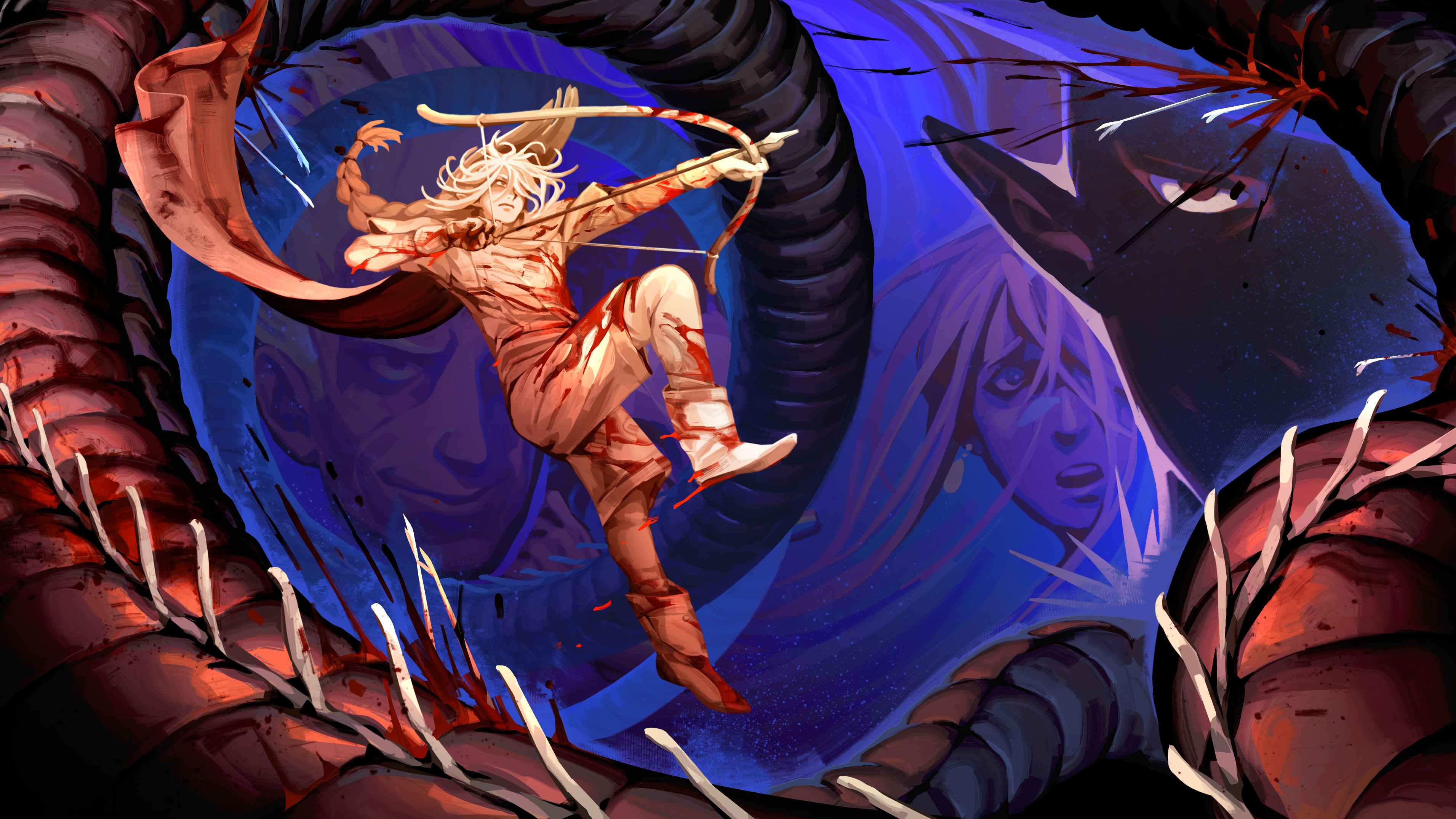
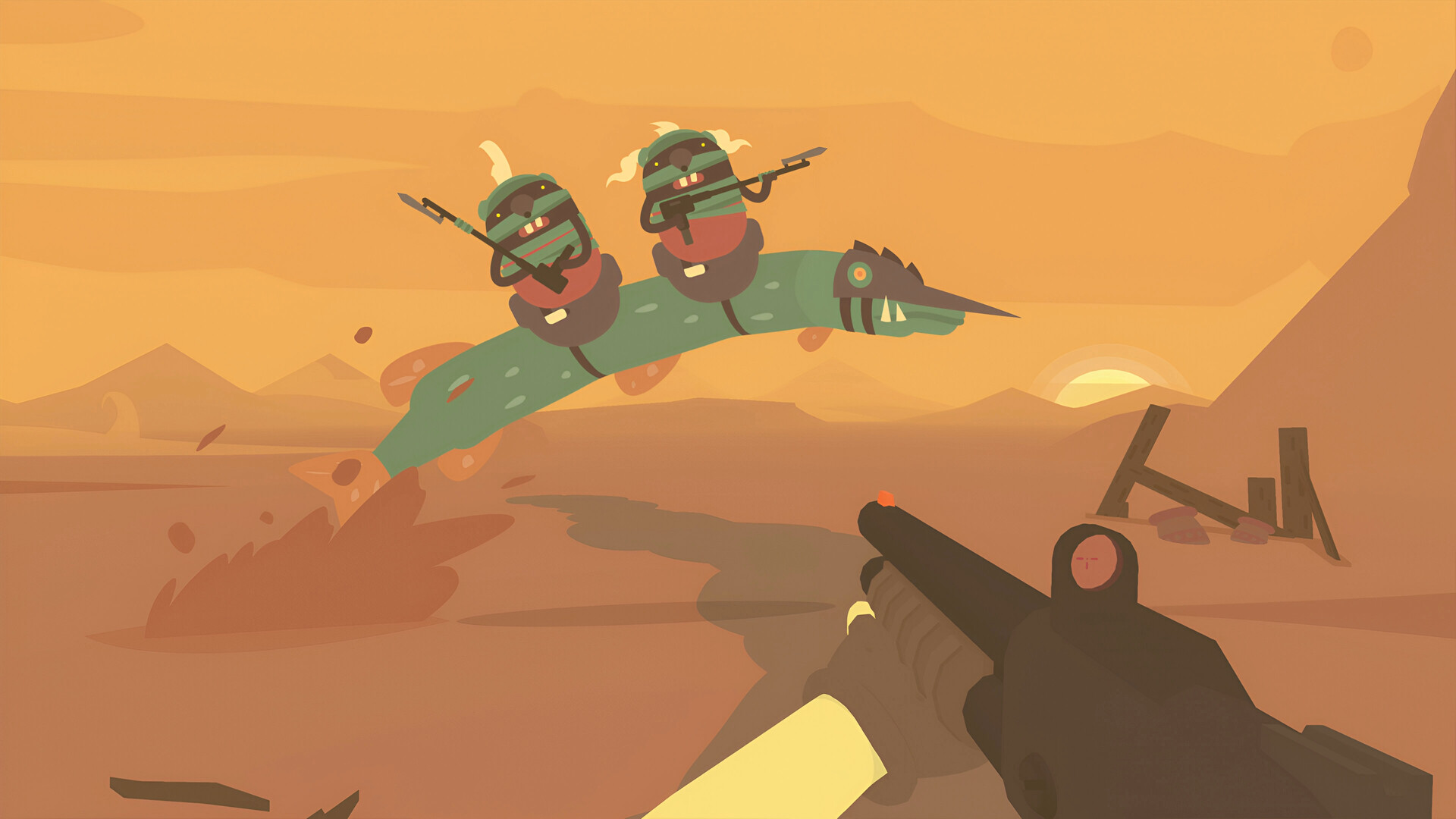
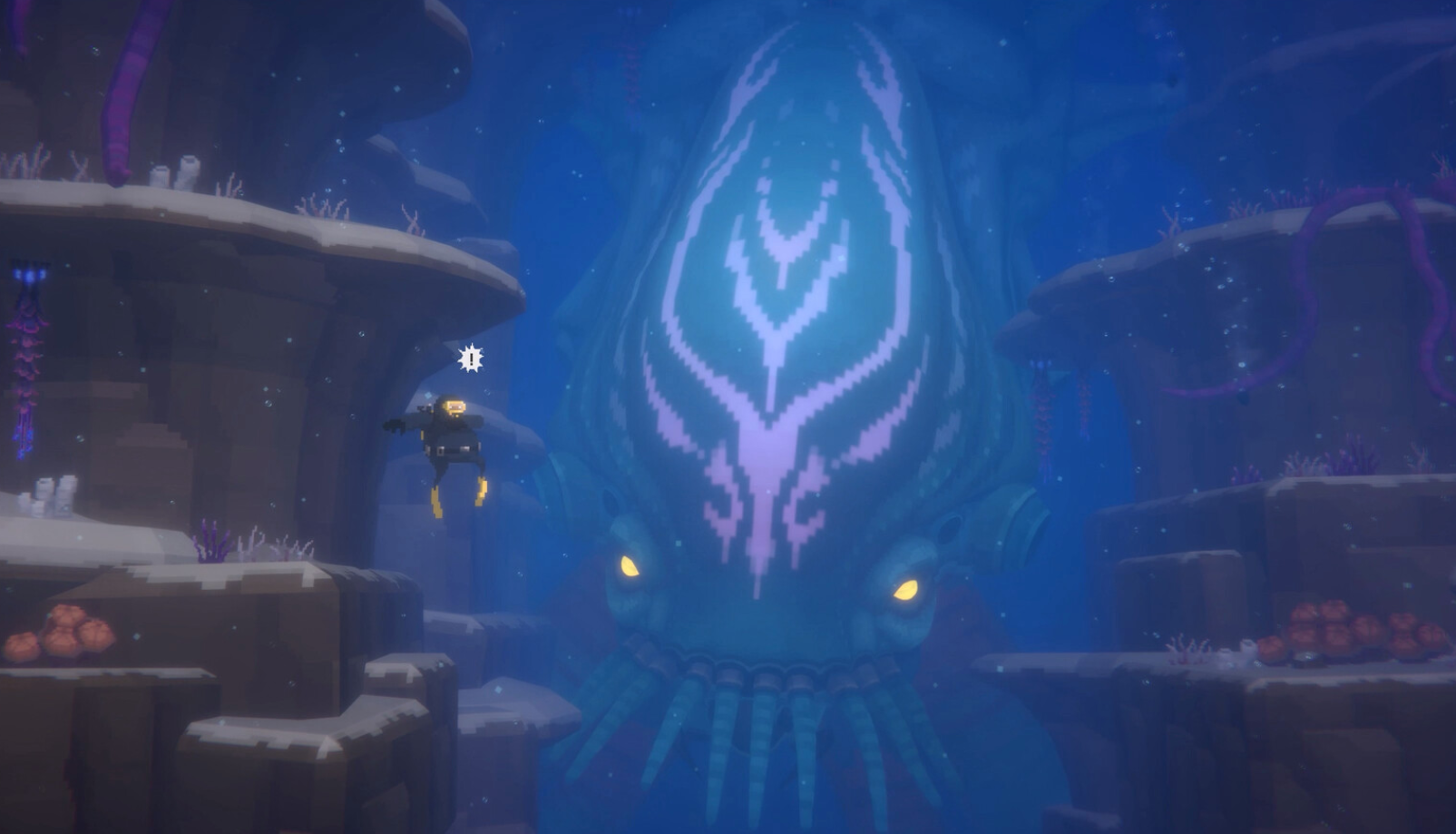
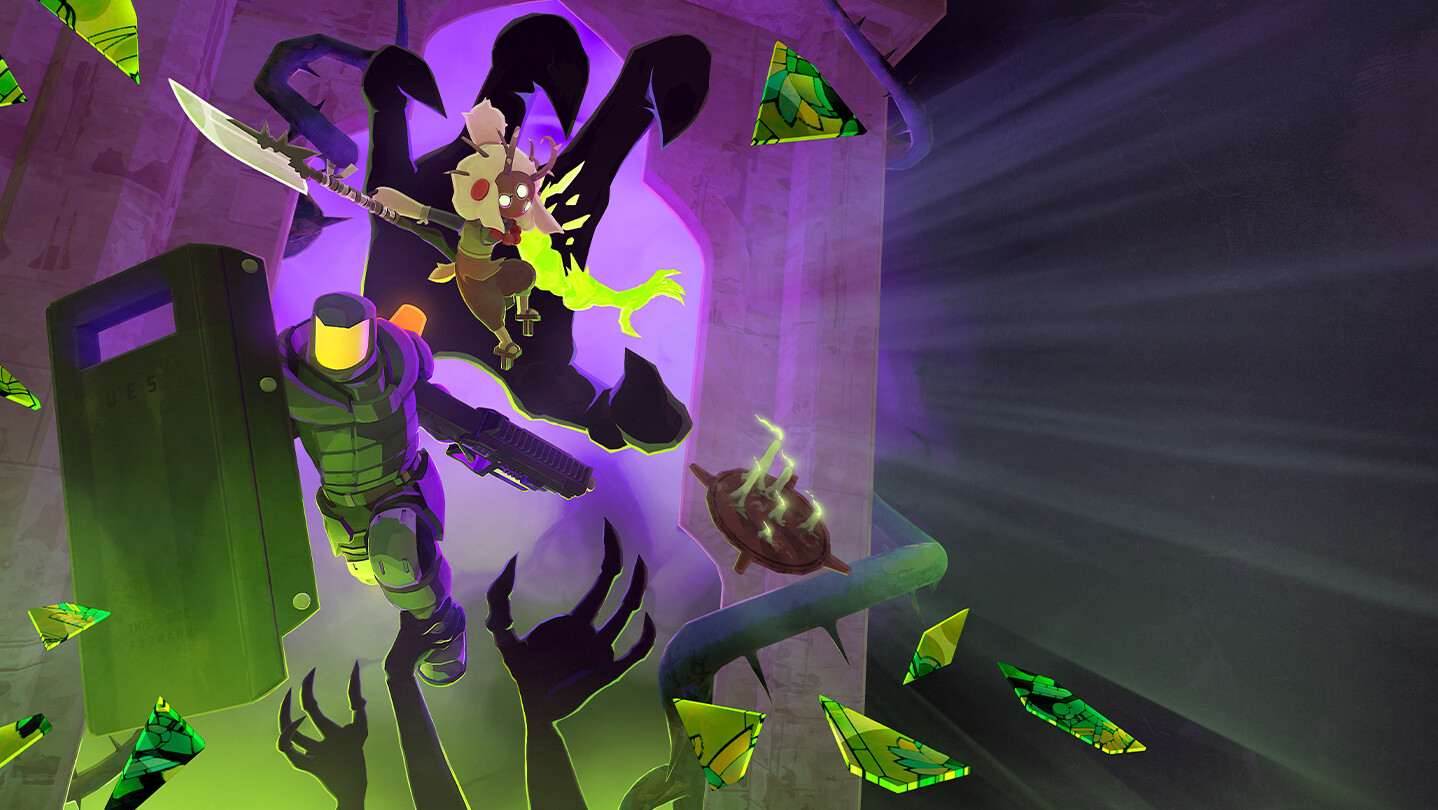
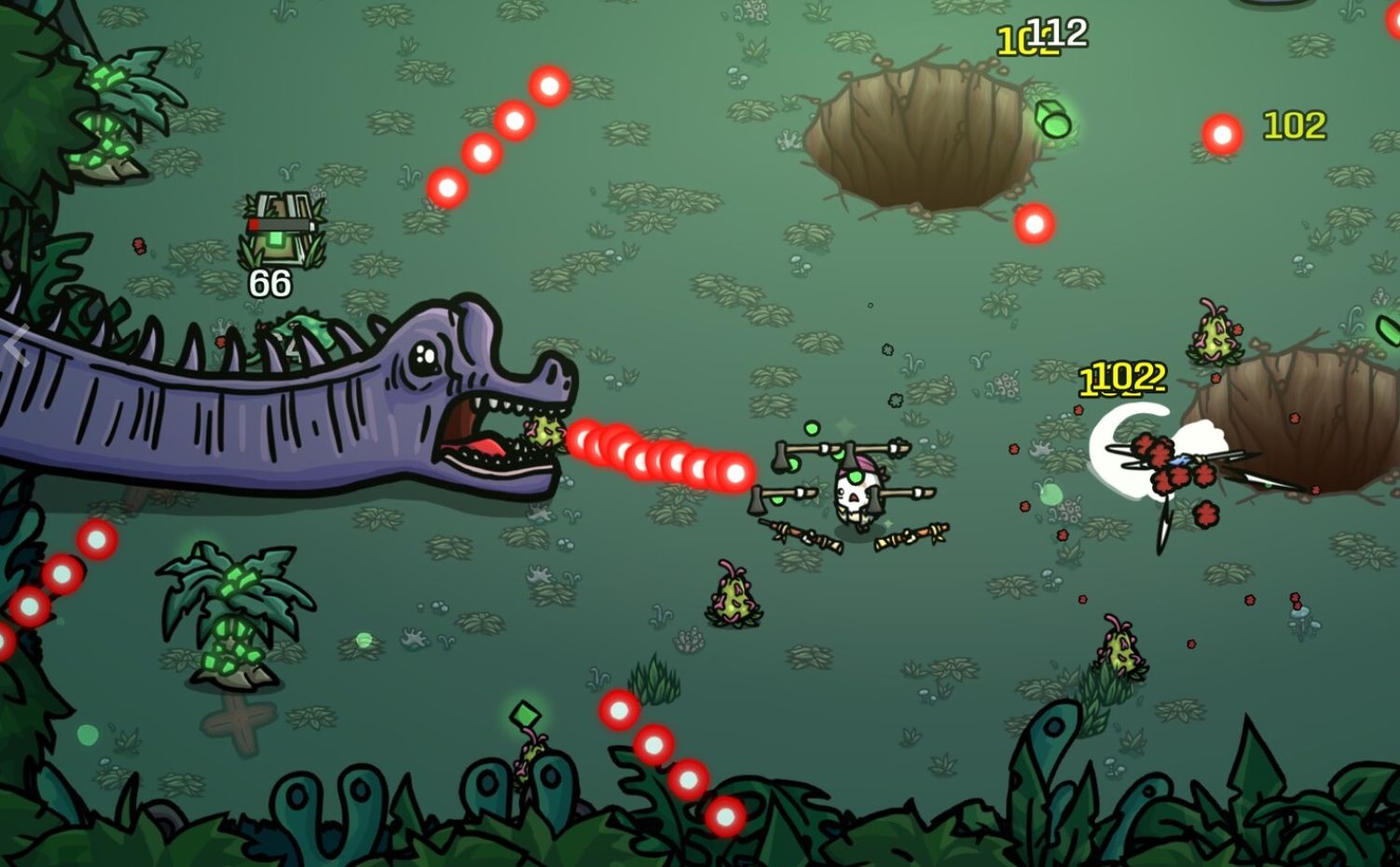
It takes a very interesting hook to make a game stand apart from the army of capable, polished action-roguelites that are already out there. Yet, Trinity Fusion manages to pull it off, and it does so in no small part because of the confidence of the developers to attempt such an ambitious game.
What is Trinity Fusion? Well, it has been developed by Angry Mob Games and it’s a 3D side-scrolling platformer with a roguelite progression loop and a thoroughly fascinating premise. The setting is built around parallel universes and at the heart of it all there’s a player-character that extends across four different realities.
There is a lot to unpack and understand, and even though I’ve been playing the game for the last week, I’m still a little bewildered. That said, I am pleased with how Trinity Fusion has turned out. I’ve been playing on PC, but the game is also available on PlayStation and Xbox Series, so you’ve got options if the following tickles your fancy.

Exploring Trinity Fusion’s multiverse
I bloody love the setup, but I am being very forgiving with my effusive praise because it wasn’t always smooth sailing. However, despite a stuttering start, playing across a trio of procedurally arranged worlds meant that no matter which one of the player-characters I picked, I was pushing forward with my overall progress. That felt great.
What wasn’t as gratifying was the storytelling; in this rare instance the delivery of the early game narrative felt a little fumbled. Despite a voiced intro and characterful dialogue, everything was a smidge undercooked. Here’s the thing, though: it didn’t really affect my enjoyment of the game, and so it was easy enough to dismiss my concerns as I pushed forward.
At the heart of the game is a hub world. This is your base of operations and the place where your fourth parallel self rests in stasis. Every time you perish in one of the other three realities, this is where you return. When at home you can switch freely between the three versions of yourself. Then, once you’re in character, you can access that character’s reality.
The problem that we’ve got is that this multiverse of realities is falling apart. In one reality, machines evolved into self-proclaimed higher beings, and then things started going wrong. Now there’s angry monsters on the loose, wicked robots everywhere, and a selection of other gnarly nasties out to get you. Your job: bring an end to the multiverse to restore balance. Or something like that.

Getting to grips with Trinity Fusion’s combat
Story beats aside, the opening few hours of Trinity Fusion are tough. In particular, I was instructed in the ways of the game’s combat via the sharp side of more than one sword.
At first I spent my time trying out all of the different characters and exploring their respective realities, but eventually I settled on one that I wanted to push forward with.
There are some enemies that I believe I encountered in more than one reality, but there are also region-specific creatures to fight. Dealing with each enemy type (and there are bloody loads) is a distinct challenge, and it won’t be long before you’ve got to grips with a number of different attack patterns. It’s still tough, but at least by this point I stood a fighting chance.
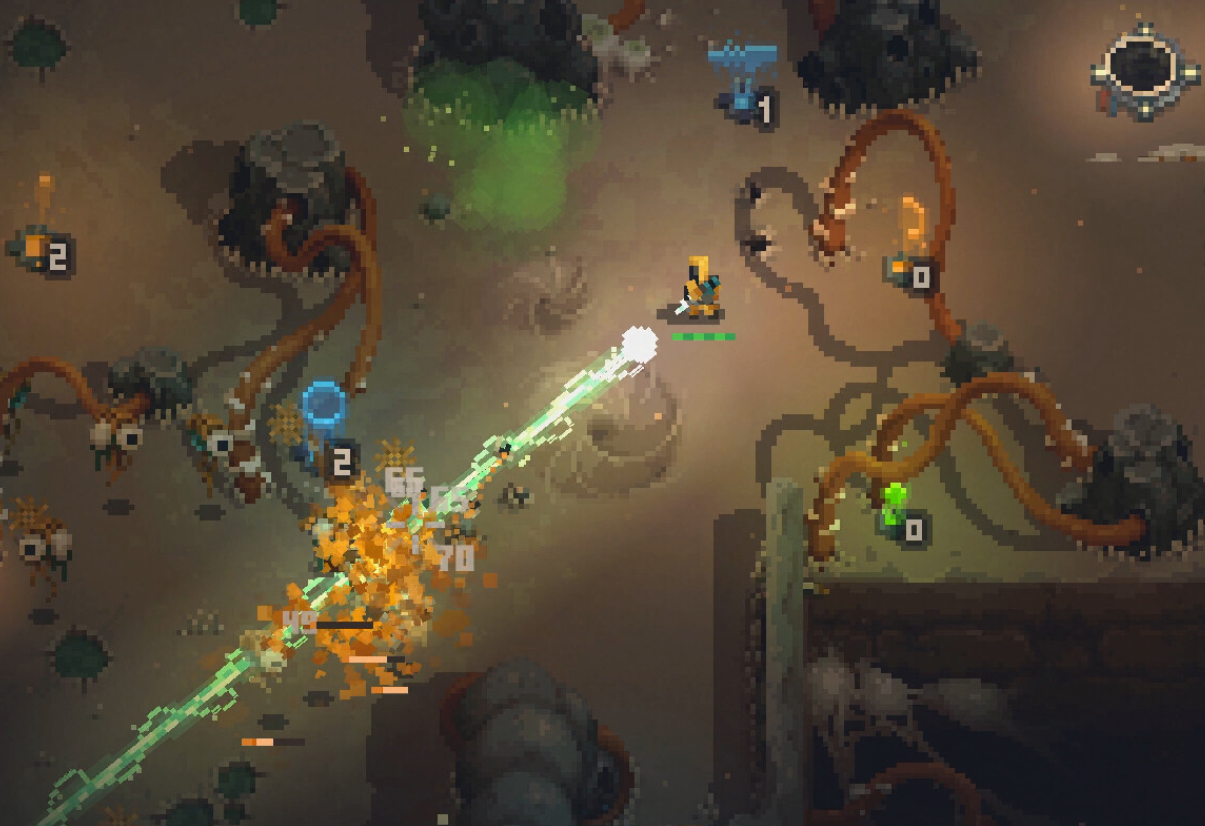
Your three characters are all very nimble. You can jump and dash about the place, and with both melee and ranged attacks, there are usually good options to explore in any build. It still took me a while to really find my groove and there was a lot of needless death early on, but as with all roguelites, every time I bit the proverbial bullet or kicked the metaphorical bucket, I was making an incremental step forward towards my ultimate goal.

Upgrades and progression in the multiverse
Levelling up during a run is slow going at first, but you do so by visiting terminals and opening chests. New abilities might mean small health bonuses from fallen foes, or you could turn yourself into a glass cannon and double your damage and halve your resistance. Some of the early game upgrades felt a bit miserly, but overall I was pleased with the system and the way it worked.
You can guide a build towards more specific strengths, although this journey is somewhat influenced by your randomised starting attack – you never know what you’re going to get, basically. I liked this approach, as it let me see the game’s array of weapons and special attacks, and get a feel for the ones I liked. There are weapon pickups available throughout, and different classes offer distinct pros and cons that in turn affected the flow of combat.
The weapons genuinely change up the gameplay and so the way that you’ll traverse a level, and there are swords, axes, and even futuristic halberds (because why not?). This array of melee options is supplemented by guns and other power attacks – these are tied to your energy bar and so have limited use. Thus, it’s a dance between careful melee attacks, well-timed shots and power attacks, and staying out of trouble and avoiding damage during increasingly challenging combat gauntlets.
Outside of the combat, you can spend certain resources back at base. These upgrades to yourself in stasis, as it were, boost your in-game health and give you more passive bonuses that will help your progress across all three realities.

Trinity Fusion 1.0 impressions
I can’t claim to have played the game in Early Access, so I’m not here to comment on the journey of the game through that process. I can only tell you what I think about version 1.0.
To that end, I have thoroughly enjoyed the last few days, chipping away at the three different worlds and learning Trinity Fusion’s many systems. Yes, it did feel a bit stingy at the start of each run, but once I’d found my groove, I realised that I was having a jolly old time.
The combat is sharp and responsive, and there’s a ton of potential variety to explore. I wasn’t always delighted with the movement of the player-character, though; there was just a little rigidity there at times. However, my personal crapness must not be underestimated, and I think someone with better hand-eye coordination could string together some really slick combos.
Slick is the word that I’ve been coming back to throughout my time with Trinity Fusion. The world, and your exploration of it, which I’ve barely mentioned, made me recall Shadow Complex, a classic metroidvania, and a game I remember with extreme fondness. I also adored the synth-driven soundtrack, and kept the in-game music on long after I normally would.
Angry Mob Games has crafted a good game, and I hope it finds the audience that it deserves. I’m not sure I’d sit Trinity at the top table of action-roguelites next to Isaac and Zagreus, but I think anyone who takes a chance on it will find plenty to enjoy and a game with a lot of heart. Trinity Fusion is confident, confusing, and intriguing in equal measure, and if you’re looking for something new to play over the holidays, you won’t find anything fresher than this.
Trinity Fusion is out now on PlayStation 5, PlayStation 4, Xbox One, PC Steam (tested), Xbox Series X and Series S.