A Dynasty Warriors roguelike spin-off wasn’t on my bingo card for 2025, but that’s exactly what we were treated to when Warriors: Abyss shadow dropped during February’s State of Play showcase.
This self-described hack’n dash brings together more than 100 characters from Koei Tecmo’s two flagship franchises – Dynasty Warriors and Samurai Warriors – and it’s clear to see that Hades had a huge influence on its game design, too.

What is Warriors: Abyss?
The biggest contributions that Warriors: Abyss brings to the roguelike / roguelite genre are its massive roster of playable characters and its large-scale battles against hundreds of enemies.
With over 100 characters to choose from, each one offers a unique combination of passive buffs, emblems, and stats such as speed, health, defense, and strength that set them apart from one another. The game also very handily ranks characters by ease of use, so that you can see which you’ll have a more painless time with traversing the depths of hell.
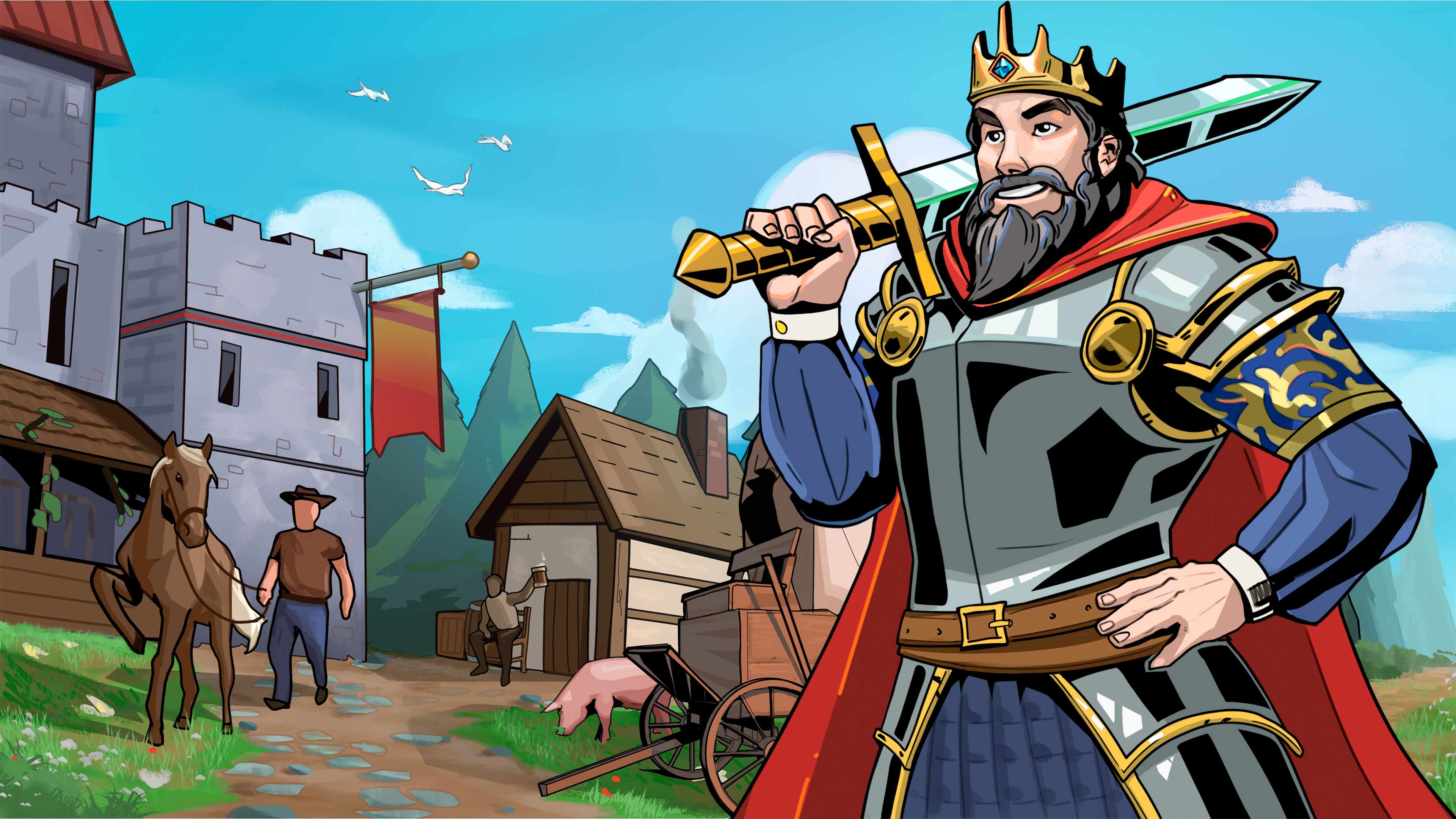
At the start of your first run, you’re introduced to King Emna, who has summoned you against your will to the Underworld to help reclaim it from a loathsome villain, Gouma. Once an ancient god, Gouma was banished to the depths of Hell but has somehow awakened and now spreads evil like a plague of locusts.
To restore order to the Underworld, you must battle your way through its four main levels before facing off against Gouma in a final showdown.
Each of the four levels consists of eight rooms, which are filled with increasingly larger waves of enemies. Combat is easy to grasp, with a basic attack and a more powerful charged attack. As you chain together combo attacks, you’ll be able to execute a devastating Musou move which can eliminate tens of enemies in one fatal swoop.
Dodging is also a core part of the action. You’ll need to correctly time your dashes from enemy projectiles and incoming attacks which are telegraphed by glowing purple regions on the battlefield.

Shape your build
After clearing out a new room of enemies you’ll find yourself at a crossroads facing three possible paths ahead. These rooms give you flexibility in how you want to progress your current build. You can enter a floor that concludes with a peach tree if you want to buff your maximum health, you can take on a challenge mission to unlock a random reward, or you can choose to add a new supporting character to your squad.
Each of these supporting characters comes with its own emblems that enhance certain attributes such as elemental powers, attack power, and defence, so you’ll need to carefully consider who to bring along for the ride. They can also be summoned as special attacks during battle on a cooldown timer, and you can even send them all out at once to completely obliterate your foes, providing that you have filled up the big glowing bar on screen.
The main drawback to the combat is that hacking-and-slashing your way through enemies feels very repetitive and all of the characters feel pretty much identical. Adding to this feeling of monotony is that boss encounters aren’t randomly generated and you’ll repeat the same encounters again and again each run.
Due to this predictability, I fell into the pattern of optimising the same skills each time to best counter each boss. For example, I knew how to invest heavily in my speed stats before the first boss, who dealt with very slow and heavy attacks.

Strategy and synergy
That said, what I did really enjoy about Abyss was assembling a team that synchronised well with each other, as there’s plenty of depth to be found here.
Each hero you form an alliance with has their own unique tactic such as Yukimura Sanada being able to increase flame attribute damage by 100%. To be able to activate this though, you need to have 10 fire emblems equipped. So when you’re recruiting characters, you always need to consider which special tactics you can take advantage of as well as just the boost in stats they provide.
On top of this, there are also character formations that can be purchased and switched out after each room to provide additional buffs. The Snake Scales formation, for example, increases your character’s attack by 3% for every wind emblem you have and the Eight Trigrams formation increases the power of Musou Attacks by 30%. Due to these factors, it pays to be strategic when forming a squad and deciding which characters to recruit.
If you’ve played many roguelites before, you might be wondering how your progress carries over when you die at the end of a run. Well, on each run you’ll accumulate a currency known as Karma Embers, which can be spent on unlocking new heroes and buffs in an area of the main menu known as the Hall of Bonded Souls.
All new characters come with permanent stat boosts to all of your heroes and you can unlock buffs to ease the experience, such as ones that increase your XP gained and the amount of health you recover from consumables.

The Verdict
Warriors: Abyss is a pleasantly unexpected twist on the roguelite genre, blending the fast-paced action of the Musou series with strategic depth and character-building mechanics.
While the repetitive nature of combat and predictable boss encounters can wear thin, the depth of character synergies, strategic team-building, and progression makes for a satisfying experience, especially for fans of Koei Tecmo’s franchises. It might not reinvent the wheel or size up to genre heavyweights like the aforementioned Hades, but it’s still a perfectly competent rogue that’s worth taking for a spin.
WARRIORS: Abyss is out now on Nintendo Switch, PS4, PS5, PC via Steam, Xbox One and Xbox Series. Thank you to Koei Tecmo for providing us with a code for review.