I’ve always had a strange relationship with chess. I like the game and I enjoy playing, at least most of the time. I only mention this, because roguelikes and roguelites also have an interesting relationship with this most classic of board games.
This growing connection with roguish design makes sense, given how effortlessly the mechanics of chess translate into the turn-based structures of contemporary strategy gaming.

The next developer to make the move into this burgeoning niche is Misfits Attic, and the title in question is called Below the Crown.
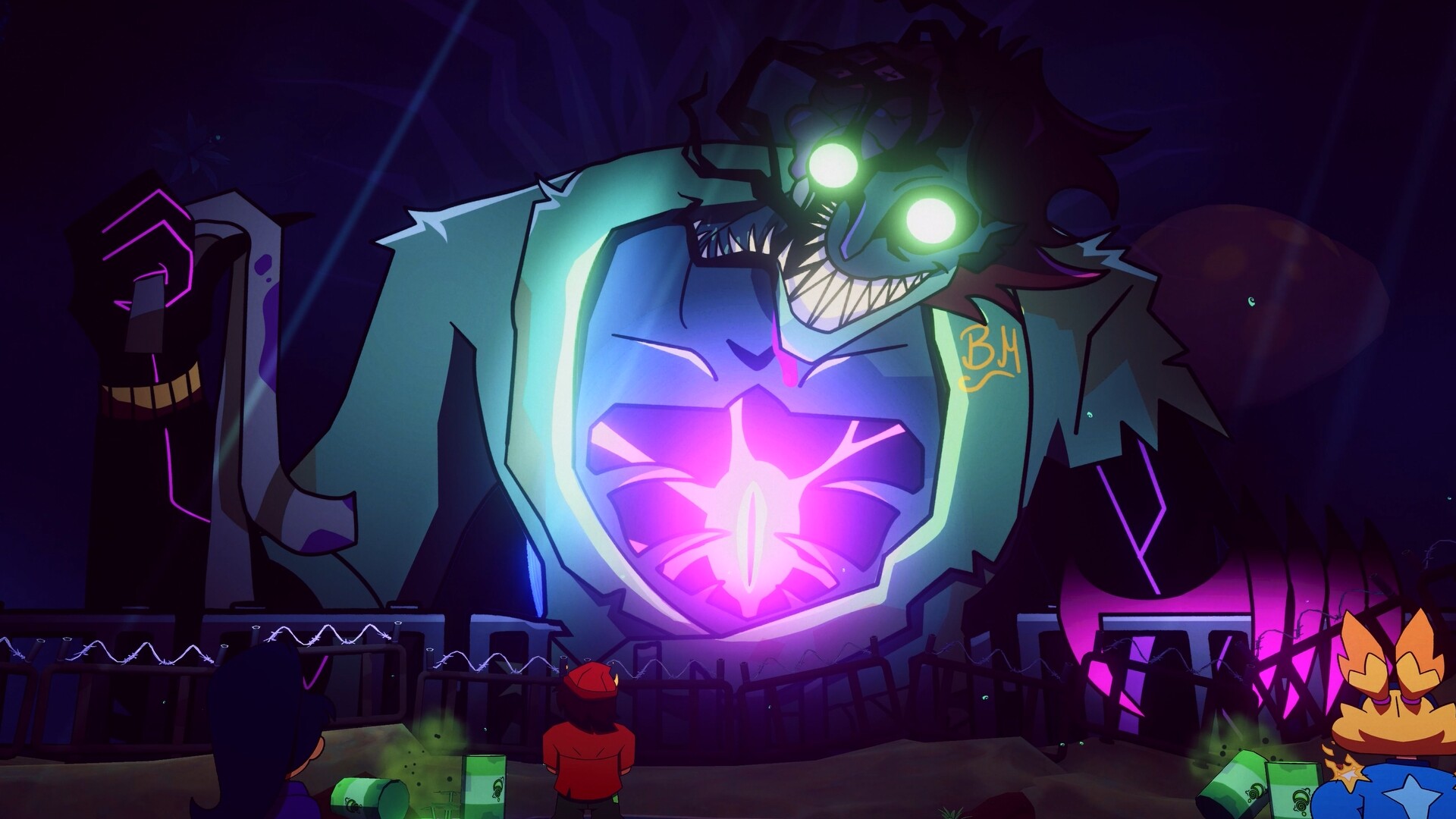
This turn-based roguelite has a chess theme, sure, but let’s talk about the stylish visuals first. It’s like chess remixed with old-school Tron, or something like that. It’s all neon and wireframes, and there’s a cool CRT-filter for extra vibes. The presentation seems really good so far.
When digging into things from a gameplay perspective, most of us know how the various chess pieces operate, which is useful. Knowing the basics will help, but it’s not essential because there are tooltips that show you the movement ranges and attack options of each unit.

You start with a king as your main unit, although this changes as new units are unlocked. My previous run had me using a bishop instead. The aim of the game is to get your main unit to the chopper exit, or take out your opponent’s king. Of course, it’s preferable that you wipe out your opponent and all of their pieces, so you can visit the shop and purchase an upgrade with any loot you grab along the way.
It’s not just a chess game with puzzle elements, although it is that, too. There are roguelite elements, with a progression loop that feeds into future attempts with gameplay-changing runes. There is also a really interesting narrative layer, and there is clearly an effort being made to challenge any preconceptions you have for what is about to happen.

In true roguelite fashion, it’s not long before your pieces get new moves, and this is where things seem to get quite interesting. Not only can your pieces start to do things like attack from range, but will start traps appear, the boards change layout, and your enemies become ever more numerous.
I enjoyed the sense of progression and its pacing, however, I started to fatigue a little after a couple of hours. I think this is a me problem rather than an issue with the game, but I will say that it didn’t take long before the scenarios became more challenging and the mental load started to weigh heavier.
Despite my old noggin running out of juice, I found my first proper session with Below the Crown to be very enjoyable. Diving down beneath my wireframe castle – which has plenty of areas that are still under construction – in search of chess-themed treasure sounded like it was going to be thought provoking and challenging, and so far that’s exactly what it has turned out to be.

Newcomers will have plenty to learn as there is a lot of complexity here, however, if you’re a chess nerd I do think you’ll find plenty to enjoy in Below the Crown, despite the fact that it’s still only Early Access at the time of writing.
Below the Crown is out now on PC (Win), and I played via access kindly provided by the developer and their PR pawns.