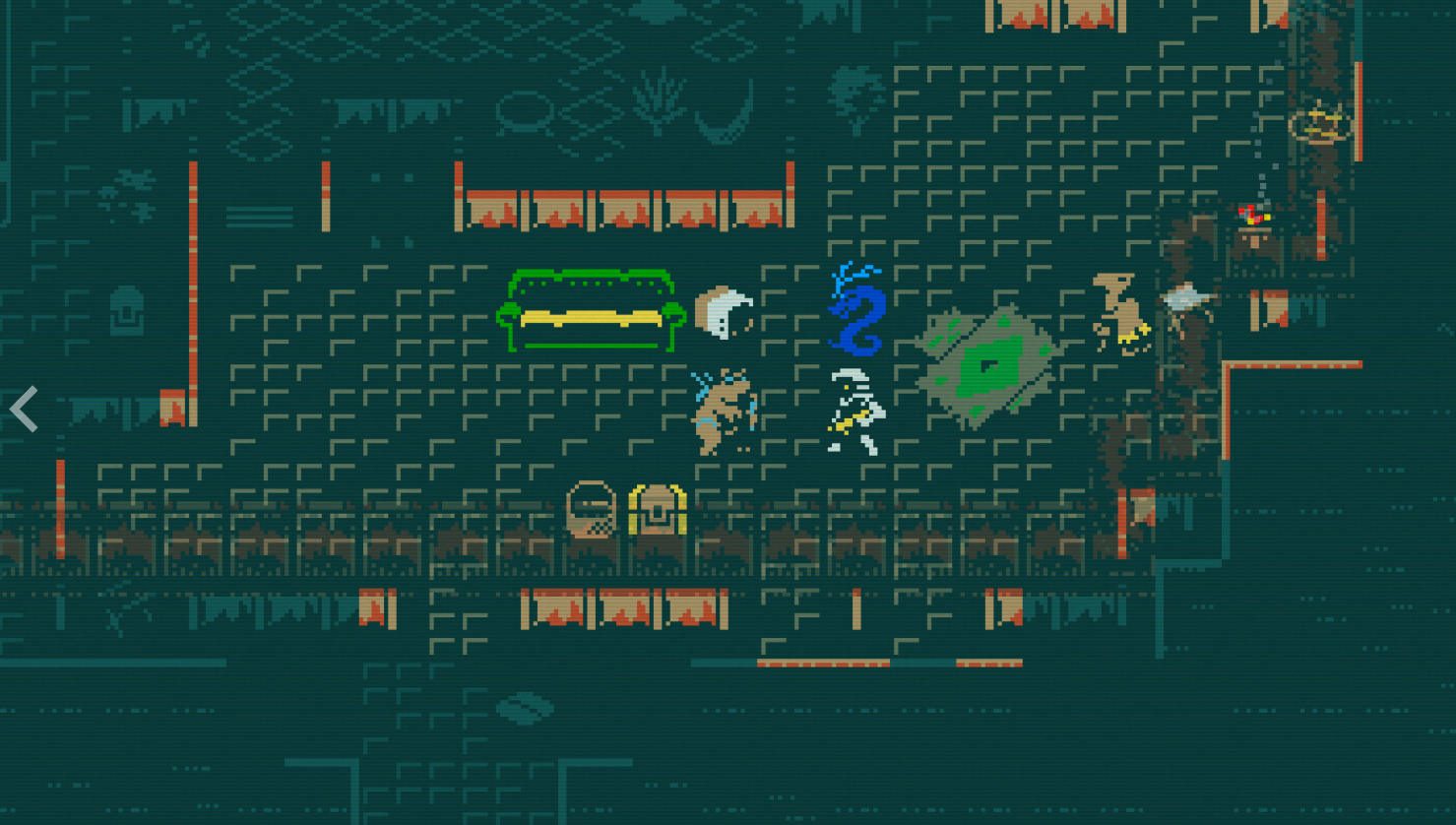
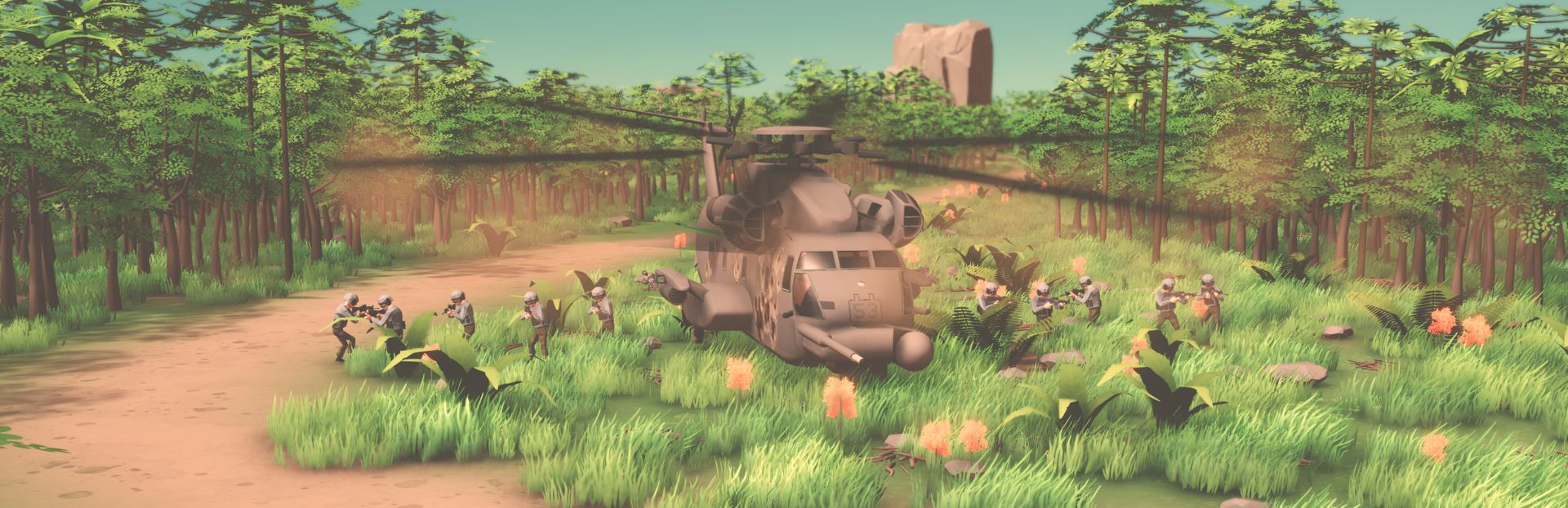
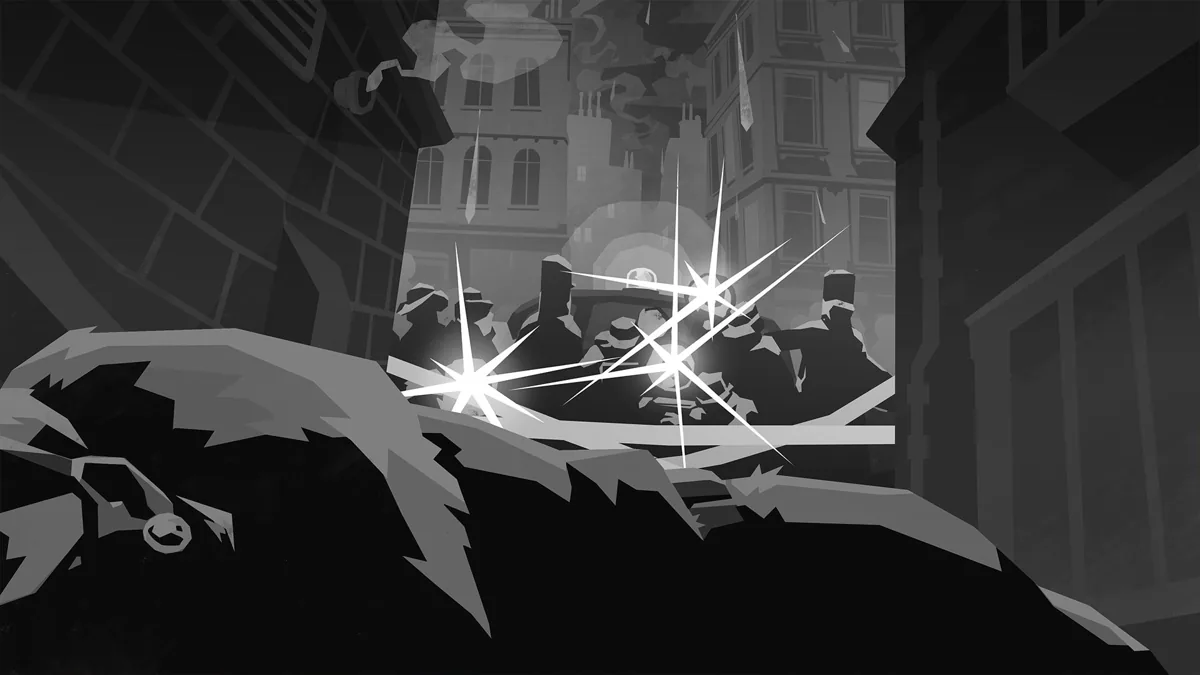
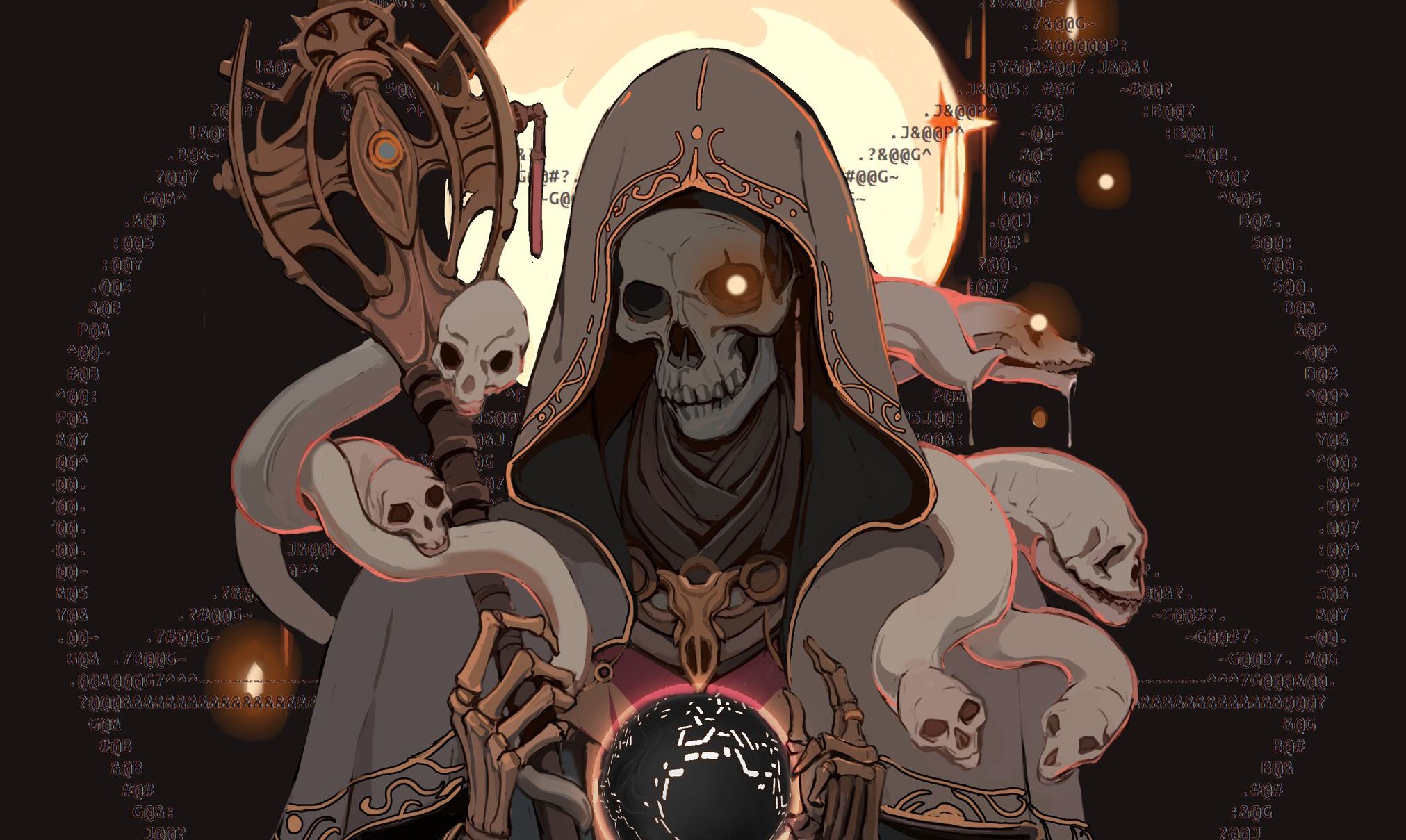
With Minos now out in the wild the last few weeks, it’s already got off to a great start with a ‘Very Positive’ reception on Steam. Blending labyrinth-building mechanics with mythological inspiration, the game places a strong emphasis on player-driven experimentation, tinkering with a selection of deadly traps to slaughter attacking invaders.
Rather than focusing purely on fast resets and short attempts, Minos leans into the idea of shaping and navigating a living maze. From trap placement to enemy routing, it’s a design philosophy that prioritises creativity and structure in equal measure, all wrapped in a setting rooted in Greek mythology.
With that in mind, we caught up with developer Artificer to discuss the game’s inspirations, its evolving design philosophy, and what players can expect from its post-launch plans.

RL: For those unfamiliar, can you tell us what Minos is and what makes it stand out from other roguelites?
MINOS is far from most roguelite games, because at every turn during production, we’d pursue the unique angle of the game – designing labyrinths – as a priority over what is expected from a typical roguelite.
Therefore, a typical run lasts far longer than usual, it’s much more difficult to fail, players get to unlock and upgrade as they go, and there’s plenty of ways to avoid restarting. It’s perfectly feasible to beat the game in one careful patient attempt.
That being said, we’re now working on adding a more classic roguelite mode with streamlined experience, closer to a core roguelite experience, as an alternative option.
RL: With Minos drawing from Greek mythology, what are some interesting things you have discovered in doing your research for the era?
A juicy bit of trivia is the fine detail that’s hardly talked about in the context of the Minotaur myth: the hollow wooden cow. I will let the readers check that out on Wikipedia at their own discretion.
Regarding mythology and the story layer – by design, MINOS doesn’t adhere to the canon telling of the myth. I believe that simply re-telling the story wouldn’t make for an interesting narrative. Therefore, our story remains true to what a classic Greek drama is, structurally; and maintains the key elements of plot points. However: it does give the protagonist more agency.
RL: How did the concept of building and defending your own labyrinth evolve during development?
One key change from the early prototype days pertains to how the enemies behave from the get-go. Originally, they would enter the maze and explore it, trying to make sense of the layout. Remembering where they went, mapping it out, trying to stay together, as the Minotaur would eliminate them one by one.
It sounded very cool in theory, but had several problems that became obvious once we saw it in action. First and foremost – the game didn’t present you with an objective. What is the problem I’m supposed to be solving here? Where does one even start? What constitutes a good labyrinth? And last but not least, as the enemies would venture through the traps-ridden maze, you would watch as they fumble through corridors trying to find a way through. Interesting, but not exactly fun.
The solution was creating the Minotaur’s Lair, and having the enemies visibly head towards it. The visual language of a tower-defense path is an instantly clear indication of a problem that needs addressing. Immediately, playtesters placed traps near the path, and uttered an understanding “aha!” when they realized they got to modify the maze to lead enemies into the traps.

RL: How do you encourage players to experiment with different trap combinations rather than relying on a single strategy?
We rely on the usual suspects, with tweaks adjusted for the unique maze designing gameplay.
We randomize the traps players can add to their inventory. We shuffle what they can use at any given moment in time. Obviously, one can get around this partially, but at a cost.
Secondly, enemies have special abilities and damage type resistances, and force the player out of their ways.
And thirdly, there’s artifacts that create synergies in specific combos.
RL: Were there any traps you had to scrap because they didn’t work from a gameplay perspective, or any that went through major changes before making it into the final game?
As a general rule, we don’t scrap content, but redesign and adjust instead. Therefore, based on feedback from inside and outside of the studio, most (all?) traps got reworked several times before we arrived at a balanced structure.
One common problem that we frequently ran into was significant overlap of function. Eg. in terms of utility, a pressure plate that triggers a spike trap is the same as a tripwire and a swinging axe. Sure, you could give them slightly different parameters, but the usage is the same, and with every trap we’d force ourselves to find new devices that required the player to think about the space in a different way.
In the end, the rule of thumb was this: if a given trap had at least one person in the studio who’d champion and defend the existence of this trap, then the trap would stay.

RL: The game has been out for a few weeks now and has received a very positive response on Steam. What have you learned from community feedback so far?
Players are geniuses.
Obviously I expected a part of our audience to rush the game fast and find all the secrets quick. But the ingenuity in comboing traps for devastating effects is truly impressive. People found plenty of fascinating setups. And as we work on expanding the game, I expect more of these to be found.
Now the delicate dance begins, as we try to balance things, without nerfing the fun out of the game.
The second biggest surprise was the amount of time players spent in the demo version. It’s not that long – I’d say it’s beatable in under an hour.
Meanwhile, of 37k players, 15k spent over an hour, 4k spent more than 5 hours, and over a thousand clocked more than 10 hours in it. Amazing stuff!
RL: Now that Minos is out in the wild, what are your plans for post-launch?
As mentioned above, the first step we’re taking is making a no-story mode which is closer to roguelite’ish design standards. This feature is in high demand from our Discord community.
We had to make compromises to make the narrative mode as interesting and full of secrets as we wanted to, and now we’re free to make something lighter and faster.
We’re also obviously looking into expanding the content, adding more depth, more synergies and broadening the whole experience. The structure of MINOS lends itself really well, as every element added increases the range of options exponentially.
RL: Thank you for taking the time to answer our questions! Now to save you scrolling back up for the link, head this way for the Steam page for Minos.