Making a successful game about words requires a bit of imagination these days. There are some really interesting and thought-provoking games out there, but without a clever hook to lure the player in, many of them never find the audience they deserve.
Read More: Games like Wordle, Scrabble, and roguelike word games
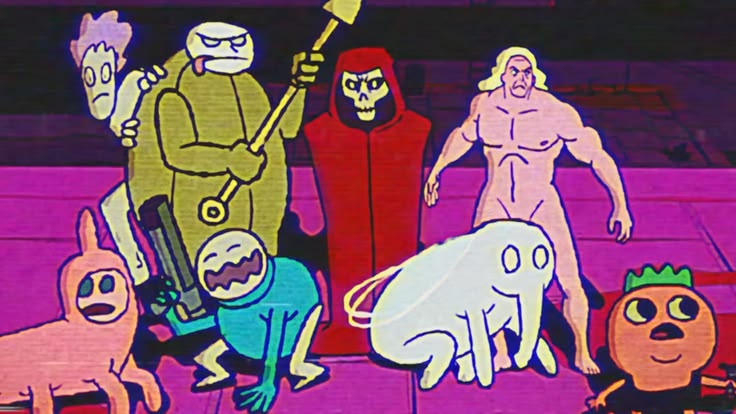
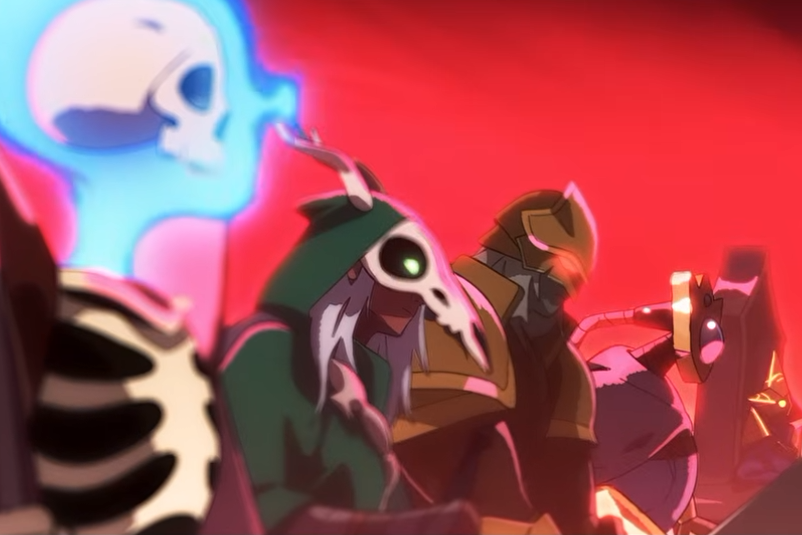
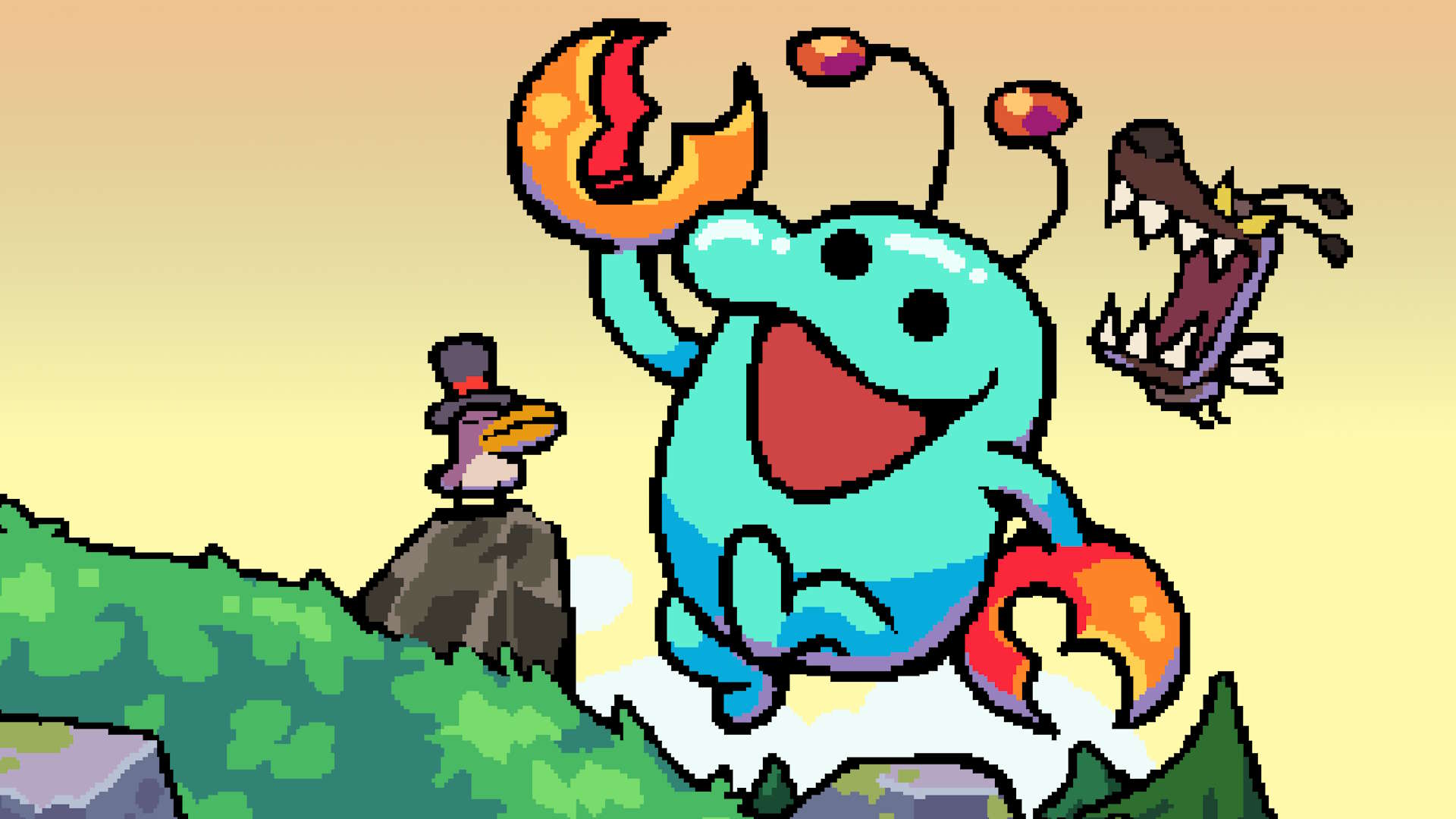
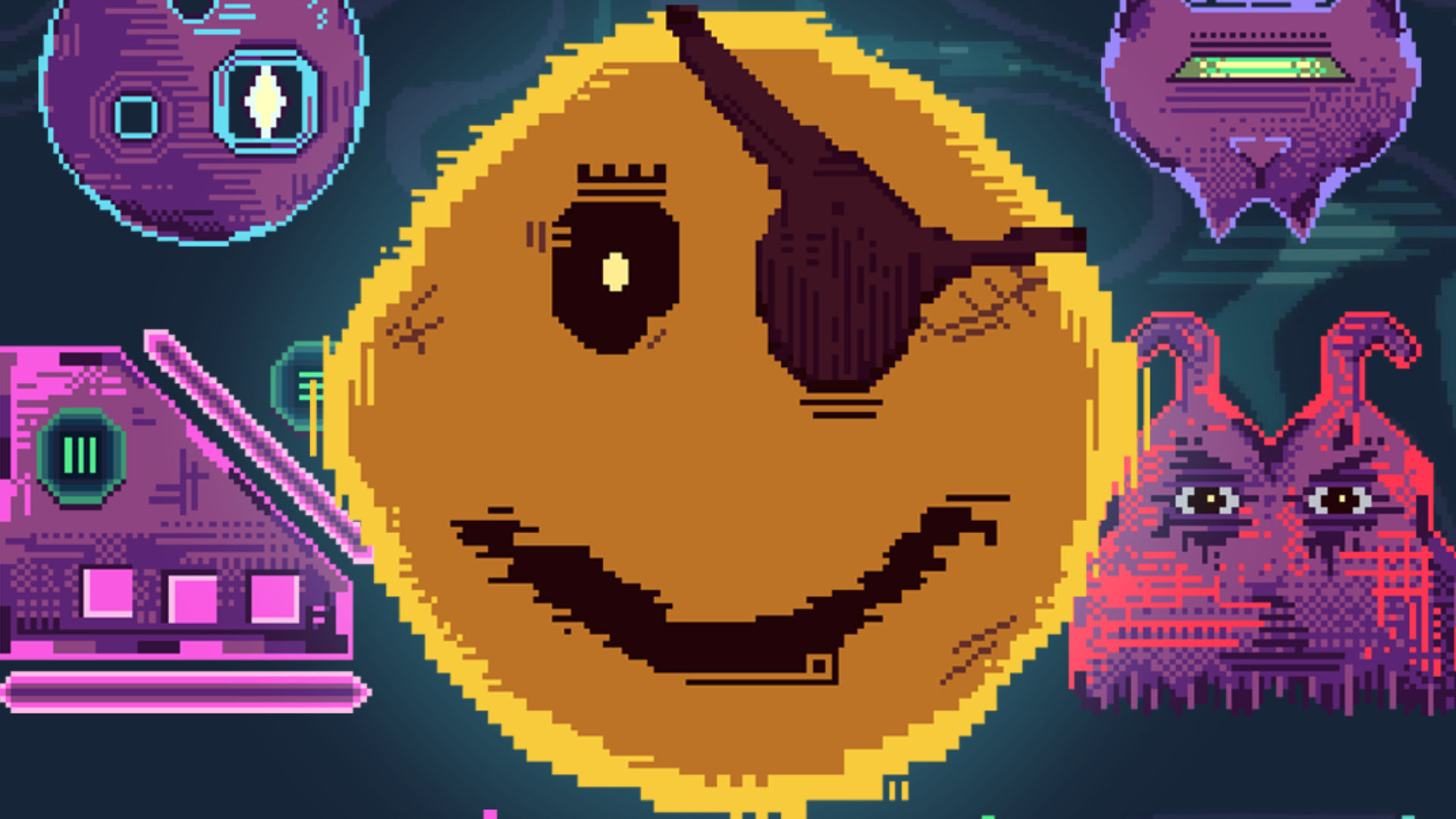
One new game that I’ve been playing this week is Cursed Words: The Word Game That Isn’t, a roguelike puzzle game that takes the simple concept of the word search and injects it with a Balatro-inspired structure, notes of Scrabble, and muppets who may or may not be off their collective rocker. Put it this way: it’s more Avenue Q than Sesame Street.
The weird and wonderful cast of Cursed Words does a grand job of distracting you from the relative simplicity of the concept, but that doesn’t mean that there aren’t layers to the experience. In fact, it doesn’t take very long before things start getting weird.

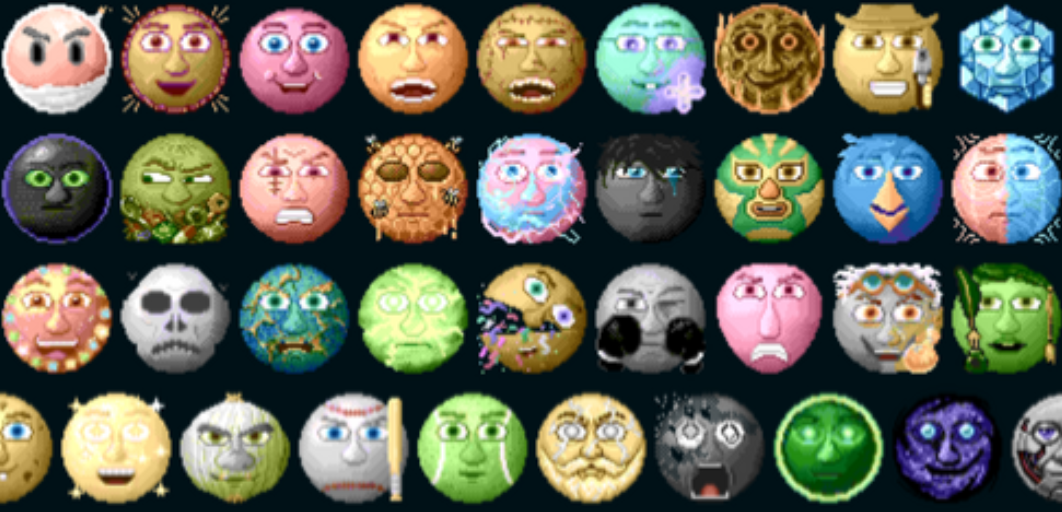
Each round (typically) takes place on a 5×5 grid full of letter tiles. You can link these tiles together to spell out words, and typically speaking, the longer the word, the better it scores. Each letter tile has a value, not unlike a Scrabble tile, so certain hard-to-place letters like X or Z will get you more points. Usually.
The real challenge comes via a broadening array of tiles with positive and negative properties, and also the need to reach ever-greater totals to finish each round of five boards. At regular intervals, there are also bosses, and they will do things like shrink the board, hike up the target score, or fill the grid with loads of Qs, making it harder to spell out new words and score points.
In between rounds, there is a shop where you can spend your earned coins. There are score-boosting stickers and stamps, and there are five slots to fill for each, and there are loads of synergies to find here. You can also buy new tiles, and they come in different colours and can be used to chain your actions across multiple boards.
Cursed Words boasts a deep roster of game-changing characters, and each run is different thanks to an ever-expanding range of items available via the shop. The challenges offer even more depth, and overall, I was pleased by the amount of content there is for you to work through.
In many respects, developer Buried Things follows the Balatro model quite closely, but I don’t think that’s a bad thing in this instance. In fact, I found this to be a very engaging word game with enough points of difference to help it stand out in an increasingly crowded sub-genre.
Cursed Words: The Word Game That Isn’t is out now on PC (Win), and I played via access kindly provided by publisher Forklift Interactive.