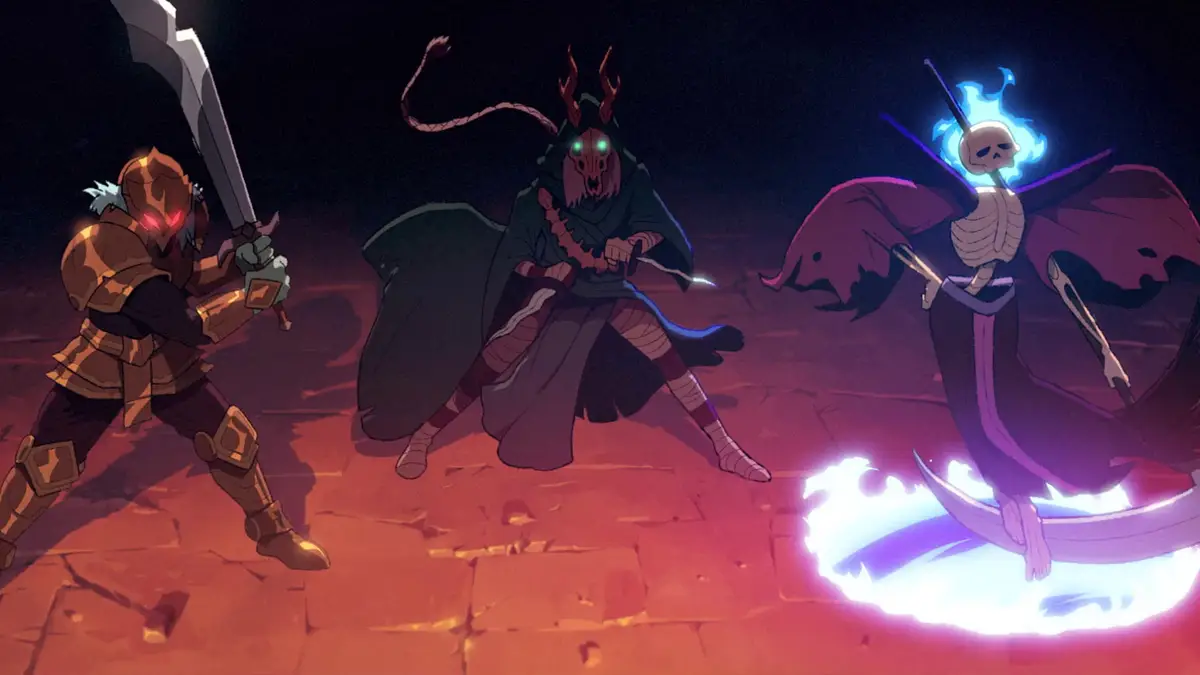
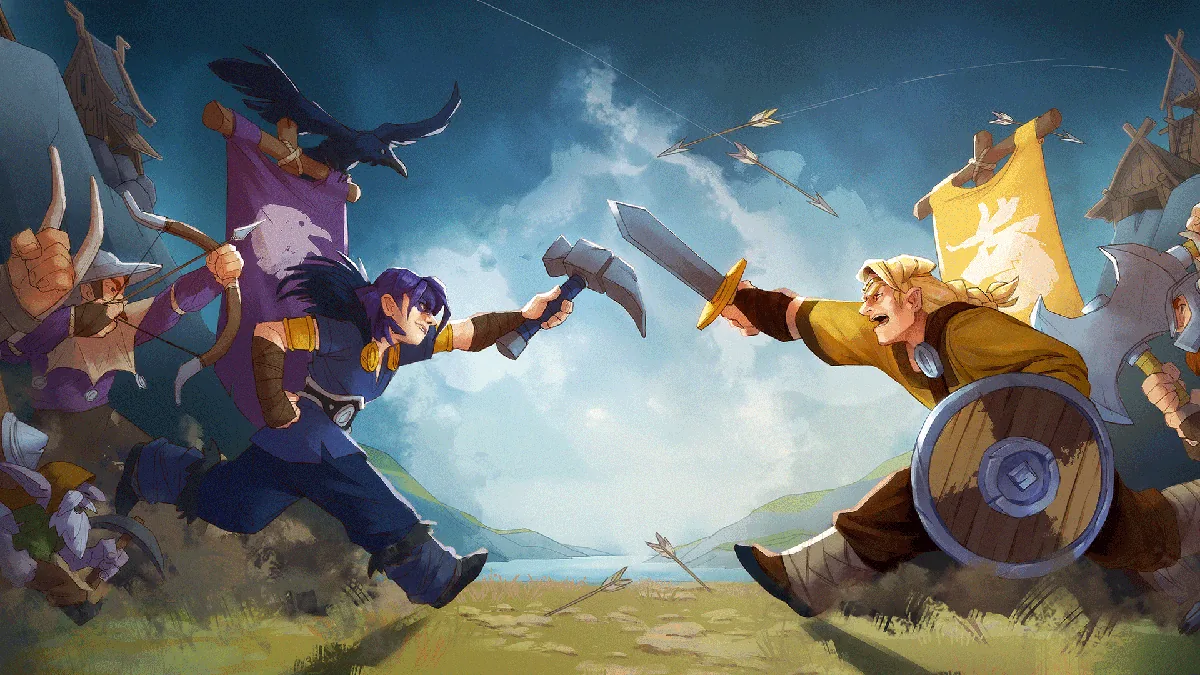
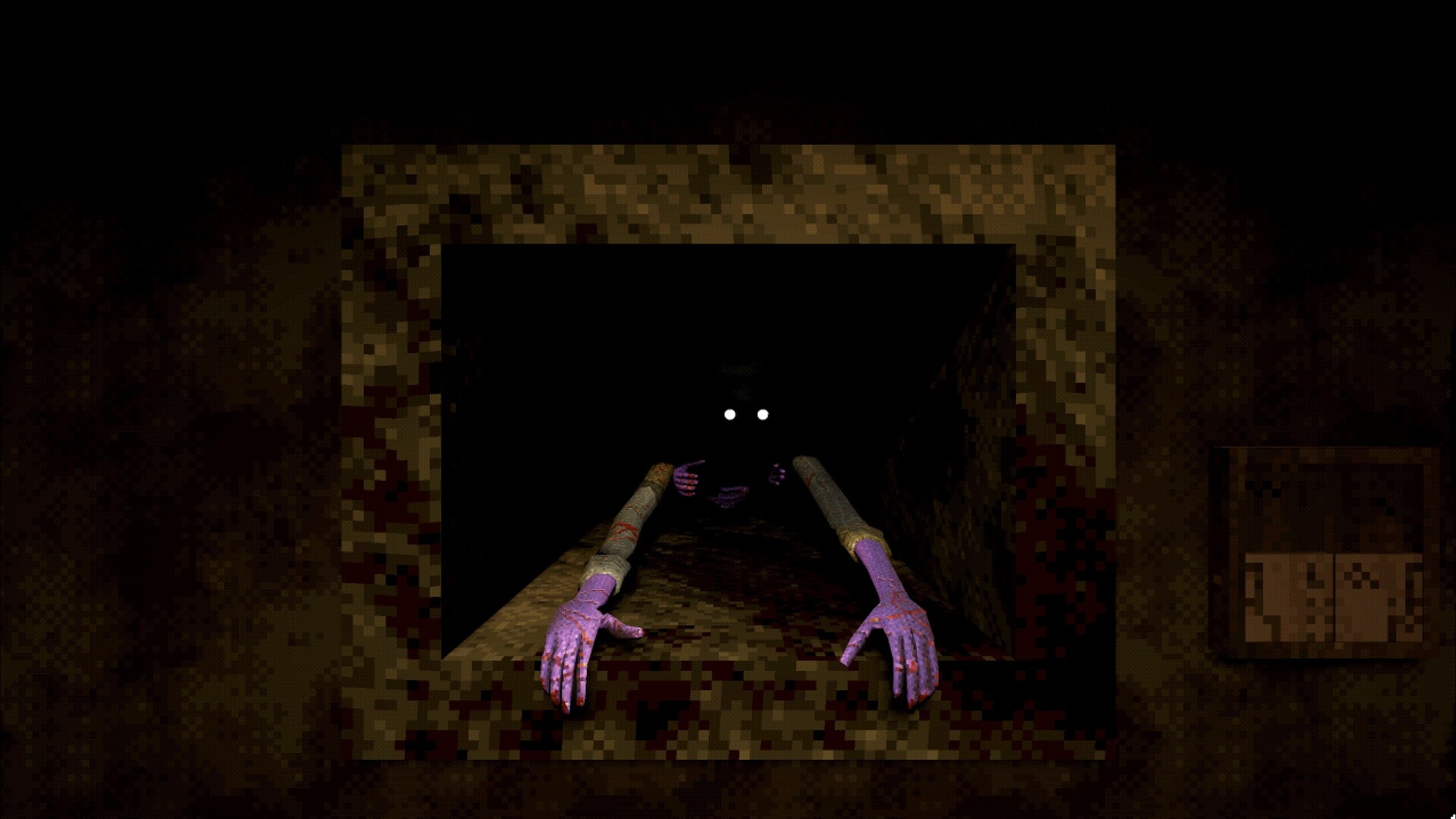
Time flies when you’re having fun bringing ruin to the old family estate, as I have discovered time and time again in Darkest Dungeon, the superb turn-based roguelite from Red Hook Studios, which just happened to launch in full some ten years ago, on January 19, 2016.
This party-focused dark fantasy RPG adventure blew me away when I first played it back in 2016, and a decade later, I’m still returning to the same franchise, most recently via the new Kingdoms Mode that has been added to Darkest Dungeon II over the last year or so.

I’m happy to call the franchise itself a masterpiece, but the first game had something that the second lacks to the same degree: impact.
What is Darkest Dungeon, then?
The first Darkest Dungeon, and the focus of this short trip down Memory Lane, is a game about turning your family’s estate into an engine built for adventuring into the most terrifying Lovecraftian dungeons imaginable, which happen to have their entrances on your land. I’ll let you find out why.
Over the course of a punishing campaign full of ups and inevitable downs, you must expand the facilities available to your adventurers to help them progress further and further into your dungeons.

While the core of the game is combat-driven, the strategy layer is focused on managing the humanity of your playable characters. It was this approach to squad building that made the original so engrossing. By building on the backs of the XCOM remake and Battle Brothers, Darkest Dungeon connected you to your soldiers and made you care for their safety.
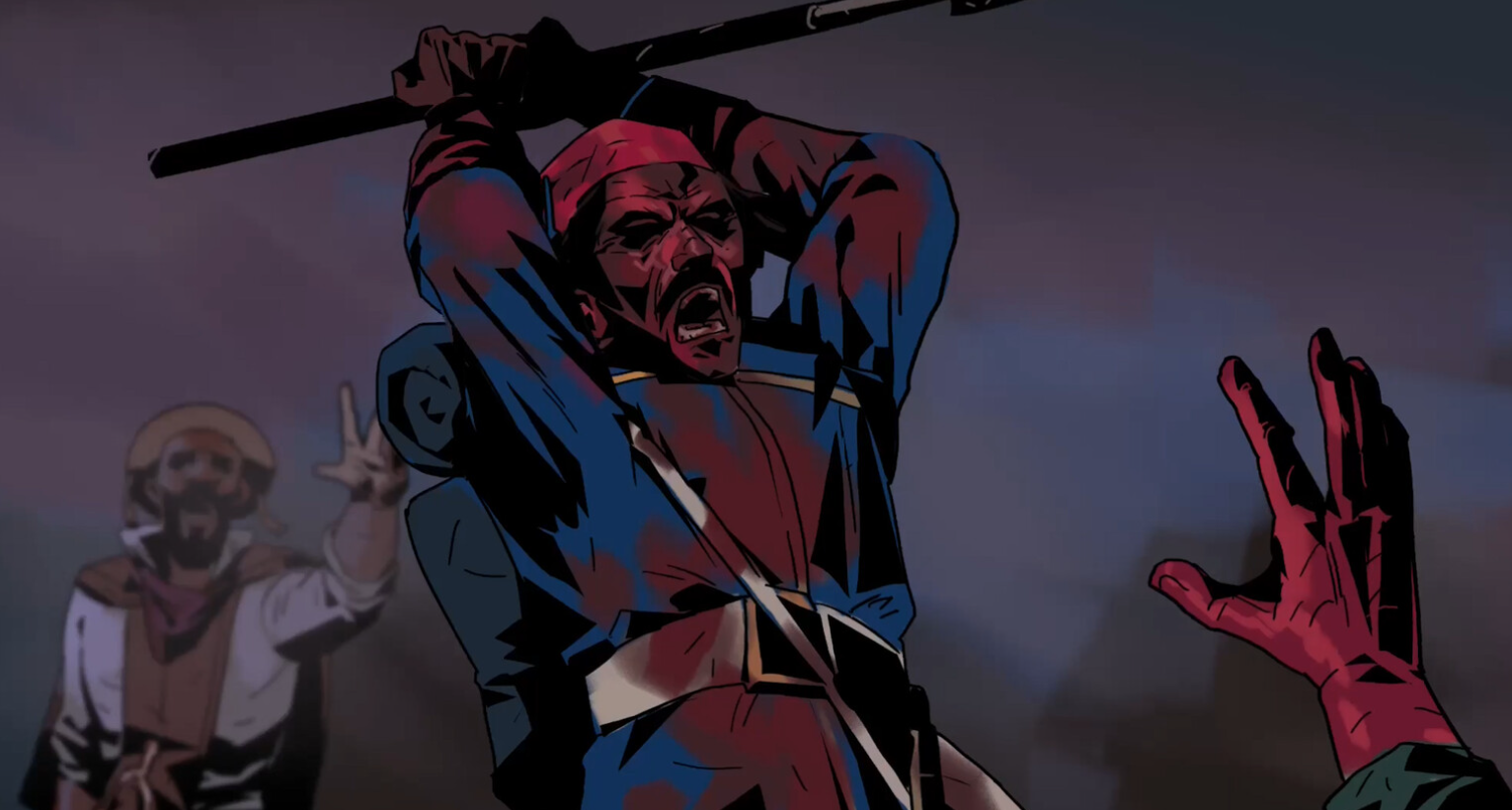
Your party’s importance is due to the mission structure, which has you drawing from a pool of available mercs and then going on missions into the various dungeons on your estate. These crawls are full of terrifying monsters, and casualties are to be expected. That is why an experienced and upgraded merc is worth their weight in gold, and that’s why it hurts so much more when one perishes in battle.
Feel the fear and die it anyway
At the heart of Darkest Dungeon is an affliction system that includes a fear mechanic that has your units steadily shitting their pants the more you put them in harm’s way. Push your tank into battle one too many times and eventually, they’ll lose their mind and have a heart attack in the middle of a fight.

One of your guys or gals having a heart attack can, not surprisingly, freak out the others, ramping up the fear factor even further. I remember, many years ago, one run where I had a whole squad wipe in the same turn because I pushed my best units way out of their comfort zones. One by one, they had heart attacks and died, until there was just one left, who promptly got eaten by some horrible hellspawn in the final action. Don’t be like 2016 Mike and ignore the fear mechanics until it’s too late, that’s all I’m saying.
Luckily for everyone, there are ways of calming down your favourite Crusader Tank between battles. You have facilities that they can visit, both pure and wicked, to reinforce their personal traits and cure certain ailments. Then, once rested, they can take some more pain.

The above balancing act wouldn’t matter much if the core mechanics were rubbish, but they’re absolutely brilliant. In fact, the quality of the combat is a key constant over both games. Upon reflection, I prefer the first over the second because I think the ancillary systems work together better in service of the turn-based combat.
Turn-based terrors
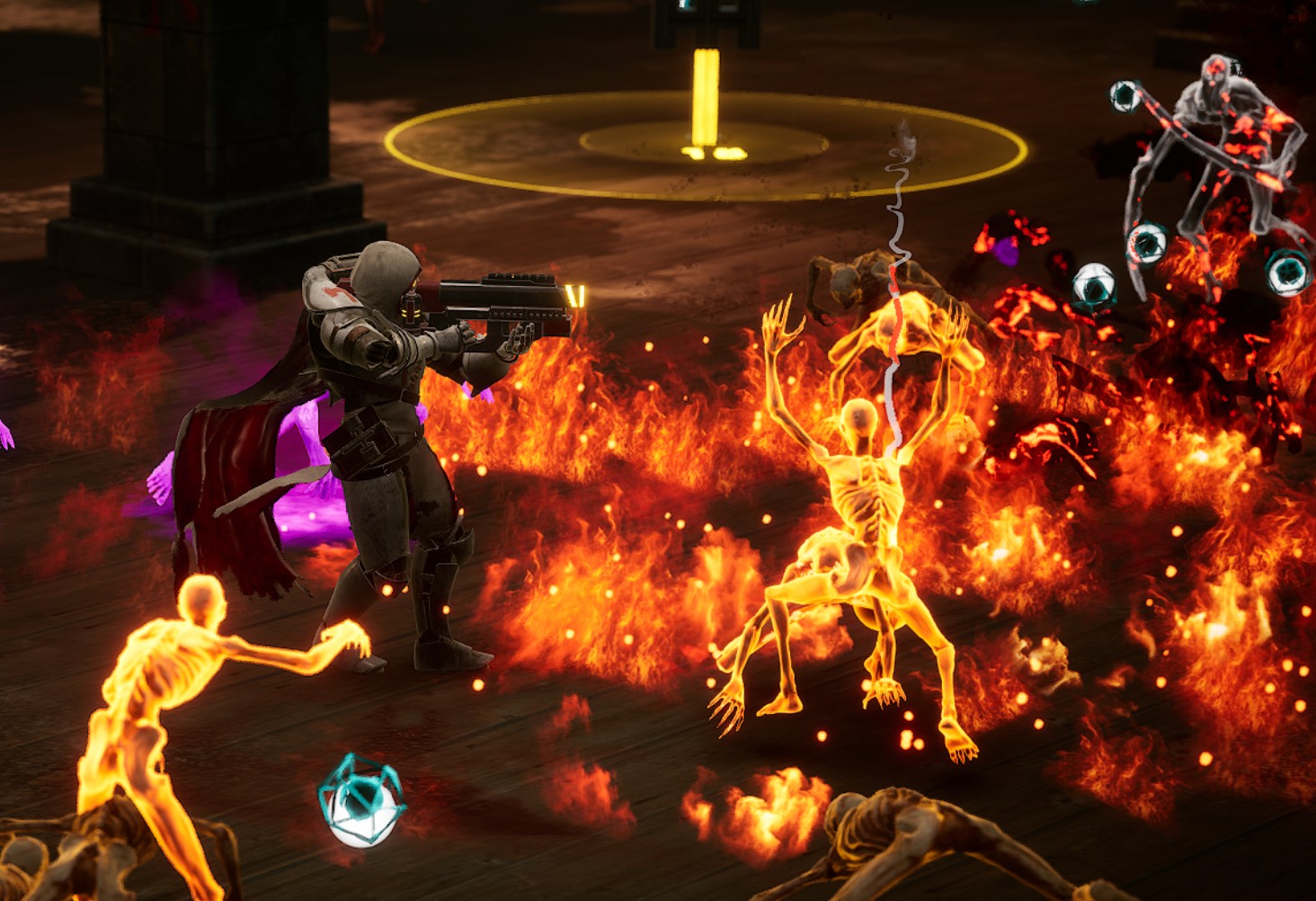
When it comes to fighting evil, each of your adventurers has a preferred place in the line-up, which you arrange from front to back. Tanks like to be up front, taking hits and delivering damage, while ranged units and healers prefer to hang at the back of the pack, doing their thing. You don’t always have control over positioning, so having flexible soldiers is very helpful.

The finest teams have a good blend of adaptable mercenaries, which is why having an upgraded squad of specific units can be so powerful when compared to a team of random starting characters arranged with no thought to how they might synergise.
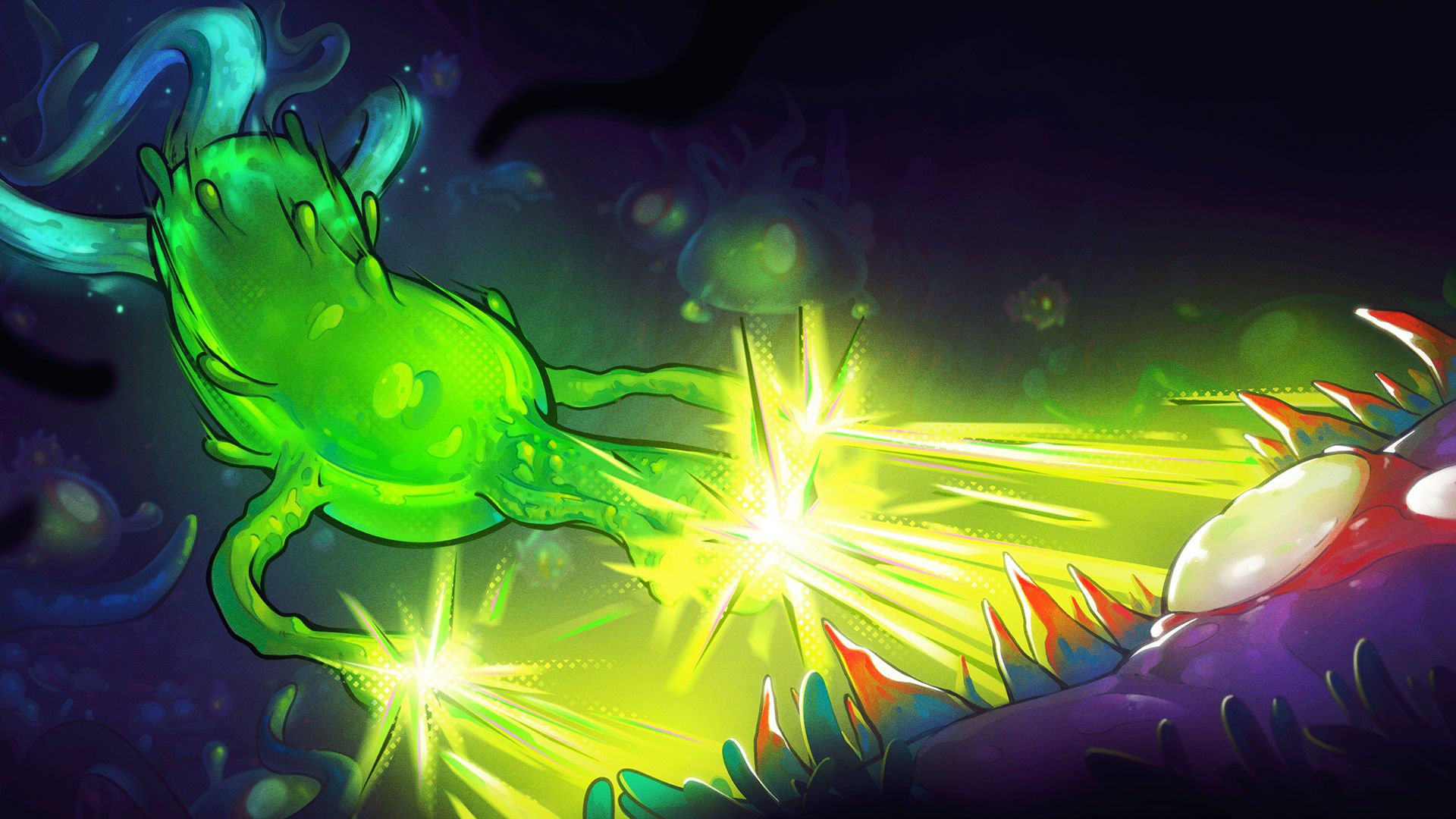
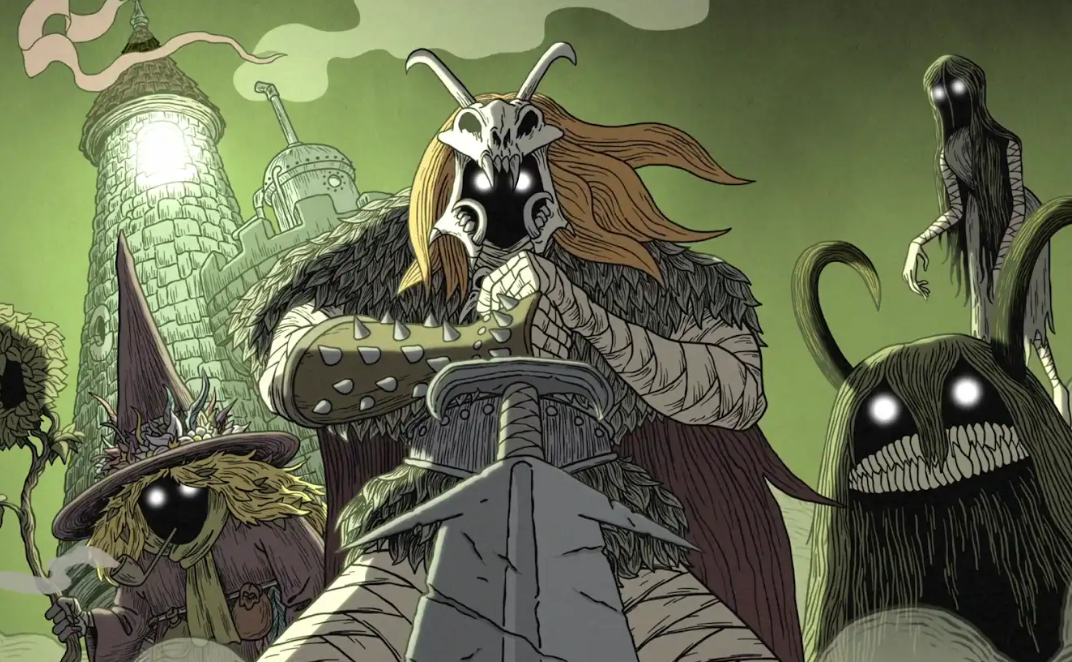
You need to think, because the Lovecraftian terrors you must battle are lethal and unflinching. In fact, it’s these evil creatures and their wicked attacks that live longest in the memory, for better and worse. We all have our preferred tactics, but there is really pleasing enemy variety, which forces you to evolve your game the further you advance through the campaign.
On that front, the first game has two decent DLC expansions, The Color of Madness and The Crimson Court; however, I had my best times with the base game and its more streamlined experience, and I found my frustrations rising more often with the DLC turned on.

Likewise, Darkest Dungeon II does a fine job of evolving things, but I would argue that not all of the new mechanics are improvements over the original, and I think that the experience is at its best without too many bells and whistles.
Don’t get me wrong, I like the second game a lot, but in my opinion, the original Darkest Dungeon edges it as the best expression of the formula, and to this day, I still fondly remember my first terrified steps into its world, a whole decade ago.
Darkest Dungeon is out now on iOS, PC (Lin, Mac, Win), PS4, Switch, and Xbone.