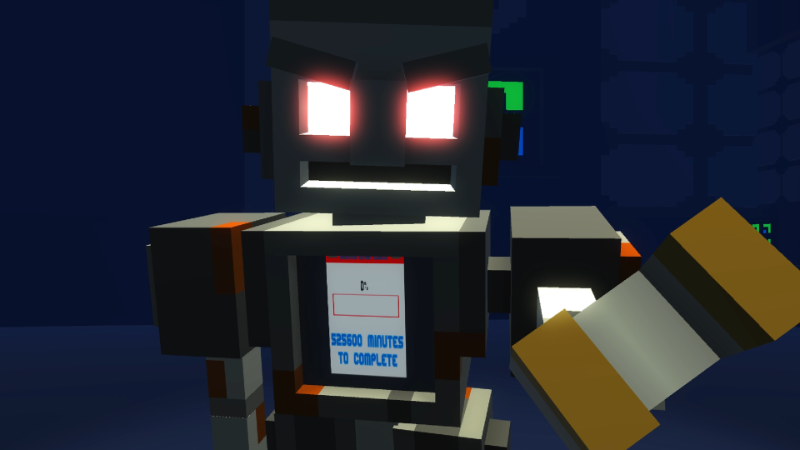
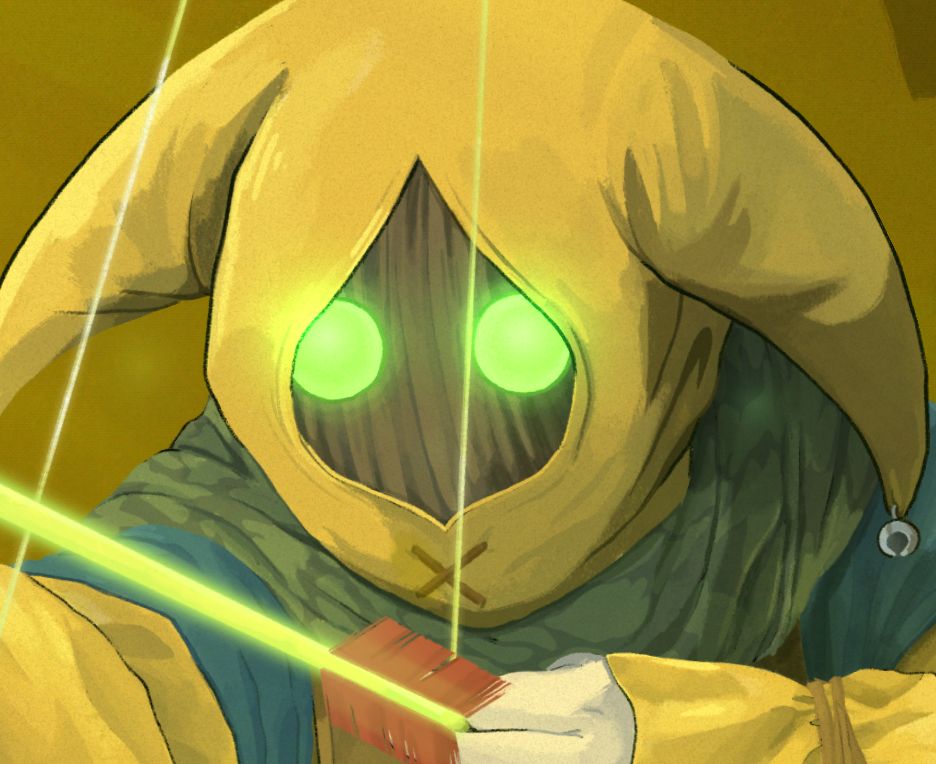
I enjoyed the Flask demo when I played it earlier this year, thanks to its intriguing concoction of ingredients and, of course, the game’s striking art style. You’ll find my preview of the Flask demo right here if you want my perspective, but here I’m going to let Flask developer and Chop Chop Games Co-Founder Dario Rahimic tell you about the game in his own words.
RL: I guess we should start with the obvious: what is Flask?
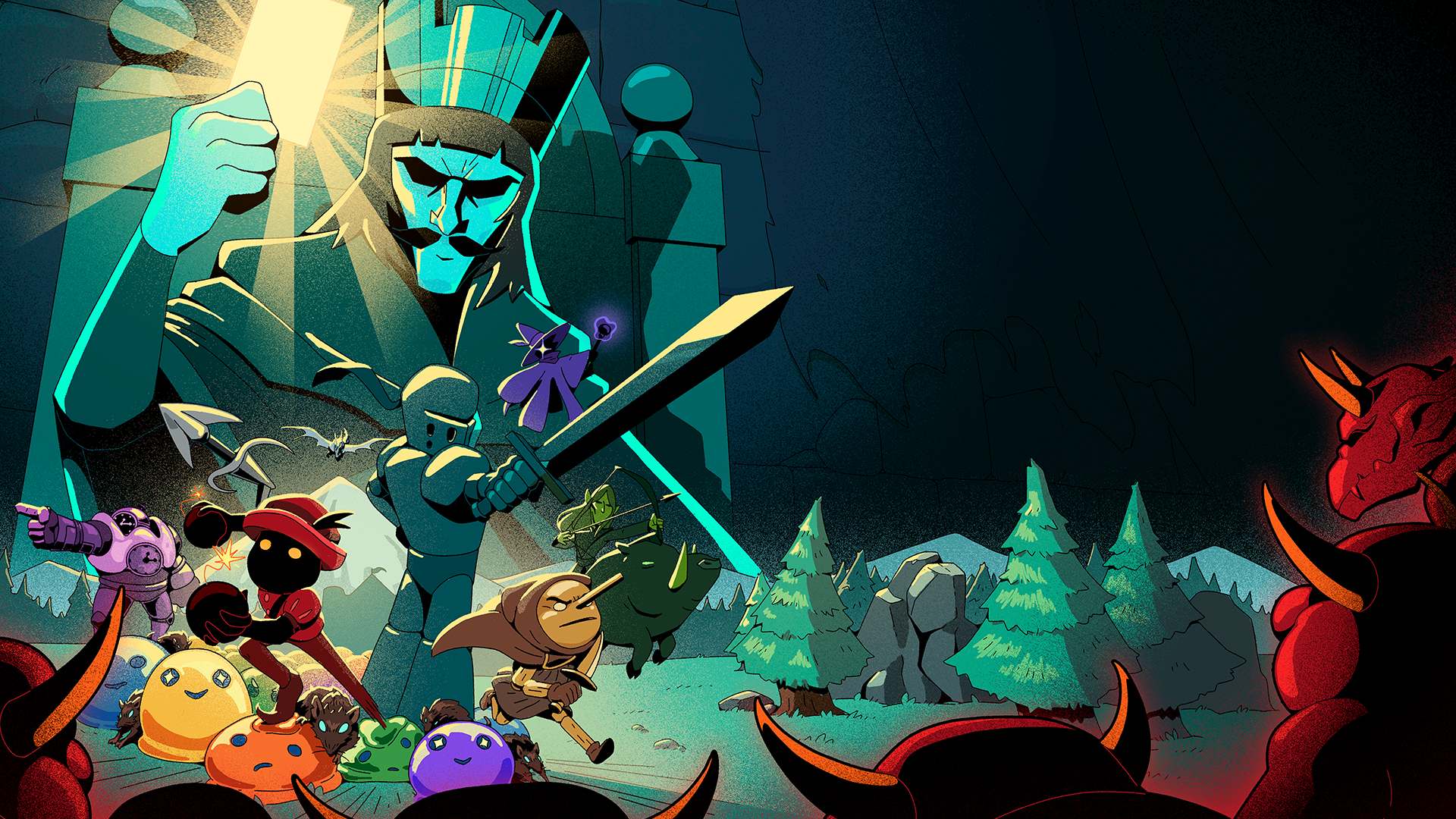
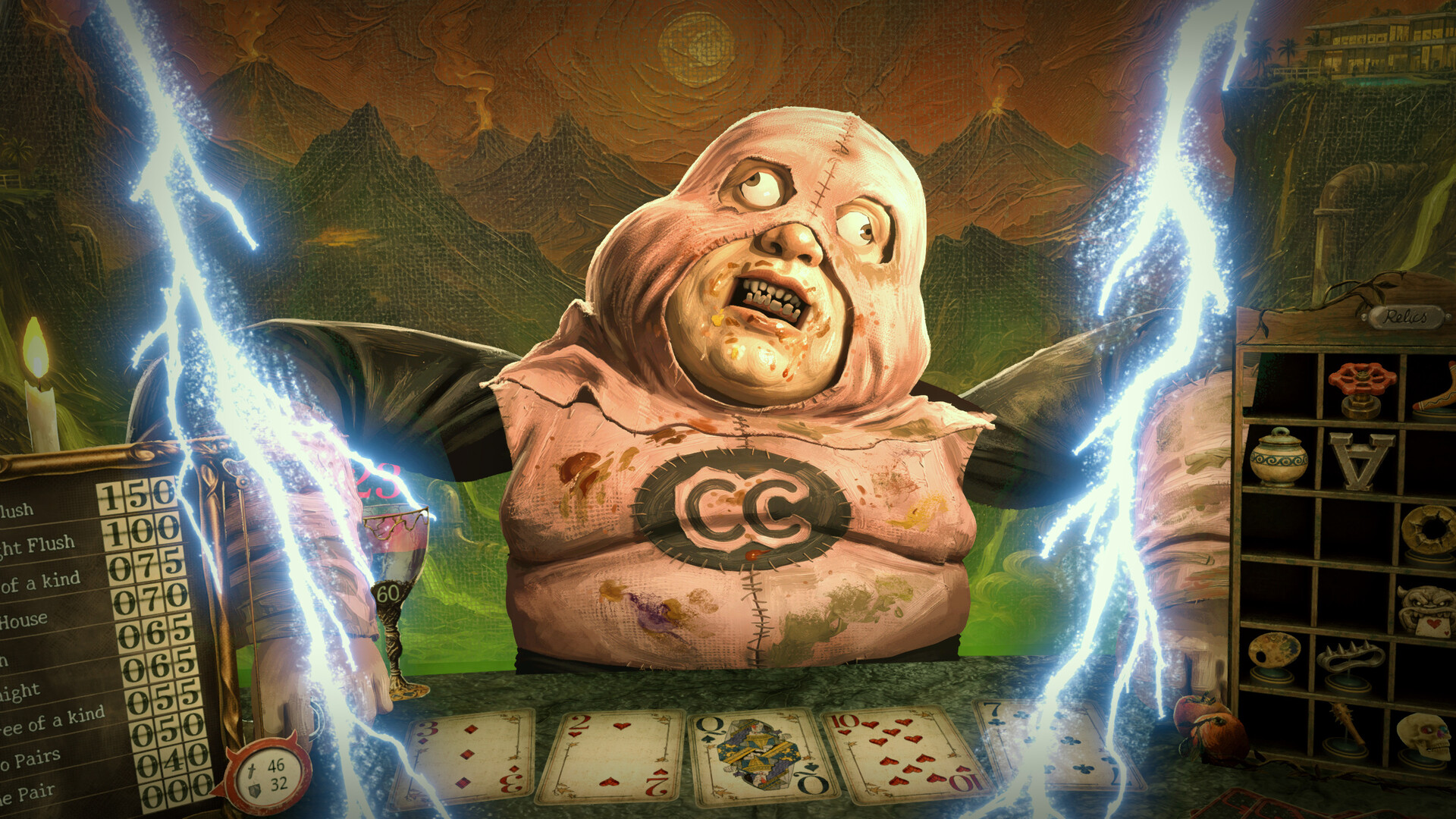
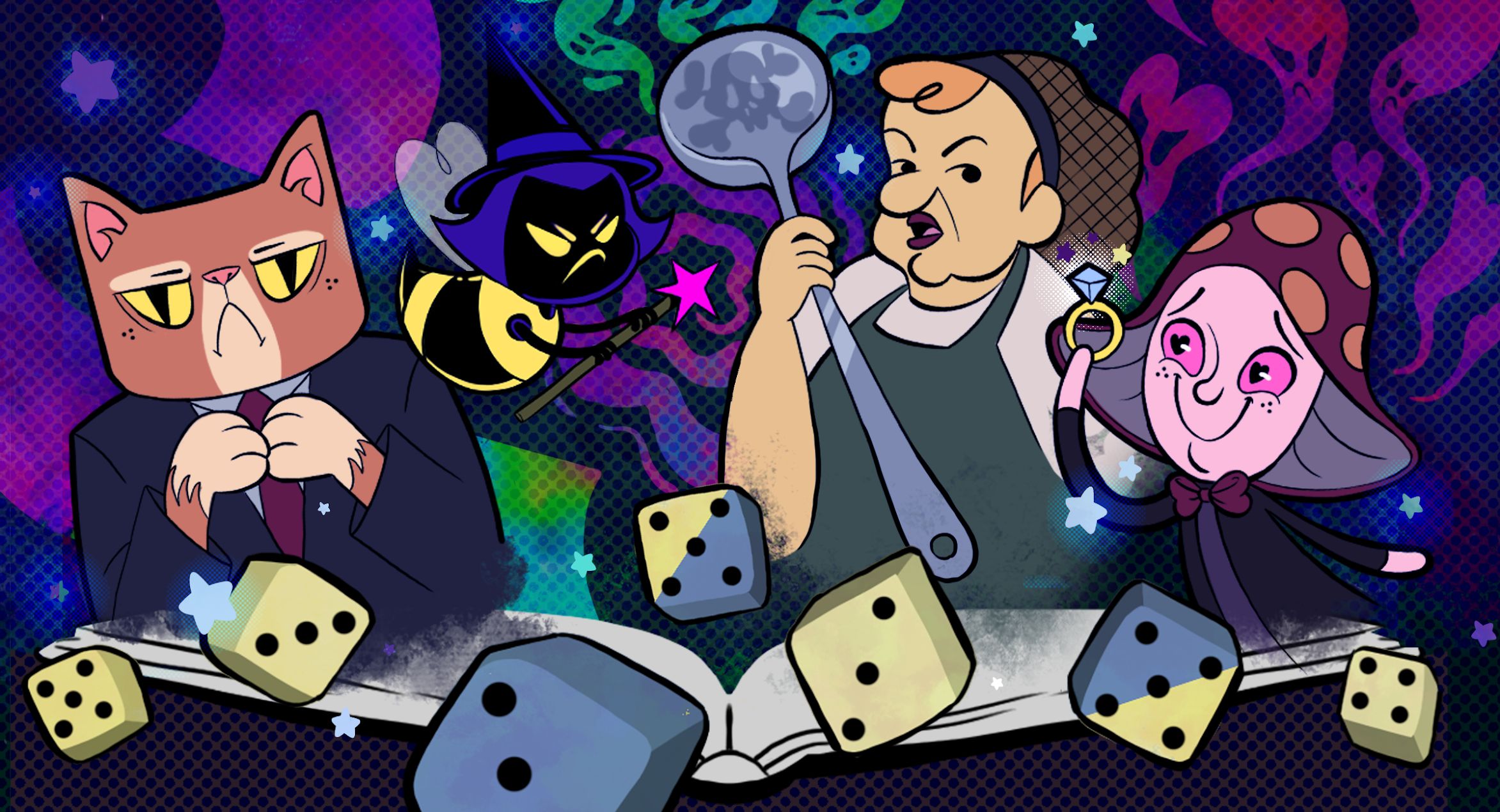
DR: FLASK is a strange, mutated fever dream of mechanics inspired by some of the most formative games of my life, concocted into a unique brew of game design that you haven’t quite seen anywhere else. The plotline centres on you, the player, as an indebted alchemist looking to pay off mounting property debt for your tower, and the only way to do so is by harvesting goblin blood in battle and levelling up your homunculi soldiers using flasks. At its core, it’s an autobattler, but more than an autobattler, it’s a drafting game where each run is a puzzle of creativity, and the end result is never the same.

Flask is set in an entirely new universe, but it really doesn’t look like that. Talk us through your process for world building and how you applied it when creating your next game.
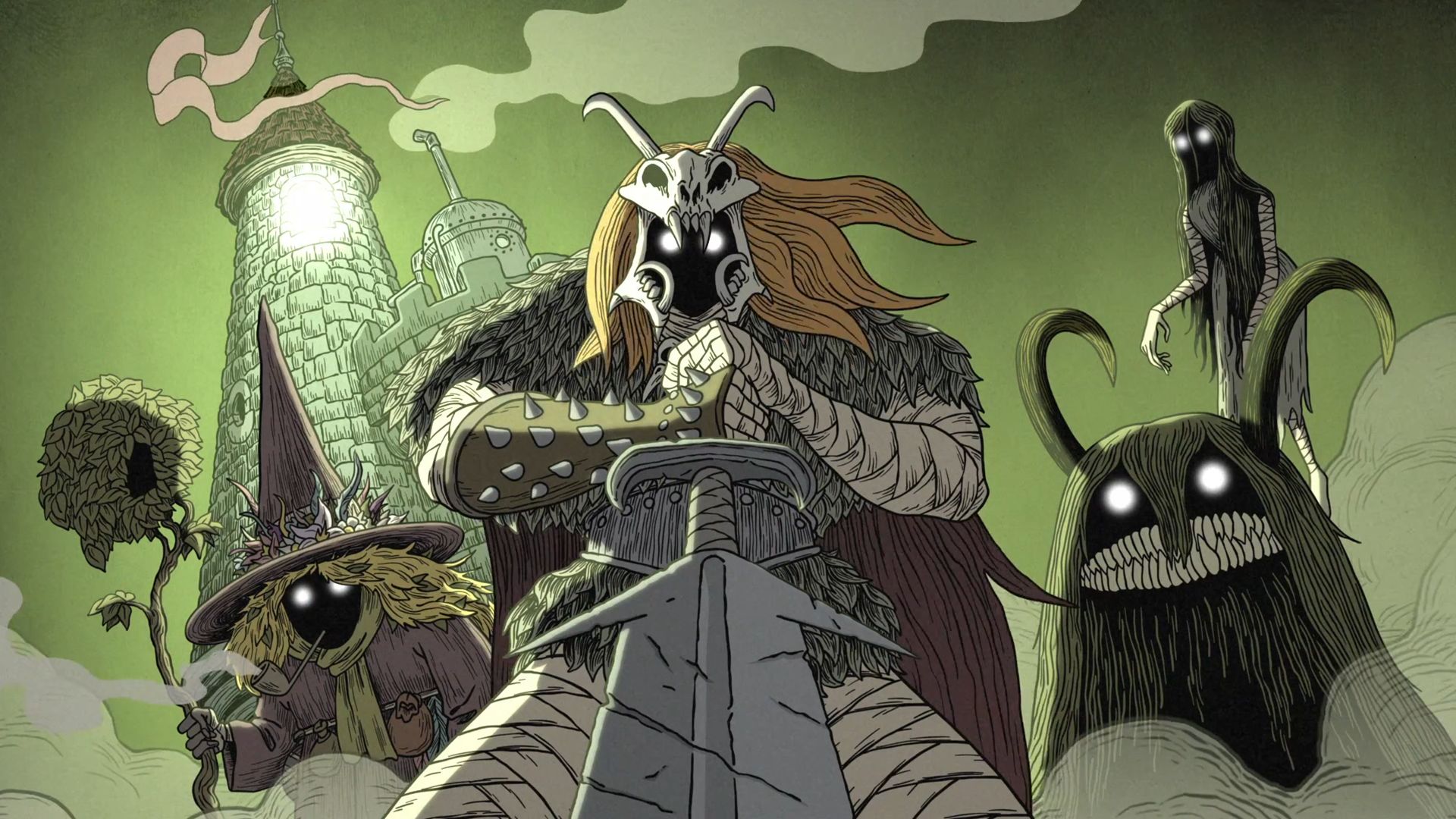
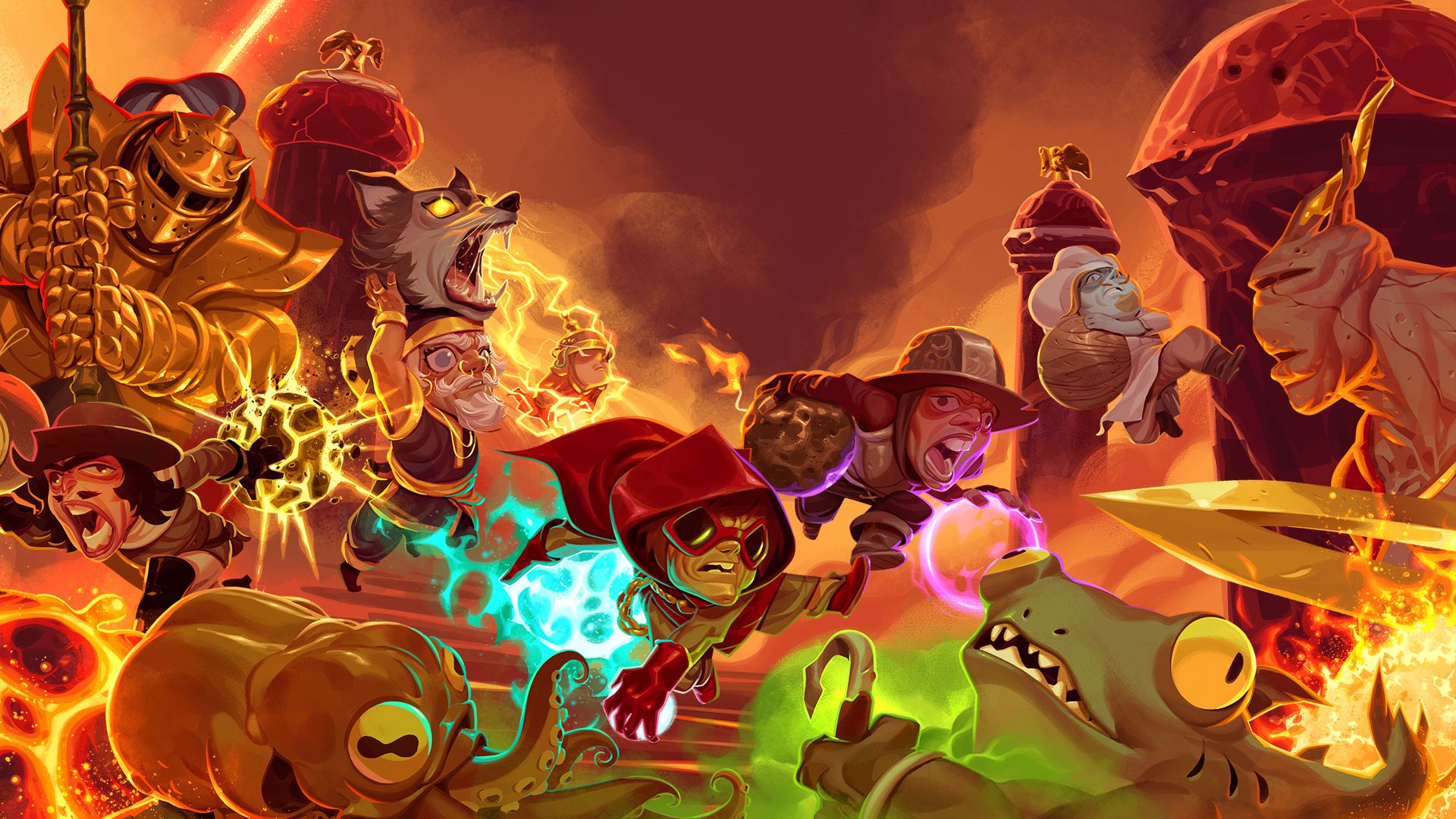
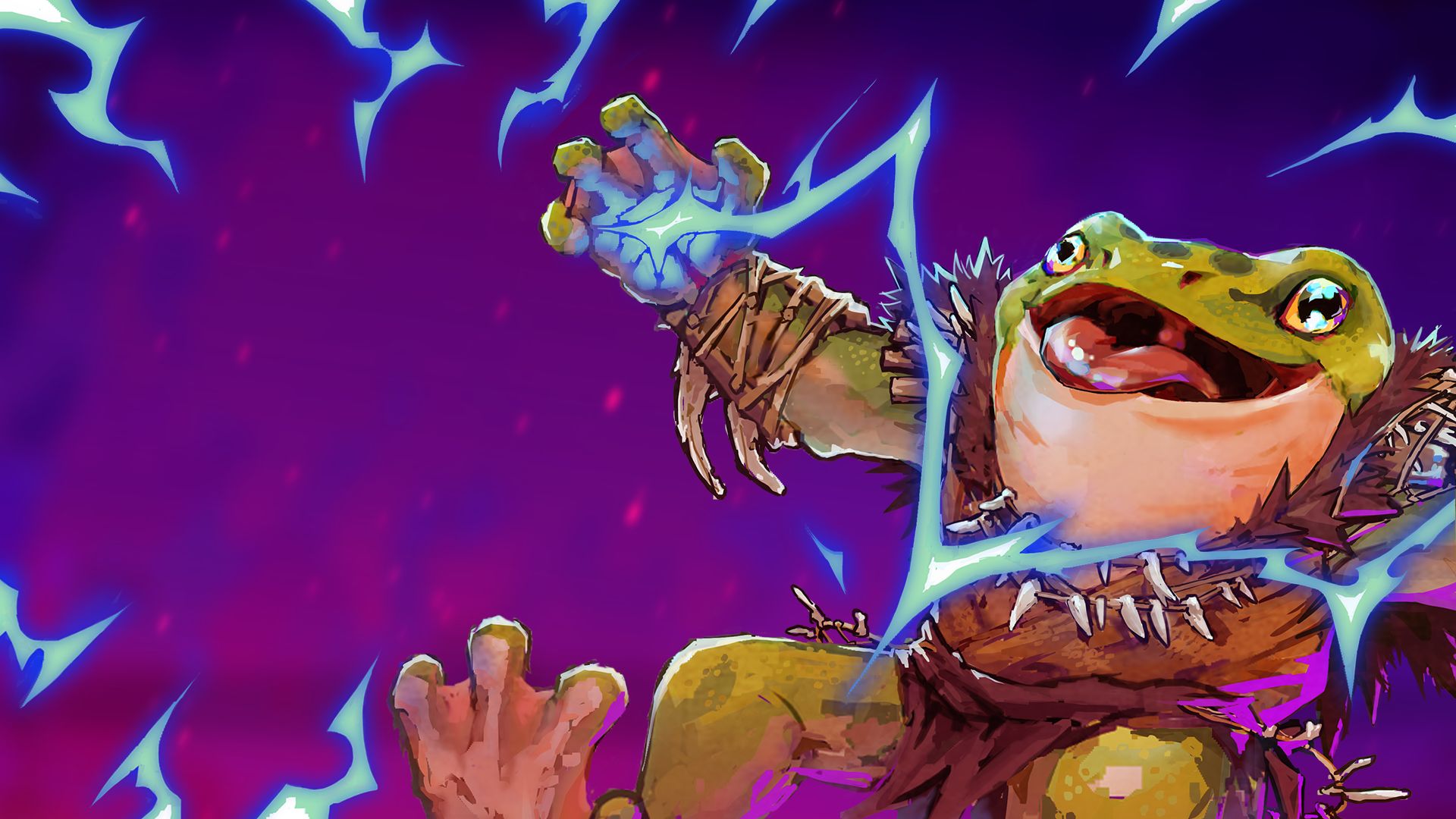
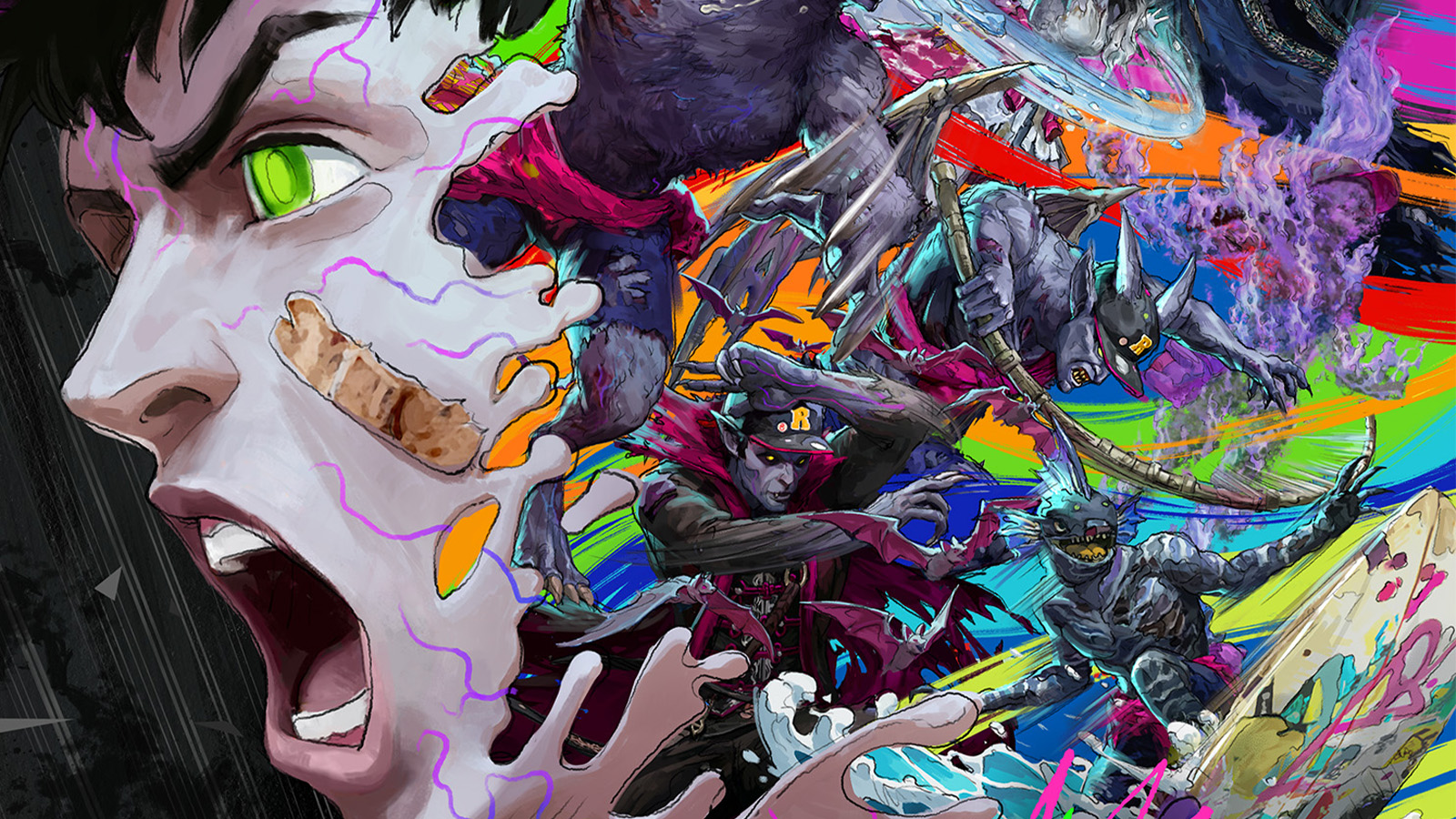
The world, creatures and story were created by John Kenn Mortensen. He is the mastermind behind it, and a lot of it is inspired by the old movie Labyrinth. We are very much a mechanics-first kind of company, so we needed a setting where the game’s mechanics make sense. Why do you gain currency from slaying monsters? Well, it’s their blood, and their blood is a powerful resource that fuels the world. That’s why you’re an alchemist going through this dangerous gate of monsters, and now you have a game plan, a setting and obvious goals to fulfil. What’s beautiful about the world and setting is that it can be used for many different types of games and concepts, and we already have some crazy ideas for the future as well.
The first thing that most people will see is the game’s striking art style. Please tell us about the visuals and the journey your artists went through from concepting Flask until now.
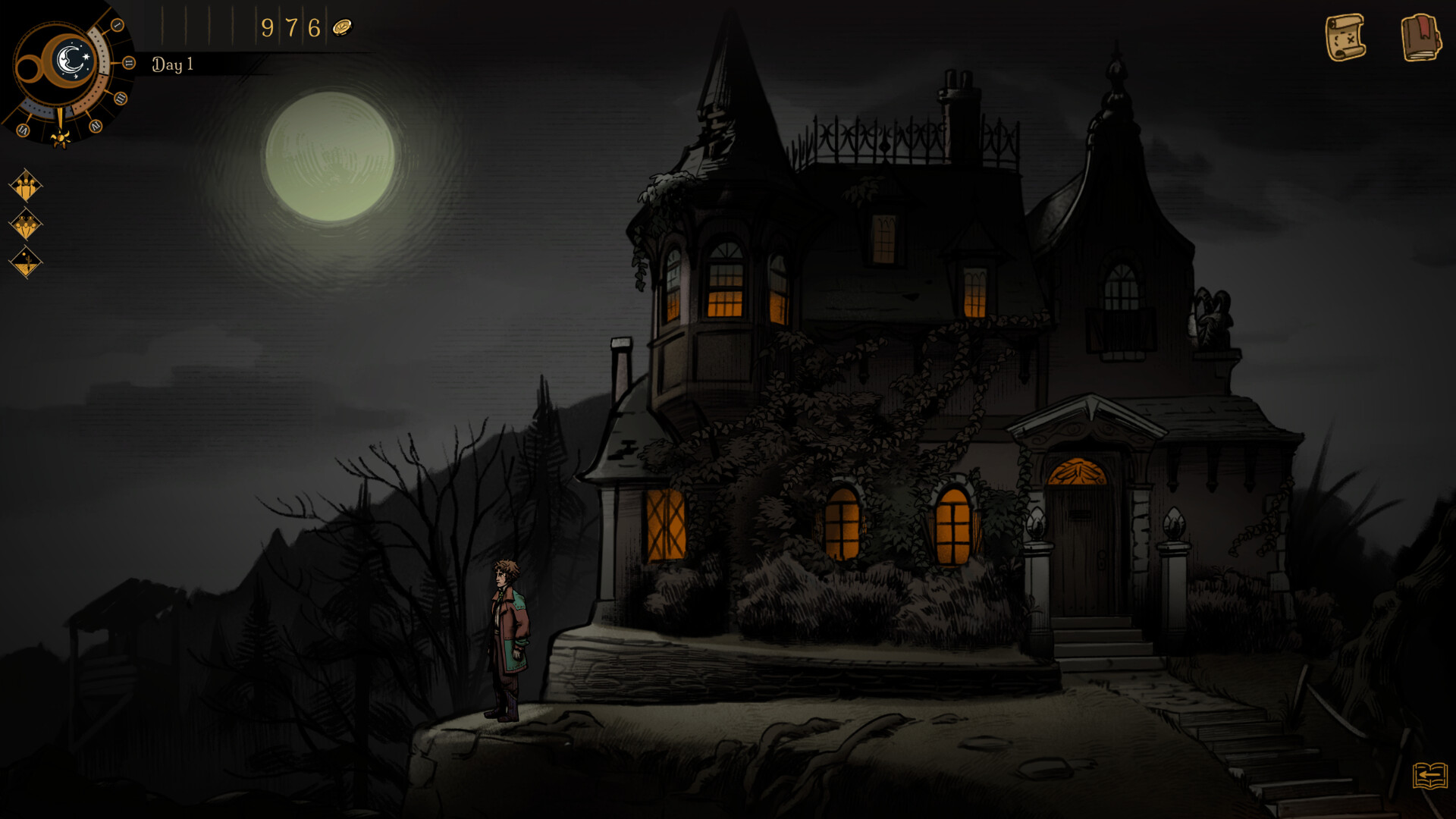
John is the art director, so he sets the style, and it’s not an easy style to learn. In fact, he has perfected it over decades, so getting a team of artists up to snuff, where they can start making actual game-ready assets, takes a while. Great art takes time, and the hand-painted nature means that everything moves up the chain and must ultimately be approved by John. Sometimes the feedback will be “Actually, I don’t draw rocks like that in my style – rocks are drawn like this,” and then he’ll go through his catalogue and bring up a drawing he did 10 years ago of a big castle that sort of fits what we’re going for. That’s one of the advantages: John has a huge catalogue of drawings from throughout his life, which we have turned into moodboards for the art team to learn from before they bring the drawings to life in the actual game.

In Flask, you’re deckbuilding, performing alchemy, and engaging in autobattler combat. How did you come to these three core elements, and what challenges did you have when integrating meta-progression into the mix?
As I mentioned previously, it’s very much a concoction of different mechanics from some of the greatest games I’ve played in my life. Slay the Spire, Teamfight Tactics and Hearthstone have been huge parts of my life, but TCGs like Magic: The Gathering, Yu-Gi-Oh! and Cardfight!! Vanguard also inspire the core mechanics, content and overall game flow of FLASK. But unlike many of these games, FLASK is at its core a drafting game, so in some ways it’s closer to Hearthstone Arena, or the MTG drafts you’d do with your friends when a new set had just come out. It’s about taking the drafting, strategising, and planning of deckbuilders and removing the execution. The combat is the reward, where you kick back and watch as your build comes together, or gets absolutely crushed so you know what to improve for the next combat.
As for meta-progression, it’s important to point out that we are not adding any kind of real player power through meta-progression. It will be exclusively about unlocking content, customisation, achievements and challenges, as well as story-related things. The real improvement comes from learning more about the game and its mechanics, and being able to see builds form in front of you.

There’s also a strong emphasis on asynchronous play – how have you integrated that into the game? And follow-up question: when so many synergies are possible, how do you guide balance when lots of players are sharing their builds?
We always knew we wanted to make a competitive game; that’s at our core. My co-designer Michael Kruse and I both have 10+ years of competitive experience playing at the very top level of many card games and strategy titles, so creating an async PvP game came naturally to us, and we have strived to create and improve on the experience we grew up playing. We do, however, take a slightly different approach than many games in the genre: in FLASK, every match matters. If you’re familiar with the genre, you often have a format where you’re expected to win 10 games during a run but can lose up to 5 times, or some variation of that. In FLASK, you essentially play a Bo5 against other players, five player combats in total during a run. If you win 3 of those 5 matches, it’s considered a “victory”, and if you win 4 or 5, you gain more points and climb the ladder more rapidly. This means there are no crazy systems behind the scenes, just a fairer approach where each run you’re expected to beat your current competitors 3 out of 5 times to advance, again drawing a bit more on traditional card games.
As for balance, it will always be a key question for players, but again, we draw on our extensive experience, our knowledge of these games and the titans that came before us. FLASK does not exist in a vacuum. For the past 10+ years, we have played these games and thought about what we liked, what we didn’t like, which metas were good and which were bad, and those are the experiences that shape the overall balance. At the core of balance in FLASK is the sheer amount of content; you simply see new stuff every run. FLASK is a drafting game, so in order to improve and perform at the top level, you just try new stuff, play what the game gives you, roll with the punches and get creative. For the nitty-gritty balance, it’s always important for me to keep in mind that not every single flask needs to be balanced relative to every other flask. They exist in different contexts, and different characters and builds use them in different ways. Core game balance is about identifying what we want the game to do overall and tweaking the numbers until we reach the expected outcome across large sample sizes of games. We have an extensive data system in the background where we can constantly analyse and investigate the runs, builds, flasks and performance of all content in the game, so we can keep it carefully in check.

The feedback from the demo has been positive, but I’m sure that it has also helped steer you away from certain things. Can you give us some examples of how audience feedback has helped shape the game?
There are always two types of feedback, which are equally valuable and tell us different things. Quantitative feedback is the data, and we always use that as a starting point for discussion. The more people play, the more data we have, and the more accurately our design can stay true to its goals. The second type is qualitative feedback: player testimonies, reviews, and thoughts shared in the community and on Discord. Community sentiment is important. For example, the sentiment among the top 10 players might be that a certain strategy is overpowered, so they tend to go for it constantly, yet the data shows it’s actually not the best strategy based on win rates. That still tells us something valuable, and investigating things like that helps shape the game feel of the strategies alongside the pure numbers. A strategy might feel better because it’s more fun, easier to execute or has more pivot points, which might make it preferable to a strategy that’s better on paper but requires 200% more brainpower. These nuances are what we get from the community.
A good example is the Sun element, which was recently reworked. When you reached the top tier, the previous version would increase the power of your first two flasks by 150%, which was very strong. It became a prevalent strategy because it was straightforward and good in most parts of the game, and in the late game you could sometimes win very quickly, before enemies had a chance to do anything. On paper, it wasn’t the best strategy, but it felt frustrating to play against and was easy enough to execute that it became too prevalent. So we did a slight rework: it now starts you off at 50% but lets the numbers scale rapidly throughout combat. That keeps the core design but removes the “rush” aspect that made fights feel unfun.

What’s left to do ahead of January’s release?
Mostly features, QoL, meta-progression systems and content. We still have a host of content that needs final polish, alongside more characters and testing. We’re very happy with the demo so far, and we feel the overall experience for dedicated players is great. What we’re focusing on now is creating a good ramp that lets new players take in the game in smaller bites, so it feels less overwhelming during the first few runs.
Finally, when and where can players get their hands on Flask?
You can play the demo today [on Steam], and it’s quite extensive! Otherwise, January 14th is the date to put in your calendar for the full 1.0 release!