Last year, Shape of Dreams landed on PC and, after a tricky launch with one or two technical hiccups, went on to establish itself as a very impressive action-roguelite. Now, a year later, the game has finally launched on console, and it does so with a major new update.
The update includes an expanded progression system which will be new for PC players, too. It’s called The Starless Path, and it comes with a new ending, a ninth playable character, and a bunch of new memories to unlock and experiment with.
The new console version also includes crossplay co-op, which I’ve been enjoying today with my son. We found the experience to be highly enjoyable, although we discovered that the game is much more stable when hosted by the console player. But I’m getting ahead of myself. Let’s go back to the beginning…

What is Shape of Dreams?
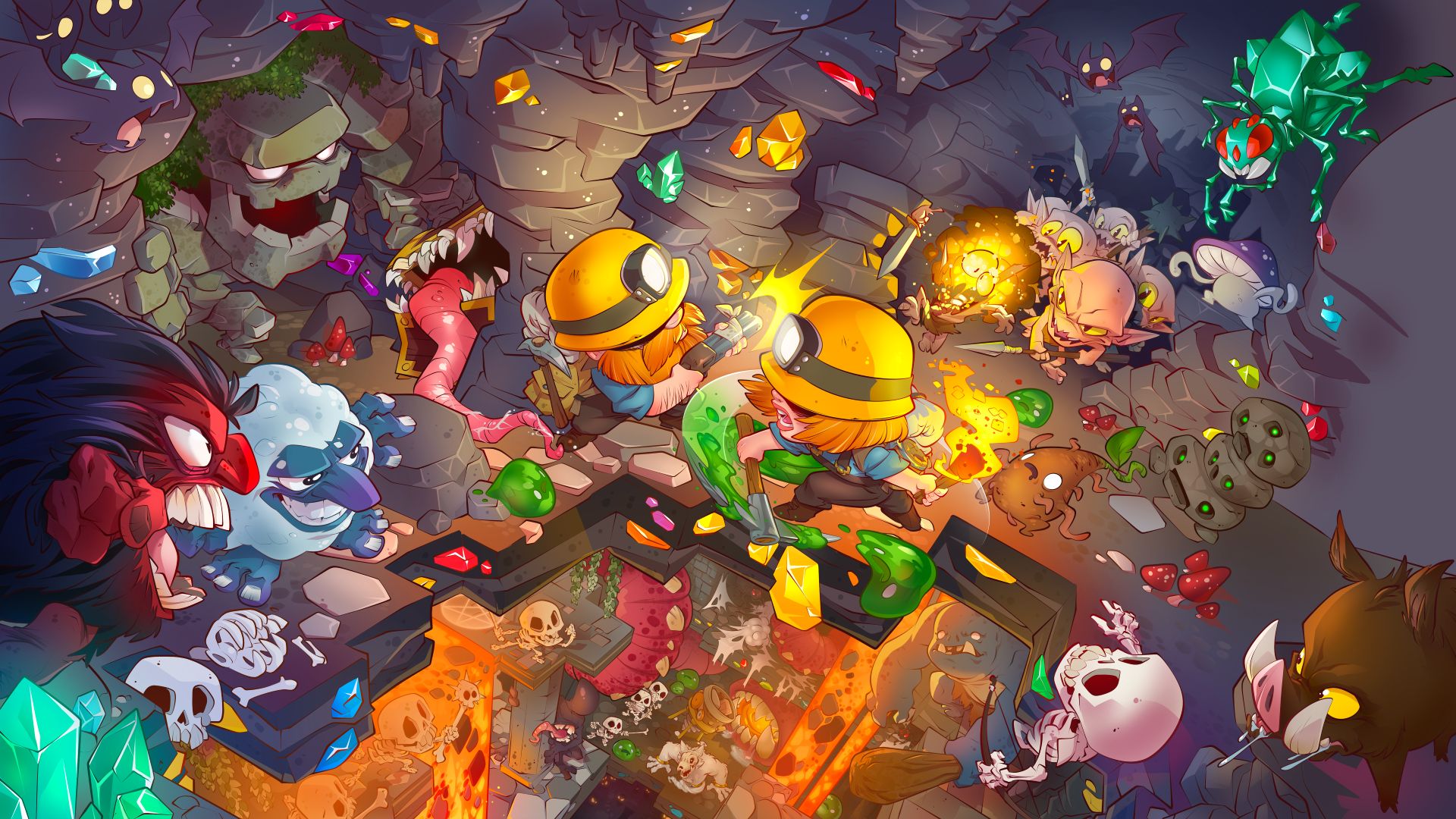
Lizard Smoothie’s elegant roguelite action-RPG is set in an original universe steeped in dream-related mythology. Across a series of fantasy-themed biomes, you must battle flaming monsters, icy spiders, floating swords, and a series of relentless bosses, all using a complex but well-made combat system that facilitates several playstyles.
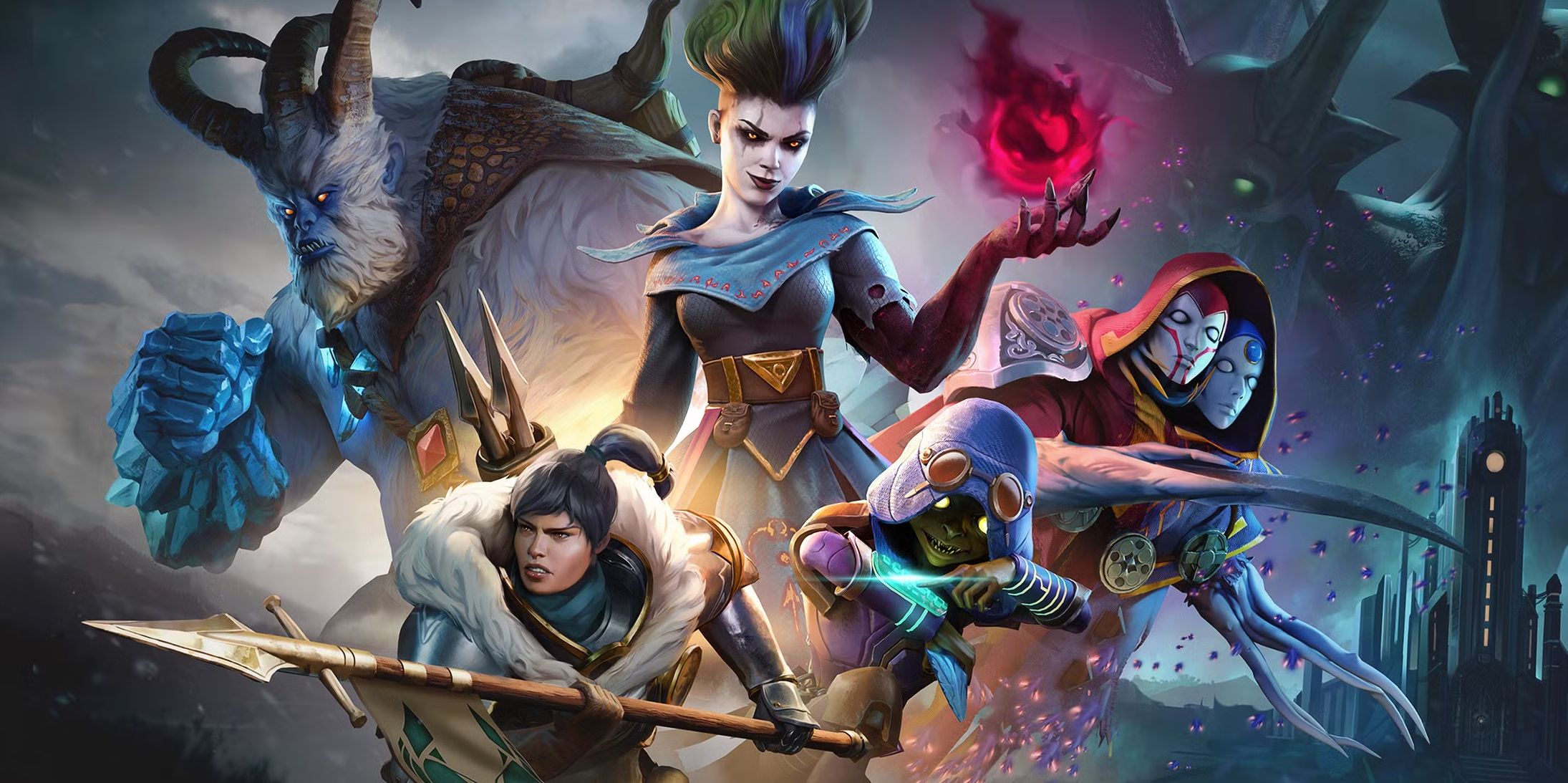
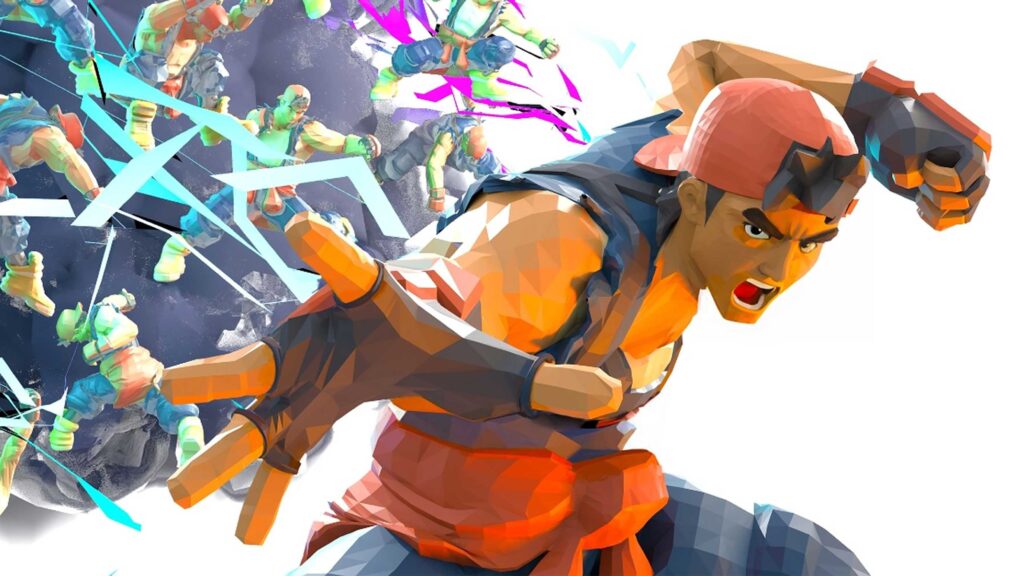
The isometric perspective and compact level design mean that it feels somewhat like Hades when played solo, but there is also a co-op mode for up to four dreamers. There are eight nine playable characters in the game, and they all feel distinct. Lacerta is a great starter thanks to the range he offers, but you quickly get new options, such as duellist Mist, a floating mage called Yubar, and new boy Cetus and his ranged ice attacks.

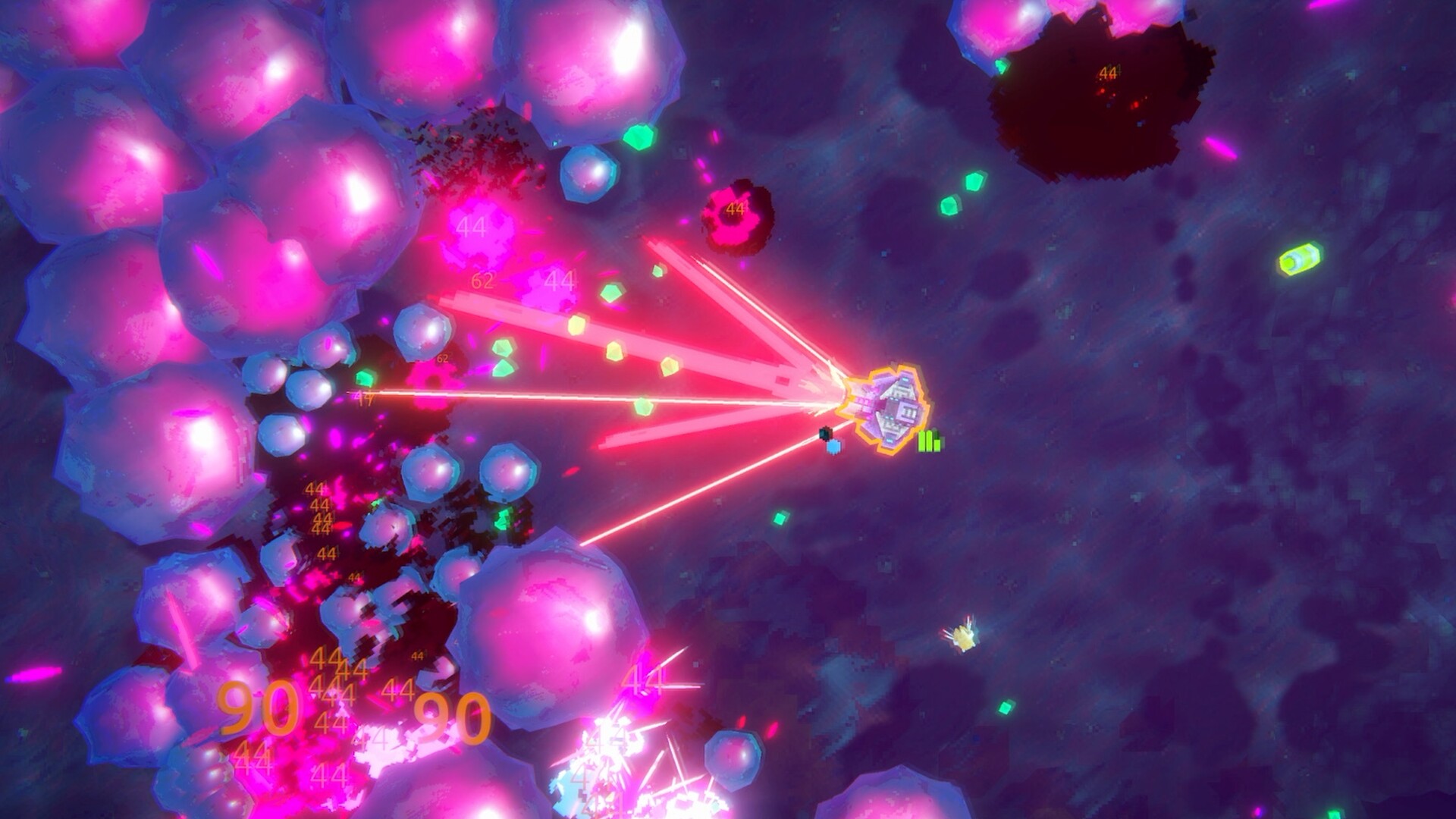
As you can see from the UI on the screenshot below, each character has a main attack, plus four slots for supporting abilities. Each of these abilities has three of its own slots, and you can fill them with crystals that amplify and enhance the effects of your powers. It’s a really cool system that allows for plenty of build experimentation, even within the relatively narrow confines of a pre-defined character.
Dreamy character building
One thing that I really like about Shape of Dreams is the frequency of interesting decisions. Yes, there are plenty of run-of-the-mill incremental upgrades to speed up your rate of fire or basic damage output. However, the socket-system means that there is a constant stream of small but meaningful decisions to be made.

Whether synergising a single build or a whole team, you’ll be able to adapt characters to focus on different damage types, as well as adding effects that trigger under certain circumstances. Many of your abilities will offer ancillary benefits to other attacks, for example, adding a damage type to the next shot or amplifying burn damage that enemies are already struggling with.
On top of the in-game currencies, health boosts, and mysterious opportunities that I’ll not spoil here, there is also a robust meta-progression system. Each of the playable characters has their own skill tree, which you then expand over time and also dress up with stat-boosting upgrades, which you unlock as you play.

Understated aesthetics
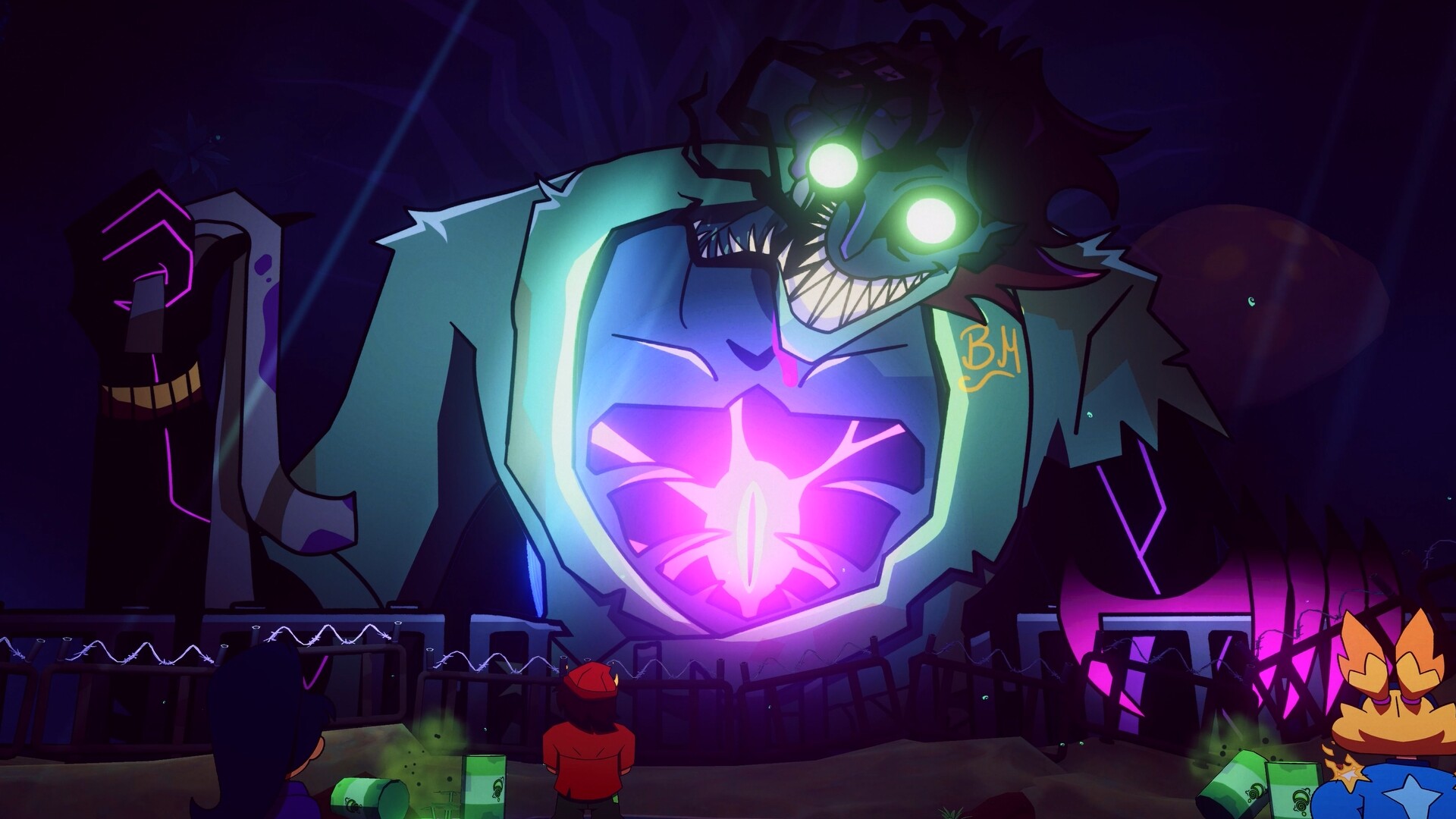
At first I was reasonably pleased with the art style and visual presentation, and this feeling has persisted throughout my time with the game. The watercolour effect has a Risk of Rain 2 feel about it, although the isometric perspective is more Hades-like. It’s not a super-demanding game, and it ran pretty smoothly on my Steam Deck, and the console version works perfectly.
Overall, the whole thing looks and feels really nice to play. The environmental design unfolds and expands over your time with the game, and there are plenty of little surprises just waiting to be discovered as you move between locations via the portal system. Jumping through one will take you to a world map as in Slay the Spire and FTL, and like the latter, there is the pressure of challenging enemies in hot pursuit – loiter too long, and you’ll get your ass kicked, basically.
After just over 12 months on PC, the console version of Shape of Dreams has finally arrived, and it’s in good shape thanks to a year’s worth of updates and refinements, including the new character and revised late-game progression changes. There’s a lot to unpack and experiment with, but I think a majority of you will have a great time exploring this weird and wonderful action-roguelite thanks to its tactile gameplay and engaging theory-crafting.
Shape of Dreams is out now on PC (Win), PS5, Switch 2, and Xbox, and I played via access provided by the game’s publisher and their PR friends.