I don’t think I’m alone in thinking that the royal family should get in the bin. Proverbial or otherwise. On the other hand, if I had inherited all that money and power, would I want to give it up?
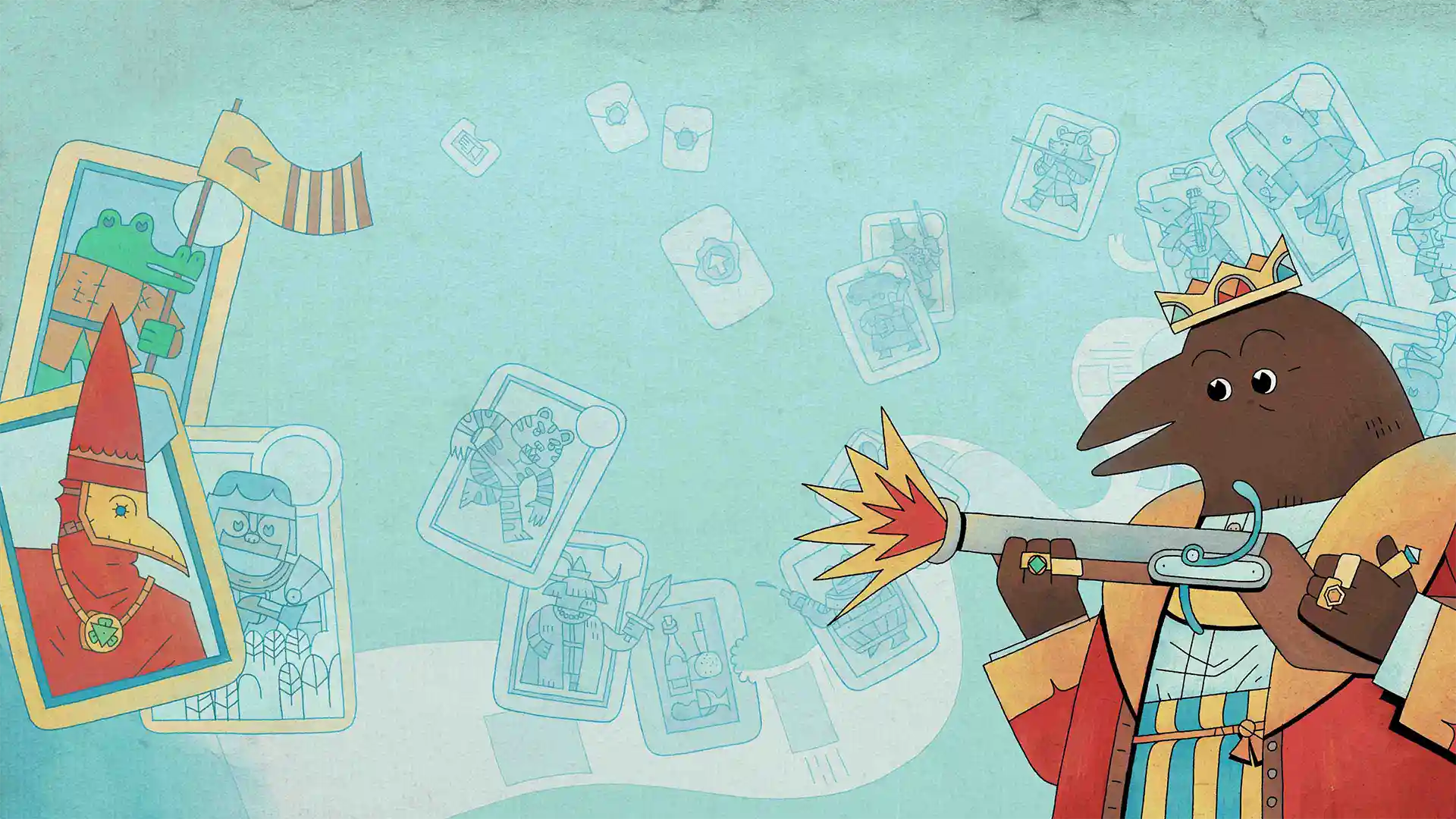
In The Royal Writ, you play as a most regal king whose job it is to lead your realm to power and glory. And if a few peasants get impaled on the spiked battlements of a rival in the process, then so be it – there are plenty more where they came from…
What is The Royal Writ?
Developed by Save Sloth Games, The Royal Writ is a deckbuilder that likes to invert your expectations and challenge you to think differently about the cards in your hand.
The action takes place across an evolving battlefield made up of tiles, wherein your units march from left to right, before crashing into the walls of whatever you’re attacking. The interesting twist here, or one of them at least, is the fact that your cards become more powerful the closer they are to the target, right up until they hit them, at which point they are lost.

There are certain buffs that you apply to cards that might stop this from happening, like a second life or a step back from the front line, however, the core essence of the game is that you’ve got to order your attacks and play your cards at the right moment, or you’ll ruin your run and have to watch on in despair as your hopes are dashed against the rocks before you.
A deck full of animals
Each of the cards in your hand is a unit to play in combat, or a buff to play on one of your units, affecting it in some way relevant to battle. One of my favourite things about The Royal Writ is the depth of the deck, which boasts a huge number of original cards. It must have been a nightmare to balance, and once or twice I struggled to find synergies in the cards I had pulled, but more often than not I think the variety works to the benefit of the game.
Cards typically fall into one of two camps. The numbers on the red cards boost the multiplier, and those on the blue cards boost the base score, which represents the other half of the equation. If you’ve played Balatro, you already know the score and how it works: boost both the base score and the multiplier, and your total score rises.

As you progress through the game you unlock additional cards in the form of royal writs. These are dealt once per turn (usually) and you can play them on your cards. Some of their actions are as simple as boosting either the universal score or multiplier, but things get much more interesting when you start using them to shift the position of your units during battle, or defer damage to the next round.
There are loads of interesting ways to mix things up even further, for example, you can promote your units during combat, giving them special abilities such as shields, the ability to spawn on any tile when being deployed, or certain bonuses for crossing certain terrain.
Let slip the cats and dogs of war
Apart from flying units, you can only play new cards in the left-most column, however, your moves are always limited by the number of lanes that are in play. A single-lane mission may appear simpler, but you can play fewer cards and therefore building a score is tougher. Similarly, you can have up to three lanes open at once, and this allows you a lot more tactical flexibility but with more considerations.

Different tiles can have their own properties, which can injure, cure, boost and buff the cards that sit atop them. Once everything is up and all parts of the game are working together, there’s a growing number of factors that bear consideration as you advance.
As they march from left to right, your units get more powerful, your score and multiplier rises, and you’re able to register increasingly powerful attacks. Early on, I found that the difficulty scaled quite sharply, and it wasn’t until I started reconsidering certain strategies that I was able to make genuine progress.
The Royal Court
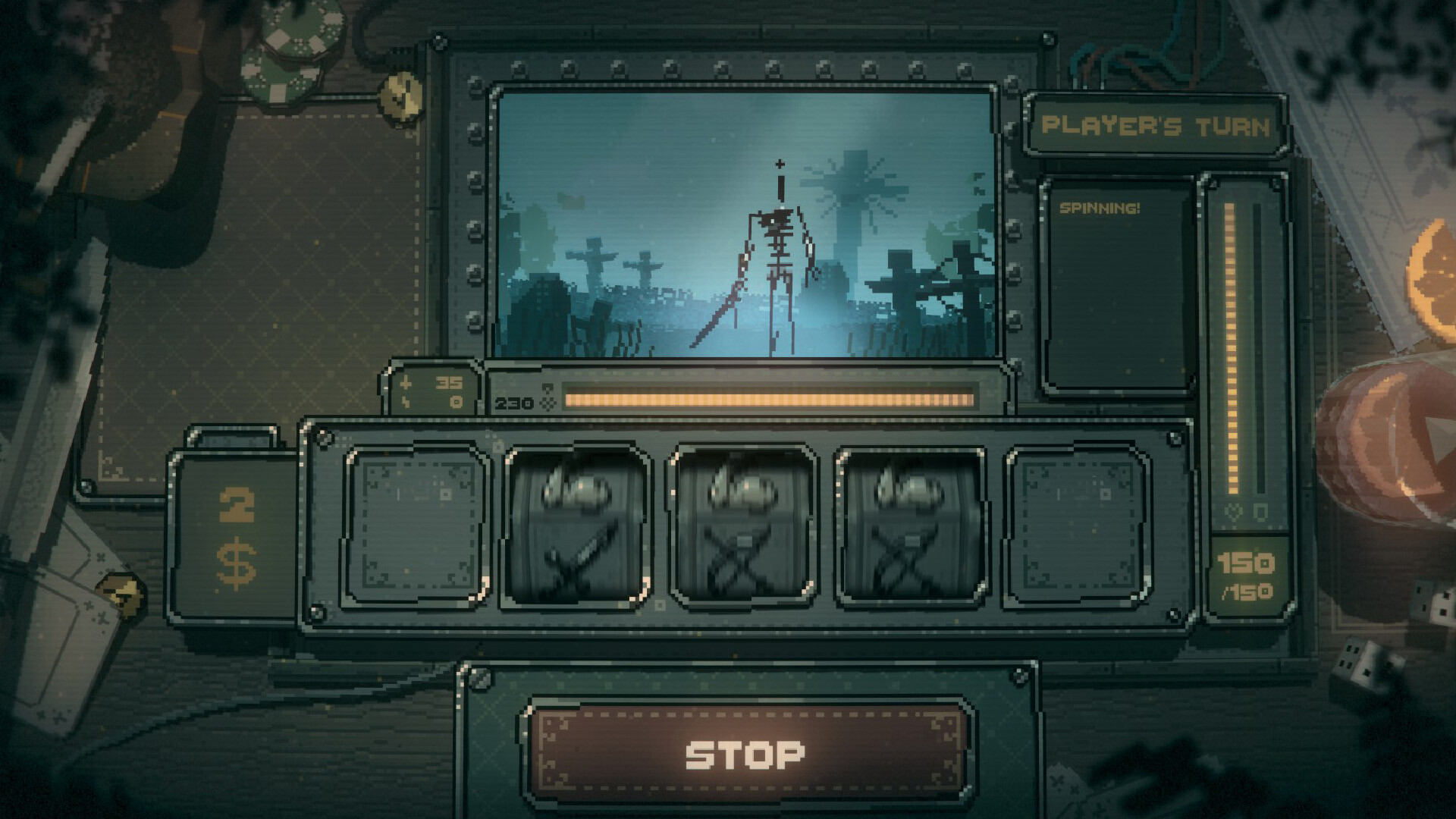
There are several battles during each stage of the game’s two main acts, but each multi-chapter campaign also includes a bunch of in-game events. I did start to warm to these eventually because there are several mini-games and they’re not always that useful, especially at the start of a run, before you’ve had a chance to develop your deck. However, there are some fun little gameplay twists to be discovered as you play, so it pays to engage with these brash distractions.
One thing I will say about the mini-games and indeed the game’s presentation as a whole: everything has been realised to a really high standard. The soundtrack, for example, is most pleasant on the ol’ ears (there’s more on that in my interview with the developers, if you’d like to know more).

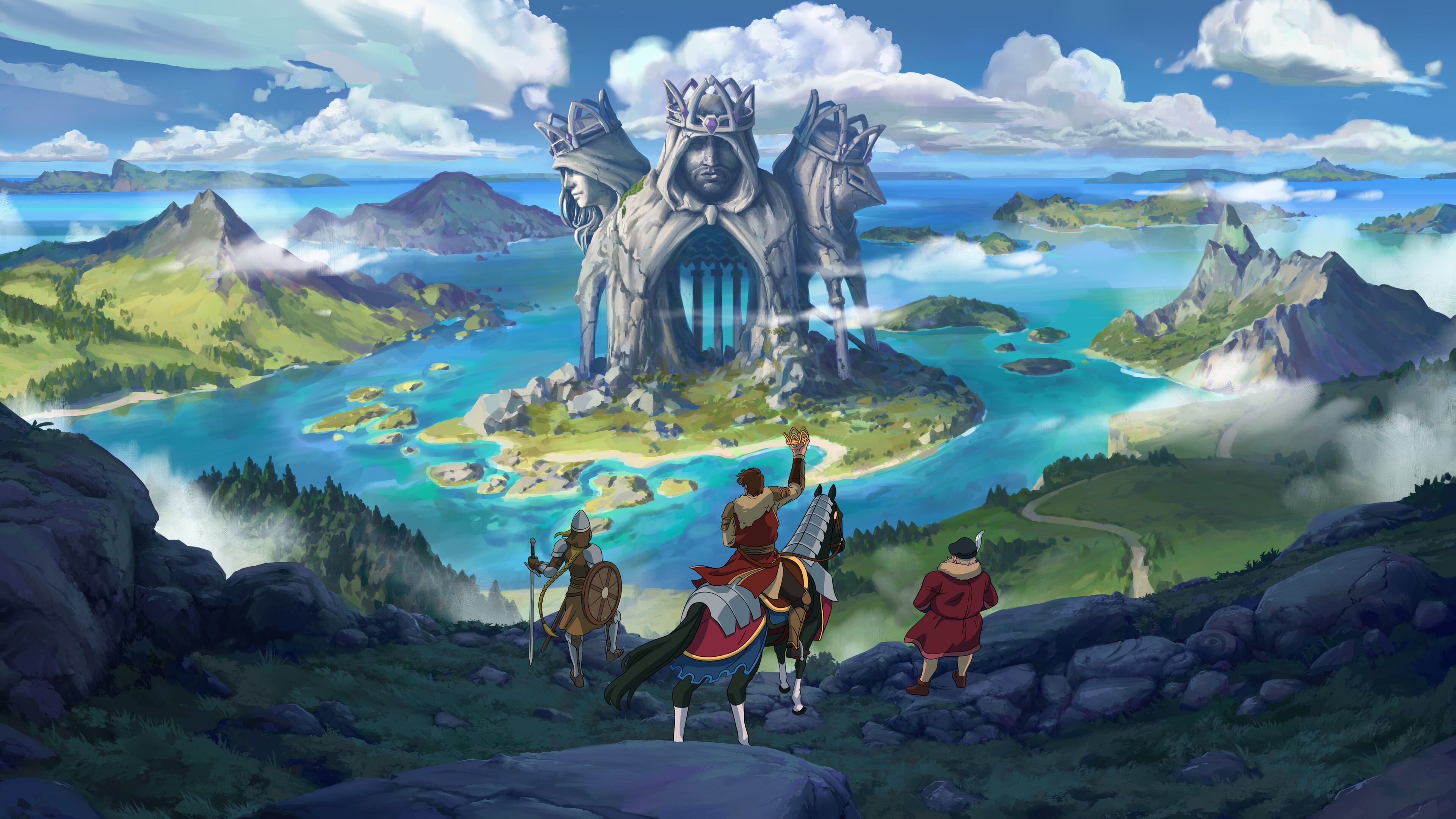
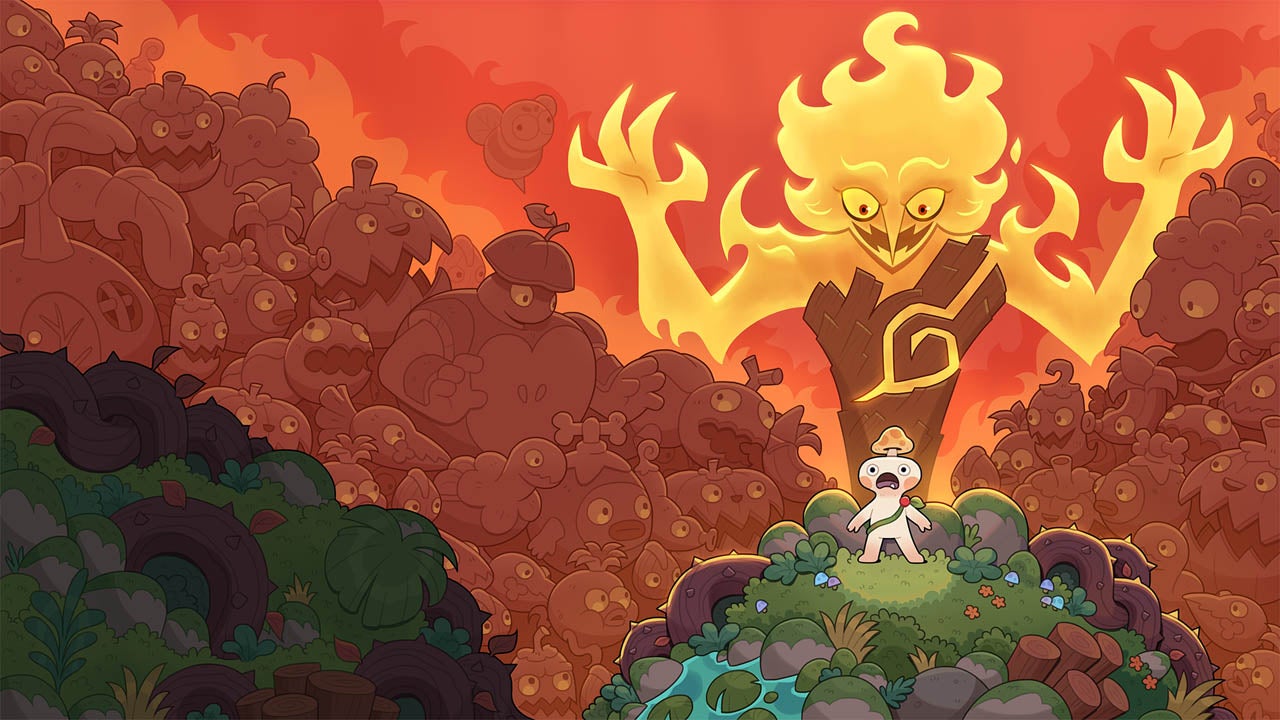
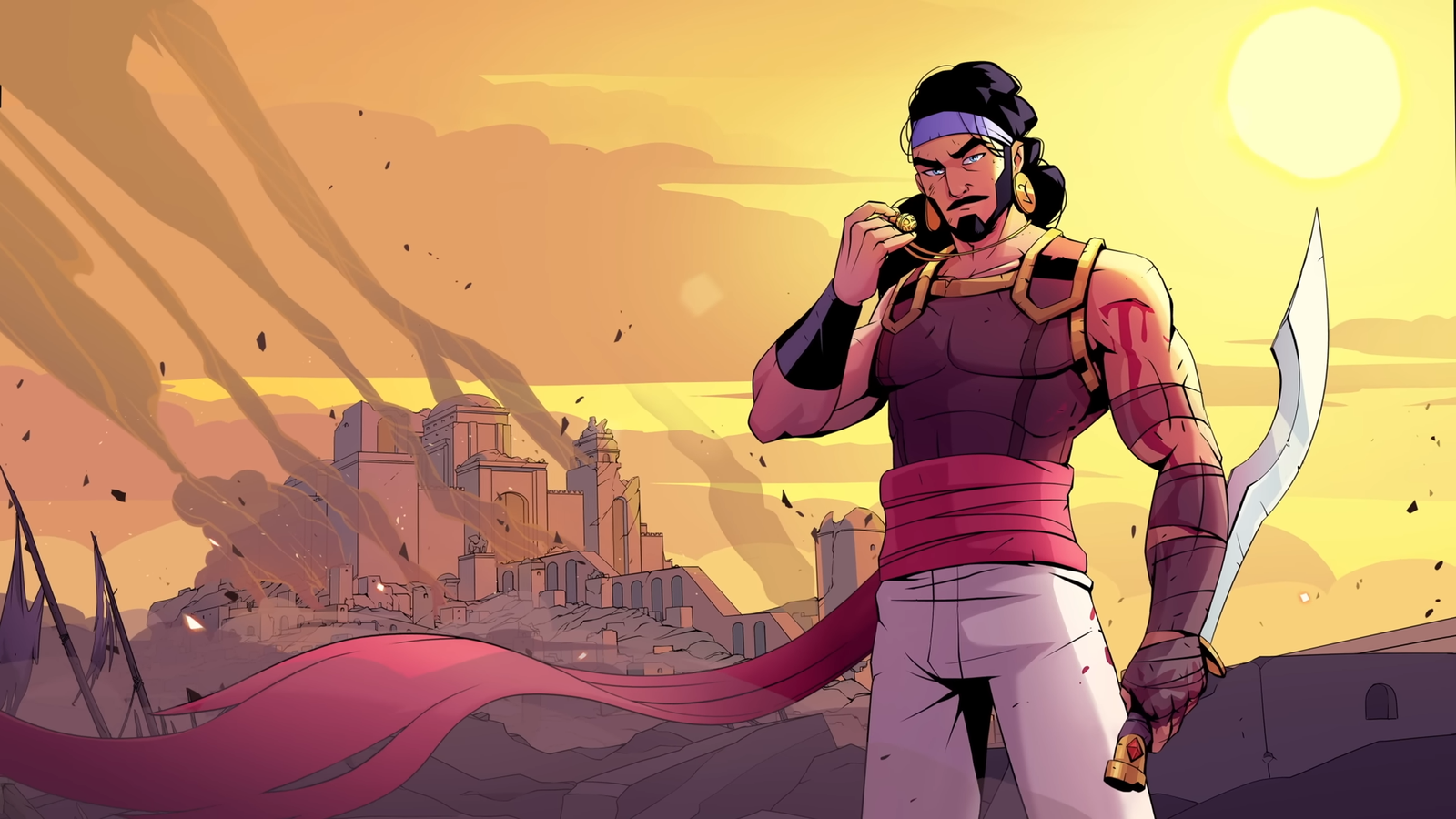
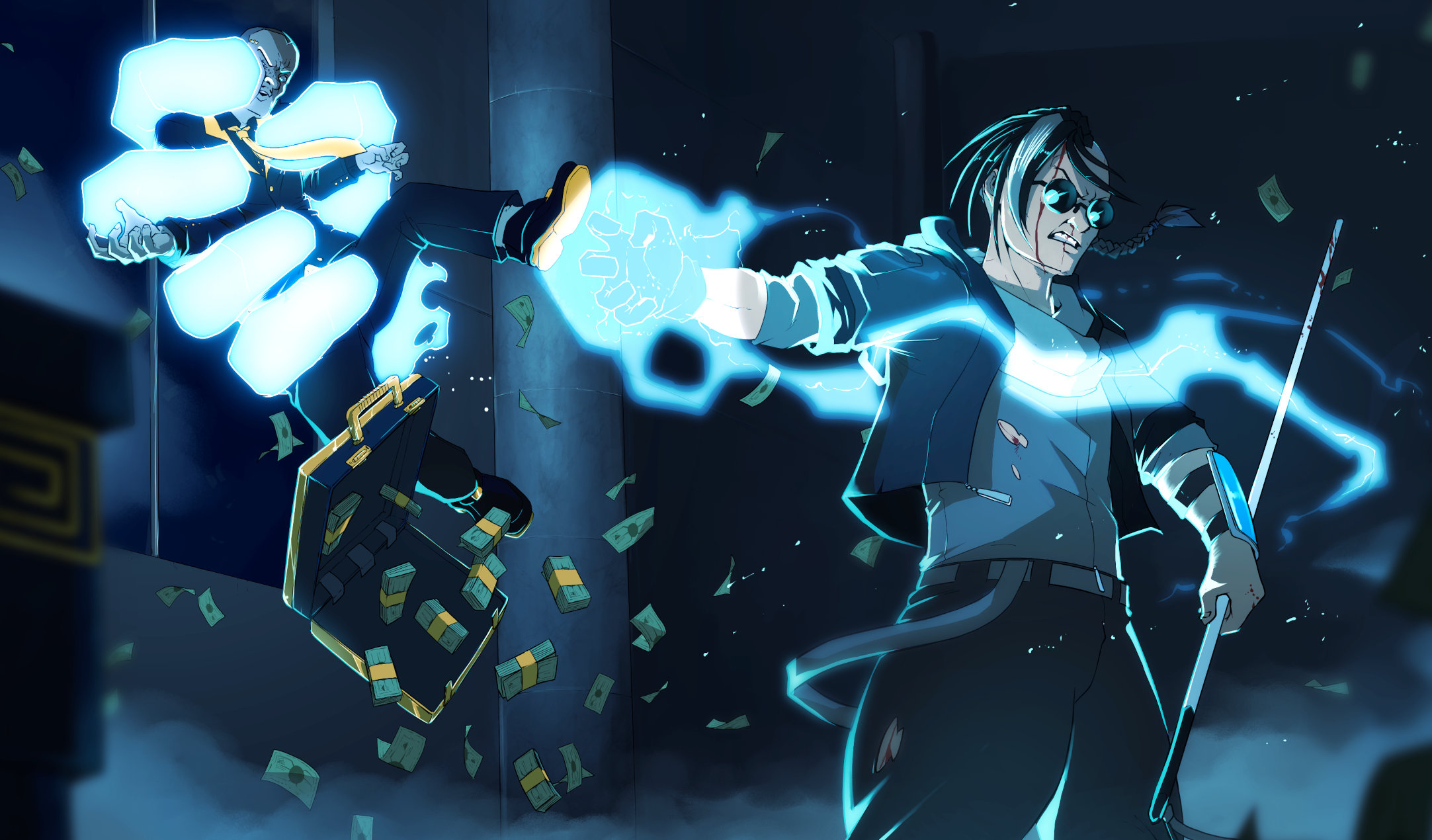
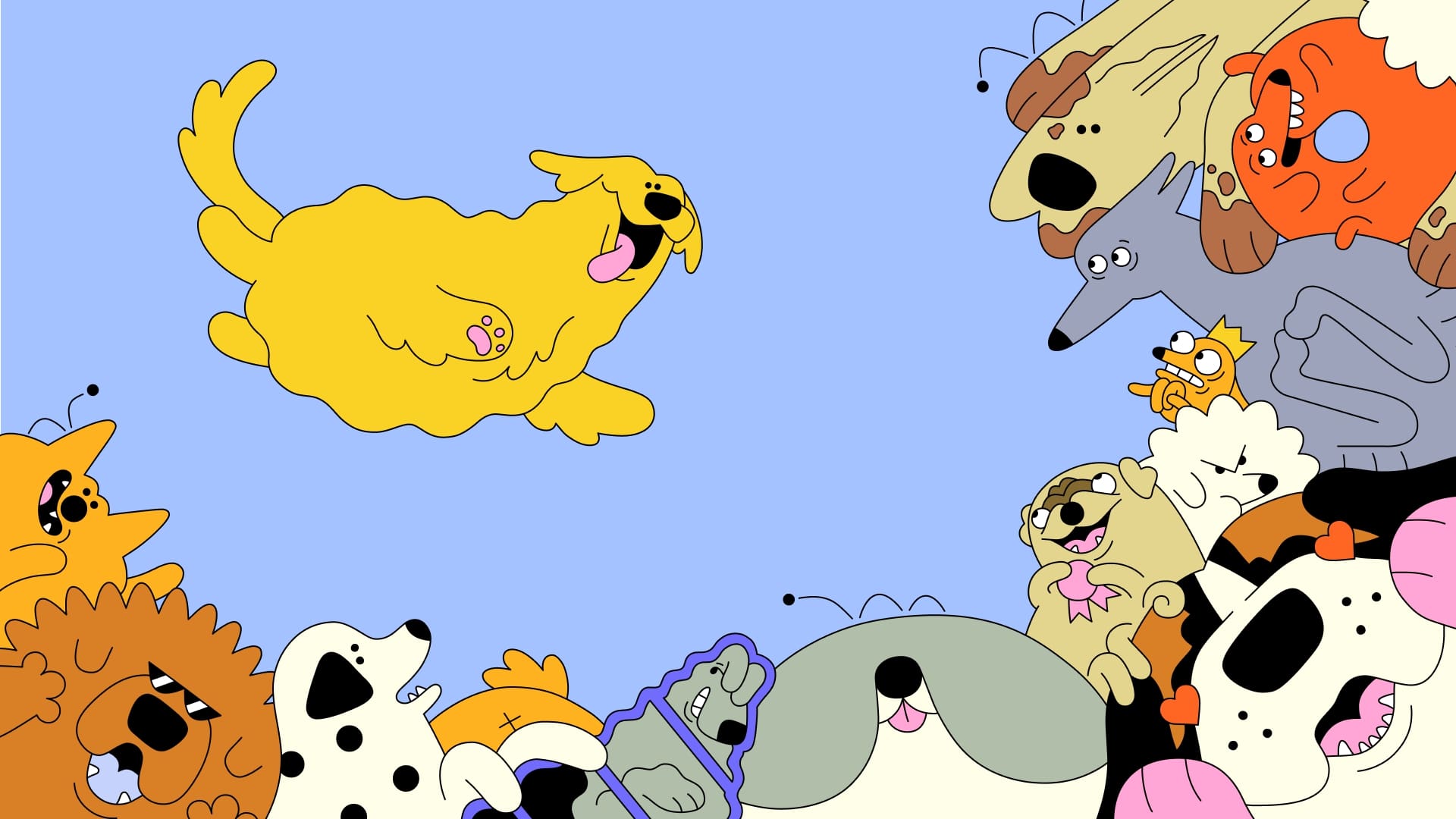
Beyond the music there is also striking art work to behold. The Royal Writ looks like the twisted lovechild of Cult of the Lamb and Peppa Pig. I’d go as far as saying that it looks like a storybook brought to life, and I’ve been routinely delighted by the attention to detail that has been paid to the card designs, the backgrounds, and the many animations.
It’s even quite funny. Save Sloth Games has captured the absurdity of royalty and the so-called divine right of kings, and how over the years we’ve been bullied into thinking that we need to lay down our lives for their wealth and prosperity.
Actually, that’s very much the point here: you’re not going to win anything in The Royal Writ without sacrificing a few of your subjects along the way. But that’s alright because, at the end of the day, you’re the king and that makes you special – the most special, in fact – and your subjects are poor and thus expendable. And that is exactly how it should be, right?