Beyond my unhealthy love for roguelikes, I’m a massive horror nerd. If I’m not glued to a controller most evenings, you can bet I’m scaring myself senseless with everything from genre classics to hilariously bad B-movies.
One of my favorite things is seeing those interests collide in fun and unexpected ways, and The Spirit Lift is a perfect example. Developed by the husband-and-wife duo at Prettysmart Games, it follows a trio of teenagers who find themselves trapped in a spooky, ever-shifting hotel on graduation night.
After launching to a Very Positive reception on Steam this January, we caught up with Creative Director, Lead Designer, and Writer Miko Charbonneau and her husband, Lead Programmer and Designer Dale Lemieux, to talk haunted hotels, horror inspirations, and building a deckbuilder with a supernatural twist.

RL: For our readers who aren’t familiar, what is The Spirit Lift?
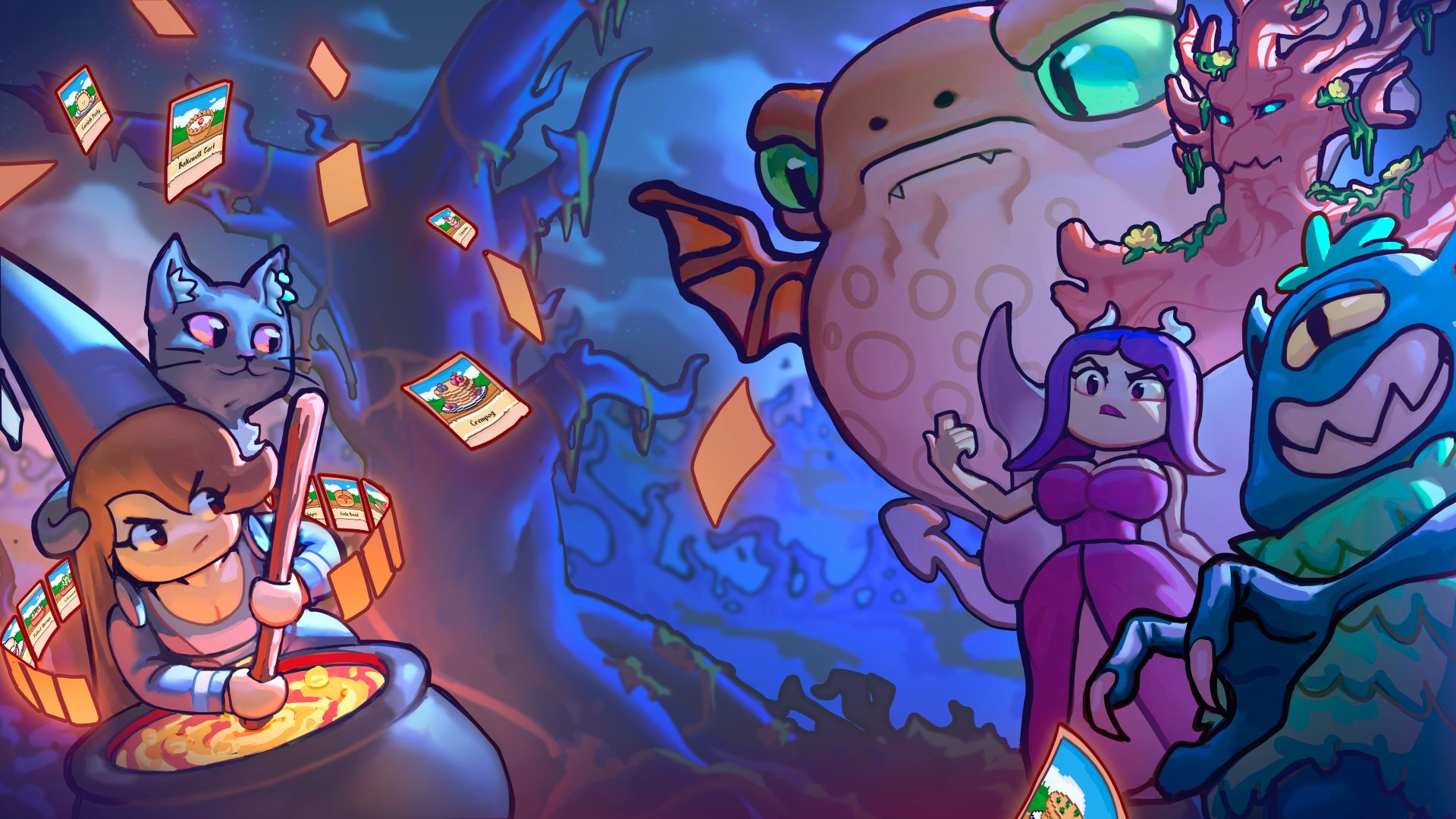
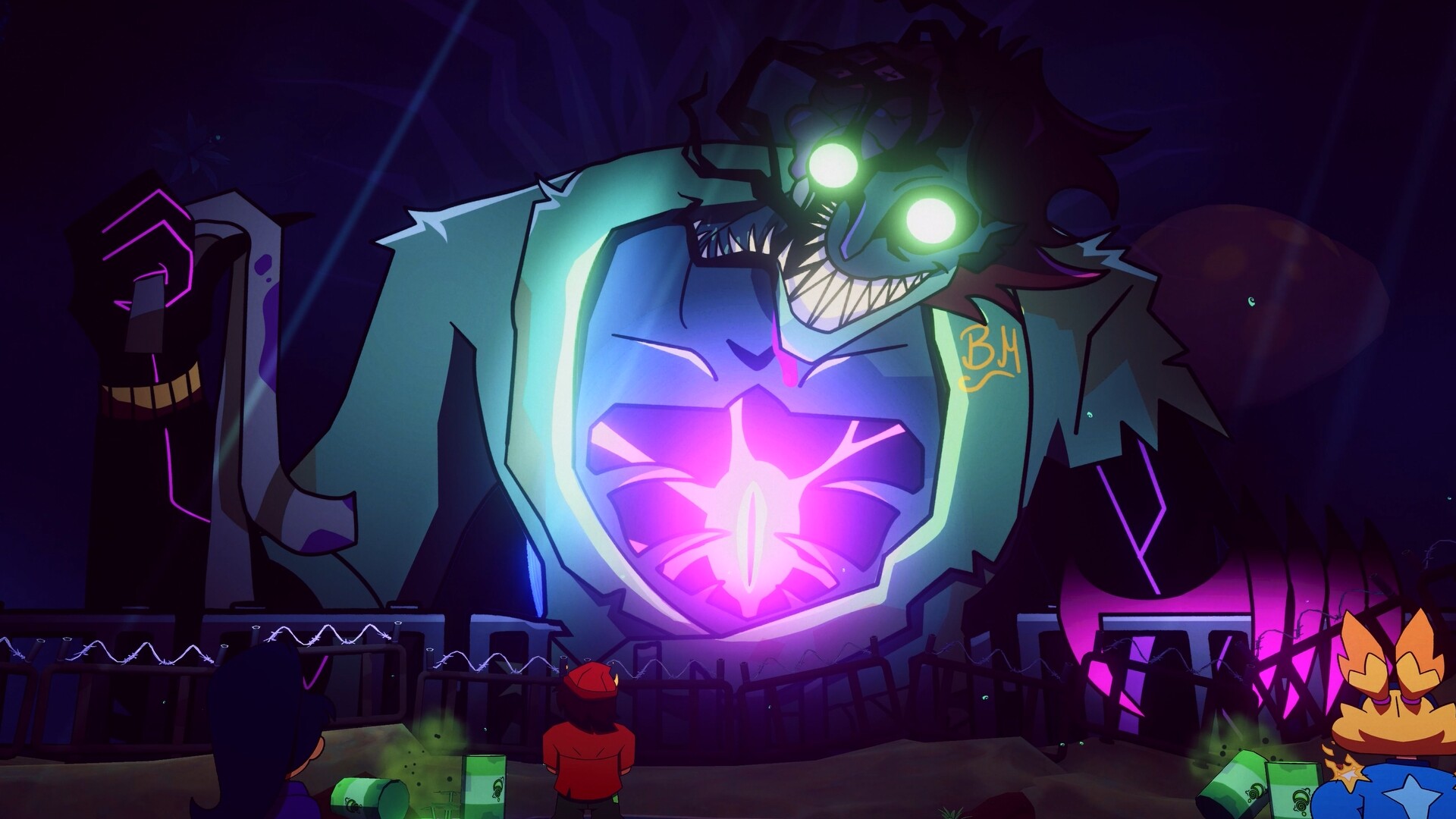
The Spirit Lift is a roguelike deckbuilder set in a haunted hotel! You play as a team of teenagers from the 1990s who take a magical elevator during their senior graduation party, and must fight their way through 13 floors of cute, spooky monsters. The more you play, the more you discover the mysteries behind the hotel and the lift itself.
Our take on the deckbuilder is a team-based equipment deck with a survival horror flair. Cards are objects brought by the teenagers or found by hunting through hotel rooms. Your deck is hindered by scary events that give you Trauma cards which interfere with your strategies if they aren’t managed.
RL: The game has been out for a few weeks on Steam now. What has the reception been like so far from players?
We could not imagine a better reception from our players! They’ve embraced the chill horror aesthetic of the game and we’ve loved seeing the excited conversations regarding the best team builds and tactics!
One of our favorite things we’re hearing is that many of our players are new to deckbuilders, and we’re glad they are finding the game approachable to first timers! At the same time, we’re seeing how many hours more veteran players are putting into the later game strategies. It’s also exciting to see people changing their opinions on favorite characters and teams as they unlock more card combos!
We truly feel blessed that both new and experienced audiences are enjoying the game. And there are still some secrets we haven’t seen anyone mention yet so that’s exciting too.

RL: The Spirit Lift draws on familiar tropes from classic ’80s and ’90s horror films. Which movies were your biggest inspirations, and how did you translate that era’s tone and themes into the game’s atmosphere and design?
We’re big horror fans, so we watched dozens of movies while making this game. With a haunted hotel, you have to look at The Shining and 1408 first. You’ll see some direct references such as our own version of little girl twins. We also looked at beautiful fantasy worlds like The Company of Wolves and Suspiria for lighting and scene composition.
The narrative and characters were heavily inspired by the 90s popcorn flicks like Scream and The Faculty. We wanted the teenagers to have well understood archetypes in horror that they could subvert later. And found footage was another huge inspiration, movies like Blair Witch Project and Grave Encounters where ordinary people end up facing the supernatural. These aren’t seasoned warriors, they’re kids that have to fight with whatever was in their pockets when they entered the hotel!
Fans of horror movies and games should recognize several of the cards and gear as direct nods to our favorites!
RL: Can you explain how a different trio of teenagers impacts gameplay?
Every run, you pick a team of three teenagers before entering the lift. This sets up your starting deck and gear. Your initial strategy begins with this combination. For example, if you pick Tobias his cards lean towards big damage single attacks, but he isn’t good at defending himself. If he’s paired with Sako you’ll have more dodge to block attacks but with Briar you’ll have regen and purify to heal and protect from negative status effects.
The run is also different based on the team. You’ll only find cards that match the focus, or deck type, of characters in your team, and during story events having the right character will get you the best outcome. The dialogue from the characters also changes based on who their teammates are, which gives hints to the story and foreshadowing for later revelations.
Also, we have a Library feature where you can unlock different starting cards, gear and events by completing character specific challenges, which opens up many more ways to build your starting deck!

RL: The hotel layout shifts depending on which boss awaits players in the penthouse. How does the hotel transform based on the boss you’re heading towards, and was this boss-influenced structure always central to the game’s design, or did it emerge later in development?
Yes, even in our early prototypes there was a ‘boss of the night’ design. The boss has the largest impact on the run. All the battles are chosen based on the current monster family, the events change, and the hotel generates a different look on each floor based on who is the boss. So an early indicator of who you’re fighting is to keep an eye on the ceilings and walls for hints.
Each boss is also a key part of the history of the hotel and players can find evidence files to learn more of their backstories. And the Library also has boss-specific challenges that unlock powerful new cards and gear.
RL: You’ve worked on the game together as a husband and wife duo. What has that dynamic been like working together?
We actually started to work together before we dated! Both of us wanted to make games but hadn’t found the perfect partner yet, and the rest is history. We started out about ten years ago making small games and apps for mobile in our spare time and we’ve both worked at several game studios (Miko worked on Minecraft as a Senior Game Designer, Dale worked at HareBrained Schemes as a Senior Unity Engineer).
We love working together. We designed a “rescue the cake” meta puzzle at our wedding where every table had to solve a different puzzle to open a box of clues. The week after we did an adventure game jam for fun. It’s hard to imagine not wanting to make games with each other. But sometimes the house doesn’t get cleaned as fast because we’re so locked in!
The Spirit Lift is our largest project for prettysmart games. Sometimes when it’s just us it almost feels like telepathy. The game dev process has its ups and downs and there are tears and frustration, but not at each other. We’re really good at telling each other when hit a brick wall, and then we cut or redesign until we’re happy with the result.
This was also our largest team, we hired three artists and a composer. We’re so proud of them, and the trust and respect across the team is a a huge reason for our success. Shoutout to Audrey Twigg, Allyson Kelley, Leah Kranz, and Ryako!

RL: You mentioned in a Steam blog that controller support is on the game’s road map. What other features can players look forward to in future?
We’re working on one of our favorite features, Lift Levels! This is our version of endgame challenges for more advanced players. Each level adds a new burden to your runs such as increased enemy damage, more battles, and a few other nasty surprises.
There’s also a new finale sequence that should answer some of the deeper lore questions, and we have ideas for more ways to shake up the runs and battles, but we’ll have to see. We’re enjoying the feedback from the players and want to make sure we’re addressing their issues and wants too!
RL: Are you considering bringing the game to consoles in the future?
We would love to! However since we’re a self-funded and self-published studio, we have to be cautious about our budget. Right now players can help us by telling us which consoles they want and spreading the word about The Spirit Lift!
Now to save you scrolling back up for that link, head this way for the Steam page for The Spirit Lift.