I was just a few minutes into my time with the Early Access version of Vellum when it became clear to me that there was a lot of moving parts, some more obvious than others. This magic-powered third-person shooter has elements that vaguely resemble a lot of different things, but when those elements come together the whole is, I think, larger than the sum of its parts. In short, I think that this is a game with tremendous potential.
There are so many different systems at play here, but what I like about Vellum – as opposed to those games that bury their secrets so deep that only the most dedicated will find them – is that here they’re on show for all to see. Yes, there is a lot going on, however, it doesn’t take too long to understand how the different systems intersect. In fact, it is those intersections that create Vellum’s most exciting moments.

Building your own spellbook
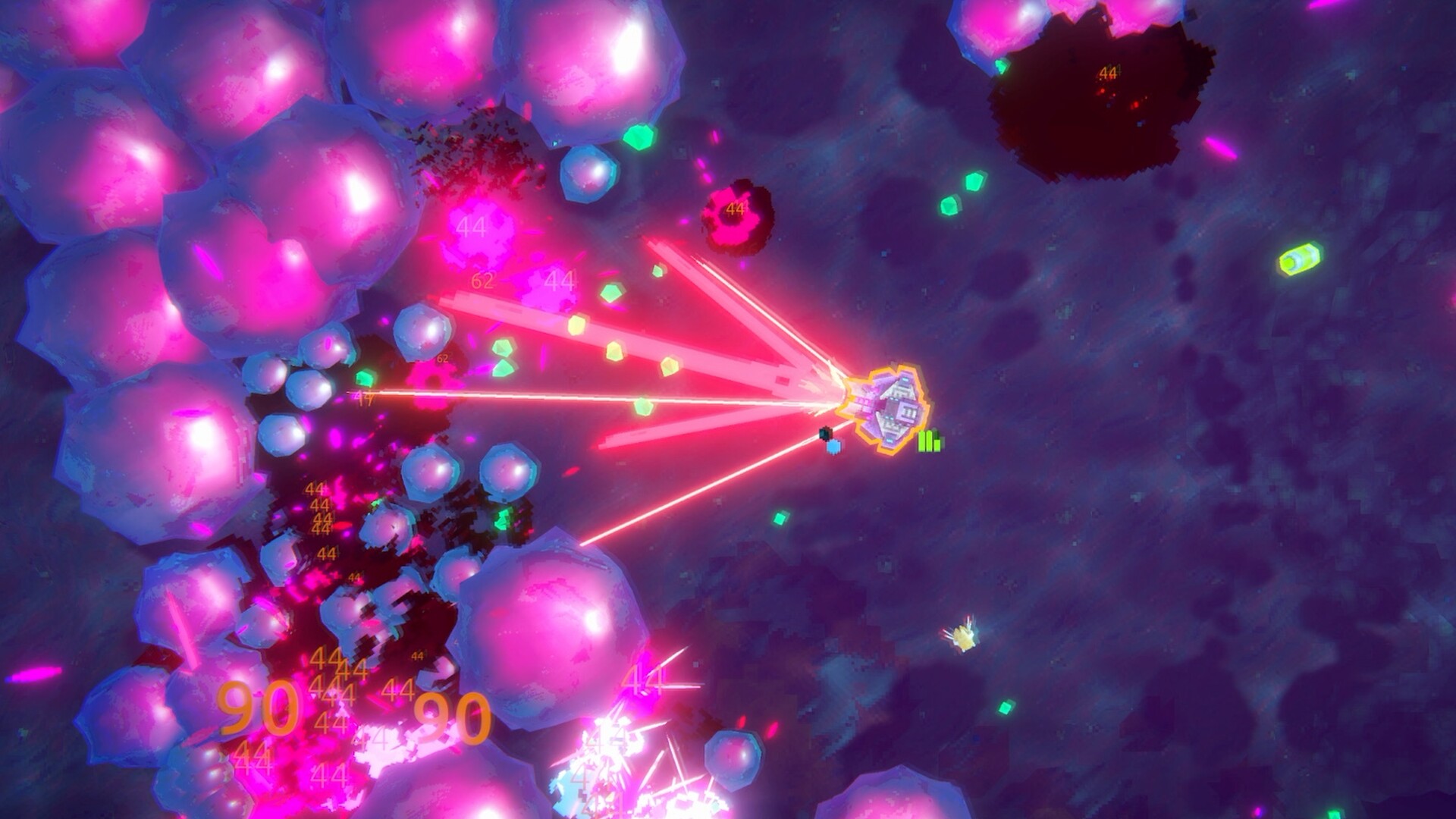
There isn’t a huge number of high profile third-person roguelites out there, and so comparisons to Risk of Rain 2 are inevitable, but I think that Alvios Games is concocting a potent brew that stands apart from our obvious reference point. For example, traversal in Vellum is very different to anything in ROR2, with your magic avatar always floating just above the ground as you scoot about the compact arenas.
On top of your standard locomotion options, you have the ability to further tweak the way you boost around the level, dropping bombs when you shift, or jumping high into the air to escape damage. However, you don’t need to focus on that sort of thing if you prefer to try out different spells, or even build a loadout focused on healing.
In keeping with the theme of the overall game, you’re in-game powers are informed by so-called signature inks, which you need to unlock and advance in the library (the main hub you visit between each run). They’re akin to character classes and differentiate your magic powers from those of your fellow scribes. These foundational abilities include companions, the ability to leech from your enemies, and highly charged crit damage.
One thing that I really enjoy is that it’s not just a case of picking a powerful attack and then buffing that move until your victory is assured. You have to react to your options and take risks as you build out your loadout for each run. Crucially, Vellum doesn’t tell you how to play, instead it gives you a broad range of options and then lets you live and die by your decisions. I like that, even if I don’t always win.

Emergent storytelling and familiar themes
I also like how Vellum lets you author your own experience by giving you a choice in terms of how your enemies grow stronger. This can be balanced against your own evolving toolkit, but it doesn’t always work out well and sometimes things can get out of hand when your enemies become powerful in ways you never intended. Victory is never assured.
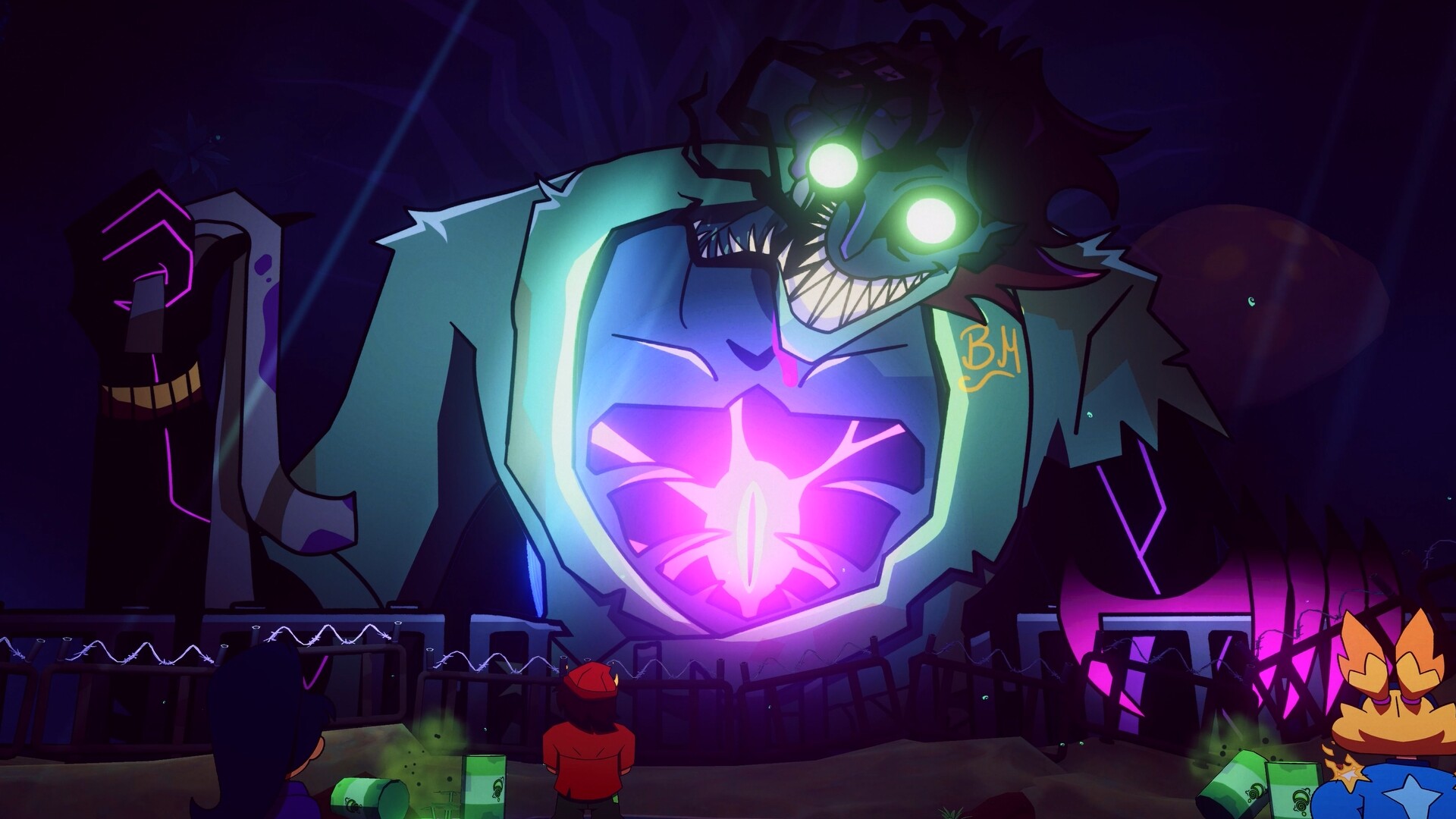
Each new “tome” is a sequence of short missions themed around certain literary works, and each one is punctuated by a boss battle at the end. All of your decisions, good and bad, culminate in these grand encounters, and even the bosses get bonus abilities, as agreed by the party. In-between rounds you get to level up your scribe and your enemies, and also set yourself short-term objectives that relate to the literary theme of the selected tome.
These short campaigns take 20-30 minutes to play alone, and are finished even quicker when tackled as a group. In this regard, I think Vellum is very respectful of the player’s time as it attempts to deliver an experience that manages to cram in a mixture of challenge, drama, and those emergent moments that tend to stick in the mind long after the game has been shut down.

A magic mic drop?
It’s not perfect, and that’s why it’s in Early Access and not a full release. The developers took feedback from the Steam Next Fest demo and have already managed to implement a bunch of changes based on that. The plan is to do the same thing during Early Access, and I can see that there is still plenty of room for both technical refinement and the injection of new content.
The combat is frantic and fun, for the most part, yet I think it could be more impactful, which the developers are already looking to improve. There is also work to be done to better educate players during the onboarding process, so it’s easier to get to the good stuff. Finally, I had a couple of connection issues when playing online. Yet, despite my minor gripes, I think the positives outweigh the negatives.
I live for emergent gameplay, where unexpected things happen and where you’re forced to react and problem solve on the fly. This ethos is at the heart of what Vellum is trying to do, and the game’s many systems are being engineered to create more of these moments. Whether that be the individual builds of the different players and how they interact, or the “bindings” (similar to the skulls in Halo) that toughen up the experience by injecting new challenges, things such as pools of lava that burn as you pass over them.
Of course, it’s all a work-in-progress and there’s plenty of time for things to evolve and improve. Jumping in now means taking the rough with the smooth – thus is the nature of Early Access. Still, Vellum is a game all about what might happen next and if it were a book, I think it would be a real page turner.
Vellum is out now on Steam PC. For more insights from the people who are making it, check out our in-depth interview with Alvios Games or our gameplay session with the devs below!