I think the best thing about roguelites, from my perspective at least, is how the framework translates and intersects with an impressively diverse range of different genres.
The original Rogue was, in some respects, a straightforward turn-based RPG. However, that experience becomes something entirely different when spiced up with procedurally-generated world-building and randomised character upgrades.
From the simple, humble origins of the 1980 RPG, the niche is now populated with practically every kind of video game. There are deckbuilders and shooters, RTS hybrids and tactical turn-based adventures, and every possible sub-category of RPG that you can think of. It’s a broad church, is what I’m saying.
With that context in mind, one thing that I’m currently enjoying is the recent injection of pace into the action-roguelite space. There is a DMC-inspired third-person brawler called 13Z on the way, and side-scrolling platformer Astral Ascent and Dead Cells successor Windblown both impressed me in recent months.
Morbid Metal is the next game to enter the arena at full speed, and after playing the new Steam Next Fest Demo, I’m eager to see more.

What is Morbid Metal?
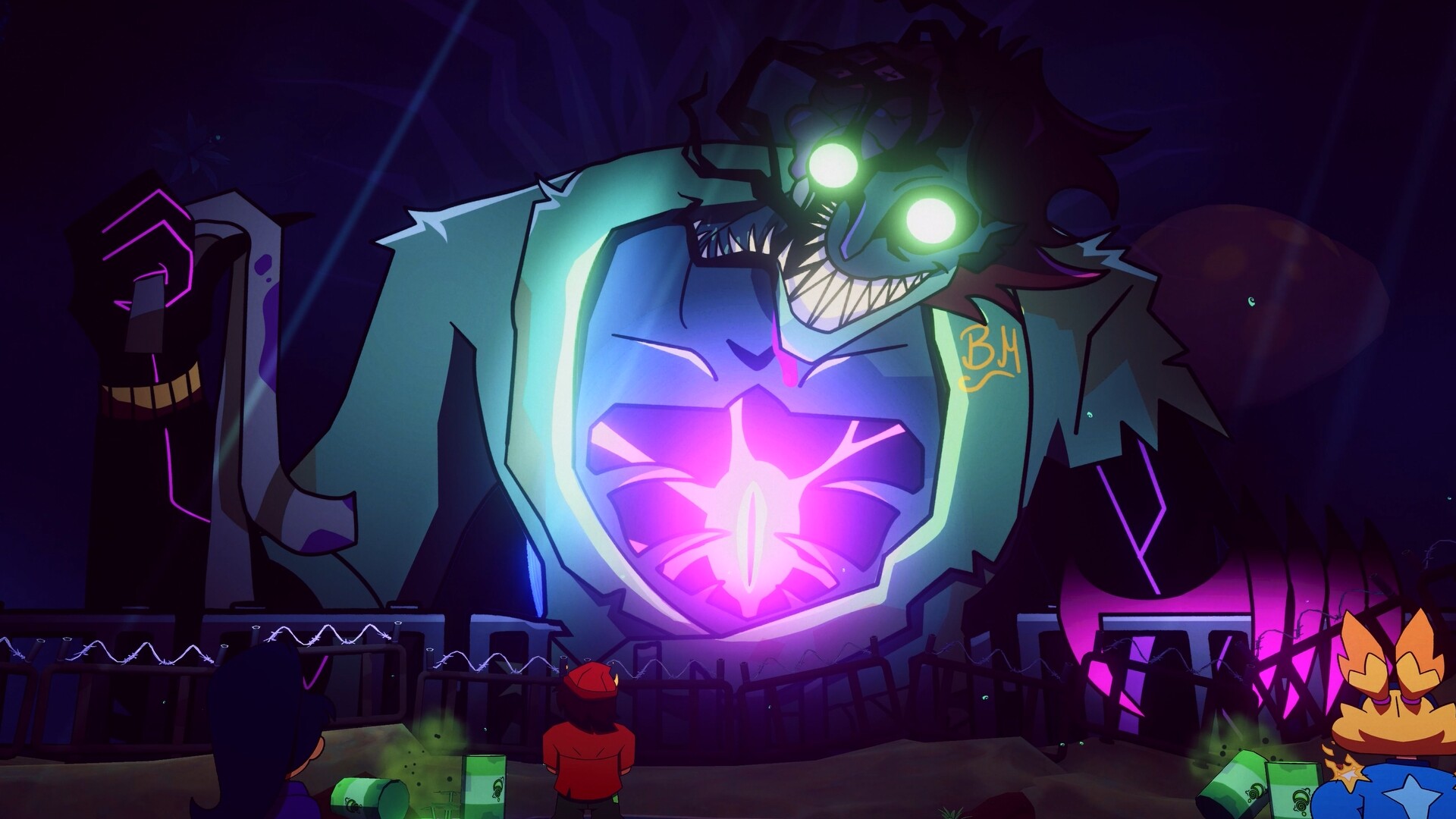
Developed by SCREEN JUICE and published by Ubisoft, Morbid Metal is a third-person hack ‘n’ slash action-roguelite with plenty of speed and oodles of swagger.
Defined by a combination of rapid movement and a nuanced control scheme, this third-person actioner is steeped in futurism, and it looks pretty sharp, too. Pun intended.
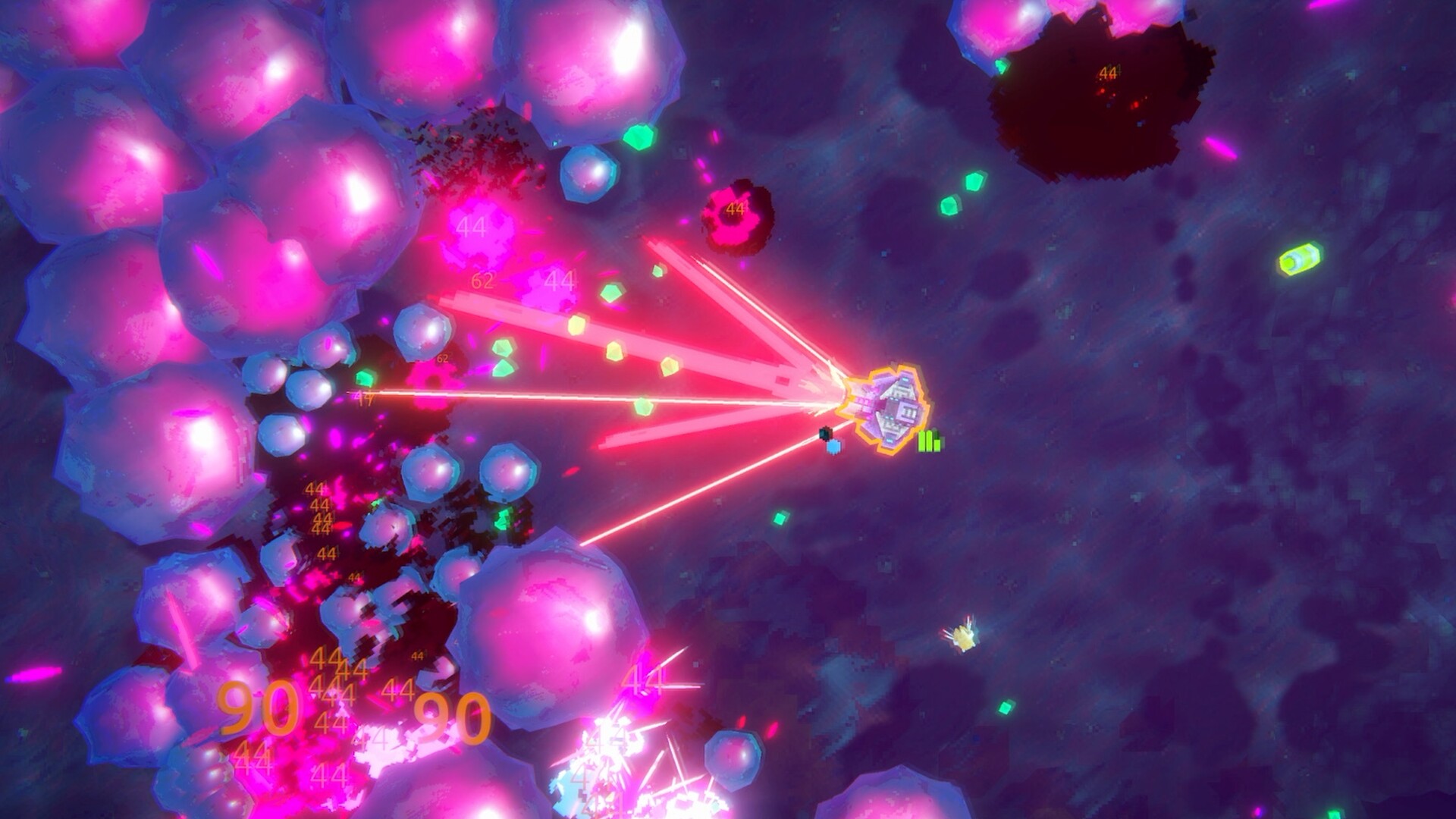
At times, I was reminded of Devil May Cry and that game’s arcade focus and tightly-packed arena encounters, but there were also moments that felt inspired by classic Platinum combat, wherein the frantic pace can be briefly paused, just long enough for you to line up devastating special moves.

It’s in these moments, when your attacks are smashing through an onrush of mechanised enemies, and you are able to halt the action just long enough to destroy the final heavy and finish the encounter in style, that Morbid Metal impresses.
Two styles for the price of one
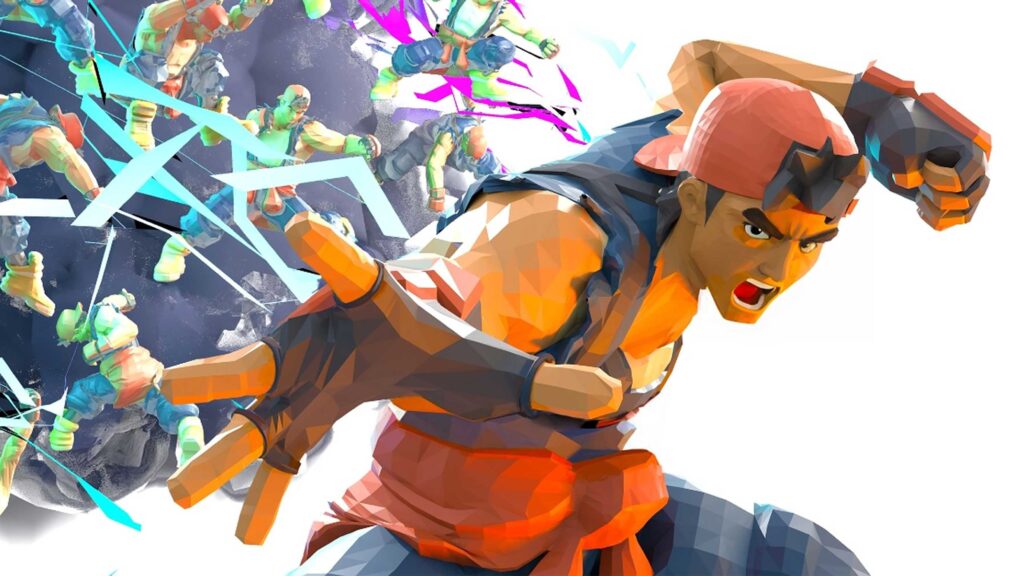
So far, the focus of the accompanying screenshots, and indeed the main spotlight image, has all been on one character, Ekku. However, this is somewhat misleading because Morbid Metal lets you take more than one soldier into battle (you can take up to four, according to the Steam listing).
While your avatars share a health bar, they each offer very different abilities. There are two playable characters in the demo, Flux and Ekku, and you can easily switch between the two during combat. I’m not entirely sure how this shapeshifting works, but it does, and that’s enough for me.

The sleek-looking character pictured above, Flux, is able to dart around enemies more freely, but as with everything in life, there must be a compromise. In this instance, that compromise is damage output; however, if you switch to Ekku, your attacks are instantly more powerful, but also quite a bit slower.
Regardless of who you are controlling, you’ll still need to keep moving, find good flanking angles, and even hover in mid-air in order to deal with the frequent aerial threats. Both characters have attacks on cooldown timers, which you’ll have to watch if you’re going to avoid button-bashing your way through things.
A roguelite’s destiny
One of the standout aspects of Morbid Metal are the visuals. This is a seriously polished third-person actioner, and I can see why the game was signed up by Ubisoft. Whether it’s the Eastern influence that underpins the character design, or the striking animations of each character’s various attacks, I found myself frequently mesmerised by the audio-visual experience and the flow of the action.
I also rather enjoyed the design of the game’s universe. The futuristic setting is well-conceived, in my opinion, and as I explored further into the demo, I was constantly reminded of the world-building and enemy design from the first Destiny, one of my all-time favourites.

Instead of Destiny’s more linear narrative, Morbid Metal instead delivers a much more replayable gameplay loop. After each encounter, in the usual roguelite manner, you’re given upgrades to choose from. If you’re leaning towards a certain play-style, this gives you a chance to further differentiate your build for the run ahead and focus on levelling up one character in particular.
I was picking from a limited pool of abilities in the demo, but the signs are positive in this regard. The more focused character-driven levelling could work really well, prompting the player to take full advantage of the game’s multi-faceted control scheme. With an expansive toolkit and more characters to choose from, there’s potential for good run variety here.
Anyway, I’ve gone over my self-imposed and entirely arbitrary word count for this; however, I think I’ve made my point. The Morbid Metal demo is out now on Steam, it’s good, and you can download it here.