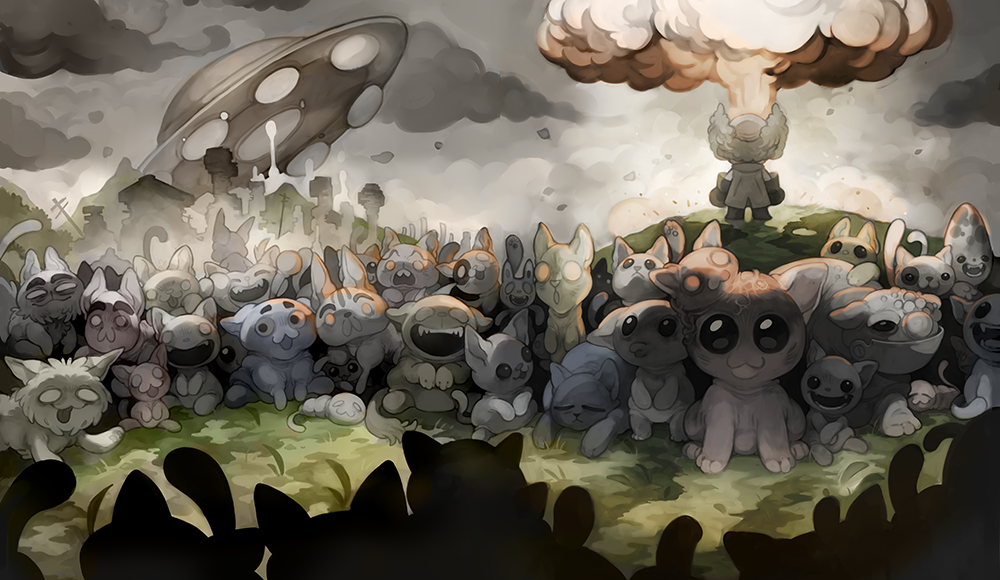
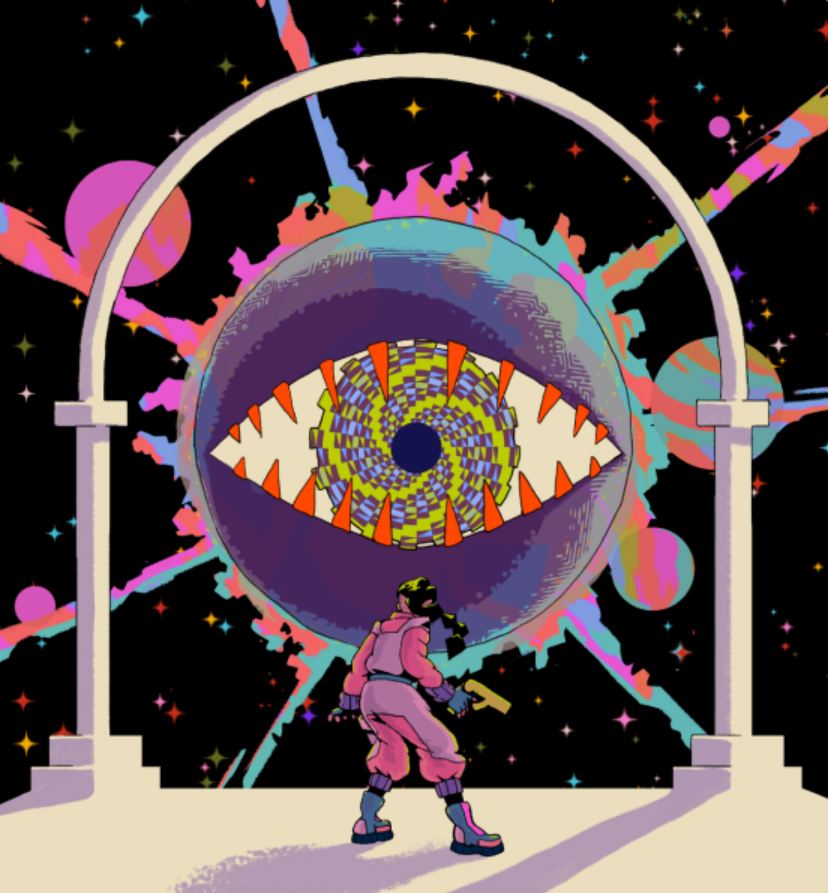
Nuclear Throne is one of the greatest roguelike games ever made, and today it has turned a decade old. Its influence can be seen across the genre as many new twin-stick shooters today still cite it as a major inspiration.
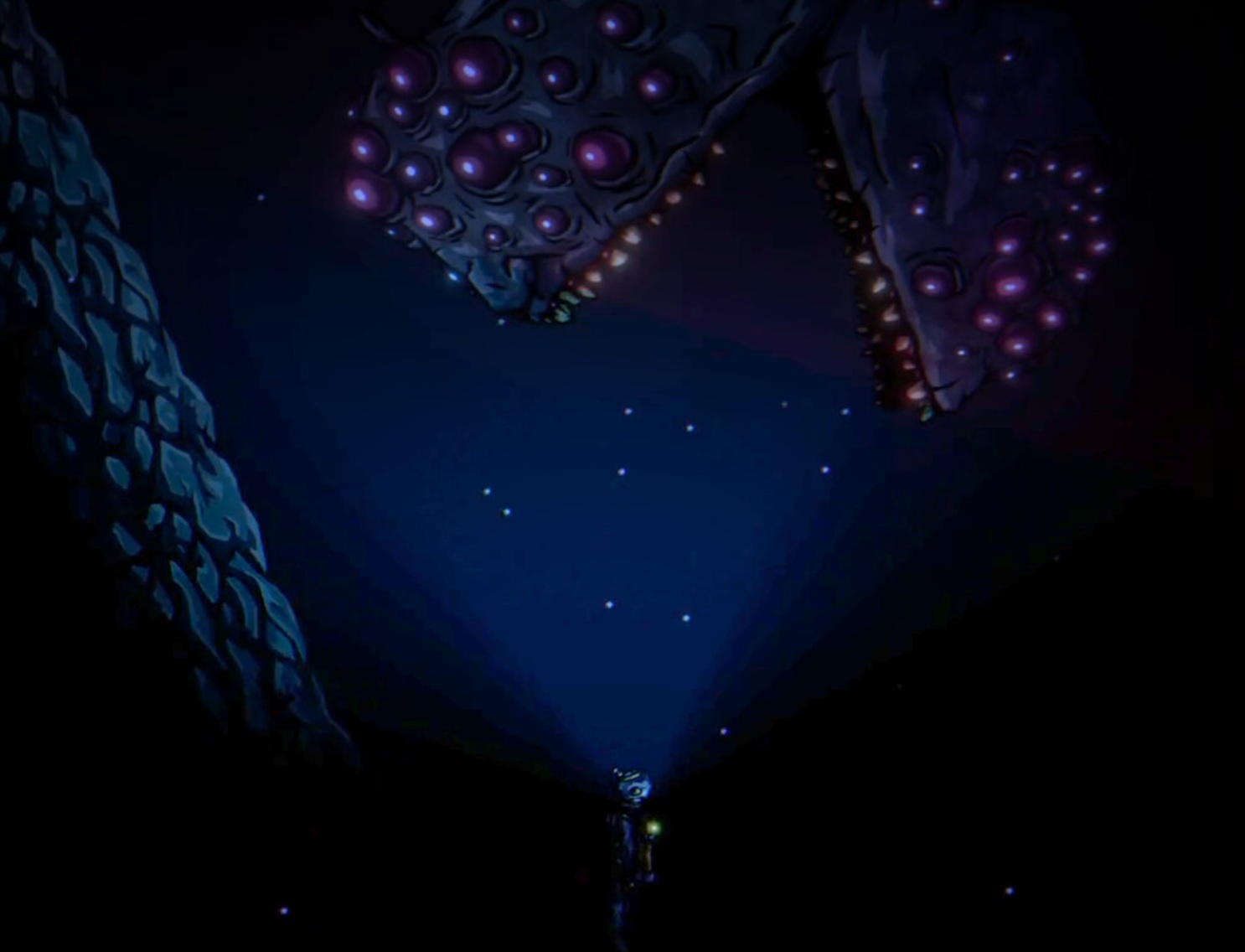
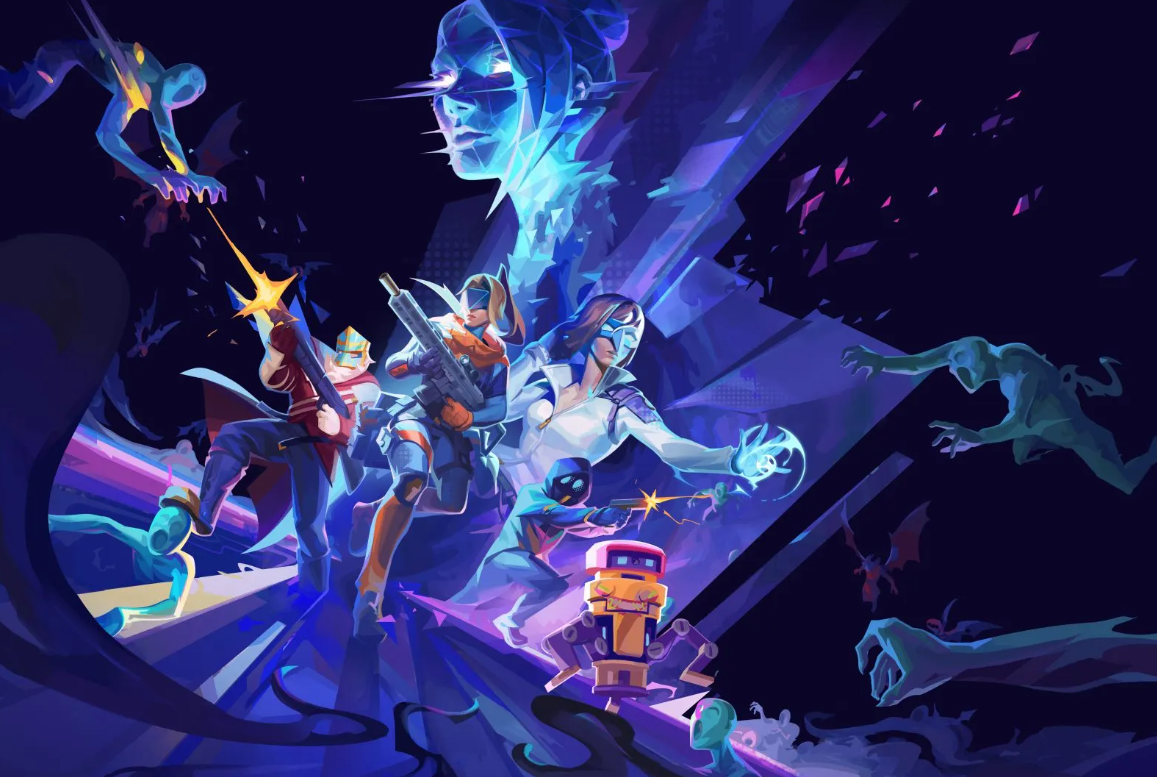
The goal of the game is to reach the rumoured Nuclear Throne and destroy it once and for all. Nobody even knows if the thing is real, but our cast of 12 13 mutated characters (a new one was added today) are collectively hell-bent on getting to the throne. What’s more, they will murder anyone and anything that stands in their way.
As you travel through wastelands, sewers, and biolabs, you will find a whole host of weapons and upgrades – called mutations – to help your cause. The gameplay loop is very simply: enter a level, kill everything in sight, and enter the next dimensional portal.
Each character has their own unique passive and active abilities, ranging from cloning themselves to radiation beams. One thing Nuclear Throne does so much better than most modern roguelikes is that the characters are *genuinely* different from each other and aren’t just separate stat sheets or different starting items. Replayability is as strong as it is in part due to character diversity.

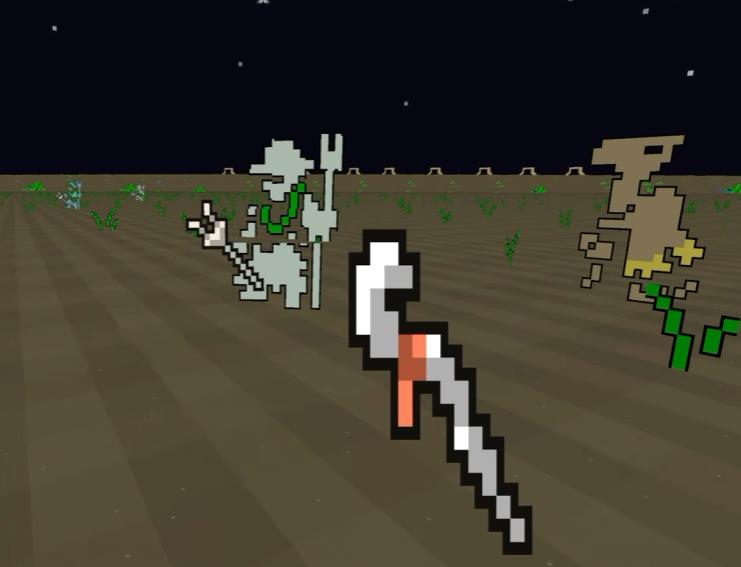
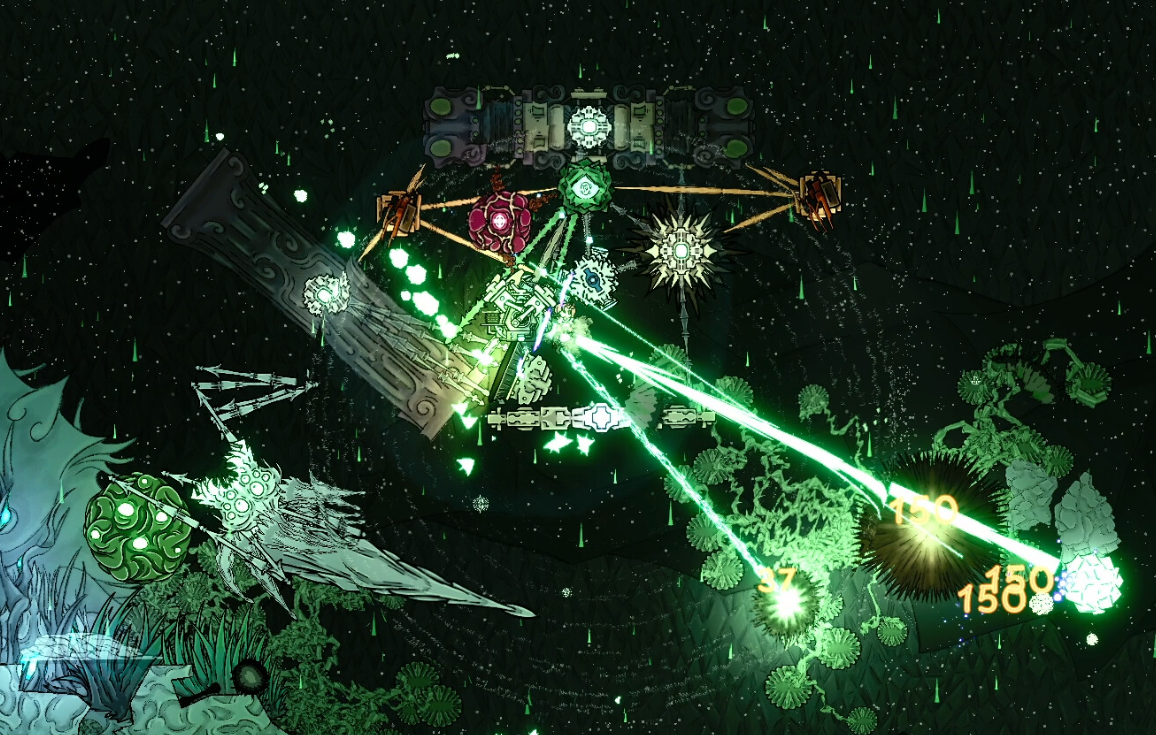
Nuclear Throne has an absurd number of guns. Its whole shtick is the fact there are over 100 different guns to mow down foes with. There aren’t really any items to pick up or passives or even shops, but none of that is needed as you’re swapping between grenade launchers, plasma cannons, and super crossbows every few levels. You could dock some points for there being a strict set of meta weapons for top tier runs, but that is inevitable.
Of course, it wouldn’t be a roguelike without “pick an upgrade” screens. Collect enough experience to level up and then choose from four mutations; giving bonuses such as increased pickup range, homing bolts for crossbows, and digging through walls. These mutations are essential for survival, but you only get nine of them before reaching level Ultra. Each character has unique max level upgrades that change your play significantly.
The biggest thing that has kept me coming back for nearly a thousand hours of playtime is the looping mechanic. You see, once you do finally kill the Nuclear Throne, you have the option to keep playing and ‘loop’ back to the start of the game. The enemies will be tougher, more numerous, and mixed in from other areas of the game the further you go.

The real game starts once you kill the throne the first time through. Then it becomes more and more chaotic with levels being filled to the brim with enemies to destroy. Kills are a measured counter, too, so the game turns into a high score chaser asking how many times you can loop and how much destruction you can cause. It’s immensely satisfying chasing higher and higher kill counts.
One thing that puts Nuclear Throne above the rest is that it doesn’t ever waste your time. Almost all enemies go down in one-five shots and even boss fights don’t last longer than 30 seconds. The pacing is lightning fast, rewarding aggression by having a time limit on ammo drops.
An entire first run-through only takes 15-20 minutes and there’s basically zero loading time between levels. Meta upgrades are non-existent, too, so you don’t have to worry about collecting currency or pumping basic stats. Aside from character unlocks, you have all the toys available on run #1.
Admittedly, Nuclear Throne’s presentation is a bit outdated in 2025. It runs locked at 30 FPS by default inside a 4:3 aspect ratio window and the pixel art isn’t exactly the prettiest you’ve ever seen (see today’s update for the latest on the new technical upgrades). However, if you can get past that, the sheer dopamine you get from the violent explosions and corpse ridden levels makes it all worth it.
I believe Nuclear Throne is the best roguelike ever made. In my 950 hours played I have met lifelong friends, seen incredible mods made, looped thousands of times, and killed a disgusting amount of bandits. It never gets old and for me it sets the bar for fantastic game design. Happy 10 years Vlambeer, and here’s to 100 more!