I had been playing the Early Access release of Arms of God for several hours before I found out that there were a few AI-generated assets buried in the menus.
I don’t have many firm rules here at Rogueliker, but much like I know that most of you don’t want to read things conjured up by AI, I don’t want to write about games that were made using gen-AI. My first reaction was, therefore, disappointment: this is a fantastic little game, and I was about to start writing about it.
Happily for everyone concerned, within a couple of days of launch, the offending assets have been plucked from the game and cast into the foul abyss. Thus, I’m here to tell you a bunch of things about this enthralling new entry in the survivors-like genre, my editorial policy still intact.

What is Arms of God?
The main comparison point for any game in this genre is typically Vampire Survivors, but the structure in Arms of God is more akin to what you find in Brotato – another of RL’s favourite bullet heavens.
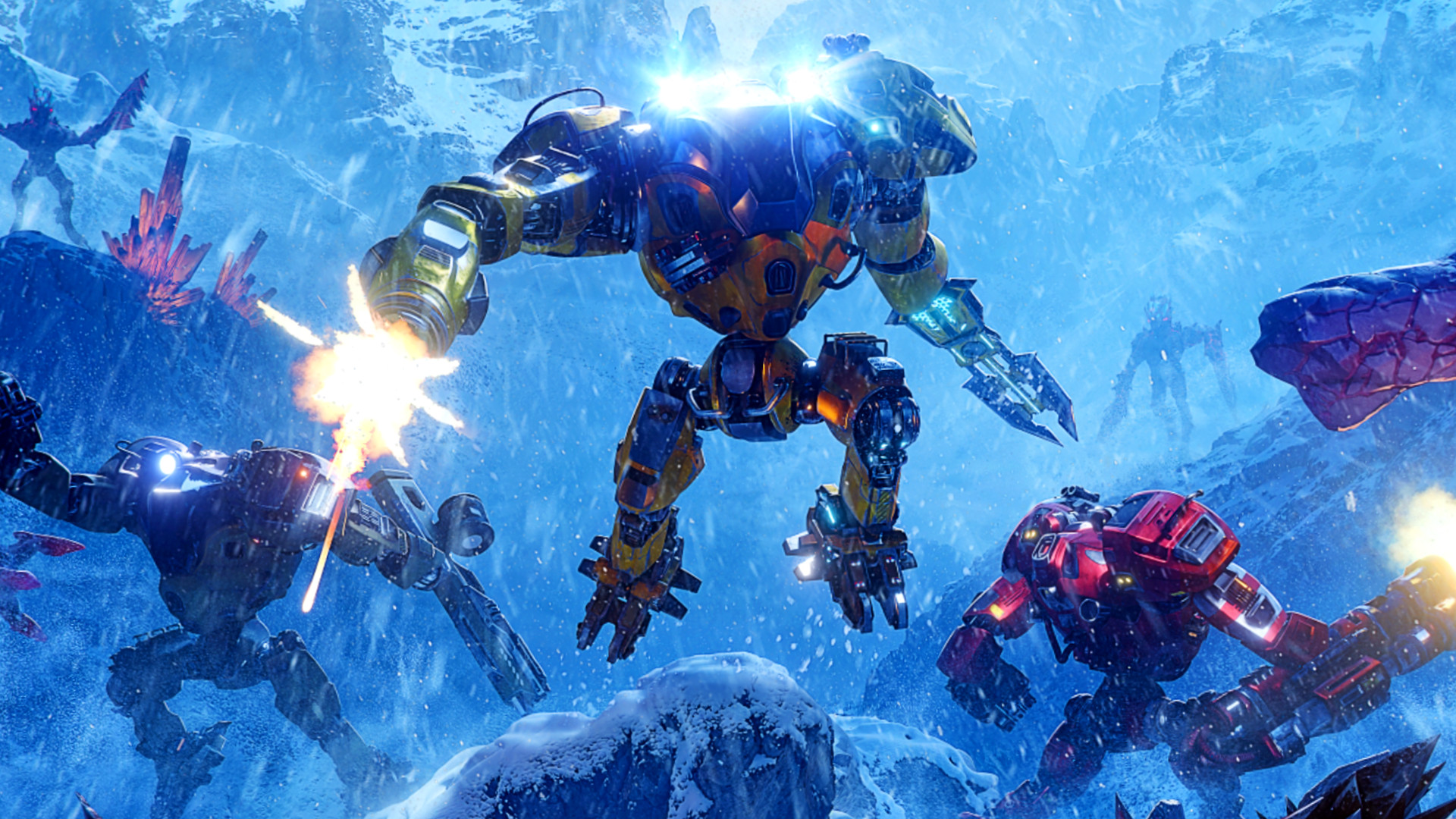
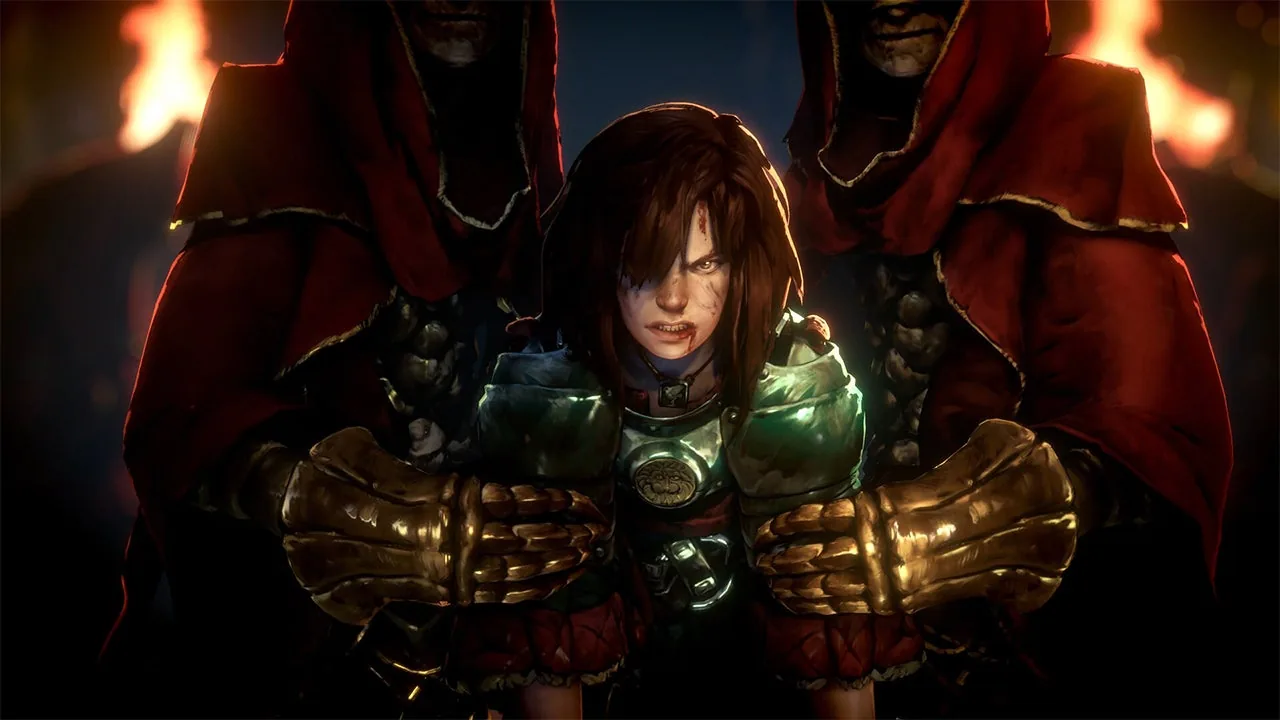
The game loop takes place within a series of inter-linked chapters. In this case, each one is a multi-mission campaign that takes place in various real-world-looking locations. The action takes place against the backdrop of a demonic Armageddon, and you play as a member of a religious order fighting back against the big bads. As such, you head into battle with a big effing gun and a suit that is rigged up with four autonomous arms.
Your main attack is then supported with four more weapons, and your options extend across several damage types – including my eternal favourite: electricity. Much like Brotato, you can merge matching weapons to level them up, but Arms of God takes this gun tinkering to a whole new level.

Each weapon can be upgraded via both original enhancements and also lower-level weapons. This twist adds an extra dimension to the theory crafting that I personally appreciated, but it is an added complication that might be a barrier for newcomers to the genre.
Heavenly combat
As a campaign progresses, the missions get longer and more challenging, with new mini-objectives constantly thrown in to mix things up. At the start of the run, progress is simple enough, but before the end of each chapter, things do tend to get quite frantic.
The whole time, your character is becoming stronger. Not only can you power up your weapons and upgrade your blessings (stats boosts), but you also level up a giant crucifix which you start each level by slamming into the ground. It quickly becomes the focus of battle and a valuable foil to your own development.

It’s so important to your tactics because the crucifix soon pulses with area-of-effect stat buffs that heal you, slow your enemies, and other useful things like that. It’s a really nice point of difference that adds an extra spin to combat and the theory crafting.
As it’s an auto-shooter in the style of Brotato, it’s not going to be long before the screen is full of enemies. In this case, that means giant Nemesis-looking mutants and weird scuttling demon-things. You’ll need to make good choices when levelling up yourself and your gear, but you’ll also need to move with care, because the arenas are tight, compact spaces.
The audio-visual presentation also needs a mention. The Doom influence is writ large, not just in terms of the aesthetic, but with gritty metal riffs underpinning the action. The locations look good, and the enemies look even better. I was also quite pleased with the quality of the animations and the reactivity in the gameplay, with enemies ragdolling as they’re swiped away by your attacks.
It’s still early days, but Arms of God has made a strong first impression. It’s not quite the finished article just yet, and I think it needs more weapon variety and deeper gameplay diversity to really take on the big guns, but for an Early Access release, it’s already in great shape and well worth checking out.
Arms of God is out now in Early Access on Steam PC (Win), and I played the game via access kindly provided by the developer and their publishing/PR disciples!