One of my favourite things about playing roguelikes and roguelites is that they routinely take me on adventures that draw from mythology from around the world. Hades is the obvious example that everyone knows about, as it’s steeped in Greek mythology, but there are more recent games such as The Land Beneath Us that want to show us different stories (in that case it’s a sci-fi exploration of Welsh legends).
First impressions of the Pyrene demo
Pyrene is a fantasy roguelike deckbuilder, and it instantly pulled me into the thick of some gnarly Basque mythology (which isn’t a regular focus of video game narratives, I think). The setup is simple: the village has been destroyed by demons and its inhabitants are strewn across the landscape. I’m in charge of rounding up the locals and leading the fight back, as well as rebuilding the village.
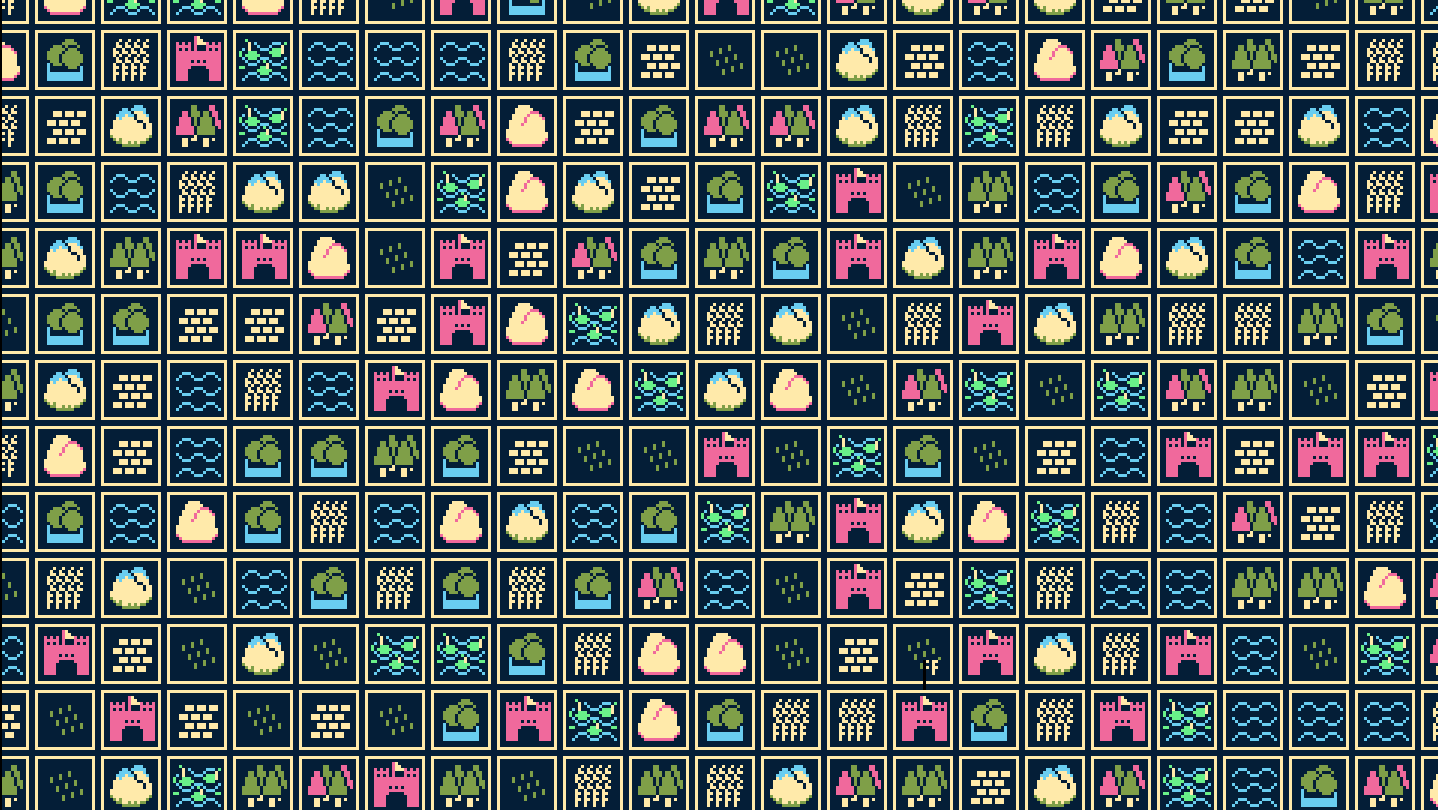
Where Pyrene comes alive is in the way that the cards are activated. Each scenario takes place on a grid of playing cards. Some of these cards represent you and your equipment, while others are the enemies you must battle. The hook is that you must navigate this grid as you would a turn-based dungeon – one move at a time.

The spaces on the grid will clear as you deal with each enemy, but you can’t step onto empty spaces. Thus, you’ve got to plan your moves around the space with care, balancing your damage output, your health, versus the damage/health of the enemies in front of you.
There’s an interesting mechanic that kicks in when you can’t move for whatever reason. You can use some supplies, rest for the night, and this allows the board to refill so you can move again. However, this break also benefits your enemies and they get a buff, too. Once you’ve cleared a few enemies, maybe opened a chest and grabbed some coin, you’ll sleep for the night and then wake up with the exit on your grid. As soon as you reach this card, the level is over and you’ve won.
Interesting characters and intuitive gameplay
It took me about 10 minutes to work out what I was doing and how everything worked together, and another 10 minutes to work out that I was impressed. Pyrene features multiple characters, each with different benefits. The second player-character I tried is a healer, for example, and he has a ferret-like creature who joins him in battle.

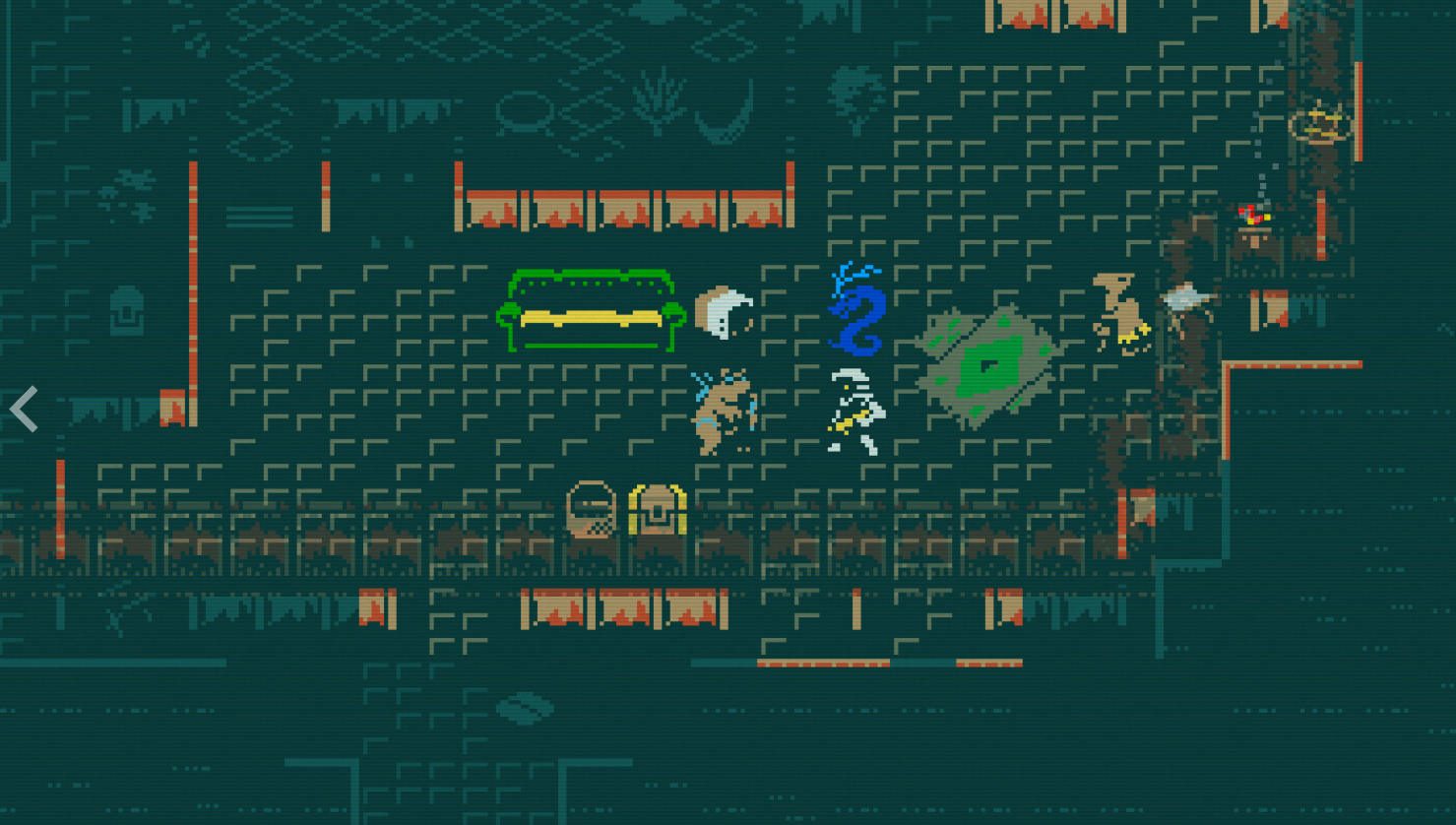
I spent most of my time with the town’s hunter (pictured below), and she was altogether more dangerous thanks to her bow and hunting knife. Whenever you move your character to one of her weapon cards, enemies on the board take the relevant damage without the chance of reply, making these cards rather important to your strategy.
Speaking of your deck, you unlock new cards from traders and so on. It’s up to you to order your cards as you see fit, and that order is how they’re introduced into battle. There are also special items that you collect – often in chests with three to pick from, you know the drill – and they give you additional abilities. You’ll need to balance all of these aspects, including attack, defence, healing, and gathering supplies to aid you in battle and also advance the overarching story.
For all of its apparent nuance, I was impressed by how intuitive it all felt. This was true even when I was fighting in the mountain biome, where cards move down to fill empty spaces as a reflection of the steep environment. Even then everything seemed to just make sense, which meant I was able to enjoy myself almost immediately. If that accessibility can be matched with depth and compelling gameplay-driven choices down the line, we could well have another great deckbuilder on our hands.

Building on the back of Forward: Escape the Fold
As part of my research for this article, I also went back and had a go at Forward: Escape the Fold. This is the earlier work of the same developer, Two Tiny Dice. I really liked the original, although Pyrene already looks and feels a step above. Forward has a bold pixel-art style and a similar setup, where your character must jump between one of two or three cards offered to them as they navigate forwards through each dungeon.
Pyrene takes the punchy and immediate gameplay loop that was explored in Forward and then applies a puzzle element to the arrangement of the cards. This takes the pace out of things a little, certainly when compared to Forward, but it also makes this new game easier to get into and more relaxing than its predecessor.
I reckon by now you can tell that I’m impressed by both Pyrene and Forward: Escape the Fold. Pyrene is where it’s at today, however, and the demo that I’ve been playing is also available for you to download and try for yourself. If you like deck builders, I’d say it’s worth a look.