The huge spike in AI-made games appearing on Steam during Next Fest this week has been on my mind today. In fact, I just shared my considered opinion on a related matter, so my subsequent discovery about Stackflow today felt rather timely and worth digging into.
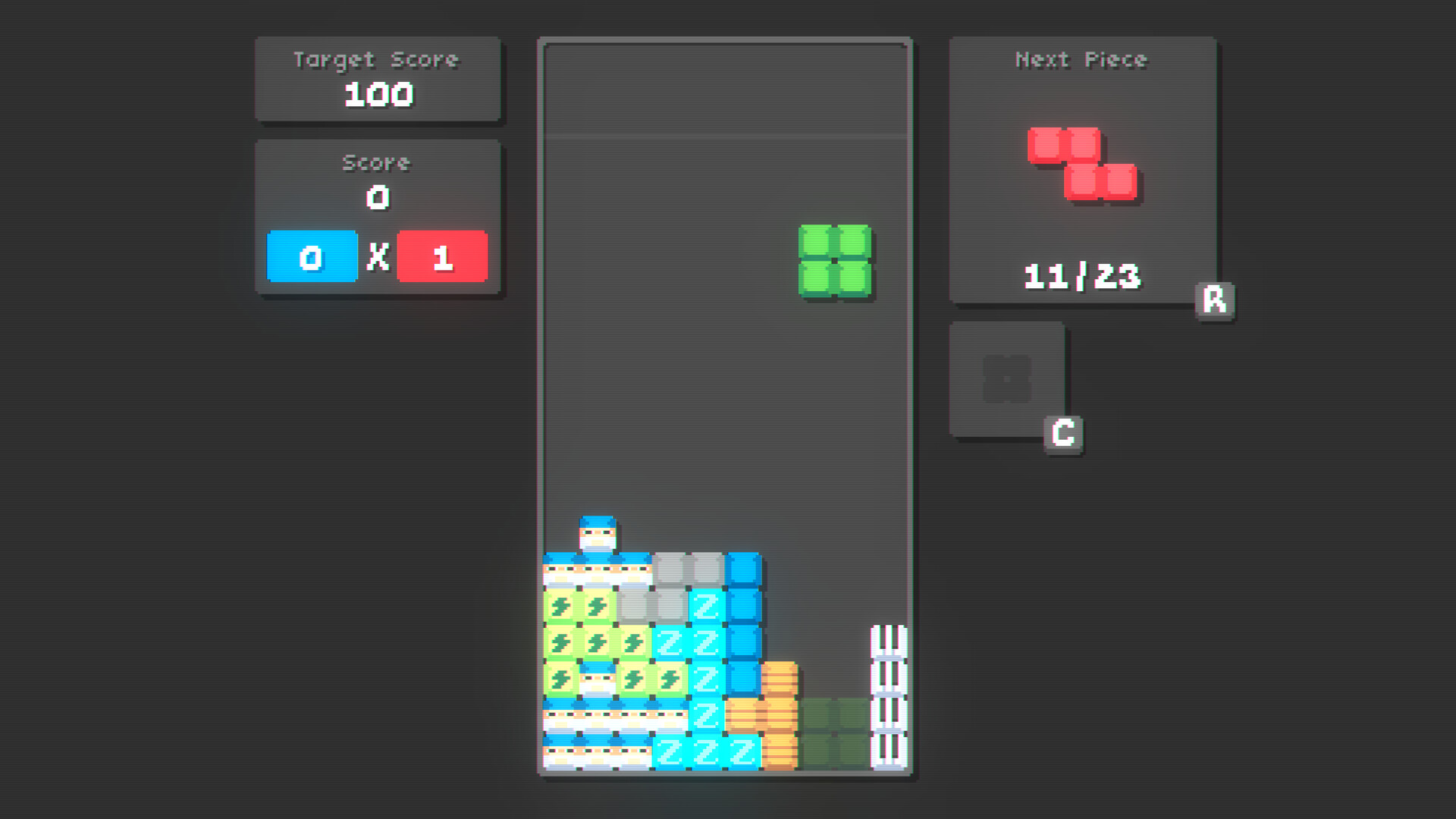
Stackflow is an interesting fusion of Tetris block-dropping and Balatro-inspired synergy hunting. It’s the work of a developer called Caue Ferrareto, and I picked it up back in December 2025, several months before it left Early Access this July.
Oftentimes, the games I buy to play for fun are the ones that get left unplayed, or that I return to later, nearly always due to the volume of requests I get from developers to look at other stuff. As such, I played a little bit of Stackflow here and there, including last night, when I had a go on the ol’ Steam Deck.

That’s why Stackflow was at the top of my Steam library today when I went to pick a new demo from Next Fest, and why I could see the titles of all the most recent blog updates from the developer. Among them was a confusing headline: How AI is used in Stackflow?
I am pretty sure that when I purchased the game, it did not have an AI disclosure. I wouldn’t have bought it if it did. That being the case, I was genuinely surprised to see AI being mentioned in a game that I was reasonably sure didn’t use it.
Having played Stackflow for several hours, I can confirm that it’s a solid Tetris-themed roguelite with some fun ideas. I adore Tetris, and I quite liked this roguelite remix of it. However, would I have purchased the game had I known about the use of AI in its creation?
No, I wouldn’t.
That said, I’m an optimist, and I’d like to believe that a limited amount of AI content was added later, well after my purchase, and that nothing unethical has happened here regarding the declaration.
Giving them the benefit of the doubt, here’s how the dev explained the situation in a statement shared last week:
“All the code in the game is tested and maintained by me. AI is a tool in my workflow, but the decisions about what Stackflow is and how it plays are mine.”
This is the argument I most often see for AI-made games. If there wasn’t an ethical cost to those tools, I think most of us would be able to accept this reasoning. Indeed, Steam doesn’t require devs to declare these behind-the-scenes tools, and it’s a grey area.
“The translations are listed in the AI disclosure on the Steam store page. Steam’s disclosure only covers content you actually see in the game, so it doesn’t include the coding tools, but I wanted you to know about those too.”
“I know AI is a sensitive topic for a lot of players, especially when it comes to art and creative work, and I don’t take that lightly. That’s exactly why I’d rather lay out where it is and isn’t used than leave you guessing.”
The developer also mentions limited AI-assisted audio and text translations. Both things that are easy to be pragmatic about. The disclosure at the end of the Steam page explains in more detail:
Some sound effects and the in-game text localization were created with the help of AI tools during development. All AI-generated audio and translated text was reviewed and edited by a human before shipping. No AI-generated artwork, and no AI content is generated while the game is running.
The problem is that now, regardless of the specific details of the case, the messaging around the game and the use of AI has cast doubt on the authenticity of the whole project. It feels murky, when before there were no questions about the game or the intentions of the developer.

The main problem isn’t even the nuanced use of AI in this particular case, but I think the fact that people only found out in October, three months after launch. When the AI disclosure was added to the store page, I can’t confirm, but the statement was released on the 14th.
A lot of people seem to feel aggrieved by the omission of detail around AI usage, and the game’s previously solid feedback has since tanked from 82% positive reviews down to a recent score of 42%. That’s a huge swing and a sign that developer Caue Ferrareto has made an error in judgment.
Reading the reviews, it’s clear that the belated AI disclosure is at the heart of the discontent, but I also noted an upswing in more negative general feedback. I suspect this represents a loss of faith between the developer and their audience, who may have been happier to forgive flaws in a promising game before they knew that parts of it had been made using the help of AI.
At the end of the day, I didn’t spend much money on it, and I quite liked the game, so I’m letting this one slide and saving my outrage for something more useful. However, for me, it has exposed very real risks for developers who declare their use of AI, particularly in edge cases where any sort of detail may be lost in translation. My worry is that Stackflow and games that suffer a similar backlash from fessing up will cause more developers to withhold their use of AI for fear of losing sales, either through lies or omission.
That’s not to say that Stackflow developer Caue Ferrareto has behaved improperly here, nor am I suggesting that they have lied at any time, but the reaction to the belated AI disclosure has proven once again that people – especially those who love indies – want it made clear if a game is made using generative AI and AI tools.