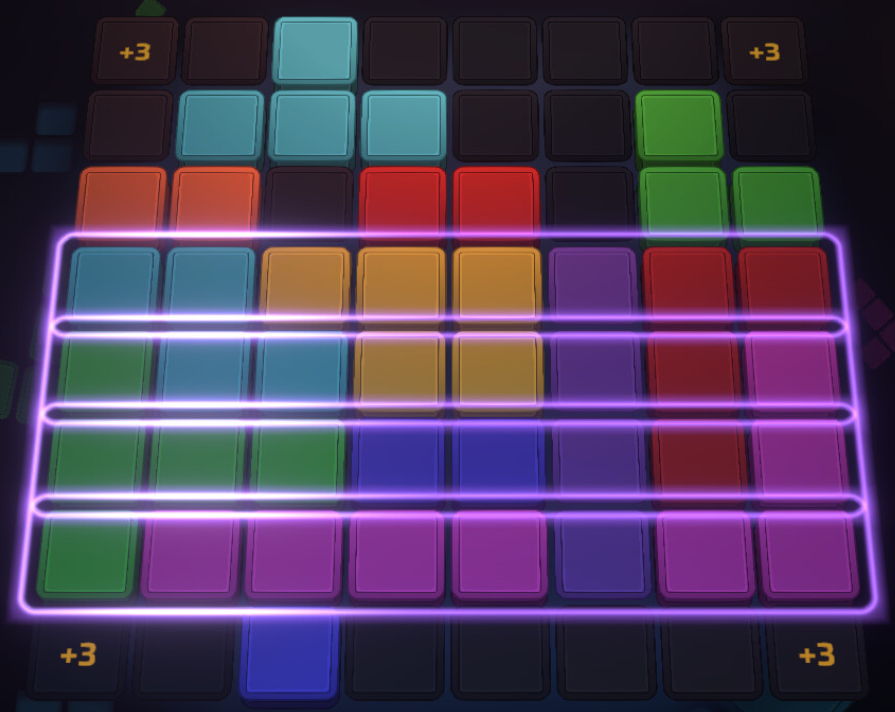
The release schedule is busy as hell right now, and over the last couple of days, I’ve been splitting my time between two different games, one of them being Diecast, which hit Steam yesterday and is the work of a solo dev called sofamire.
It’s a dicebuilder – a term I’m just going with now – that brings a touch of Yahtzee, a hint of Balatro, and a sprinkle of charm to the party. It’s a very likeable game, easy to understand and play, and I’ve certainly enjoyed the hours I’ve spent with it so far, even if it doesn’t reinvent the wheel in any particular direction.
Diecast is a very generous game, and for some, that will mean it’s too easy. There are several modes and difficulty settings in there, but they’re gated by hitting certain achievements. I think my main critique is that the early game isn’t balanced with quite enough challenge. And by early game I mean the early parts of your run and the first few hours you spend with the game more generally.

Don’t get me wrong, I had fun learning the ropes, and that’s because there are definitely opportunities to stamp some identity onto each run. You have a number of different hands to choose from, a collection of dice to roll, and pins that act as score modifiers. All of these elements come together to dictate the tone of each run, and then it’s a case of leaning in and making good decisions.
Each new round has you rolling your dice, assessing the numbers, opting for a hand – pair, three-of-a-kind, full house, or straight – and then starting to build it through subsequent re-rolls. The interesting twist here is that you can’t use the same hand twice without tanking your score. This is achieved by having an individual multiplier on each hand, which resets/reduces once used.
This core mechanic keeps your focus constantly on the move, as you look to build the best hand possible out of your dice, while forcing you to keep each turn different in order to keep your multiplier going. It’s a clever little system, but I think it also dictates your tactics somewhat.
The dice are the best bit, and I think it’s the reason why I’ve had a good time here. You can keep expanding your collection, adding more and more at the shop between rounds, and therefore boosting your chances of seeing better hands, such as five-of-a-kind or the long straight. While you have to keep changing hands, you’ll try to gravitate towards more complex hands because they score more dice and offer different ways to score.

You can also introduce items into the roll that aren’t dice, which I thought was pretty cool. These modifiers can change your score quite dramatically, so it’s worth trying to expand your collection and see the different unlocks and what they do. If anything, maybe we could have got some more of the interesting stuff a bit sooner.
Eventually, once I’d built a strong collection, I was able to beat every round quite easily. After a while, I started introducing my own risk by constantly picking the hardest challenge each time, although eventually that tactic did bite me in the ass when I lost a promising run not long before the final boss. My own hubris was my downfall in that case, but I still think that Diecast could show some teeth a bit sooner.
You’ll find gameplay variety through increased tactical options as you unlock new hands and types of dice, and there are also several sets that will give you different starting dice and hands to aim for.
All told, I think Diecast is a charming little game and a good entry point into the genre if you’re looking for a dicebuilder that will ease you in. The presentation is cute as hell, and some fairly minor balance issues aside, I think sofamire can be pleased with this debut effort.
Diecast is out now on Steam PC (Win). I played the game via access kindly provided by publisher Caketown Interactive and their PR buds.