I’ve been playing the pre-alpha build of Riftstorm on and off this past week, and, as alluded to in the quote in the headline, this sci-fi roguelite looter-shooter is looking to blend a very intriguing mix of ingredients. I’m not going to dig into the specifics in this introduction, however, because the game’s developers have been spilling the beans on what we can expect, and they do a much better job than I (hit the link above for my hands-on impressions).
In a written Q&A with Chief Creative Officer Igor Tanzil, the man from Mythic Protocol (that makes him sound like a spy but I’m leaving it in) shares a bunch of interesting things about this challenging isometric shooter, including the studio’s plans for the game’s development and the influences/references that have inspired its design.
Before I hand you over to Igor, a word on how you too can play Riftstorm. First and foremost, the pre-alpha is a PC-only deal. Simply head over to Steam and register, and successful applicants (I’m assuming most people will get in, but don’t hold me to that) will be notified and then invited in to join the fight against the paranormal forces that would destroy our world. No pressure then!

Thank you for taking the time to talk to Rogueliker! My first question is the easiest: what is Riftstorm?
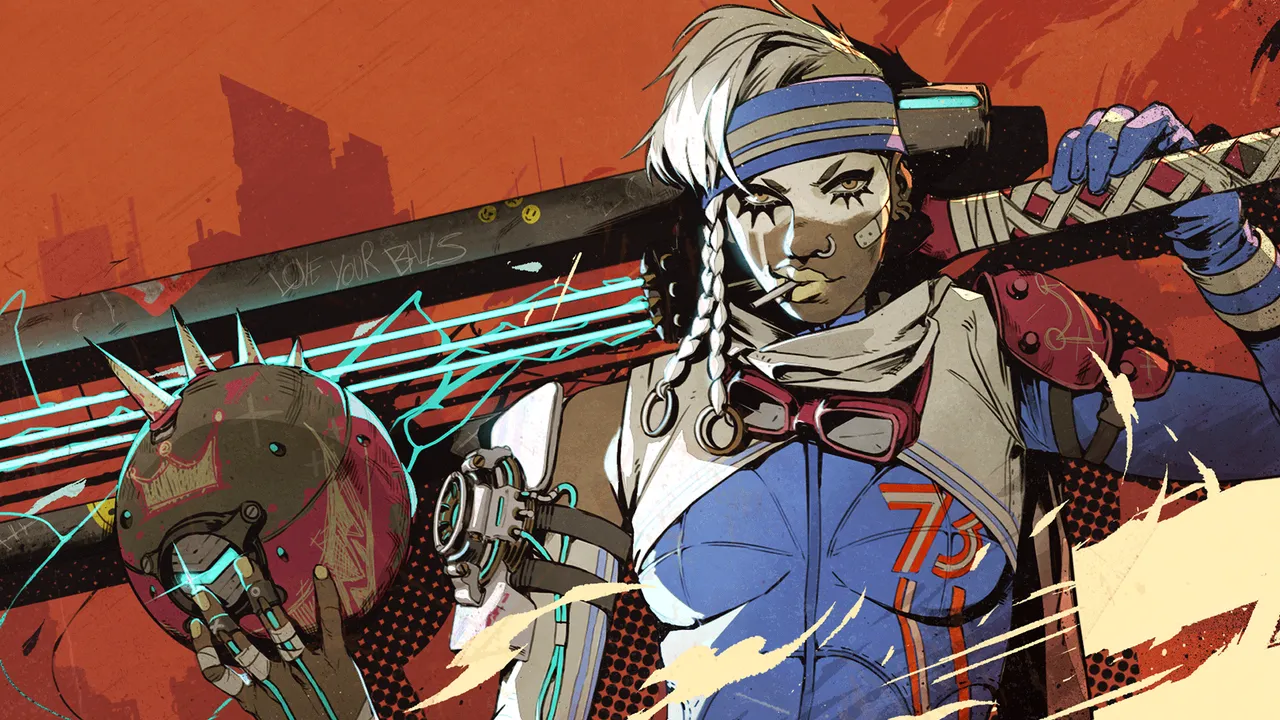
Riftstorm is roguelite looter-shooter ARPG, that puts players into the shoes of Operatives working under a secret organization known only as the Mythic Protocol. Think: Diablo-with-guns or MIB-meets-Hades.
What does the finished game look like – what do you envision adding between now and launch?
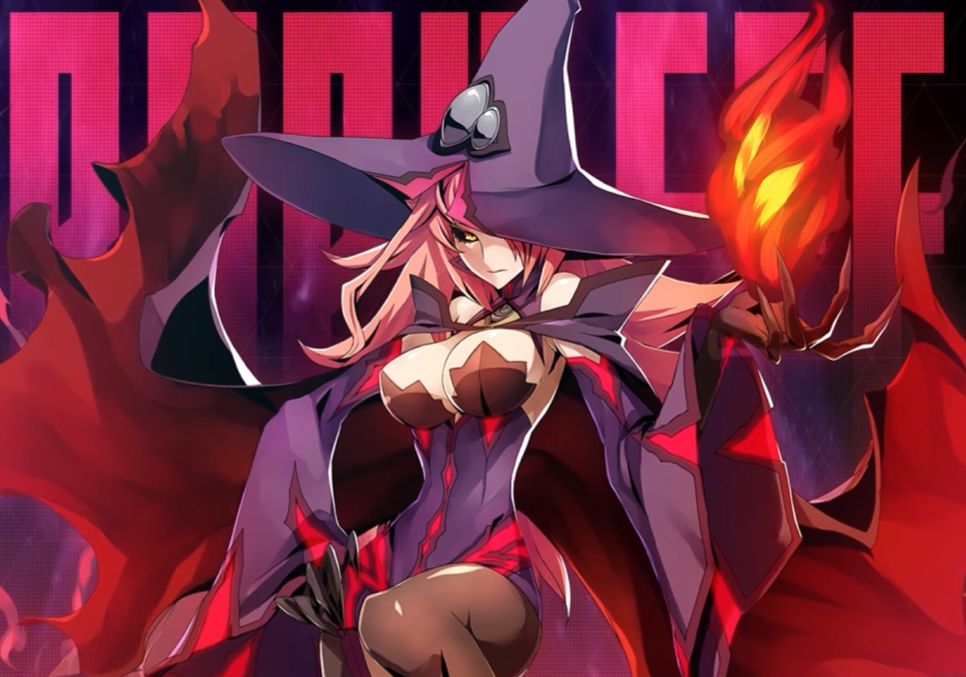
Oh man, this might take awhile, but I’ll start with the stuff we’re 95% sure are going to make the final cut. We’re planning on launching with 8-10 Operatives, representing the various factions within the Mythic Protocol – that’s an additional 4 to 6 on top of the 4 playable Operatives currently available in-game. We’re looking to add a dozen or so more weapons into the mix, and more of the roguelite modifiers (Lythograms) to play with inside the missions.
Additionally, over the next two years of development we are planning on adding several very big features that haven’t really been teased in any of these pre-alphas tests. The big one will be the Operative Periapt system that allows deeper mechanical customizations to character skills and powers.
We will also be layering in the narrative and faction-based meta game that will gather player actions into datasets that will have future consequences into the larger universe we are building. (You can see small tidbits of this Player-To-Consequence-To-Media cycle in effect in the little stories we tell after each test: mythicprotocol.com/doggy-daycare.)
There are also a few massive features that we are still holding close to the vest as they are very experimental at this stage but suffice to say that the game we are showcasing today is roughly 30% of what we intend our final vision to be.

Are you planning to release it in Early Access first?
Yes, correct! The current plan will be to release it in Early Access on Steam first as we find the direct interaction and feedback loop from players to be extremely helpful.
What was the defining idea that started the whole project?
This is an interesting question because this was not your average project, and it really comes down to having the right team, the right product, and the right wave to ride. The game that we now call: Riftstorm, started life as an R&D effort a few years back. It was first a basic ARPG-shooter engine that evolved into a larger test-project and eventually got picked up as our flagship game when we kicked off the Mythic Protocol project.
The idea then was to have one game that could invite a large audience to play together in their free time – onboarding them into a new IP, and then empowering those players to affect the narrative and mechanical evolution of that IP. With that in mind, the guiderails that would help to define Riftstorm came into being: it had to be cooperative PVE to attract a larger non-competitive crowd, it had to be fun to watch, and it had to be playable on as many devices as possible.
When you’re world-building something like this, what’s your process? And how do you make sure everything feels cohesive?
For me, the world-building process starts with two questions:
- 1. What does the world need?
- 2. Where can I start?
Translating that into Riftstorm, we wanted a world that could feel familiar and different at the same time, while also being able to capture the supernatural zeitgeist of our past, present, and potential future. That helped create very broad boundaries where I could play in and start to fill in the details of the world. So where do I start? Again, this is very personal to my process and I’m sure others have better processes, but I start with the history. As a bit of a history nerd, I like to create my own history – real or fake – as a sort of action-bible for other writers and creatives to build on. From there it’s a matter of slowly onboarding the artists and writers to expand words into sentences into paragraphs into concepts, etc…
The second part of your question is the constant and ever-present challenge to me as a creative. Universal cohesion is simple enough, within the context of a written narrative, and we have a few public and internal tools for that. Publicly, our Repository is the foundational basis of everything that goes into Riftstorm and its accompanying media and adjacent projects. The real challenge is how to maintain that over creative cohesion not only within Riftstorm, but also where it fits within the world, and I don’t think I have an outright answer for that.
It’s just become this beautifully chaotic but constant process that takes the work of so many talented and dedicated directors, artists, designers, and writers to constantly work together to create, assess, re-assess, and create again.

What is the biggest challenge when balancing roguelike mechanics in a co-op game?
I think our systems designers might have a better answer for this, but from what we can see so far from the previous tests (internal and external) the challenge we will see over time is in mechanical scaling over time. As the game goes on and players become more powerful, adding new mechanics will be harder and harder to balance across all variables.
What are your favourite enemy designs, both visually and from a gameplay perspective?
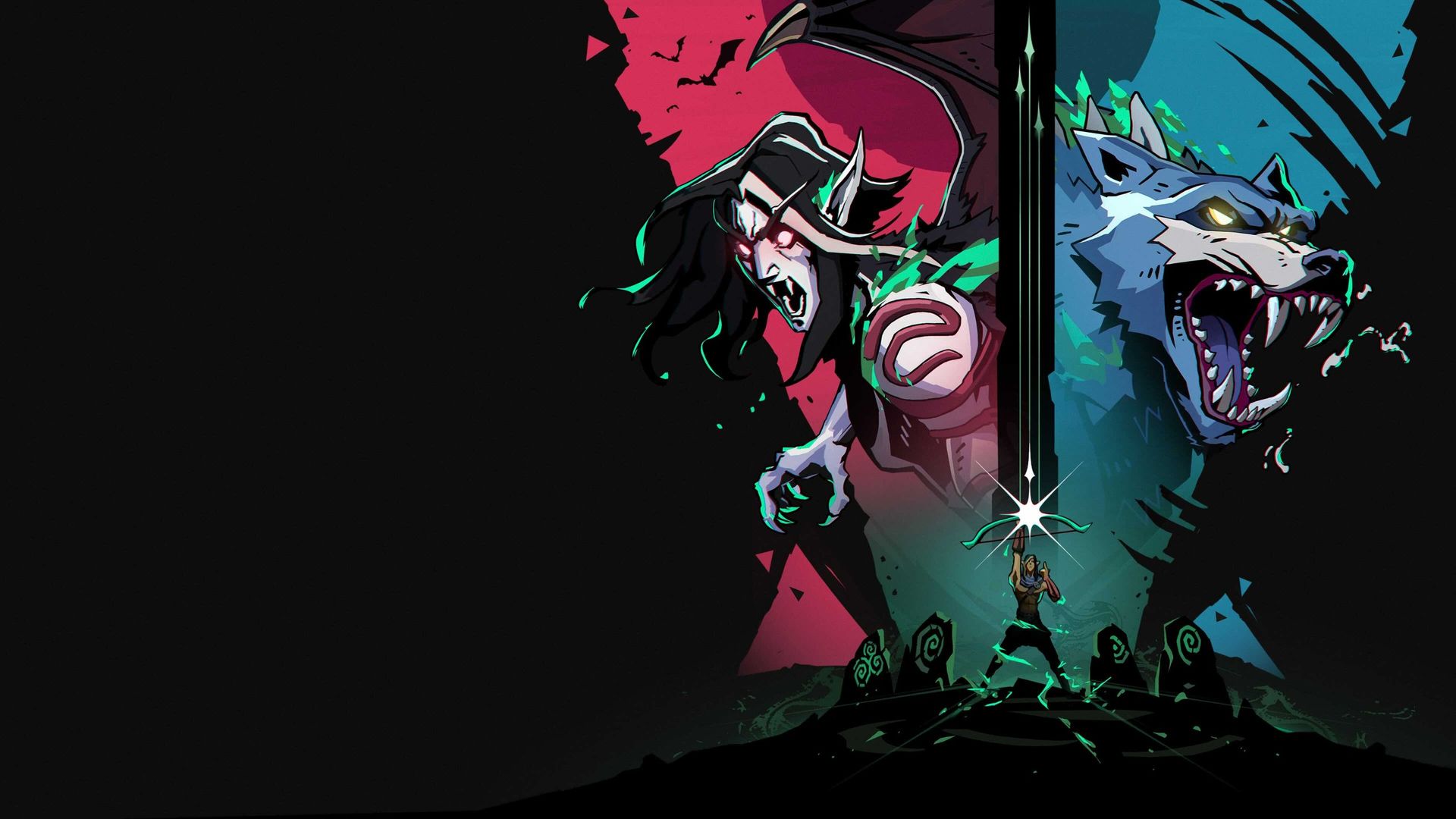
The new mythic: the Shade is one of my favorite enemies so far. Visually, it helps capture that eerie and supernatural feel that the game needs, while mechanically it can be both simple and complex in its variants.
A swarm species by design and lore, the basic shade isn’t a threat on its own, but can overwhelm in numbers. It starts to get interesting when we start to mix that swarm design ethos with unique mechanics that some special variants will have.
What other roguelike games have you played that have influenced your designs and ideas?
Oh man, the inspiration list is massive. Anything from the roguelite and roguelike greats like: Hades, Slay the Spire, and FTL, to more action or cooperative based games like: Helldivers (1 and 2), Diablo, Deep Rock Galactic, and World War Z. Between the design teams and I, I think we’ve pretty much played every big coop or roguelite release in the last four years, plus most of the big releases too. I admit, even Call of Duty’s DMZ and new Zombies mode also brings in a lot of inspiration to some of the stuff we’re tinkering with.
After the next pre-alpha test, what’s next for Riftstorm?
We’re working up to next big update, going from our internal 0.3.5 to 0.4. Internally there is a lot of planning on our feature-creep for the next version, but we should have another public test or demo version out again later this year.
Finally, can you tell us a bit about the behind-the-scenes work that you are doing to create a new metaverse?
I don’t know if metaverse is still the right word to describe what we’re doing, as it does come with a lot of loaded public opinion and misunderstanding. What are building we call: Collaborative Entertainment. The idea is simple: Entertainment that can empower viewers, players, and creators to actively engage and participate in the evolution of the world or IP and collectively build value into it.
We have a few different platforms being built alongside Riftstorm, and while most aren’t quite ready for public release the core components of the Repository (repository.mythicprotocol.com/) and Portal (Portal) systems are in place. As mentioned above, we’ve also started to test how we can convert user faction into interesting stories and consequences into the larger entertainment ecosystem.
In this playtest, the very short 3-mission keystone arc will culminate in a flashpoint event in our world. How play-testers perform in this mission will have irrevocable consequences for the universe and the rest of the game. My team and I are waiting with bated breath to see which of the two narrative arcs we pursue dependent on player performance.