After playing an early demo, I quickly became a big Emberward fan. And so, when I saw that the game was leaving the confines of Early Access on Steam on September 17th, I knew that I was going to dive back in for another look at this clever fusion of mechanics. And here we are…
As alluded to in that brutalist headline, Emberward fuses some seriously cool concepts together, and it does so very well indeed.
What is Emberward?
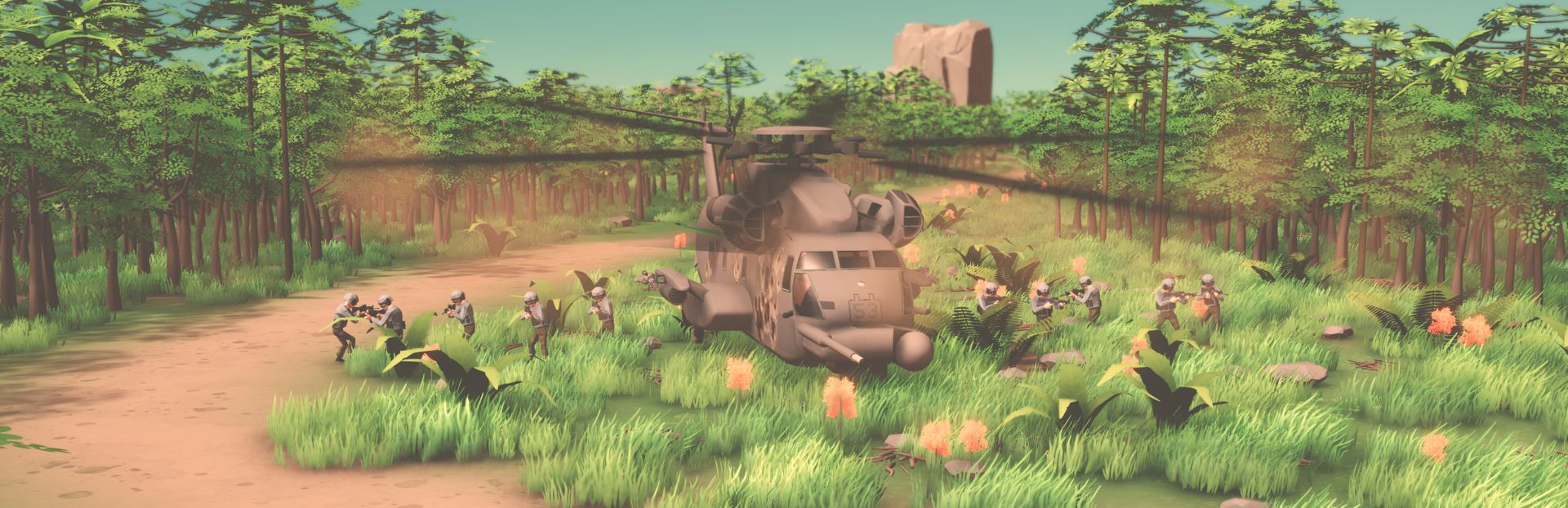
The Tetris reference alludes to the tetramino-shaped blocks that you use to create mazes around your core fire – a burning campfire that you must protect at all costs. Take enough damage, and the flame goes out, and your run is over – although there is an easy mode if you don’t want to keep having to start from scratch.

You protect your fire via the game’s ever-evolving tower defense systems, which are based around a series of turrets that you can equip to your maze. There are loads of different options on this front, and the potential for synergies is strong.
Turrets are purchased via the credits you earn, but the maze pieces, plus some consumable items, are represented as cards. You have a draw pile that you’re constantly adding to: the deckbuilding part of the game. Enemies will drop chests that contain consumables, such as health points or damage boosters for your turrets, but you’re limited in terms of the number of cards that you can hold at once.
As you play, new tetraminos are presented for you to place. You must arrange them as carefully as possible, stretching out each gauntlet with as much care as possible, in order to give your turrets the time they need to damage the enemies that pass by.
Further mixing things up are multiple entry points for you to consider, but to counter that, there are certain tiles that give turrets positioned on them significant bonuses.
What’s new in Emberward 1.0?
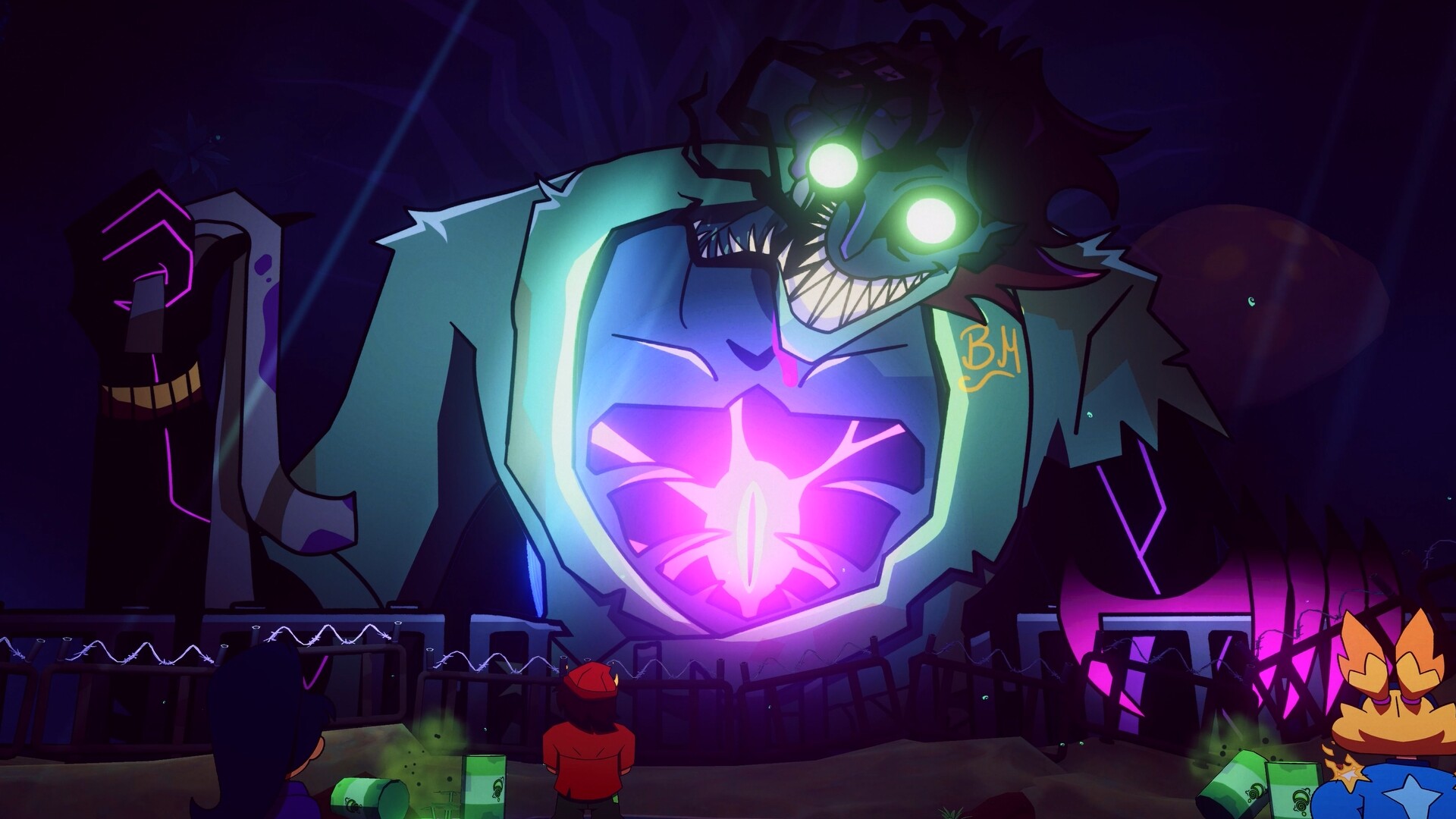
Over the course of Early Access, the game has been updated with new regions, including the one that landed in the 1.0 update. This fifth region is called the Void Depths, and the new area is even more challenging than the fourth area.
The Void Depths add new mechanics focused around the maze-building element of the game, and it sounds like there are going to be some real brain-scratchers in there as you use portals and other tricks to stretch out the maze so your turrets can do their thing.

The campaign itself is extensive, and you can easily lose hours and hours to Emberward. The gameplay is both strategic and tactical, and there’s just enough time pressure to keep you on the edge of your seat, but not so much that I ever felt horribly rushed.
What next for Emberward?
With the game hitting 1.0, the developer, Refic Games, also outlined a rough idea for what players can expect in the future. The plan is to balance the development of new content (towers, relics, and maps) with the process of porting Emberward to consoles. After that, if there’s enough interest, we might get a level editor, but it sounds like we’re going to have to wait and see on that front.
Right now, at least, Emberward is a tremendously satisfying fusion of Tetris-themed deckbuilding, tower defense tactics, and making elaborate mazes to take down increasingly challenging waves of monsters. It’s bright and playful, but there’s also a really stern challenge here if you want it. I’m glad there’s a console version in the works, because I think Emberward deserves a bigger audience.
Emberward is out now on PC (Win) on Steam, and I played the game via access kindly provided by the developer.