As someone who has been covering indie games and roguelikes with extreme enthusiasm for his entire career, I have often wrestled with the terminology surrounding the games I love. In this article, I hope to succinctly answer one of the most nuanced questions of all: what is an indie game?
I’ll go through my understanding of what defines an indie game, and then I’ll back it up with a couple of examples to explain what I mean, although please note, I’ll be keeping this anecdotal rather than getting bogged down by numbers.
Definition of an indie game
An indie game is a video game made by a developer without any financial interference in the creative direction of the game. Great examples include Project Zomboid (The Indie Stone), Stardew Valley (ConcernedApe), and Hades (Supergiant Games).
For more great examples, see my guide to The Best Indie Games.

The problem is, things get complicated because this “interference” can be a good thing and often simply translates into a dev team having more time to make their game, without any sort of meddling. The line quickly becomes fuzzy.
Many years ago, I would have argued that an indie game had to be made by an independent studio without publisher support, but in recent years we have seen the rise of indie publishers, such as Devolver Digital and Hooded Horse. These companies actively target indie developers and then help them bring their games to market via established pathways. I consider these games to be indie, but perhaps others might not.
What is an indie game – and what isn’t?
Another definition of an indie game would be that they are games without corporate backing. That certainly accounts for the boutique publishers out there that identify as indie.
There are also always going to be games that have an indie spirit, but are made with major publisher support. These titles operate in the same space as indie games, and often feel like indie games when you play them, but they are made by teams established within existing companies. Mintrocket, which made Dave the Diver, is a good example of this. I don’t consider Dave the Diver to be an indie game because at the end of the day, it was financed by the massive company that owned and operated the studio: Nexon.
Yet our dear ol’ Dave sits just on the line, occupying a grey area where the terminology around indie gaming reflects the scale and ambition of a project, rather than the way it was funded. So, having established that Dave the Diver might look like one but isn’t actually an indie, we can work back from there.

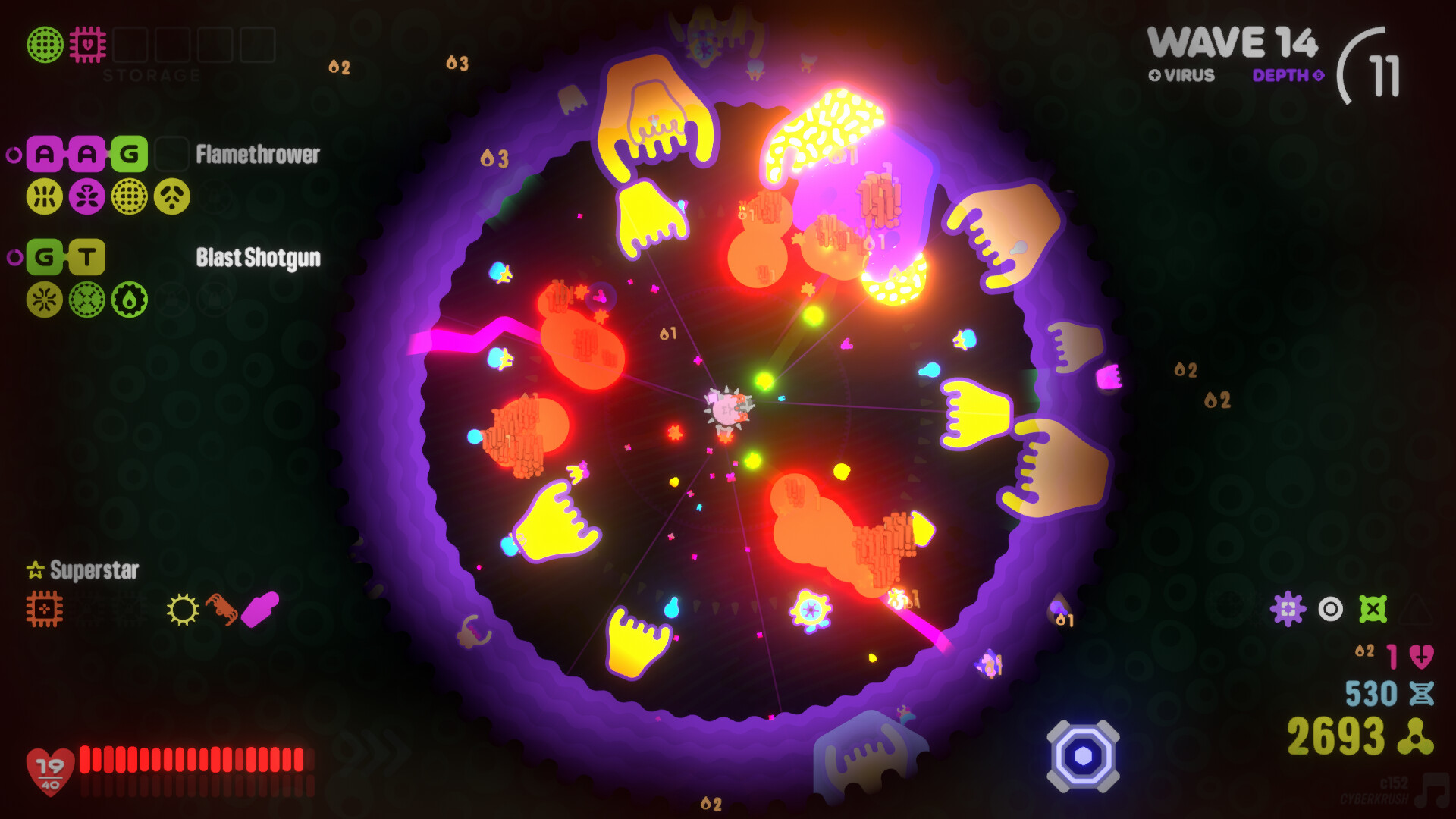
A major player like Ubisoft might pick up a lot of indie games mid-development, becoming the publisher for that game and then helping with the marketing and distribution of said game. This is helpful to the dev in question because the marketing team at Ubisoft (absolutely lovely bunch, btw) has basically the entire gaming press in their address book – including yours truly. That game is going to get a lot more support and coverage than any indie game could ever hope to achieve on its own, and so, even though there’s a good chance that Ubisoft is letting Screen Juice cook, I don’t consider Morbid Metal to be an indie game, either.
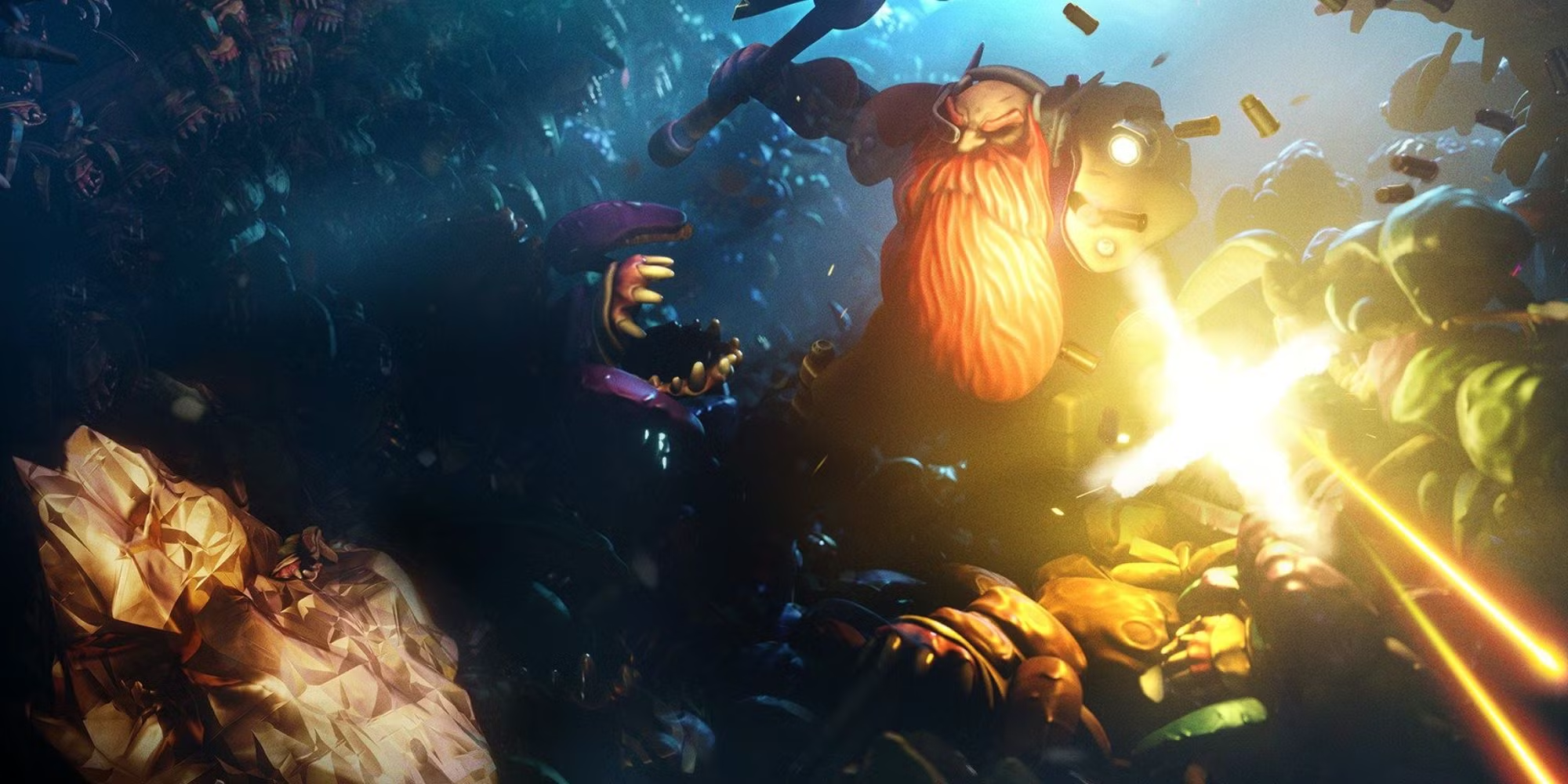
Cuphead is another example of an indie-feeling game getting major support, this time from a platform holder (Microsoft/Xbox). If you want another, how about Journey by Thatgamecompany, which feels raw and emotional and indie as hell, but is actually published by Sony. I could go on, but I suspect you’d get bored.
The further up the food chain you get, the easier it is to tell what is an indie game (and isn’t). If I had to say, I’d put a company like Paradox Interactive at the intersection between major publisher and indie publisher. You may have another team in mind, but that’s my pick.
The platform holders and the biggest publishers operate with massive budgets, and oftentimes their games look amazing as a result of the investment that is made into them. It’s not always the case, though, and there are plenty of small studios with giant ambitions…
Indie game studios making big games
When deciding what is an indie game, you need to be able to draw a line somewhere, and that is not as simple as one might think. Thus, the next part of this article will attempt to do just that.
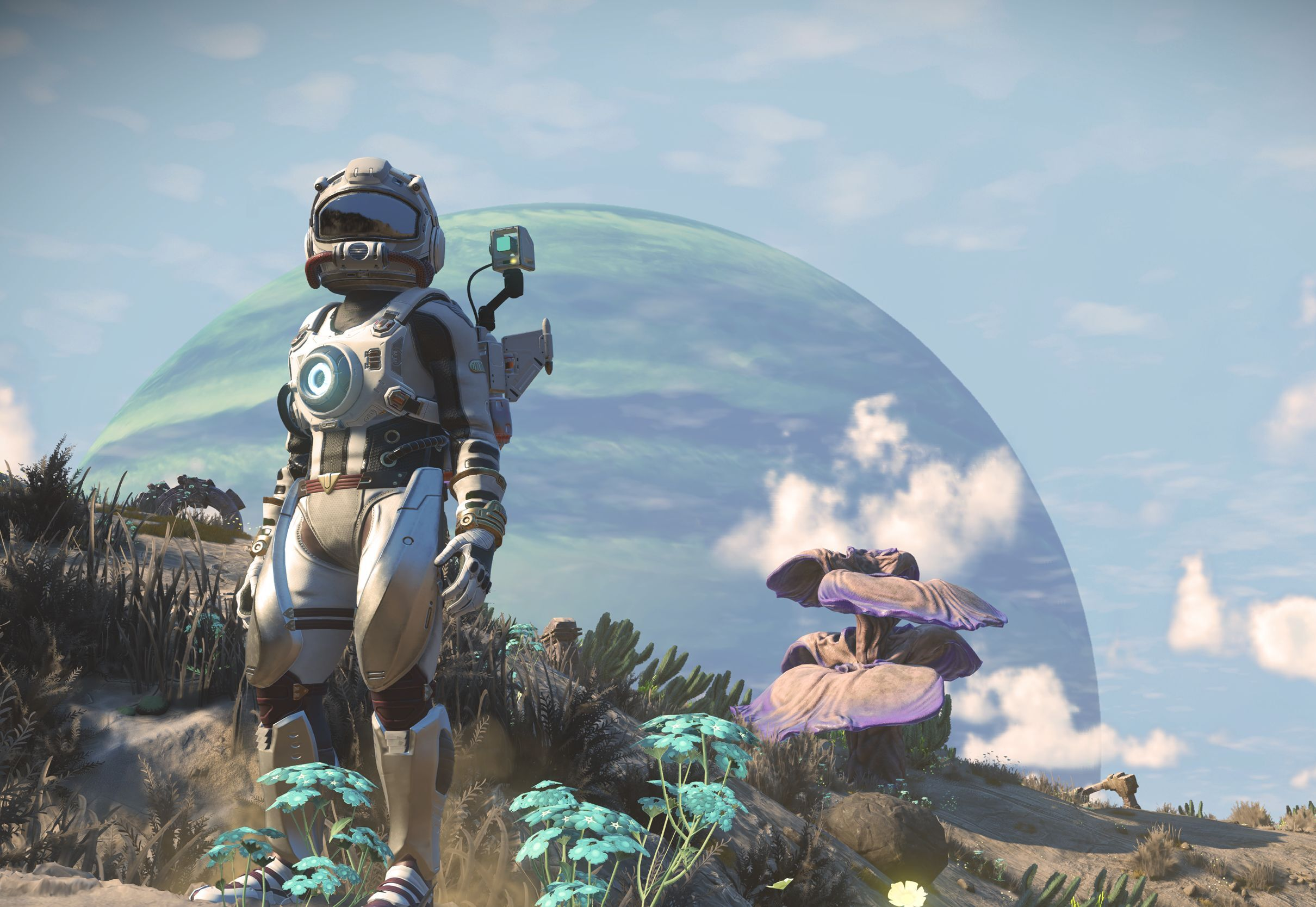
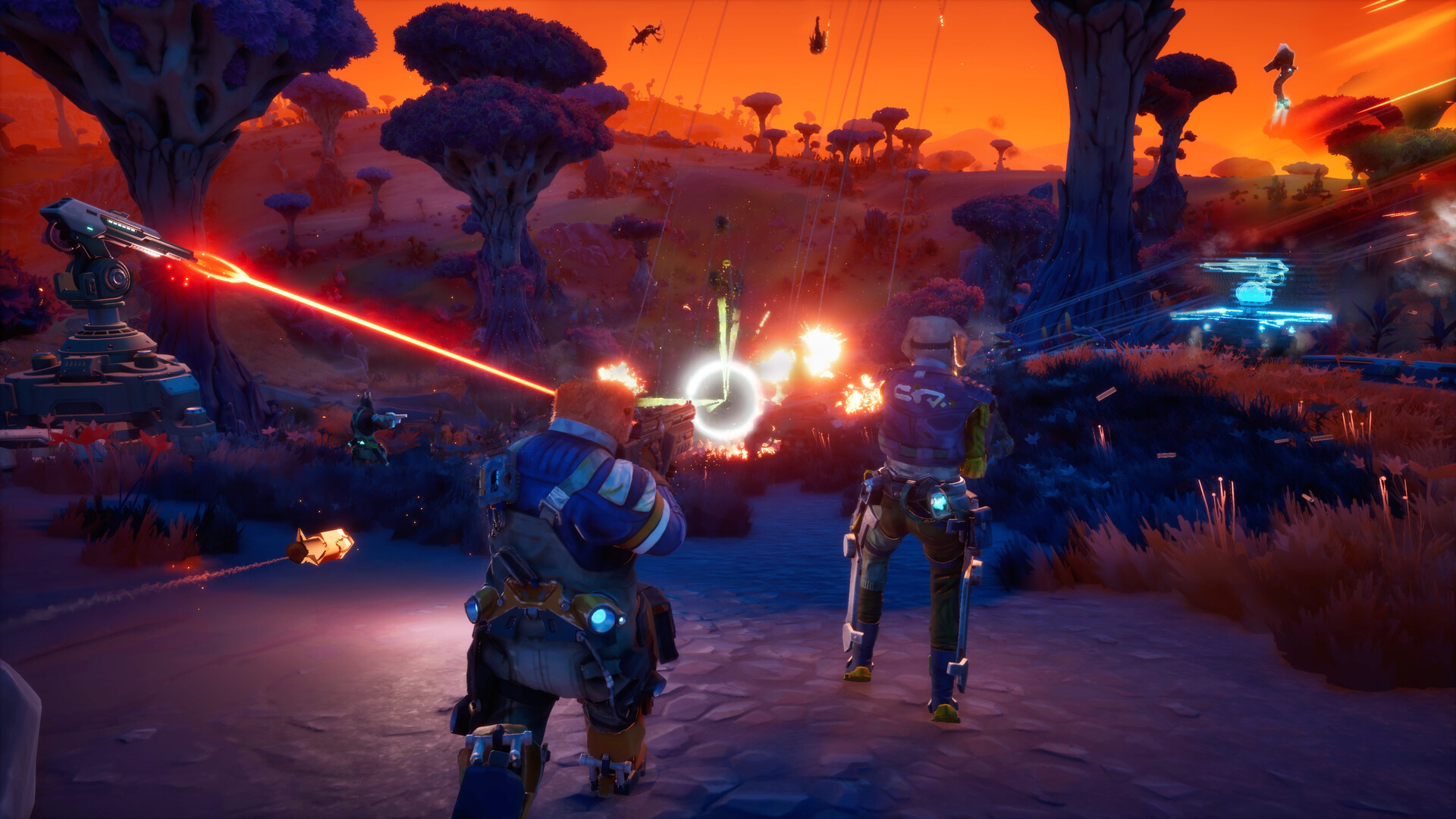
It’s difficult because there are plenty of indie games out there that also look Triple-A. The Astronauts are definitely indie, but Witchfire (pictured below) is so slick and polished that it looks like it has been funded by a major publisher. Indie studios have even invaded the live service space, with outfits such as Digital Extremes more than just making up the numbers with games like Warframe.

If I had to call it, I would say that the biggest indie game studio in the world right now is probably Larian Studios, the team behind the Divinity series and, most recently, Baldur’s Gate 3. That said, Baldur’s Gate 3 is set in a huge IP, which will have meant a number of canonical restrictions – it’s hard to argue that their flagship game is truly indie. See: it’s complicated.
Behaviour Interactive is another huge independent studio, able to leverage the massive audience it has for Dead by Daylight to tap into endless horror IP crossovers. Horror games are increasingly popular, and that only feeds into the game’s popularity.
Bohemia Interactive are another major indie developer, and I think they warrant a mention because Arma 2 gave rise to some seriously major gaming trends. Not only did DayZ spawn on their servers, but PUBG and the entire battle royale genre can trace its lineage back there, too.
Next up in this search for our definition of an indie game, we get into more familiar territory with mid-sized indie studios. Devs like Supergiant Games have managed to retain their independence. The resulting creative freedom has allowed the studio to hone its artistic vision over many years, and Hades and Hades 2 stand as two landmark indie games from the last decade. Another example that springs to mind is Team Cherry (Hollow Knight).
Finally, we end up with a developer like 11 bit studios (Frostpunk), at which point we’re back into indie publishing territory, because 11 bit has helped lots of indie studios bring games to market. I already mentioned examples such as Devolver Digital (Cult of the Lamb) and Hooded Horse (Against the Storm), but we should also highlight Playstack (Balatro) and Team17 (Rogue Point and Worms) as high-profile boutique publishers.

What is Triple-I, then?
For a while, the term “Triple-I” was simply a catchphrase to mirror Triple-A, which represents the absolute best of big-budget gaming. Triple-I, on the other hand, represented the best and highest quality indie games. While clearly made with different levels of scope and backing, these games and the studios that make them, many of which I’ve already mentioned, are indies through and through.
For better or for worse, the phrase “Triple-I” has been commandeered by Evil Empire, the boffins behind The Rogue Prince of Persia (and DLC for Dead Cells and Brotato). These days, if you Google it, you’ll find The Triple-I Initiative, their annual online event showcasing indie games.
As long as indies get more time in the spotlight, I don’t care who uses the term. Indie game discovery is harder than ever, and when so many publisher-backed games look like indies, it can be hard to know what you’re actually buying and who is going to get your money. If supporting indie developers is important to you, then it’s worth understanding what makes an indie game an indie game.
Want more great games like the ones you’ve just been reading about? My guide to the best indie games has you covered!