I’ve played quite a bit of StarVaders over the last few months. I started off on the demo, then I graduated to a near-final preview build, and since then I’ve been playing the 1.0 release. Based on that reoccuring pattern, I think it’s fair to say: I like this one. However, given the amount of time I’ve spent writing on this particular subject, and to avoid repeating myself too much, I’ll also keep this relatively succinct.
What is StarVaders, then?
Developed by indie studio Pengonauts, StarVaders is a roguelite deckbuilder built around tactical combat encounters with marauding alien invaders.
If you would prefer it likened to other games: it’s one part Slay the Spire, one part Into the Breach, and one part Space Invaders. And yet, despite this being a clever blend of the defining ingredients from each of those games, StarVaders is still very much its own thing. Given the dearth of games out there in the same space, that’s an achievement all on its own.

Spacious Invasions
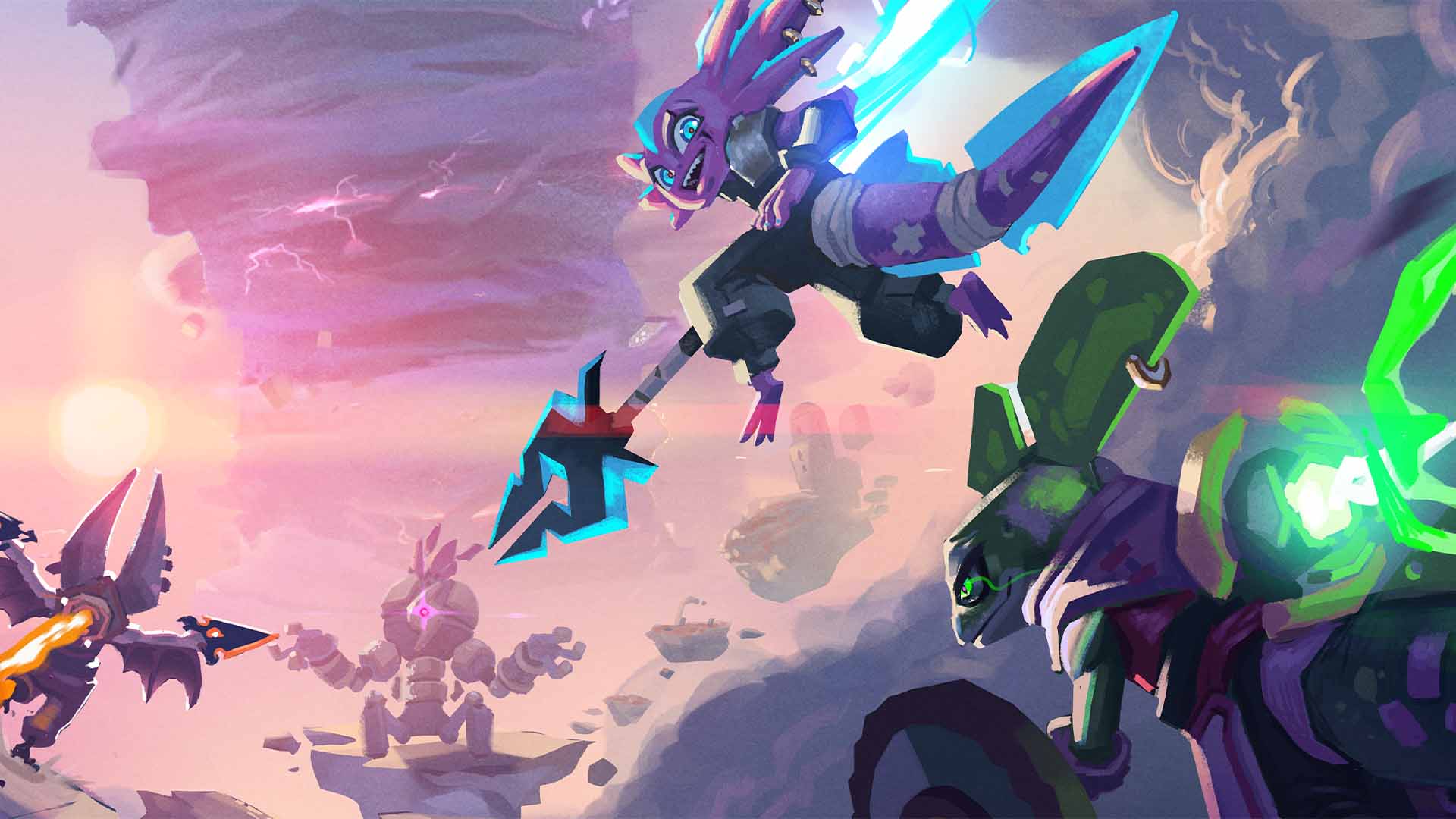
The combat in StarVaders is turn-based, and it takes place in the skies above Earth. Aliens are invading – from space, no less – and it’s up to you to take the fight to them in one of three powerful mech suits. Failure to deal with this xeno threat will result in the accumulation of Doom, which is about as good for your health as it sounds.
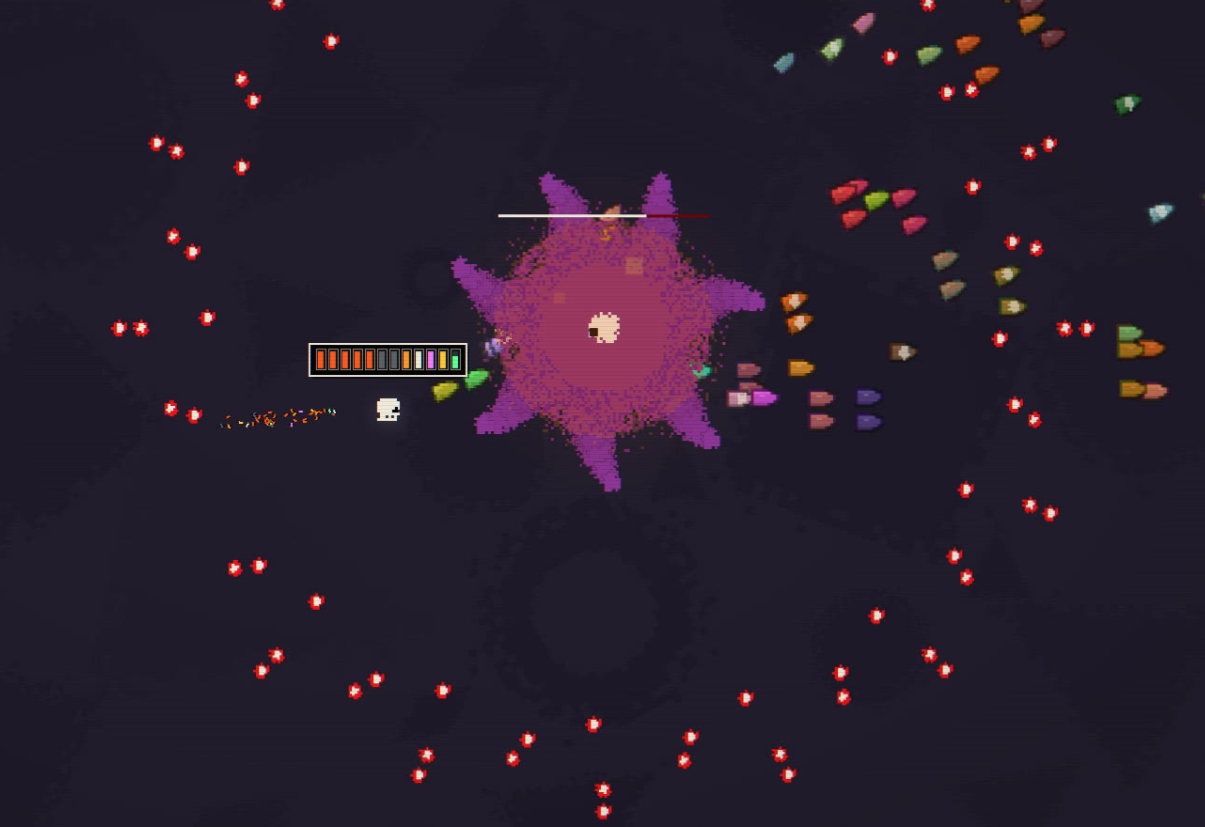
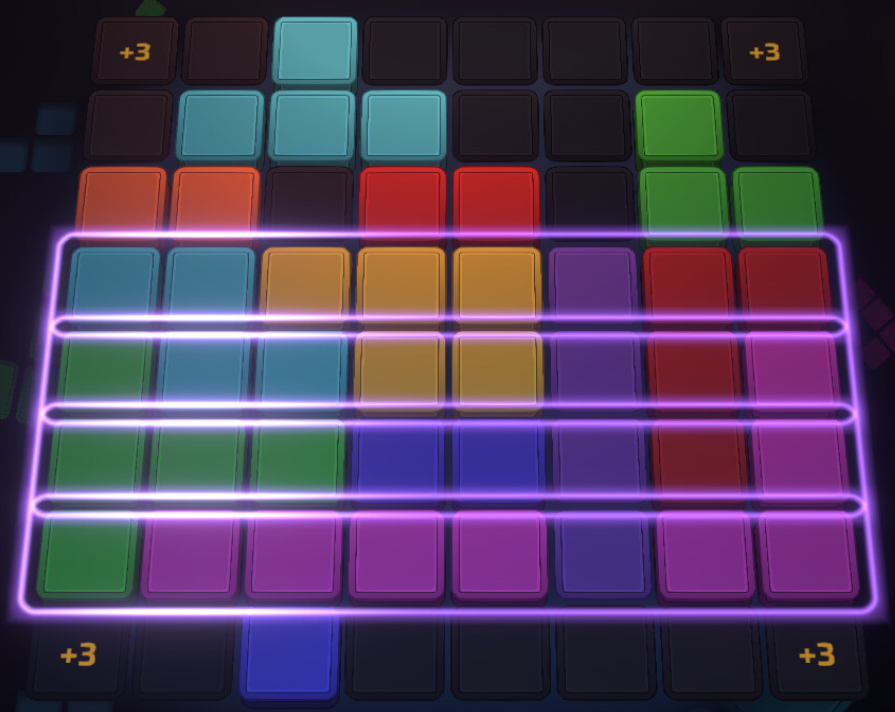
As you can see in the attached screenshots, the battlefield is narrow and grid-based, with the player’s mech at the bottom. Aliens descend from the top of the screen, turn by turn. During each round, the player is able to play a number of cards from their hand, and these cards result in actions that play out on the grid. You then rinse and repeat until you’re at risk of overheating – this is the system that stops you from simply playing every card in your hand. You’ve got to pick wisely, you see.

Your in-game actions are based around movements, tactics, and attacks. At all times you must use your cards as efficiently as possible, but thoughtful play can result in powerful combo attacks. For example, you might move your mecha two squares to the side in order to line up a shot, take said shot, and then get a “repeat”, which allows you take another straight away, thus destroying the second enemy who was sitting directly behind the first.
Battle types vary from encounter to encounter, and you can pick your next challenge, but all combat situations fit within the same grid. One minute you might be dealing with large waves of enemies, while another battle might have you facing off against fewer, stronger opponents with shields. Naturally, at the end of each act there are also boss battles to consider, with giant enemies that fill much of the screen. If you can get past these guys, you are rewarded before the cycle resumes and you are thrown back into action.

Trinket Time
As deckbuilder fans will have come to expect, you can use the time between battles to enhance your deck of cards in a number of ways. The most obvious way of boosting your deck is to pick new cards from the trio of options presented after each round, but there are also chances to pick up trinkets with game-changing properties.
Each mission has a set reward that you know before picking it, so you can steer your build in a certain direction, grabbing legendary cards, new trinkets, or maybe upgrades for your existing cards. There’s a shop, too, where you can find new cards for your deck, purge any you don’t want, and pick up new items – if you’ve got the coin, of course.
Over the course of each run, you’ll create a unique deck full of cards with intersecting properties, and it’s the interactions between your cards and items that truly defines the effectiveness of your current build. From what I’ve seen so far, there appears to be a really decent amount of depth in this regard. Not only are there different pilots to unlock, each with increasingly complex play-styles, but there are different mechas, too, the second of which you get once you’ve beaten the game for the first time.

It’s a wrap, folks
Not only is there surprising depth to explore across the different playable characters and their respective focuses, but there are tons of additional tactical elements to consider. One good example of this is the chrono-token system, which lets you take back a foolish move – not that I’d ever do such a thing. Ahem.
There’s a lot of pleasing nuance built into all aspects of StarVaders, and that includes the audio-visual presentation. The chunky but bold aesthetic looks and sounds great, and the comic book feel of the art work had me insta-hooked. The whole thing has been built with a tremendous amount of love – you can really tell.
All told, I’m really glad I took another look at StarVaders now that it’s out in the wild. In my opinion, Pengonauts has delivered the next must-play deckbuilder, and I’d both urge genre fans and deckbuilder noobs alike to check this one out.
StarVaders is out now on PC (Mac, Win) and I played the game via access kindly provided by the developers and their PR buds.