Being a god is boring work, I’m told. Once you’re immortal and you’ve done all the fun stuff, like playing tricks on mortals and messing with the weather, there’s very little left to do other than watch the world go by. Luckily, the folks over at Triplevision Games are on hand with a roguish survival strategy game that would give any god a reason to get out of bed in the morning: These Doomed Isles.
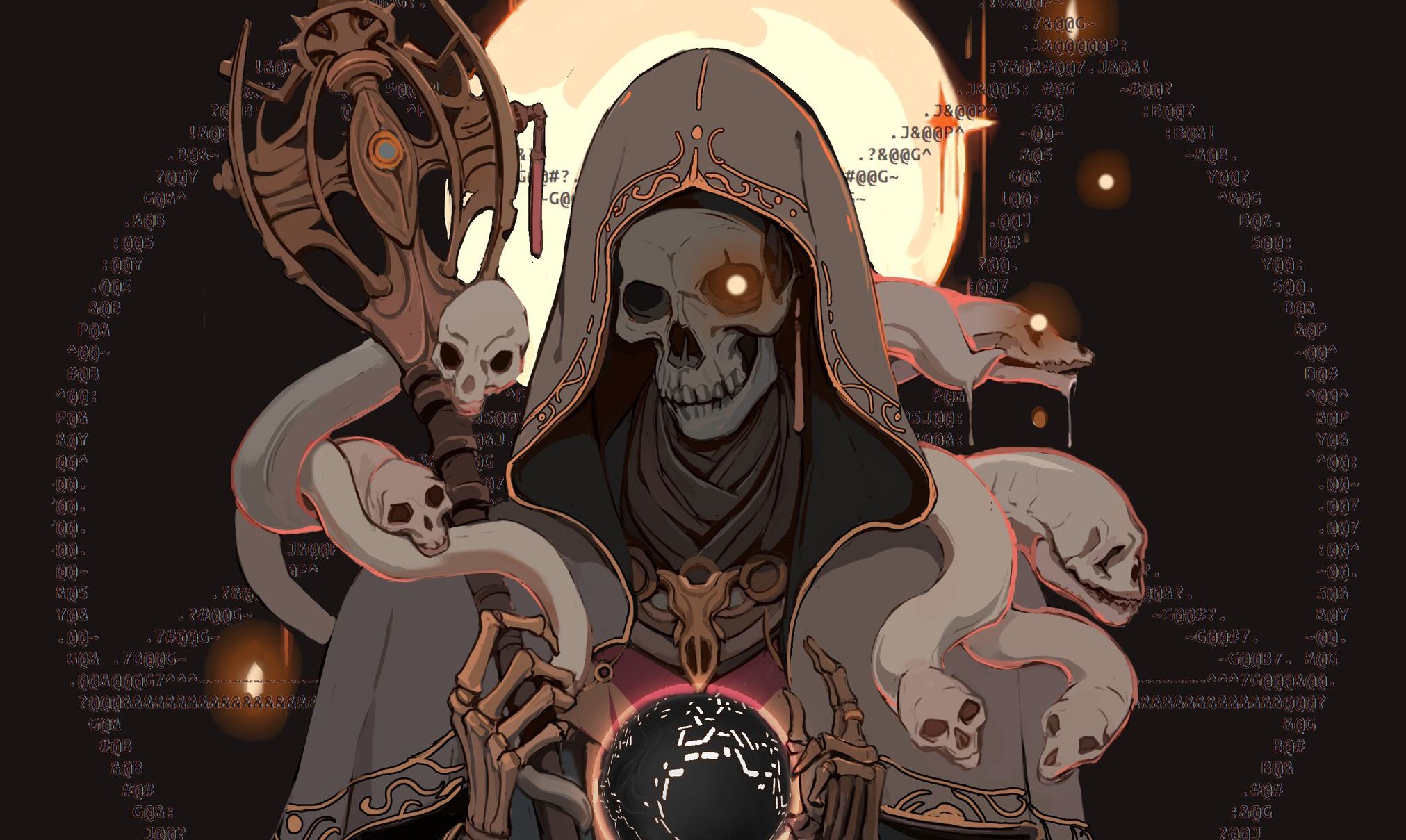
Playing as one of four immortal beings, the player must take control of and expand an island empire. The roster of playable gods includes Cernunnos, Plutus, Acan, and the most recent addition: Inari, the Japanese god of rice cultivation and prosperity.
Each one brings their own unique play style, which is defined by a deck of cards that you draw from over the course of a campaign. If I allow myself to be reductive for just a moment: it’s a bit like Civilization meets Slay the Spire with a dash Against the Storm thrown in for good measure. All good ingredients, in my book.

So how does it play, oh wise Oracle?
I’m glad you asked! These Doomed Isles is a strictly single-player turn-based strategy game but it comes with a survival twist. Each round is split into four turns, represented by the changing seasons. Over the course of the year, players must play cards to place buildings and expand their lands, fight off any attacks, harvest resources from any plans previously put in motion, and pick new cards to move the game along.
Naturally, the seasons are all different, and that doesn’t mean a simple change of colour schemes; the mechanics work differently depending on what time of year it is. Inari leans into this evolving game state even more than the original three gods, I think, although it’s fair to say that the changing seasons are fundamental to all four.
As you’re a god, faith is a key mechanic. The more faith you have, the greater your access to the cards in your deck. To start off, you’re going to want to focus on setting up basic infrastructure for your people – that means building them somewhere to live. You’ll need homes near your shrine – your starting building – to generate more faith. You need to make sure you’ve got enough space for everyone because homelessness brings your population’s overall happiness down. Happiness is another key mechanic that you need to keep an eye on as it’s often tied to victory conditions.

Gods playing cards
Your deck sits in the bottom left corner of the screen, and you can spend faith to draw new cards from it, if there’s nothing that you can or want to play in your current hand. These Doomed Isles is full of interesting little decisions as you work out when it’s best to play certain cards, which cards to pick when you have the option to expand your deck, and where you should place your new buildings.
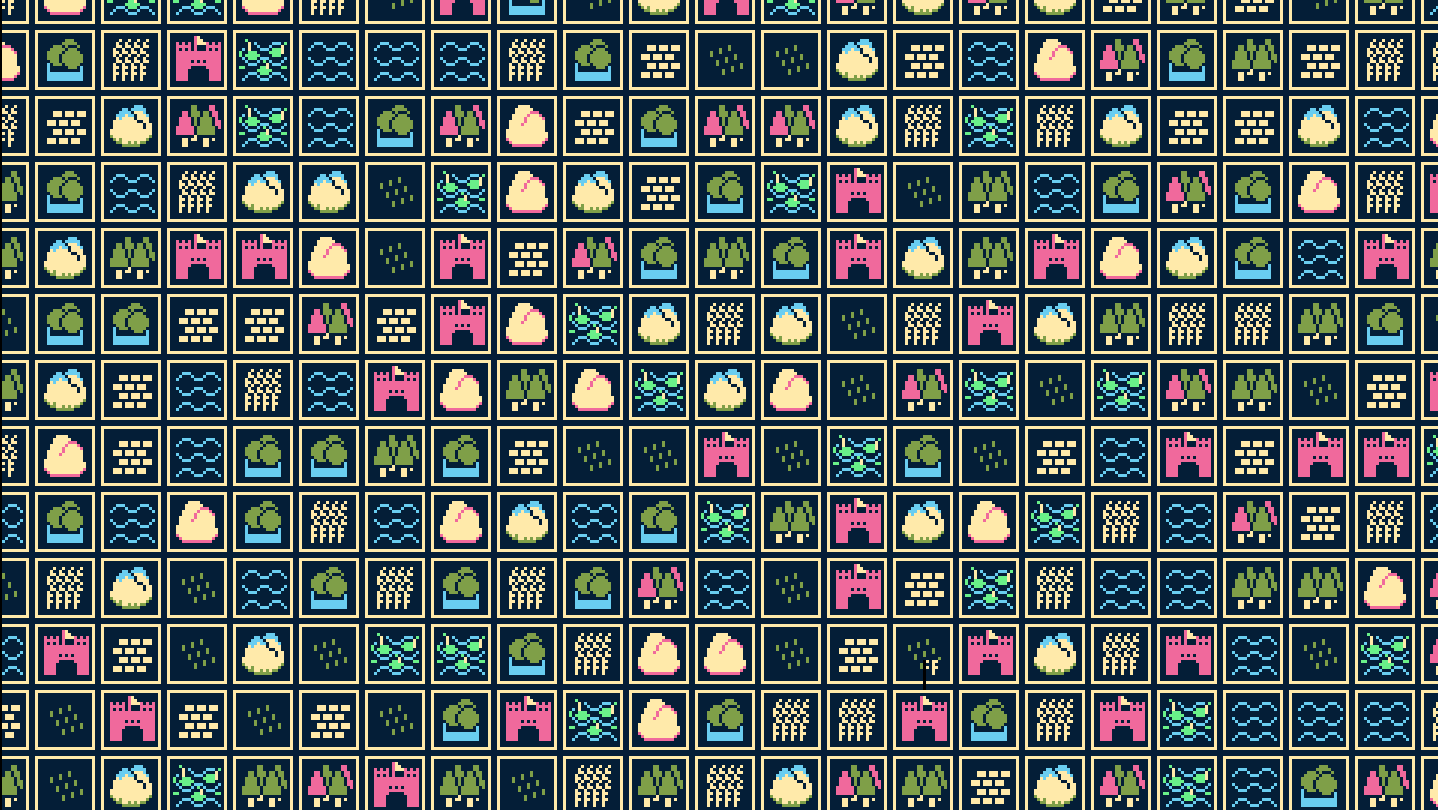
You begin the game on a little island in the middle of the map, with one shrine. After that you need to expand your settlement, using your godly powers to raise land bridges (which are shaped like Tetris pieces, much to my delight). Surrounding your central base there are small islands that can be connected together. Doing so brings rewards; different islands have gold, or resources such as stone, wood, or even new citizens to join your flock.
Playing the right card at the right time allows you to extract the resources you need from the world around you, but oftentimes you’ll not be able to do anything, at which point it’s time to skip to the next season and move the game forward. This means that there’s a nice flow to the action, and the “just one more turn” feeling that you get from 4X games like Civilization is very much present here, too.

Why are these isles doomed?
Things get really spicy when your enemies start turning up. After a time, you’ll be notified of an incoming attack, and the direction it’ll be coming from. Shortly thereafter, vikings or monsters will turn up and attack your buildings. Things start off nice and easy, and you’ll be able to smite your enemies with a bolt of lightning or an attack from a well-placed military unit – both of which are summoned from your deck. You might need to cycle through your cards to get the attack you want, using up faith in the process, but usually the first combat encounters are quite straight forward.
The complexity of the challenge rises when bosses are introduced. You’ll need to string together a series of powerful attacks, finding synergies in your deck in order to maximise the damage you deal. For example, Inari can flood the ground around her enemies, then freeze them or maybe inflict a plague on them. Alternatively, she can send in mounted soldiers or samurai, although these units have a limited number of actions, so it’s important to use them wisely.
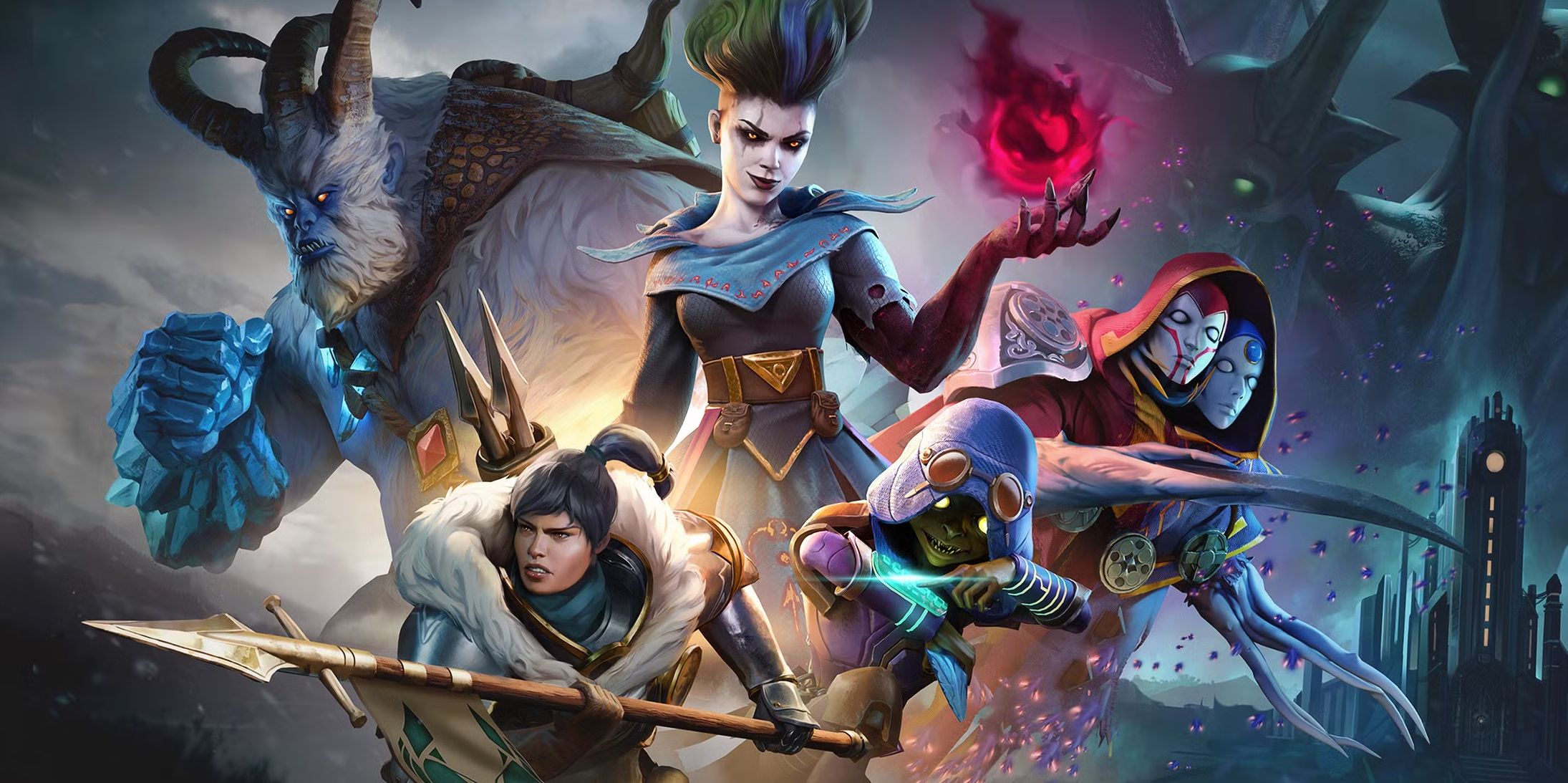
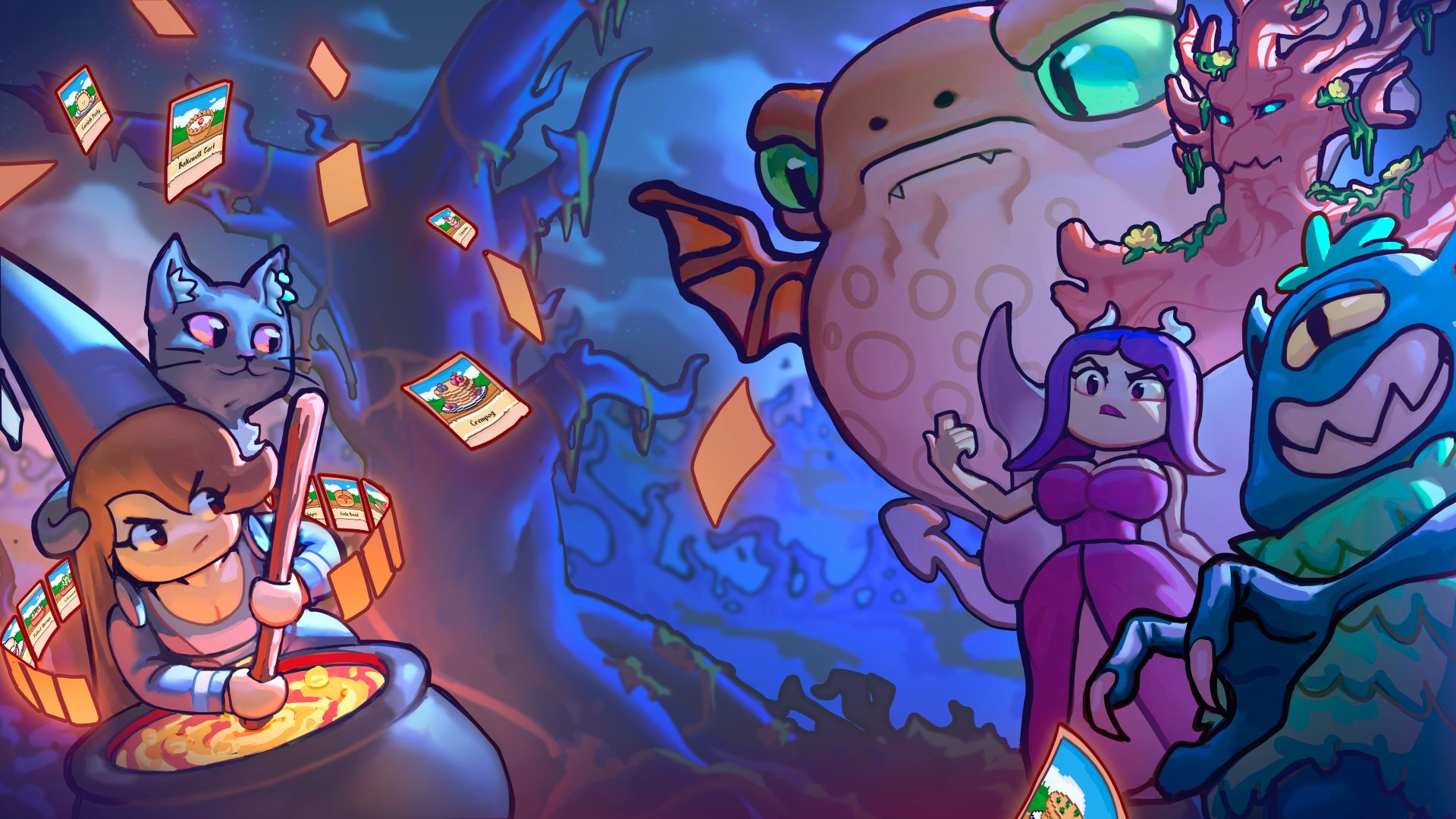
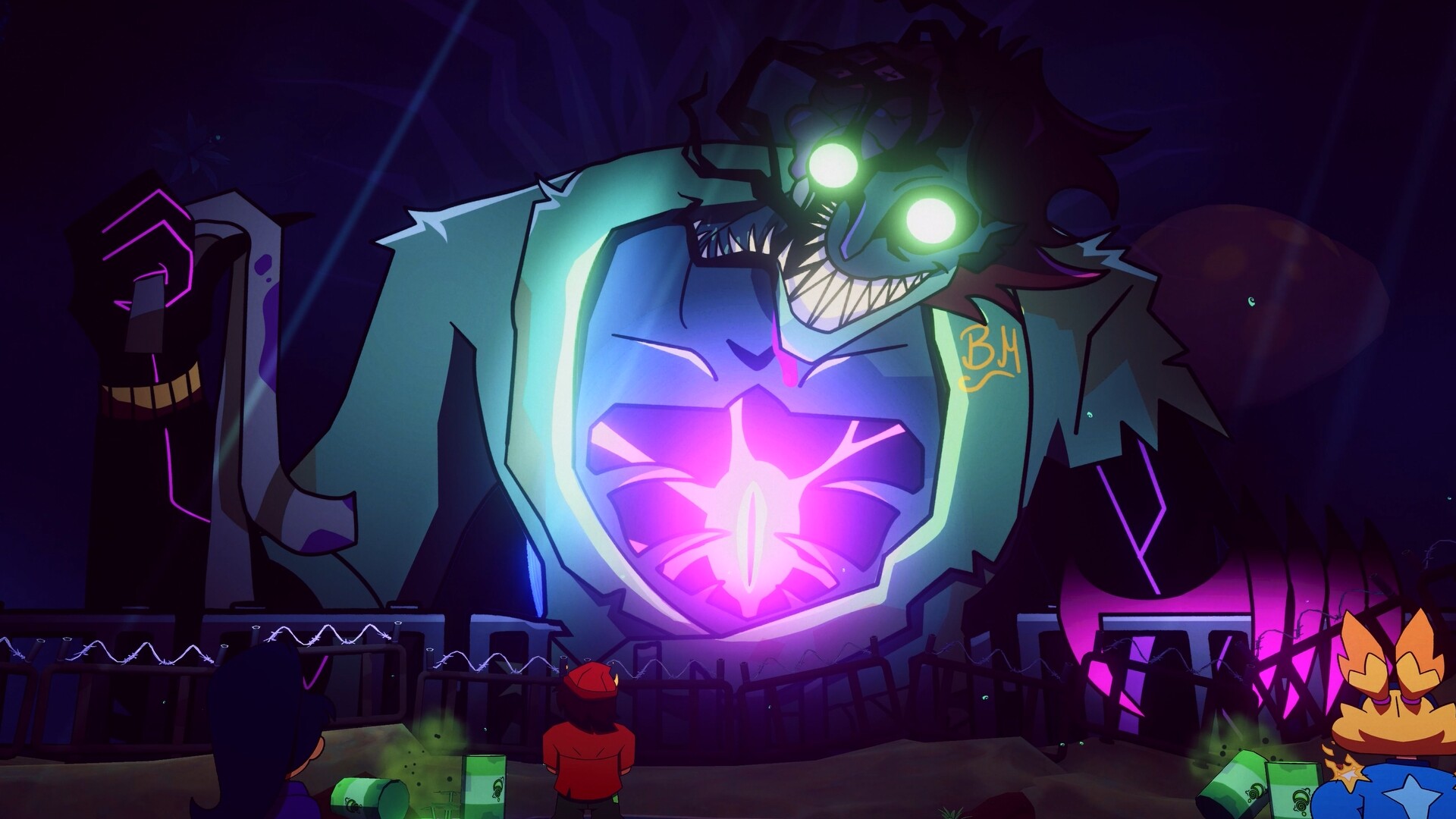
The new expansion adds three new bosses to the mix: Shuten-dōji, Kuchisake-onna, and Haradash (all of which have been pasted into the image below and are very much NOT to scale). These challenging enemies will take considerable effort to put down. I was given a demo by one of the game’s developers, during which I was shown a broad range of attacks using an Inari deck.
The battle was against Haradash, a boss with a giant, menacing face on its torso. First the grim-looking creature was slowed down with a flood, and then it was time for lightning strikes and freeze attacks to do as much damage as possible. Once frozen all it needed was a shatter attack to take it down before it got to the shrine and started smashing it up – if your shrine gets destroyed, it’s game over.

Playing like a god
The main campaign has a series of different difficulty settings, or Ascension levels. The level you pick will determine the conditions needed for a win, and the higher the Ascension level, the more difficult the challenges you’ll face. Usually, you’ll need to connect together a certain number of islands and have a large number of buildings. Alternatively, you might need to take out a specific number of enemy waves or have a happy population for a set period of time. Once you’ve ticked off your three goals, you’re declared the winner, although you are welcome to carry on playing should you wish.
Beyond the Ascension levels, there’s a Horde mode and a range of Creative modes. The Horde mode is more combat focused with wave after wave of enemies attacking your base, until eventually your shrine destroyed. The Creative mode lets you play the game at a much more relaxed pace, with no enemies to mess up your best laid plans.
Overall, I’ve been impressed with what I’ve seen. I love the pixel art visuals, the soundtrack is very friendly on the ears, and there’s a ton of potential depth here thanks to the broad selection of strategies facilitated by the different gods and their various playing cards. Triplevision Games is building a deep and engaging survival city-builder and I’ll definitely be revisiting These Doomed Isles again in the future.
The newest addition to the game, Inari, is joining These Doomed Isles on April 4th. For more on the game’s first free content drop, click here.