Launching a myth-inspired roguelite a week after Hades 2 takes bravery, I think. This courage is not misplaced in the case of The Land Beneath Us, however. I think FairPlay Studios decided to go ahead with the launch of its turn-based rogue with confidence after the positive feedback that the game enjoyed after the demo was released a few months ago. In fact, I was among those singing the game’s praises and so I was eager to return and see more of this roguish exploration of Welsh mythology, even at the expense of spending time with Melinoë in the ancient Greek underworld.
What is The Land Beneath Us all about, then?
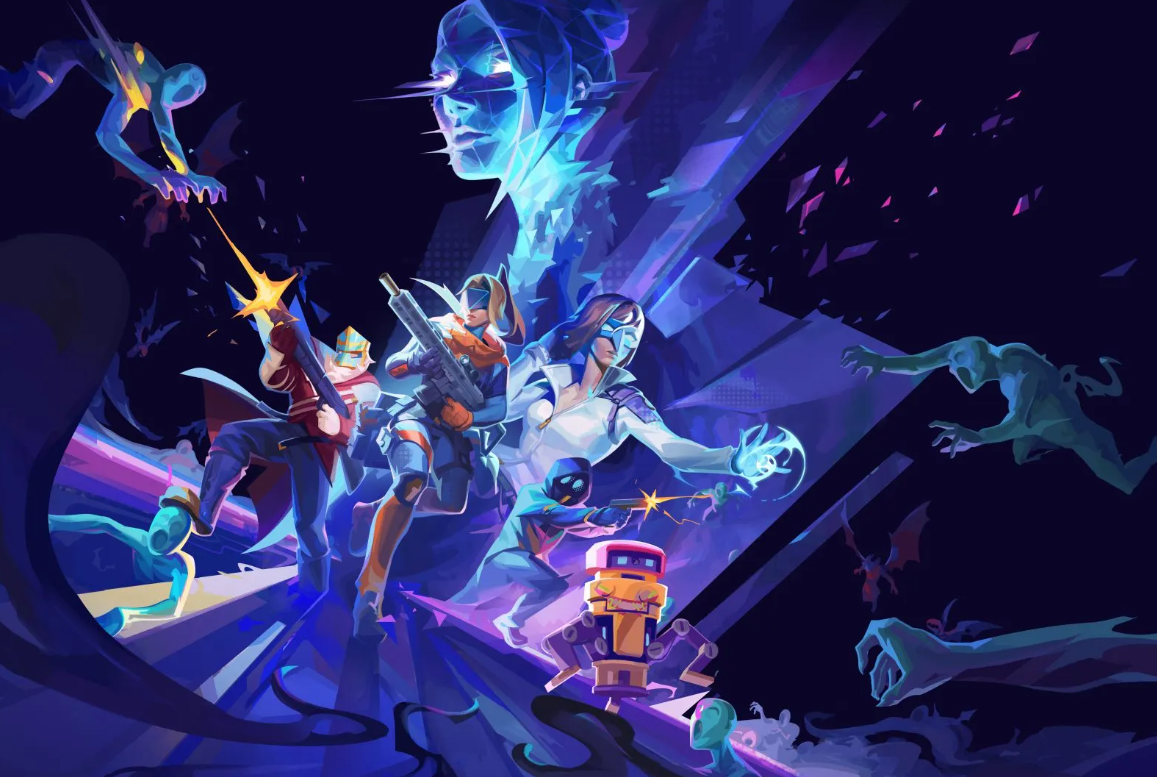
I’ll be honest and open by saying that I have struggled to get into the story of The Land Beneath Us – which surprised me a little because I like the mythological vibe. You control a little robot dude called Sven, who kinda looks like Batman, and you’re sent on a mission to capture the souls of Welsh monsters so you can grow more powerful and eventually save the day. However, while the story didn’t click for me, pretty much everything else did.
The Land Beneath Us (which I should probably start shortening to TLBU) features deceptively nuanced turn-based combat, tactical boss battles, lots of loot, and mechanics that grow from simple beginnings into complex and satisfying game-changing features. In short, TLBU is a treat for turn-based fans looking for something more action-packed and puzzling than your typical roguelike.
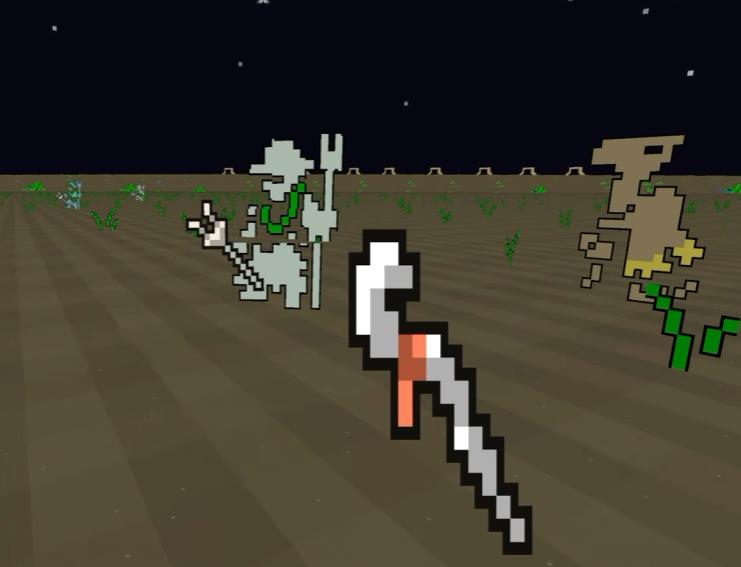
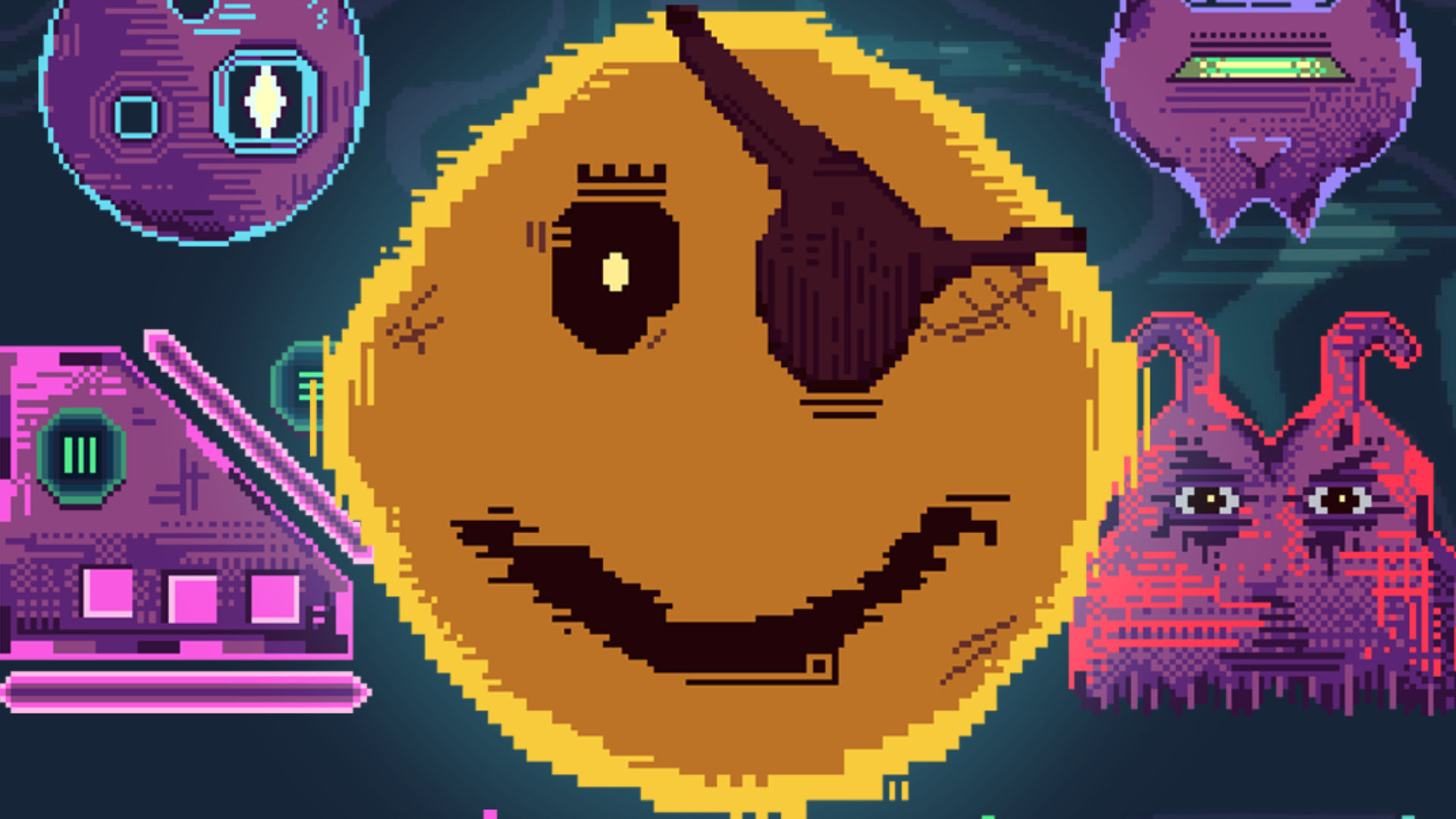
First impressions are positive. I like the graphics and I think FairPlay has done a good job of bringing its pixel-art world to life. It’s not the most beautiful game I’ve ever seen, but it does immerse you in its world. In particular, the level designs accentuate the enemy sprites, and I think the whole thing comes together quite nicely from a stylistic point of view. What’s most important is that TLBU communicates everything you need to know during combat, and the developers have done a decent job of this, I think.

Puzzling combat encounters
The reason that a clear visual language is important is the tight-knit combat, which at times feels more like a puzzle game than a turn-based roguelite. Your playable avatar, lil’ Sven, can move in four directions. Each direction can be assigned a different weapon, and while initial combat encounters are very roguelike in the sense that you’re simply hitting the tile next to you, equipped weapons fundamentally change how you interact with an enemy. For example, a katana will let you step past an enemy, while a revolver will cause more damage but knock you back a tile when fired.
Every new run gives you a chance to put together a fresh build that leans into different game mechanics – or you can perfect one tactic if you prefer. I’ve been trying EVERYTHING and I think it has slowed my progress, but I’ve had a good time doing so. A gun-focused build is good for keeping a bit more distance between you and your enemies, however the outcomes are always fairly similar. Pow pow and all that. Melee weapons are a lot of fun, too, as you can use swords and spears to deal damage while playing a more controlled game.
The level design supports the combat really nicely. Each level is a small arena where you must navigate around scenery and dangerous objects, such as puddles of lava or Sven-eating plants. Each short round requires you to defeat all of the enemies, grab any loot, and then move to the tile that teleports you to the next level.
The tightness of the level design ensures that combat encounters don’t drag on, yet for the most part there’s enough space for you to play things in a more considered manner. TLBU offers a fair degree of flexibility in terms of how you go about your business; level traversal is no different and it’s not long before you’ve unlocked new powers, including the ability to teleport out of danger.

Evolving abilities and meta-progression
Like any good roguelite, there’s a strong progression loop for players to dig into. The story helps to push the action along, but you could also say that things open up once you’ve completed the first world and beaten its boss. Upon reaching this milestone you’re introduced to the game’s meta progression, as well as a few new traversal options and more nuanced combat mechanics.
I’ve mentioned the ability to teleport, but now there are new movement combinations that give you new abilities. For example, moving four consecutive steps to the right will grant you a small health boost as part of your next turn, a move that will no doubt keep you alive during more challenging combat encounters. These combos stop the movement in TLBU feeling boring and mundane, and give you additional benefits during battle that might just swing things your way.
The weapon system is more nuanced than alluded to before, because you can also combine weapons of the same sort to make them more powerful. The efficacy of your weapons can be enhanced further via the items in your possession. Initially you can carry five, and you must fill these slots with items to earn you more gold, improve your damage output, or grant small health bonuses as you move between levels. At first the items aren’t all that interesting, but once new mechanics are layered in your inventory management becomes more thought provoking.

The boss battles are also rather challenging, but as it’s all turn-based you do have time to consider your options before commiting to your next move. That hasn’t stopped the bosses from stomping on me a fair bit, but the pick-up-and-play gameplay and the short-ish duration of each run means that I am always happy to grab the controller (or Steam Deck, in my case) and have another go. It helps that you’re always earning credit to spend on enhancing your base stats between runs, and so in true roguelite fashion, even a mis-step is a step in the right direction. The Land Beneath Us is a game to play for just one more turn, and in this genre that’s pretty much all you can really ask for.
The Land Beneath Us is out now on PC (Epic and Steam), PlayStation, Switch, and Xbox. It plays well on the Steam Deck, which is the platform I played on for review, with access provided by the developer and publisher Dear Villagers.