The first-person shooter genre is currently under the influence of roguish game design. To that end, over the last few years, we’ve been treated to some seriously entertaining roguelite shooters, such as Roboquest and Gunfire: Reborn. These indie successes have shown us the way, however, we’ve not seen too many dedicated projects from established triple-A studios. Until now.
The Astronauts is one of the development teams looking to buck that trend. Instead of bolting a roguelite mode onto another project, the Polish developer has gone all-in on making a first-person extraction shooter where its roguishness sits at the very core of the experience.
Talking to The Astronauts
I’ve been covering The Astronauts for many years now, since before the team broke away from People Can Fly to go it alone. This might not be a team with many shipped titles, but it is a studio built by people who have made very good games in the past. It’s also interesting to me that this is the same team that previously gave us The Vanishing of Ethan Carter, a more linear experience with different themes and a contrasting approach to replayability.
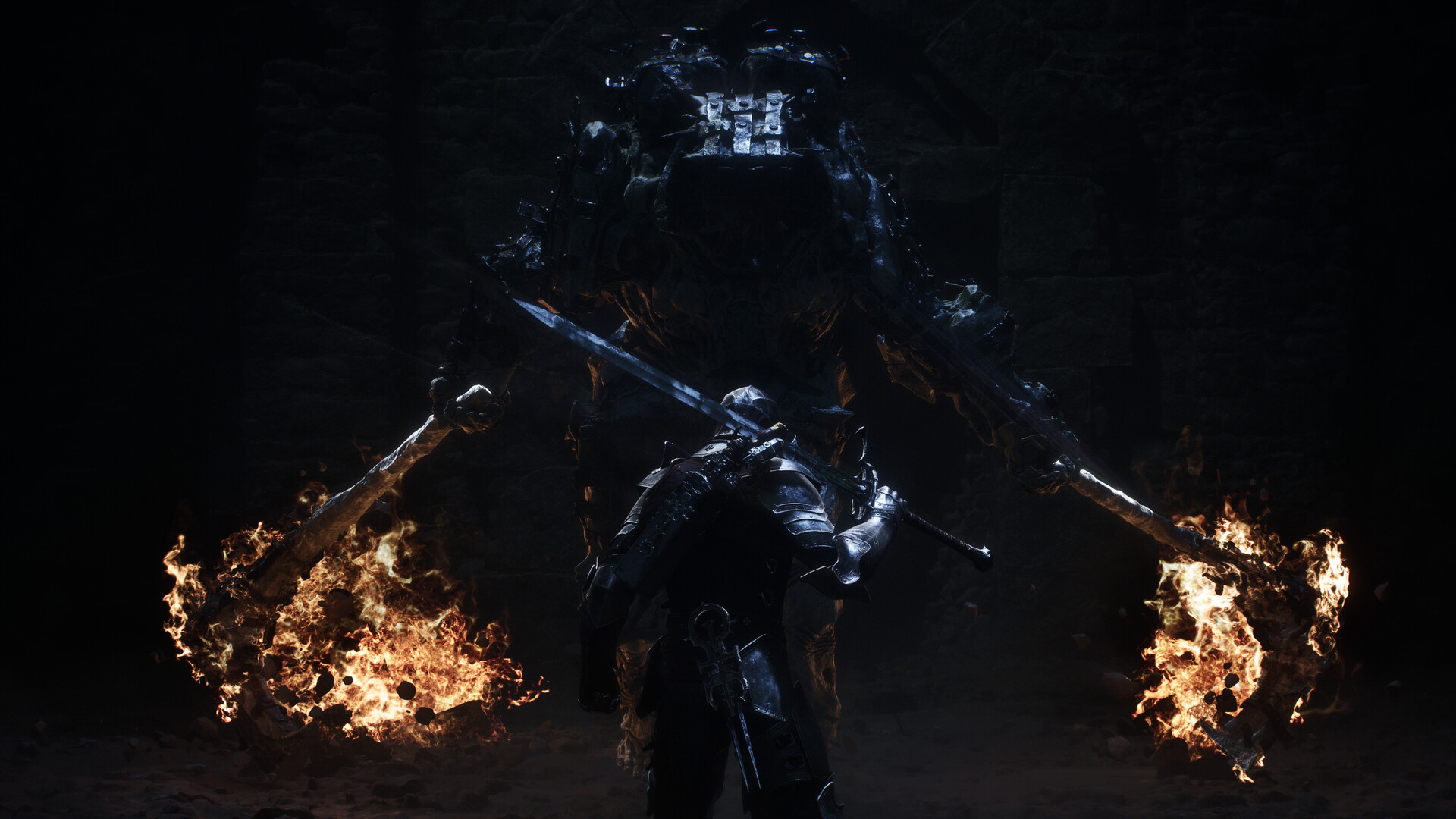
My interest in Witchfire goes further than professional curiosity, of course. After playing the studio’s new game following its Early Access release on the Epic Game Store, I came away impressed with the richness of the world building, the stunning visuals, and the near-flawless gunplay.

Since then, the shooter has grown to greater prominence following a bunch of updates and, eventually, its release on Steam. It has already been on a journey, and I’m eager to see how things evolve as it moves through the final stages of development.
With all that in mind, you can imagine how pleased I was when The Astronauts agreed to answer my questions following the recent Webgrave Update, and the introduction of a new location: Velmorne. Below is the full interview with Creative Director Adrian Chmielarz, and I while I may be biased, I think it’s a super interesting read. Enjoy!
MH: So I jumped back into Witchfire last night and picked up where I left off, and that was with horrible monsters kicking my butt. What do you think it is about challenging games like yours that people enjoy so much?
AC: The answer is in the question: the challenge. Humans are wired for procreation and survival. The latter requires dealing with tough situations and finding a way out. A video game challenge is a simulation of an event that requires both motor and mental skills to overcome. If one manages to do that, our hormones reward us with a pleasant feeling.
That, and seeing heads explode is cool.
Witchfire is such an interesting project, with its twisted artistic style, strong theme, and punishing gameplay. What can you tell us about its genesis and the reason the studio was ready for this particular challenge?
It can’t be explained. There’s nothing rational about liking undead knights, occult tomes, and castle ruins in the moonlight. It’s just something in our blood.

The challenging gameplay part is easier to answer. Like most gamers, I’ve finished a lot of difficult games. But finishing Bloodborne or Dark Souls felt different, even more satisfying. I tried to find an answer as to why, and I think I did. It’s the fact these games allow multiple paths to victory, boosting the core tenets of what psychology calls intrinsic motivation: autonomy, competence, and mastery. This deeply influenced how I think of games. Combine this with my eternal love for immersive sims, RPGs, and shooters, and here we are.
Witchfire boasts impressive graphics in a genre that typically isn’t known for such high quality. How are you balancing the studio’s talent for art and visual design with the need to create an environment where your level designers can iterate quickly and try new ideas all the time?
The key is we’re mixing an immersive sim with carefully designed gameplay. For example, we’re almost never creating so-called whitebox or greybox levels, where gameplay is tested first, and only afterward made visually appealing. Instead, we build spaces that feel realistic, with some gameplay concessions, like ensuring there’s always enough room for bigger enemies. The result is combat zones that play well but also feel immersive.

Replayability is at the core of the roguelite experience, and Witchfire uses a number of roguelite concepts in its core loop. How are you making sure each run feels fresh and exciting for preyers?
There are two main approaches to an adventure: YOLO and planning. YOLO refers to classic rogue-style games, where you can’t plan your journey because everything happens randomly and spontaneously. Planning, on the other hand, means you know exactly what to expect – think Destiny’s strikes or raids.
We’re mixing both in various ways. There’s planning, which I personally love – like creating builds specifically for a particular challenge – but there’s also enough emergent gameplay to keep each run exciting and full of little surprises.
The new update feels like a big milestone for the project and its time in Early Access. What do you feel is the most important new addition, and why?
Webgrave is indeed a huge update. Our biggest, I believe. And as much as I love the new region we’ve added, I think the redesigned Rosary and Stats systems are the most impactful. I’ve never seen so many people talking about builds before.
You’ve added a new starting area, but more importantly, a new urban environment for players to explore. What can you tell us about this new place, and what are the key differences that players will need to contend with as they navigate Velmorne?
The cursed town of Velmorne is a huge level, even without mentioning something I wouldn’t want to spoil – it’s a nice surprise if you discover it yourself. We designed this level with one goal in mind: it must play differently from anything we’ve done before. We believe the challenge should come from the unknown rather than from inflating enemy HP.

And I have to say, this worked beautifully. I’m really happy with how Velmorne turned out. People claim it’s more difficult than Castle, which theoretically comes next. I don’t think that’s true, but it certainly feels that way because it’s new and plays differently. I remember when I couldn’t complete a Gnosis 2 run in Velmorne without dying. Now I’m doing Gnosis 6 runs with my health and stamina halved by Foul Stimulant, and they feel relatively easy.
Same question, but regarding the new gameplay systems, particularly the new way you’re handling player stats. What are the main talking points?
There were two design goals behind Stats 2.0. The first was to offer meaningful progress both in moment-to-moment gameplay – which is why we now display all necessary information clearly – and in long-term gameplay, where you chase Rosary beads that significantly affect your playstyle.
Second, we wanted the stats to feel more RPG-like, meaning you might choose to role-play a character – say, with high Faith but low Witchery – rather than thinking purely about utility.

How far are we through the Early Access journey? And a follow-up question: when can console players expect to get their hands on Witchfire?
We’re now planning the endgame – I mean, the final updates. We’re officially marching toward 1.0, and it genuinely feels like most of the work is done. We still have a few aces up our sleeves, though, and I’m not talking about “just” new regions, enemies, or gear.
As for consoles, their time will most likely come after we’re done with the PC 1.0 release.
Thanks for taking the time to answer our questions!
And thank you – cheers to all your readers!
Witchfire is out now in Early Access on Steam and EGS, and it’s already one of the best first-person roguelites that I’ve played.